EU changes rules for trucks

W grudniu 2025 roku ministrowie transportu państw Unii Europejskiej osiągnęli porozumienie w sprawie nowych zasad dotyczących mas i wymiarów pojazdów ciężarowych. Uzgodnione stanowisko Rady UE stanowi ważny krok w kierunku modernizacji przepisów, które mają lepiej odpowiadać na wyzwania związane z transformacją energetyczną i rozwojem transportu zeroemisyjnego. Dotychczasowe regulacje powstawały w […]
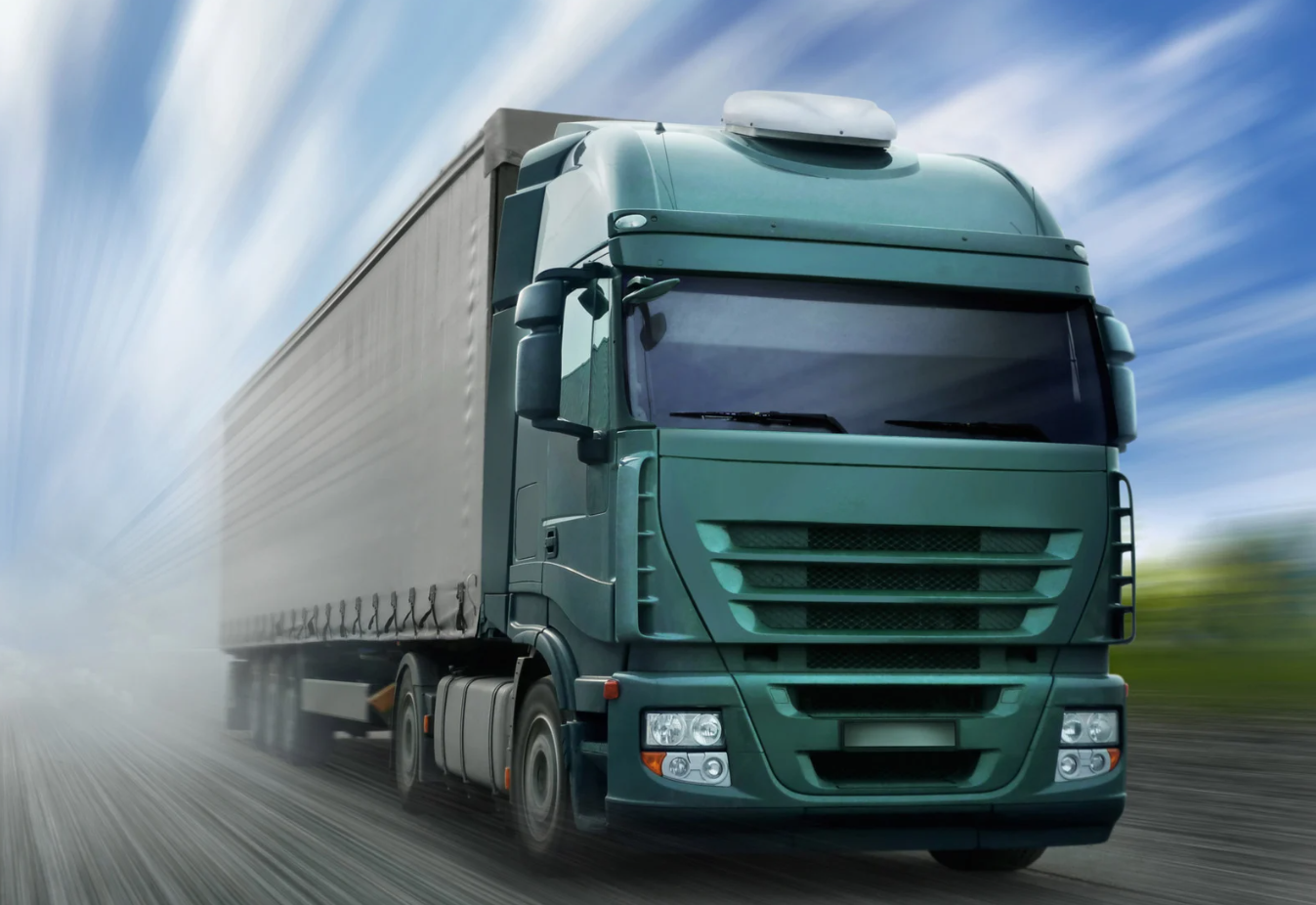

EU changes rules for trucks
In December 2025, European Union transport ministers reached an agreement on new rules regarding the weights and dimensions of heavy goods vehicles. The agreed position of the EU Council represents an important step towards modernizing regulations that will better address the challenges of the energy transition and the development of zero-emission transport.
The existing regulations were developed during the era of dominance of conventional combustion engine trucks. In practice, this meant that electric and hydrogen vehicles, which are heavier due to batteries or fuel cells, lost some of their payload capacity. The new agreement aims to address this problem and create a level playing field between different drive technologies.

New limits adapted to eco-friendly drives
The changes agreed upon by the ministers allow for an increase in the permissible gross vehicle weight of zero-emission trucks. The additional weight is intended to compensate for the weight of modern drive systems, ensuring that carriers are not penalized for choosing environmentally friendly solutions. At the same time, a more flexible approach to vehicle length has been introduced, which is intended to facilitate the design of modern cabs and superstructures and improve aerodynamics. The new rules also take into account the number of vehicle axles, which allows for better distribution of pressure on the road surface and reduces the negative impact of heavier combinations on infrastructure. This will make larger and heavier vehicles not only more efficient but also safer and less burdensome on roads.

Opportunity for larger sets and intermodal transport
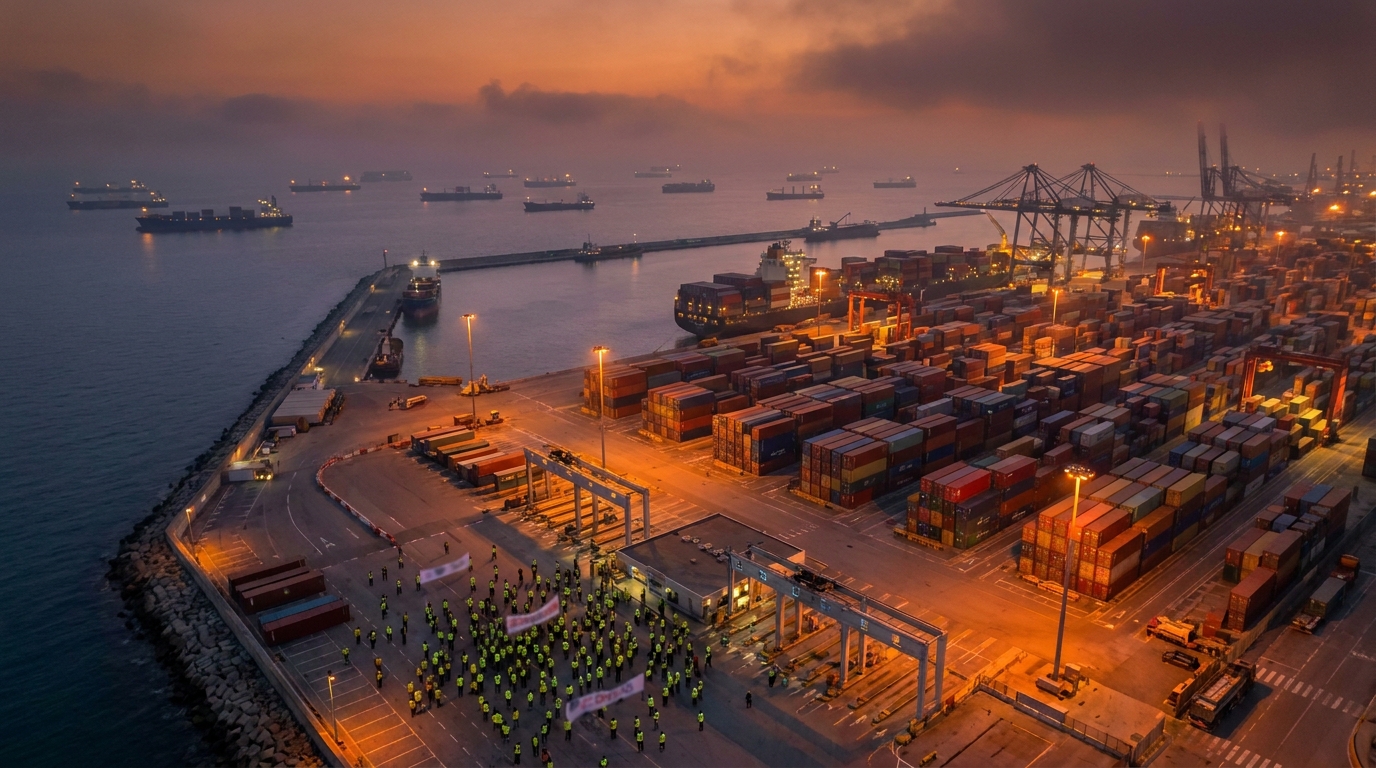
The agreement also paves the way for the wider use of longer vehicle combinations, known from modular systems already in use in some EU countries. Such solutions allow for the transport of more goods in a single trip, which can reduce the number of journeys and emissions throughout the logistics chain. The new regulations are also intended to foster the development of intermodal transport, in which cargo is transported using different modes of transport without the need for transhipment. Reducing weight and dimensions could increase the competitiveness of rail and inland waterways combined with road transport.

What next with the new regulations?
The December agreement does not yet mean that the new rules will enter into force. It is the official position of the EU Council, which serves as the basis for starting negotiations with the European Parliament and the European Commission. Only after these negotiations are concluded and the final version of the regulations is adopted will member states be able to implement the new regulations into national law.

Importance for the transport industry
For carriers and truck manufacturers, the new rules could mean a real investment boost. Larger and heavier vehicles, along with support for zero-emission drives, could improve the profitability of road transport and accelerate the sector's decarbonization. At the same time, experts emphasize that maintaining a balance between efficiency, infrastructure protection, and road safety will be crucial.

Eurodebt.eu

Check the company before you make a decision

Assess the credibility of a contractor or carrier. Use data that helps evaluate cooperation risk.

Search news

Eurodebt.eu

Check the company before you make a decision

Assess the credibility of a contractor or carrier. Use data that helps evaluate cooperation risk.

Share article

CATEGORIES

Latest entries