


Truck cartel: Munich court assesses damages for MAN and Daimler – what does this mean for the transport industry?
The Munich Regional Court has for the first time precisely determined the percentage of damages caused by the truck manufacturers' cartel – for MAN vehicles, it amounts to up to 5 percent of the net price, and for Daimler vehicles, up to 4.2 percent. The landmark ruling paves the way for thousands of transport and logistics companies across Europe to seek compensation on a large scale. For the transport, shipping and logistics sector, this means both an opportunity to improve liquidity and a new perspective on valuing cartel claims as valuable balance sheet assets.
Read more 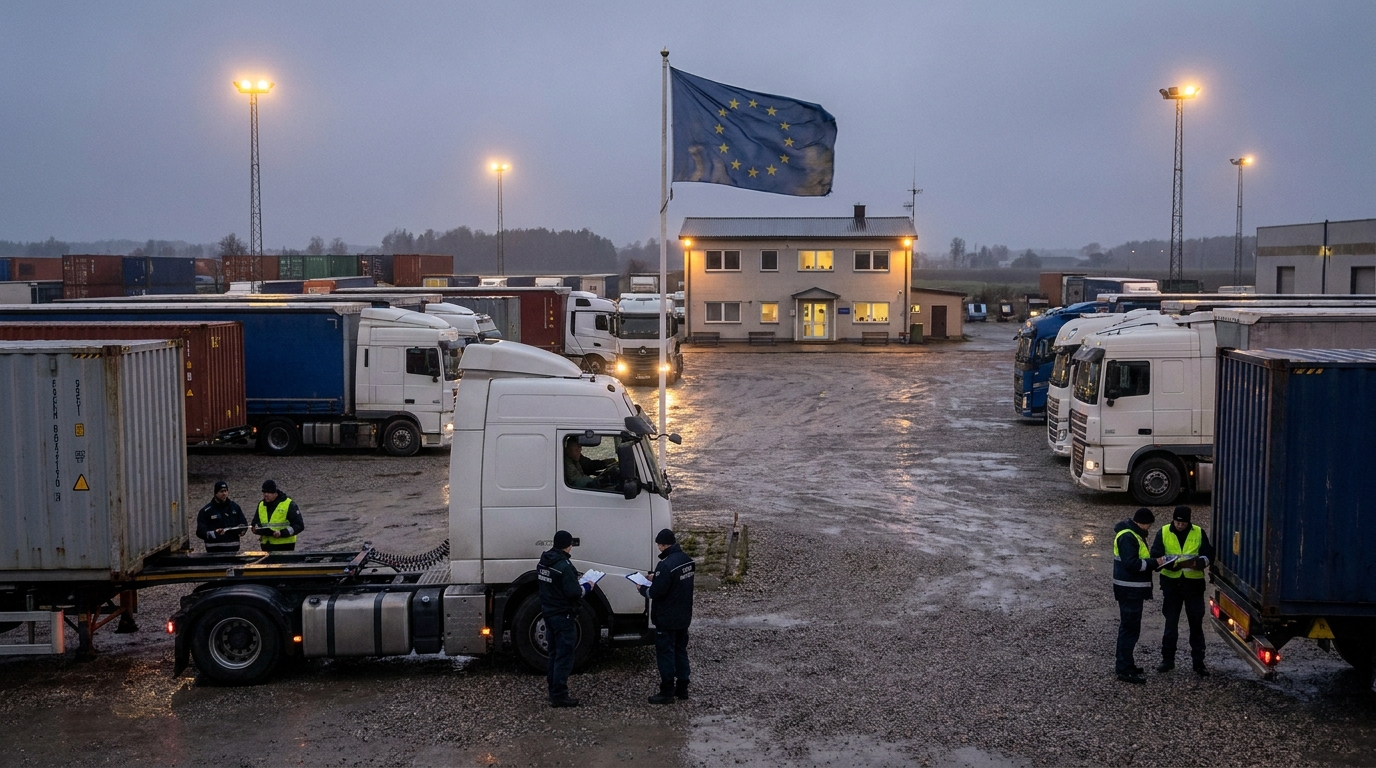
EU cracks down on human trafficking: new strategy changes the rules of the game for transport and logistics companies
On 16 October 2026, the European Commission announced a new strategy to combat human trafficking, which directly targets the informal labour market in the transport and logistics sector. The strategy provides, among other things, for the establishment of a European business coalition, tighter labour inspections and a new system of sanctions enabling the freezing of assets of entities linked to labour exploitation. For transport, shipping and logistics companies, this means the need to immediately review subcontractor verification procedures and implement rigorous due diligence mechanisms throughout the supply chain.
Read more 
Digital paralysis of state registers: The Ministry of Justice shuts down the National Court Register, the National Register of Registers and the Land and Mortgage Register for over 60 hours - what does this mean for the TSL industry?
The Ministry of Justice has announced an unprecedented technical outage affecting 25 IT systems — including KRS, KRZ and the Electronic Land Register — from 16 to 19 October 2026. For the transport and logistics industry, this means a gap of over 60 hours in the ability to verify business partners, dramatically increasing the risk of operational fraud and erroneous credit decisions. Transport, shipping and logistics companies should conduct comprehensive due diligence by Thursday, 15 October, at the latest and consider internal embargoes on contracts with unverified entities.
Read more 
Joint and several customs debt is devastating Polish logistics. Customs agencies and carriers are on the brink of bankruptcy.
The National Revenue Administration is conducting large-scale enforcement proceedings against Polish customs agencies, freight forwarders and carriers, demanding repayment of multimillion customs debts arising from fraud committed by importers from China. The mechanism of joint and several liability allows tax authorities to shift the burden of obligations onto entities acting in good faith that had no knowledge of the crime. The failure to suspend enforcement during appeals threatens a wave of bankruptcies among key logistics operators and the paralysis of strategic transport corridors, including the terminal in Małaszewicze.
Read more 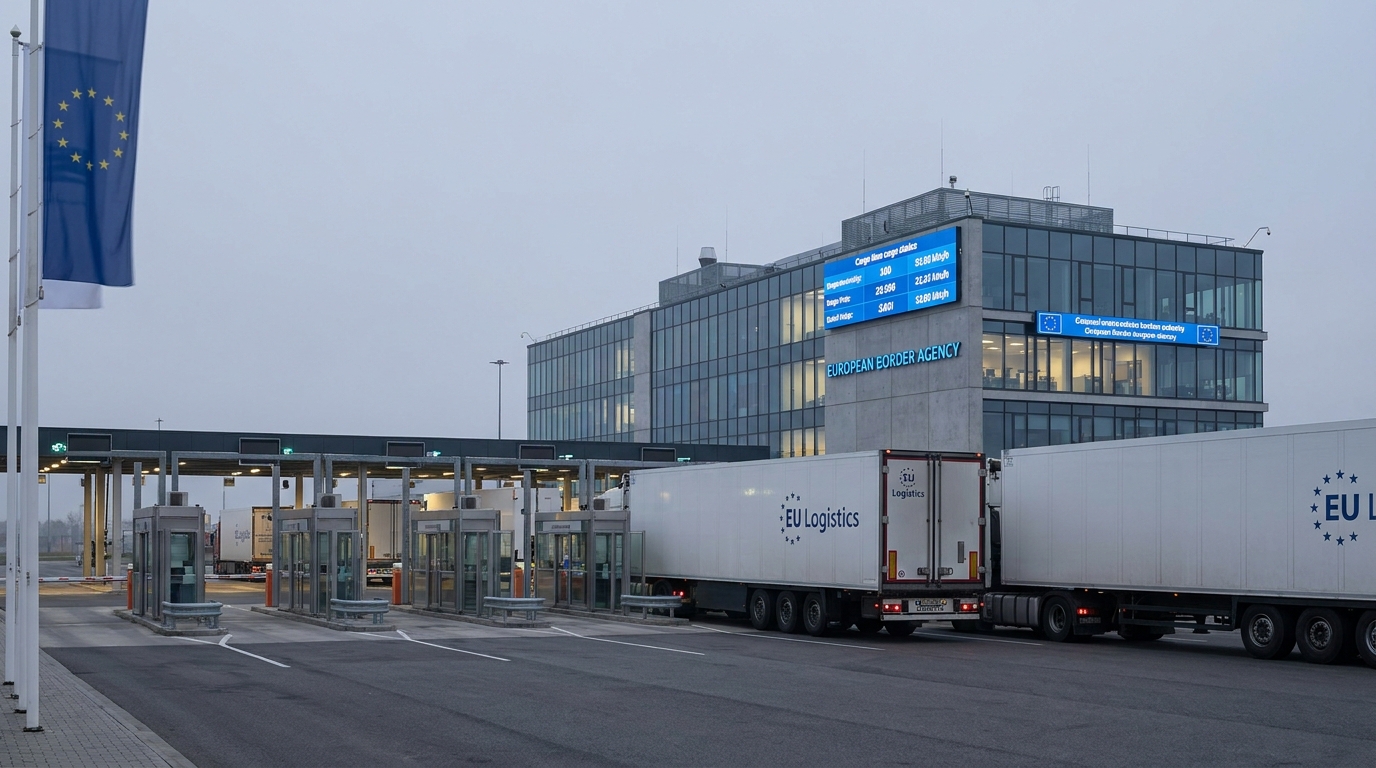
The new EU Customs Code 2026/2108: a revolution in the responsibility of importers and logistics companies from 2027
Regulation (EU) 2026/2108, published in 2026, is the biggest reform of EU customs law in over a decade. From 21 September 2027, importers will have to ensure that products comply with EU law at the customs clearance stage, rather than only after the goods have been placed on the market. The changes hit e-commerce platforms and customs agencies serving entities from outside the EU particularly hard, as the new code makes them fully liable as importers. Logistics companies that fail to adapt their compliance procedures and invest in the required certifications risk multimillion penalties and a complete halt of operations at EU borders.
Read more 
Tens of thousands of UK companies with unverified directors - a wake-up call for European trading partners
More than 56 thousand active companies in the British Companies House register may be managed by unverified or fictitious directors — despite new verification regulations coming into force in November 2025. The scale of the problem is a serious warning for European companies, particularly in the transport and logistics sector, which are exposed to losses resulting from fraudulent orders and unpaid receivables. An immediate review of the portfolio of British business partners and stricter KYC/KYB procedures are measures that cannot be postponed.
Read more 
General strike in France on September 29, 2026: When "force majeure" does not protect the supplier from contractual penalties
A nationwide strike in France scheduled for 29 September 2026 threatens to paralyse European supply chains and trigger a wave of disputes over the force majeure clause. Legal experts warn that many suppliers will attempt to invoke force majeure without justification to avoid contractual penalties — however, French courts examine facts, not declarations. Logistics companies must act immediately: audit contracts, collect evidence and be prepared to arrange substitute performance at the expense of an unreliable partner.
Read more 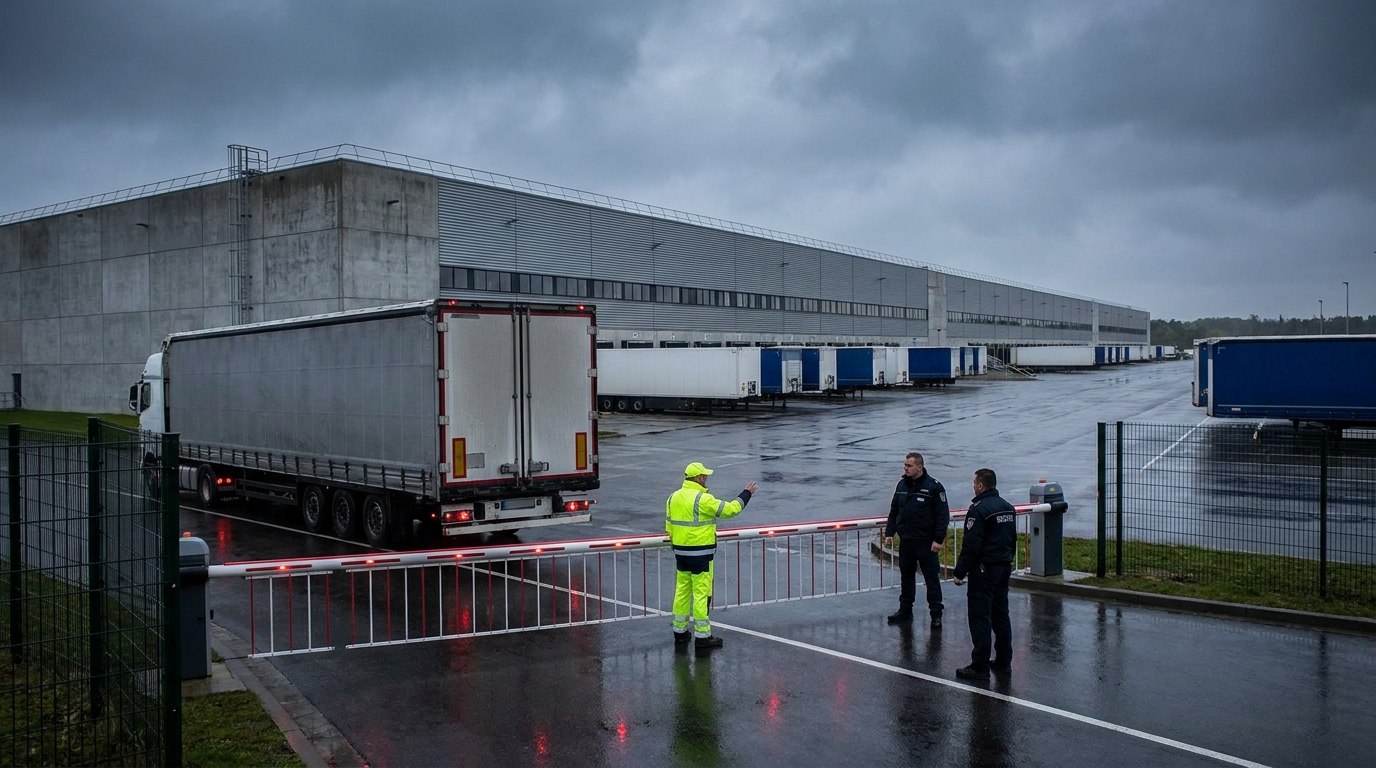
The Office of Competition and Consumer Protection (UOKiK) is targeting carriers with PLN 570 million in fines for a "no-poach" collusion with a discount chain. What does this mean for the transportation industry?
The President of UOKiK imposed fines exceeding PLN 570 million on the owner of a large discount retail chain and 29 transport companies for an illegal no-poach agreement that restricted drivers' freedom to change employers for nearly seven years. This decision, one of the largest in the history of Polish antitrust law, directly affects the creditworthiness and reputation of the penalized carriers. For risk managers and compliance departments, this is a clear signal that the verification of business partners in the transport sector must now also cover employment policies and potential violations of competition law.
Read more 
Germany delays import VAT reform - logistics companies' liquidity on the brink
German industry associations DSLV and DVF warn that the government's plan to reform import VAT, with implementation scheduled for 2030, is unacceptable for the logistics sector as it struggles with a liquidity crisis. Current regulations force freight forwarders to pre-finance the tax during customs clearance, tying up companies' working capital and threatening smaller businesses with technical insolvency. The problem affects more than just Germany — Polish carriers and subcontractors are directly exposed to a domino effect in the form of longer payment terms from German partners. Risk managers should strengthen their monitoring of the financial health of counterparties in the transport, shipping and logistics sector now.
Read more 
Staff crisis in Polish transport: administrative paralysis threatens the leading position in Europe
Polski sektor transportu drogowego znalazł się w sierpniu 2026 roku w głębokim kryzysie operacyjnym spowodowanym strukturalnym niedoborem kierowców zawodowych i paraliżem administracyjnym w legalizacji zatrudnienia cudzoziemców. Organizacja TLP alarmuje, że unieruchomione floty i kary umowne zagrażają rentowności firm TSL, a rozporządzenie wykonawcze do kluczowej ustawy z 2025 roku nadal nie zostało wydane. Brak szybkiej interwencji legislacyjnej może skłonić polskich przewoźników do rejestrowania działalności w innych krajach UE, co oznaczałoby utratę przez Polskę pozycji lidera europejskiego transportu.
Read more