

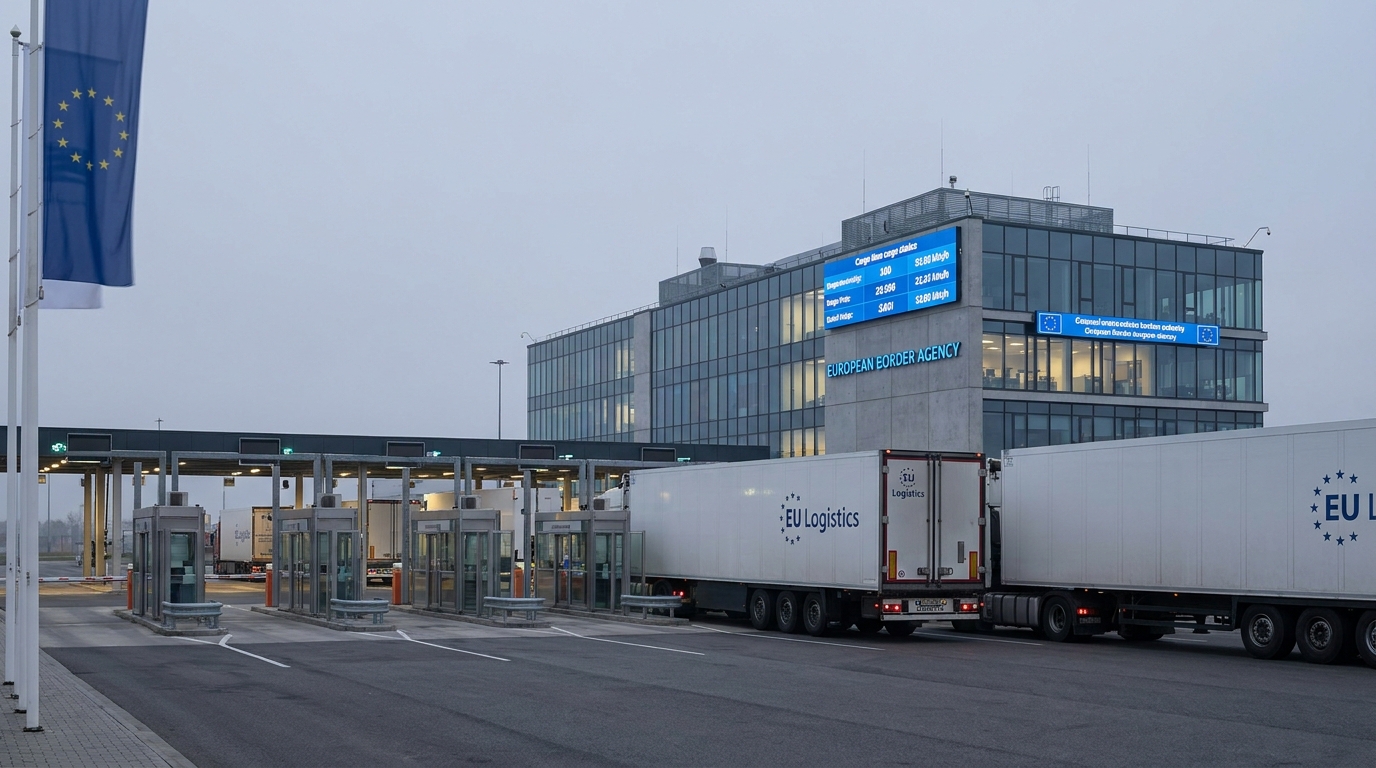
The new EU Customs Code 2026/2108: a revolution in the responsibility of importers and logistics companies from 2027
Regulation (EU) 2026/2108, published in 2026, is the biggest reform of EU customs law in over a decade. From 21 September 2027, importers will have to ensure that products comply with EU law at the customs clearance stage, rather than only after the goods have been placed on the market. The changes hit e-commerce platforms and customs agencies serving entities from outside the EU particularly hard, as the new code makes them fully liable as importers. Logistics companies that fail to adapt their compliance procedures and invest in the required certifications risk multimillion penalties and a complete halt of operations at EU borders.
Read more 
Bankruptcies to rise by 72% in September 2026 - an alarm for the TSL industry and its business partners
In September 2026, the number of declared bankruptcies in Poland rose by 72% compared with August, reaching 43 cases — the third-worst result in the current year. At the same time, 422 companies initiated restructuring proceedings, over 14% more than a year earlier. The MGBI report points to a deepening liquidity crisis, particularly severe for the transport, shipping and logistics industry, which is recording the highest level of debt and operational risk across the entire Polish SME sector. Risk managers should immediately intensify their monitoring of the receivables portfolio and consider additional financial safeguards.
Read more 
Phantom Carriers Are Attacking European Freight Exchanges. How Can You Protect Your Business from Identity Theft?
Organized crime groups are increasingly adept at impersonating legitimate transport companies on European freight exchanges, taking over valuable cargo and leaving multimillion losses in their wake. The phenomenon of “phantom carriers” generates not only direct financial losses, but also systemic payment bottlenecks and complex court cases. German law enforcement authorities and industry associations are calling for the immediate implementation of rigorous KYC counterparty verification procedures as the only effective defense.
Read more 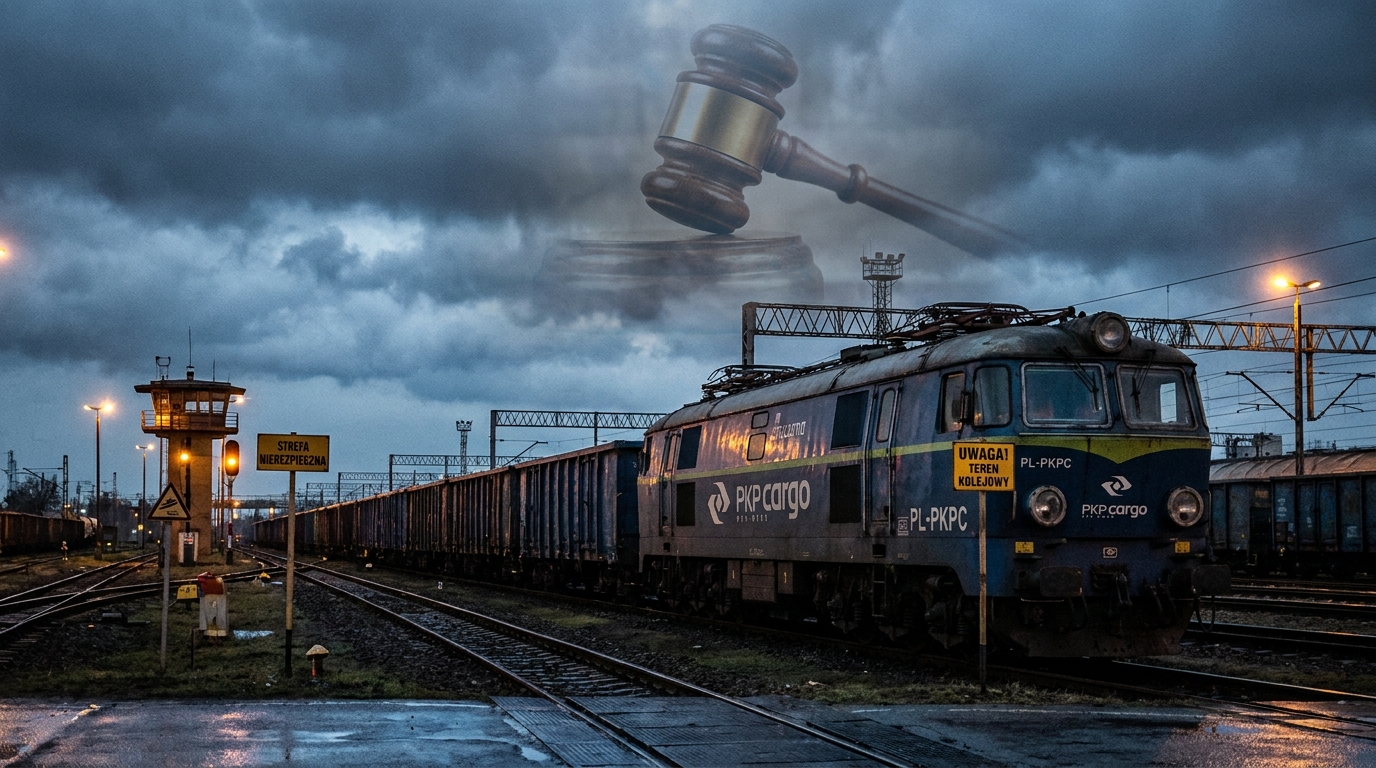
PKP Cargo under judicial management: what does this mean for your receivables and contracts?
The District Court for the capital city of Warsaw revoked PKP Cargo S.A.'s self-management rights and vested full control of the company in the appointed restructuring administrator. The decision is an unprecedented warning signal for all of the carrier's business partners, suppliers and customers, generating the highest level of operational and credit risk. Companies doing business with PKP Cargo should immediately audit their exposure, shorten payment terms and actively seek alternative logistics partners.
Read more 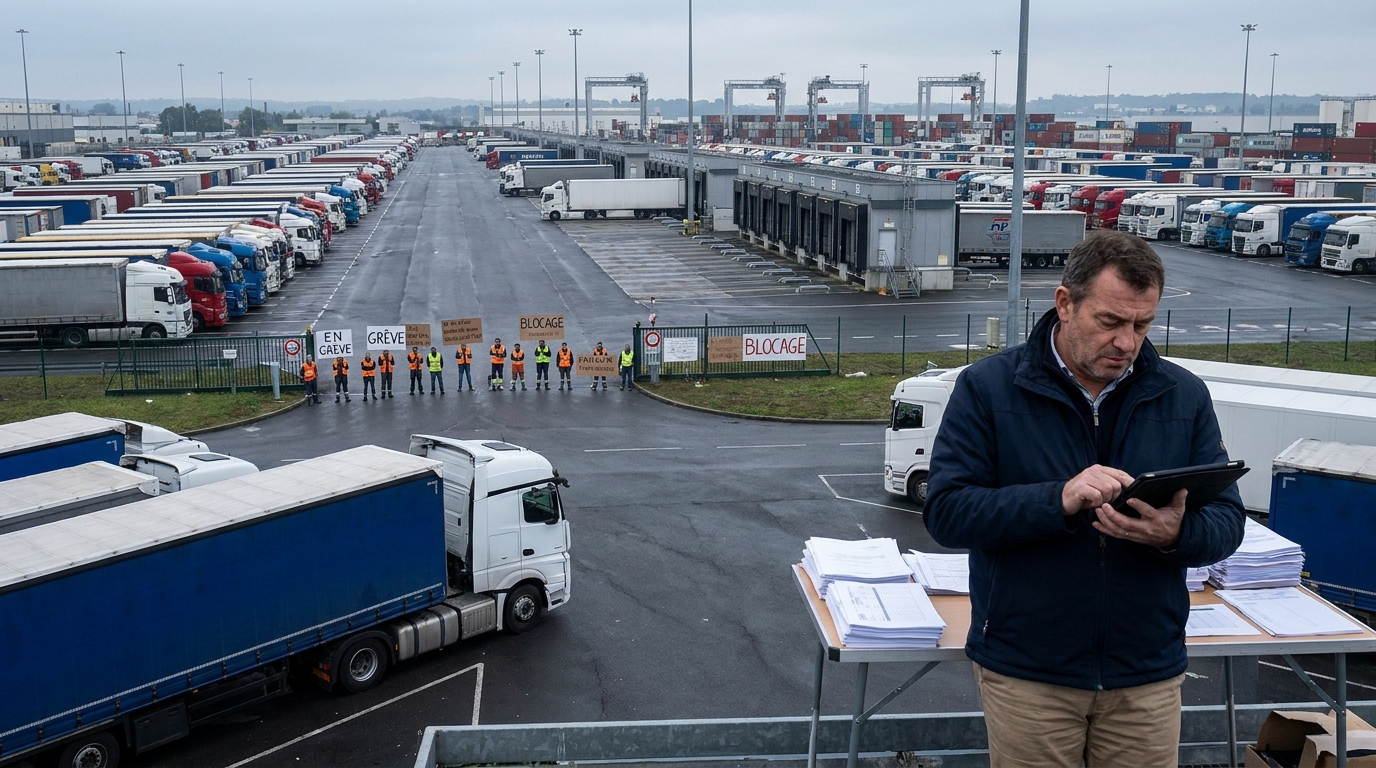
General strike in France on September 29, 2026: When "force majeure" does not protect the supplier from contractual penalties
A nationwide strike in France scheduled for 29 September 2026 threatens to paralyse European supply chains and trigger a wave of disputes over the force majeure clause. Legal experts warn that many suppliers will attempt to invoke force majeure without justification to avoid contractual penalties — however, French courts examine facts, not declarations. Logistics companies must act immediately: audit contracts, collect evidence and be prepared to arrange substitute performance at the expense of an unreliable partner.
Read more 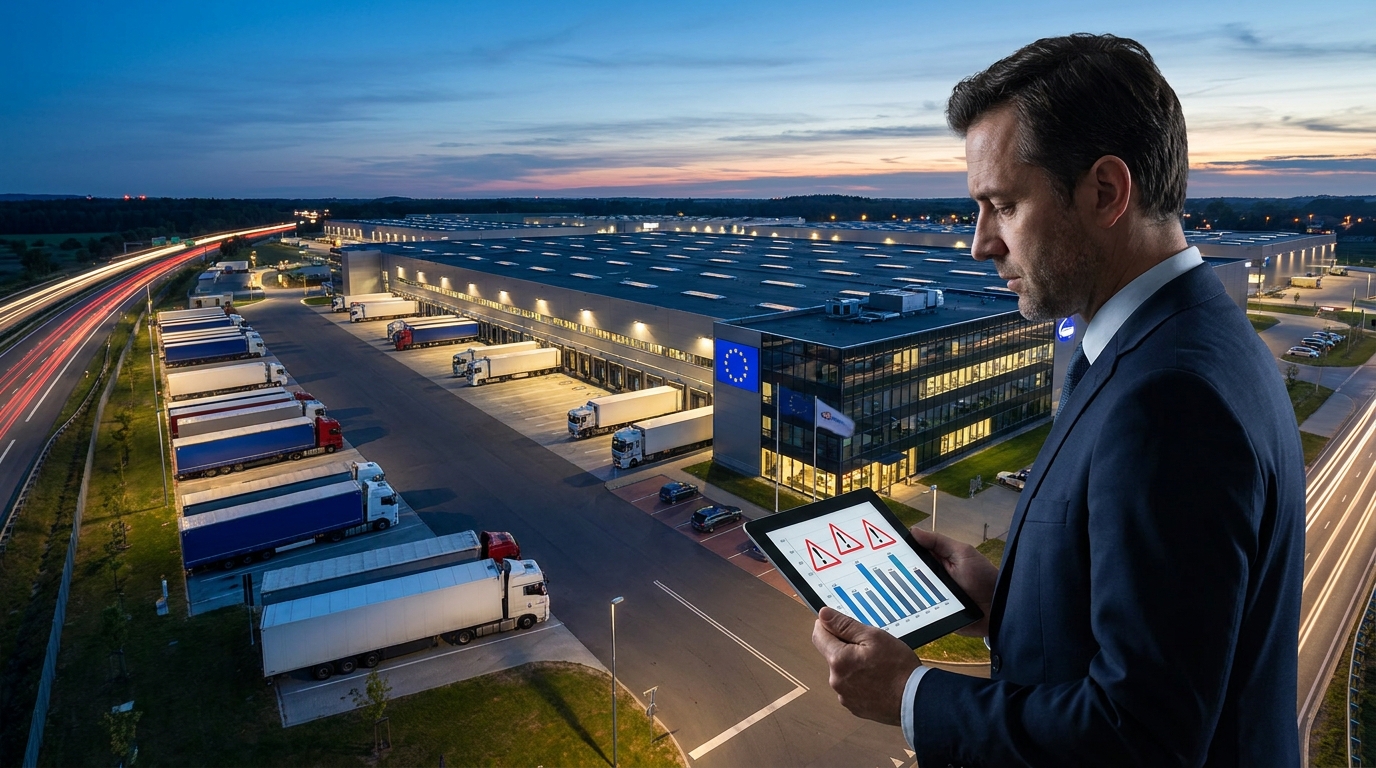
EU cracks down on late payers in logistics: automatic penalties and mandatory quarterly audits from 2026
In September 2026, the European Commission announced a package of strict regulations for the transport, shipping and logistics sector, introducing an absolute 30-day B2B payment deadline, an automatic financial penalties mechanism and mandatory quarterly financial audits of logistics operators. The new regulations address the late payment crisis, which threatens the liquidity of thousands of small and medium-sized carriers across the European Union. For risk managers, this is both a new tool for protecting receivables and a signal to thoroughly update counterparty verification procedures.
Read more 
AirBaltic Bankrupt? Latvian Carrier Files Chapter 11 - What Does This Mean for the Logistics Industry?
Latvian carrier airBaltic filed for creditor protection under Chapter 11 in New York on 14 September 2026, while securing EUR 350 million in DIP financing. The immediate cause of the crisis is a fuel shock triggered by an armed conflict involving Iran, which has led to an almost twofold increase in aviation fuel prices. For the logistics industry and cargo partners, this means an urgent need to assess exposure to counterparty risk and take steps to secure receivables.
Read more 
Silent restructuring without announcement - an invisible threat to transport and logistics companies
An increasing number of Polish companies are using a legally permitted form of restructuring without a public announcement, allowing them to negotiate with creditors without revealing the crisis to the rest of the market. This mechanism is particularly dangerous for the transport and logistics industry, where subcontracting chains are long and margins are low. Standard systems for verifying business partners are completely ineffective against this procedure, requiring risk managers to implement new methods of monitoring business partners.
Read more 
Deutsche Post officially becomes DHL: What does this change mean for your contracts and transport documentation?
Effective 1 September 2026, the largest German logistics operator officially changed its name from Deutsche Post AG to DHL Group, ending a long-standing mismatch between its corporate identity and global business profile. The Deutsche Post brand remains active solely as the name of the subsidiary responsible for domestic deliveries in Germany. For B2B companies and risk managers, the change means that ERP systems, KYC databases, transport documents and contracts must be updated urgently, although overall credit and systemic risk is assessed as low.
Read more 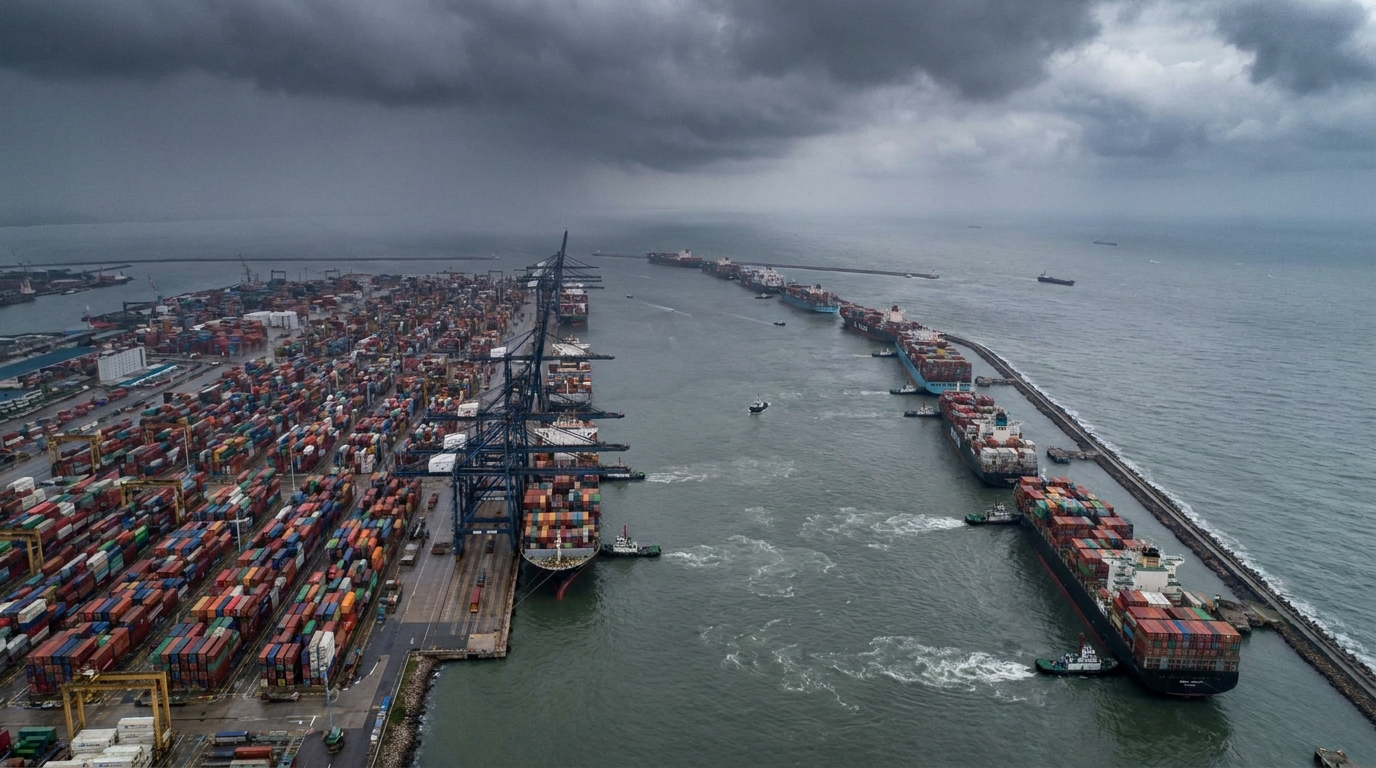
Container port congestion hits all-time highs with over 4,3 million TEUs out of circulation
Global congestion at container ports reached a historical record in August 2026 — vessels with a total capacity of more than 4.3 million TEU are waiting to enter ports, exceeding the peak of the COVID-19 pandemic. The effective loss of market capacity is equivalent to Evergreen's entire fleet, and schedule reliability has fallen to an alarming 60–65%. The situation poses a serious operational and cost risk to European supply chains ahead of the key autumn-winter season.
Read more