Europe is giving up on Russian gas

Unia Europejska ustaliła datę zakończenia importu gazu ziemnego z Rosji. Od 1 stycznia 2028 roku rosyjski gaz – zarówno w formie LNG, jak i dostarczany rurociągami – przestanie płynąć do państw członkowskich. Ministrowie energii państw UE uzgodnili szczegóły zakazu na spotkaniu w Luksemburgu, uznając tę decyzję za przełomową. Zakaz w […]
Europe is giving up on Russian gas
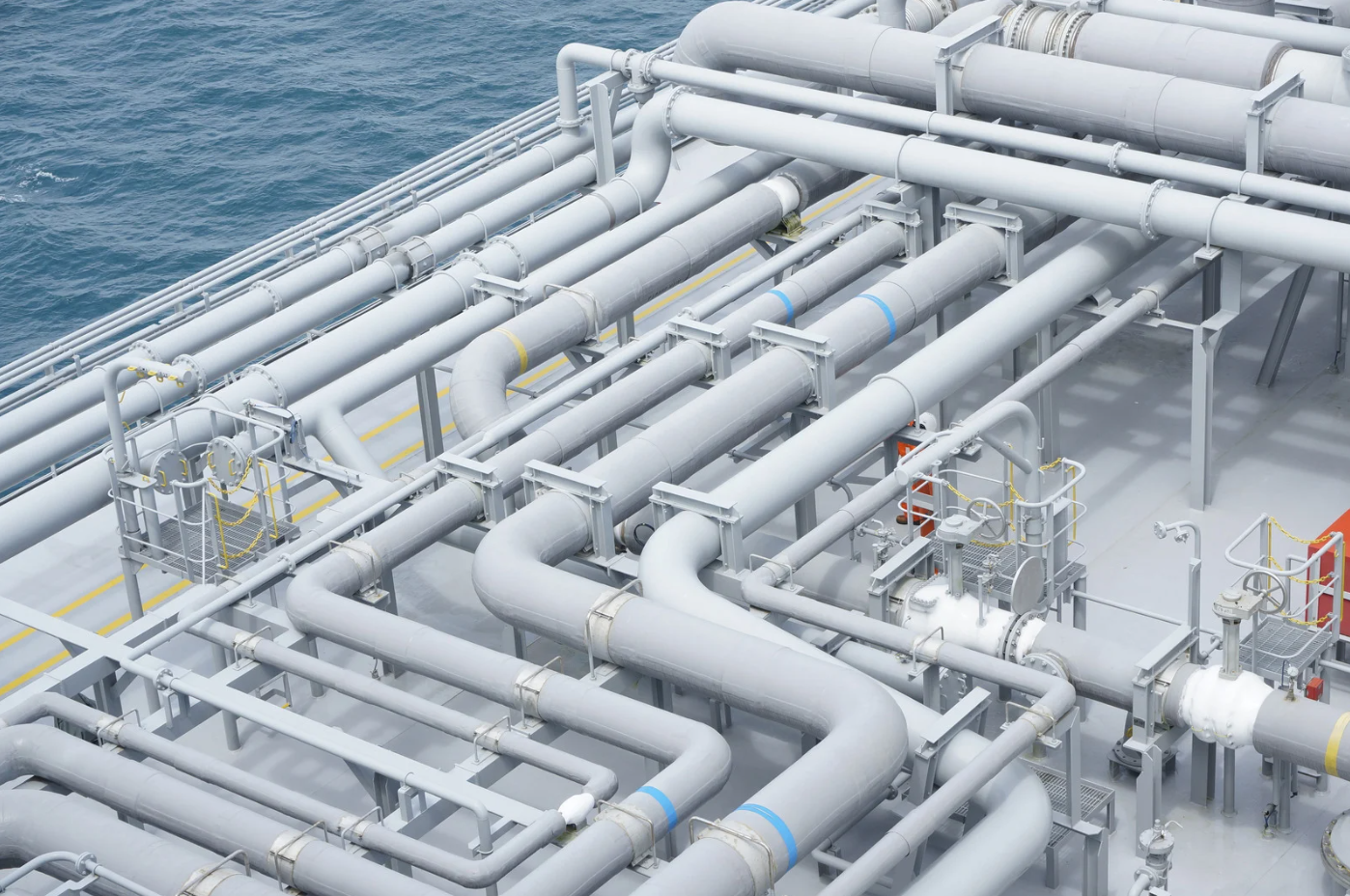
The European Union has set a date for ending natural gas imports from Russia. From January 1, 2028, Russian gas—both in the form of LNG and delivered via pipelines—will cease flowing to member states. EU energy ministers agreed on the details of the ban at a meeting in Luxembourg, hailing the decision as a breakthrough.

Ban in three stages
The ban will be implemented gradually. Initially, the possibility of concluding new contracts with Russian suppliers will be suspended. Short-term contracts will then be terminated. Finally, from the beginning of 2028, the implementation of long-term contracts for gas supplies from Russia will be terminated.

National energy transformation plans
By March 2026, all EU countries that have previously relied on Russian supplies will be required to present plans for transitioning to alternative energy sources. This involves not only securing new supply sources but also developing infrastructure enabling the storage and distribution of gas from other sources. Poland has already announced its intentions. A key element is the floating LNG terminal (FSRU) project, scheduled to be launched in the Baltic Sea in 2028. It is expected to enable an additional import of 6,1 billion cubic meters of gas per year. Simultaneously, Poland has offered 4,7 billion cubic meters of gas pipeline capacity southward, supporting neighboring countries in the process of transitioning away from Russian resources.

REPowerEU as a foundation for change
The entire project is part of the broader REPowerEU strategy – a European Commission initiative aimed at reducing dependence on Russian fossil fuels and accelerating the energy transition. Poland, holding the EU Council Presidency, has made energy independence a priority. Although work on the details of implementing the regulations is still ongoing, the political decision has already been made. For many countries, this will require significant investments and the transformation of existing infrastructure – especially where alternative sources of supply are limited.

Poland as a regional leader in energy security?
Experts predict that the withdrawal of Russian gas will stimulate the development of the LNG market, transmission networks, and renewable energy sources. At the same time, Central and Eastern European countries, such as Poland, can play a key role in the new balance of power, offering not only their own infrastructure but also support for their neighbors. The decision to permanently end gas imports from Russia ends an era in European energy policy and opens a new chapter, prioritizing independence, security, and sustainable development.

Eurodebt.eu

Check the company before you make a decision

Assess the credibility of a contractor or carrier. Use data that helps evaluate cooperation risk.

Search news

Eurodebt.eu

Check the company before you make a decision

Assess the credibility of a contractor or carrier. Use data that helps evaluate cooperation risk.

Share article

CATEGORIES

Latest entries