

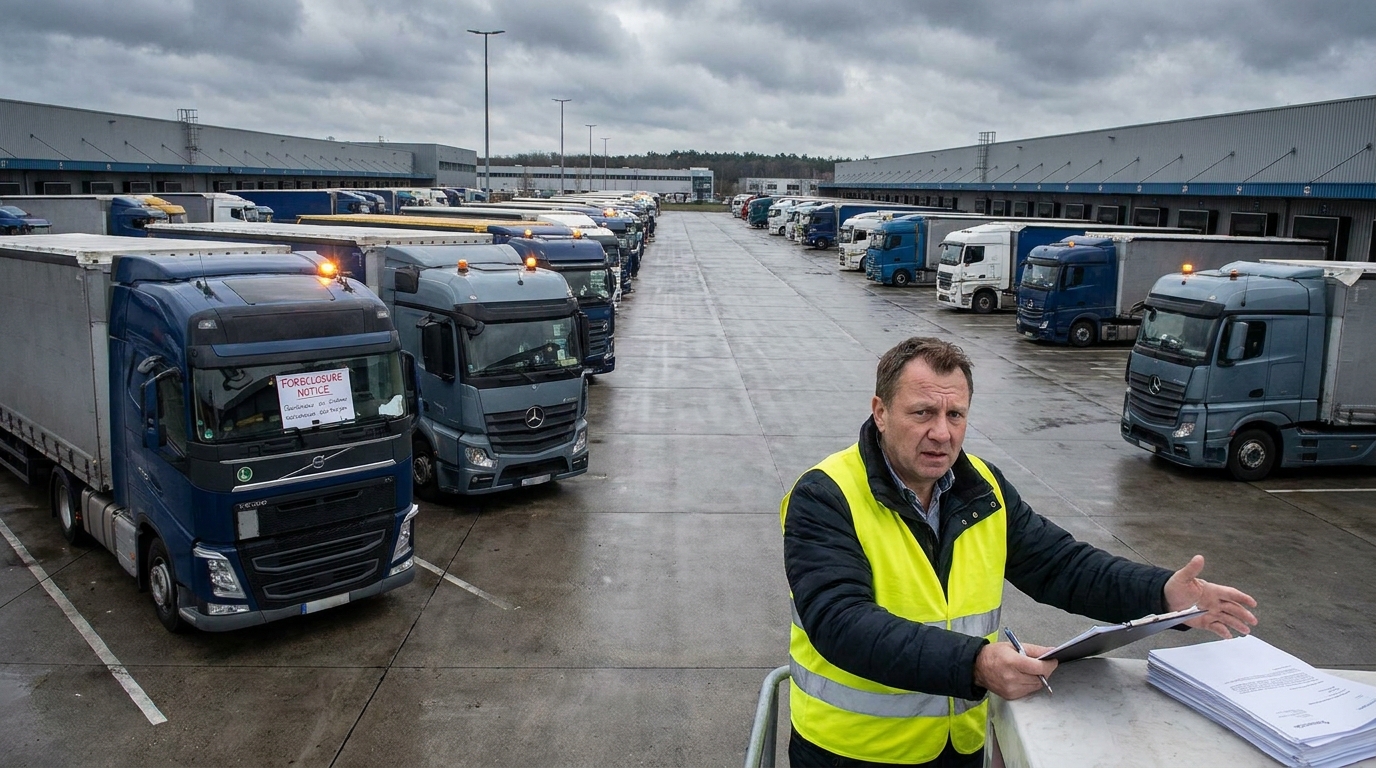
Wave of insolvencies in Germany: 25 900 bankruptcies annually through 2027 — the transport, shipping and logistics sector at the heart of the crisis
Allianz Trade forecasts that the number of corporate insolvencies in Germany will reach nearly 25,900 cases per year in 2026 and 2027 — the highest level since 2013. The transport and logistics sector is among the industries most at risk, posing a direct risk to European companies working with German carriers and operators. An improvement is not expected until 2028, requiring risk managers to immediately tighten their counterparty verification procedures.
Read more 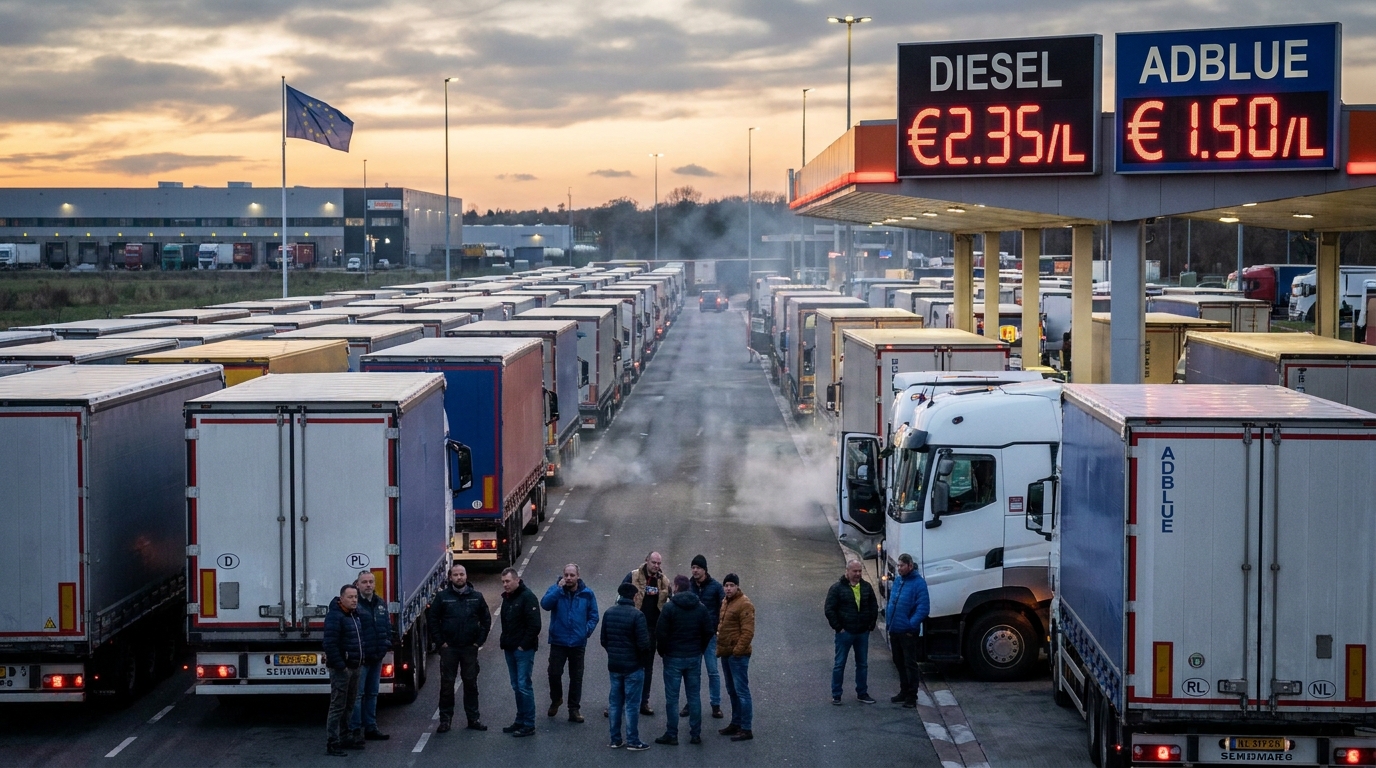
Fuel crisis in European transport: IRU demands 30-day limit on payments from EU and billions in support for carriers
The International Road Transport Union (IRU) has issued an urgent appeal to the European Commission regarding the crisis caused by the sharp rise in fuel prices, which threatens the liquidity of thousands of small and medium-sized transport companies in Europe. The organisation is calling, among other things, for the introduction of an EU regulation limiting payment terms to 30 days. With margins of 1–3% and mounting payment backlogs, the transport, shipping and logistics sector is becoming a sector at increased risk of insolvency — which should prompt all business partners to step up monitoring of their counterparties.
Read more 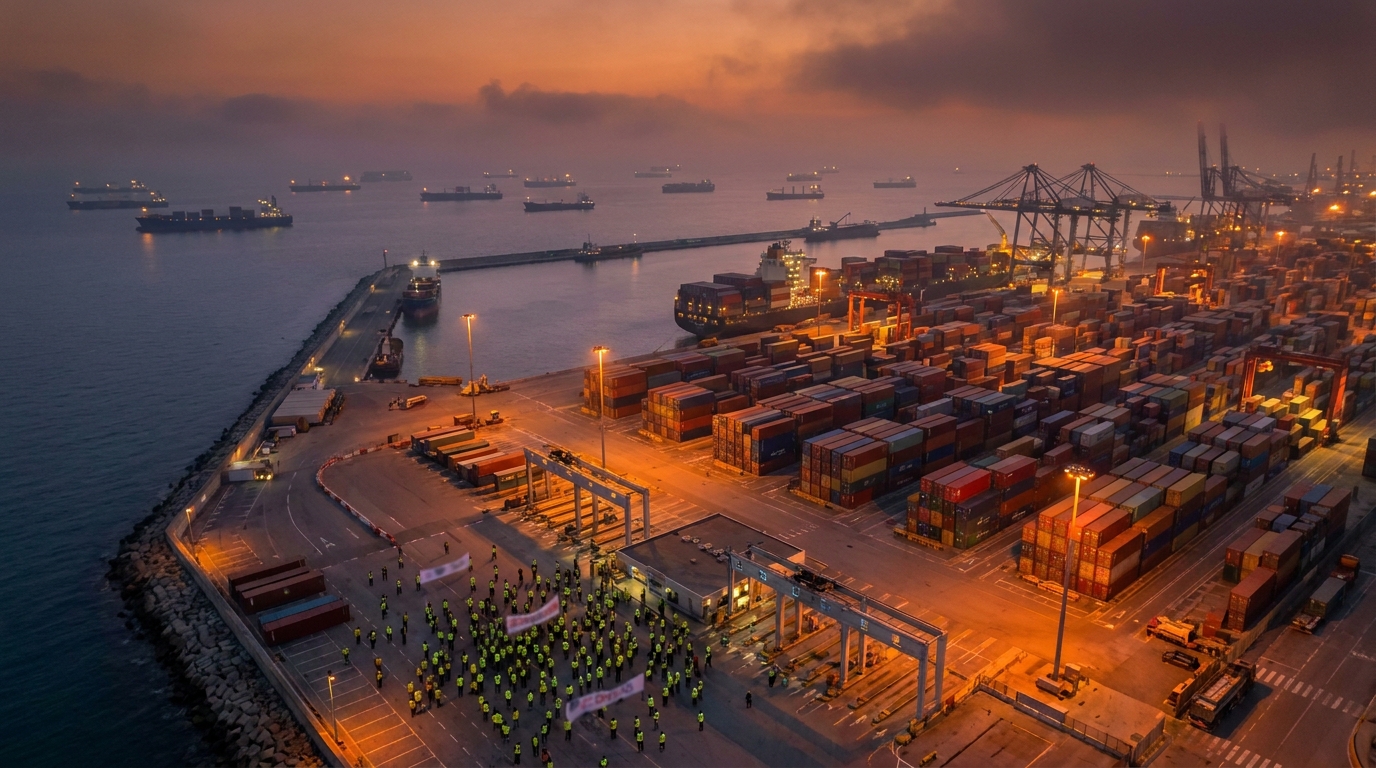
Strike in over 40 ports in Europe and the Mediterranean – a serious threat to supply chains in October 2026
On Friday 30 October 2026 a coordinated dockworkers’ strike under the slogan “Ports in Action” could paralyse more than 40 ports in Europe and the Mediterranean basin. Italy is the epicentre of the protests, where the strike will affect eight key terminals, including Genoa and Trieste — gateways to Central European markets. The disruptions could generate cascading financial effects for importers, freight forwarders and logistics companies for several weeks after the protest ends.
Read more 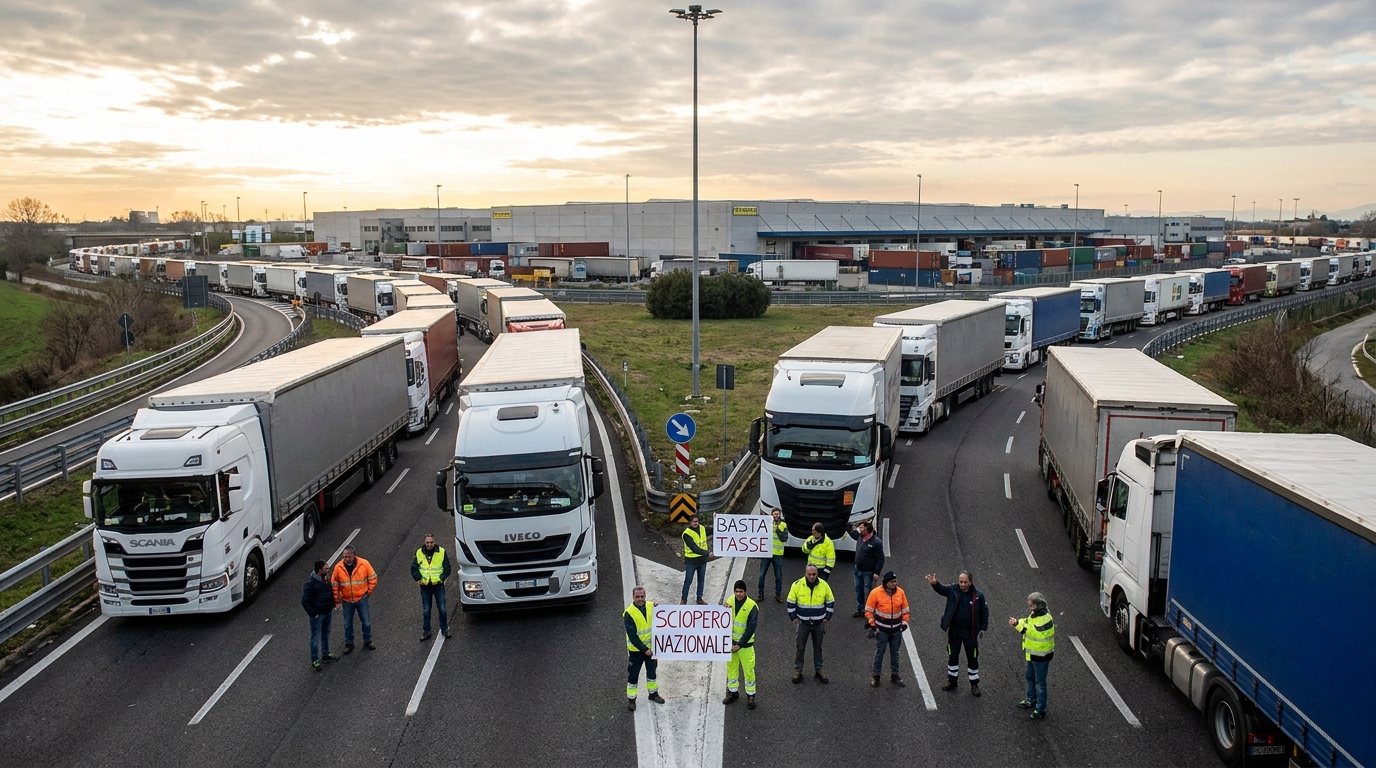
Italian truck drivers' strike paralyzes supply chains in Europe - operational crisis and financial risk for logistics companies
Mass protests by Italian truck drivers in October 2026 paralyzed key logistics hubs in southern Italy, including the strategic Interporto Sud Europa hub. The blockades led to serious disruptions in food supplies, spoilage of perishable goods and fuel shortages at gas stations. The crisis directly affects transport companies, importers and food producers linked to the Italian market across Europe, creating significant operational and financial risks.
Read more 
Nothegger Transport in a restructuring trap: €86 million in disputed debts and restructuring plan postponed until 2026
Austrian logistics giant Nothegger Transport Logistik GmbH is mired in a deep restructuring crisis — the court in Innsbruck has postponed the vote on the restructuring plan until November 2026. The reason is the gap between 86 million euros in registered claims and only 29.6 million accepted by the administrator, as well as a lack of funds for the first mandatory repayment instalment. For hundreds of European creditors, including Polish carriers and subcontractors, this means a long period of uncertainty and a real risk of recovering less than the promised 20 percent of their claims.
Read more 
EU cracks down on human trafficking: new strategy changes the rules of the game for transport and logistics companies
On 16 October 2026, the European Commission announced a new strategy to combat human trafficking, which directly targets the informal labour market in the transport and logistics sector. The strategy provides, among other things, for the establishment of a European business coalition, tighter labour inspections and a new system of sanctions enabling the freezing of assets of entities linked to labour exploitation. For transport, shipping and logistics companies, this means the need to immediately review subcontractor verification procedures and implement rigorous due diligence mechanisms throughout the supply chain.
Read more 
Digital paralysis of state registers: The Ministry of Justice shuts down the National Court Register, the National Register of Registers and the Land and Mortgage Register for over 60 hours - what does this mean for the TSL industry?
The Ministry of Justice has announced an unprecedented technical outage affecting 25 IT systems — including KRS, KRZ and the Electronic Land Register — from 16 to 19 October 2026. For the transport and logistics industry, this means a gap of over 60 hours in the ability to verify business partners, dramatically increasing the risk of operational fraud and erroneous credit decisions. Transport, shipping and logistics companies should conduct comprehensive due diligence by Thursday, 15 October, at the latest and consider internal embargoes on contracts with unverified entities.
Read more 
The wave of bankruptcies will not subside before 2027. Atradius report warns the transport industry
The latest Atradius Insolvency Outlook report forecasts a 5-percent increase in the global number of bankruptcies in 2026, and no lasting improvement should be expected before the second half of 2027. The European transport and logistics sector is particularly vulnerable — high energy costs, wage pressure and payment delays create an environment exceptionally conducive to cascading bankruptcies. Companies in the industry must immediately tighten their counterparty verification and credit limit review processes, with particular attention to partners from the United Kingdom and Romania.
Read more 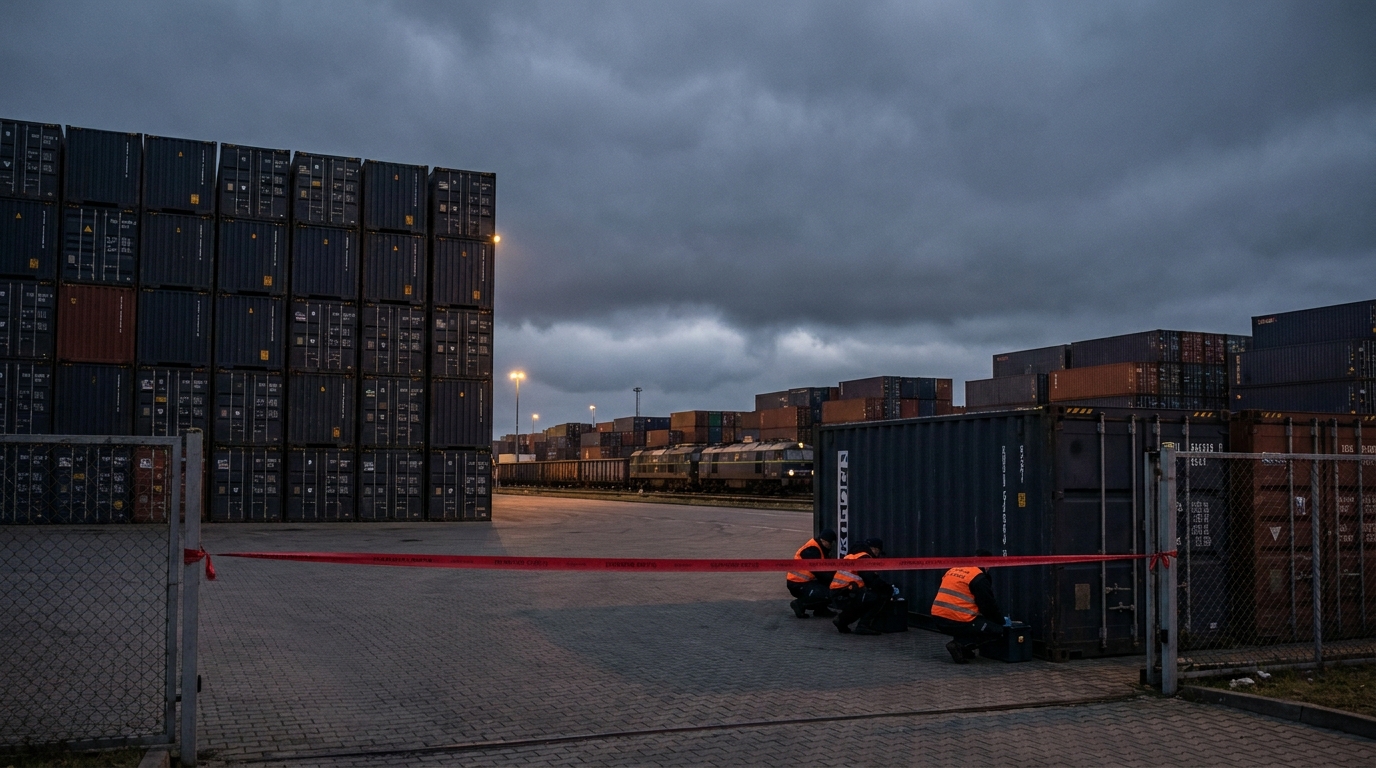
Joint and several customs debt is devastating Polish logistics. Customs agencies and carriers are on the brink of bankruptcy.
The National Revenue Administration is conducting large-scale enforcement proceedings against Polish customs agencies, freight forwarders and carriers, demanding repayment of multimillion customs debts arising from fraud committed by importers from China. The mechanism of joint and several liability allows tax authorities to shift the burden of obligations onto entities acting in good faith that had no knowledge of the crime. The failure to suspend enforcement during appeals threatens a wave of bankruptcies among key logistics operators and the paralysis of strategic transport corridors, including the terminal in Małaszewicze.
Read more 
One in five invoices paid late – payment morality crisis hits logistics in the DACH region
The latest Austrian Business Check report prepared by KSV1870 reveals that in the DACH region, one in five invoices is paid late — the average waiting time for B2B payments has increased to 29 days. The transport and logistics industry, operating with margins of just a few percent, is particularly exposed to cash flow instability and the risk of a chain of bankruptcies. Analysts recommend an immediate review of credit policy, more intensive verification of business partners and the implementation of receivables financing instruments.
Read more