The new EU Customs Code 2026/2108: a revolution in the responsibility of importers and logistics companies from 2027
Regulation (EU) 2026/2108, published in 2026, is the biggest reform of EU customs law in over a decade. From 21 September 2027, importers will have to ensure that products comply with EU law at the customs clearance stage, rather than only after the goods have been placed on the market. The changes hit e-commerce platforms and customs agencies serving entities from outside the EU particularly hard, as the new code makes them fully liable as importers. Logistics companies that fail to adapt their compliance procedures and invest in the required certifications risk multimillion penalties and a complete halt of operations at EU borders.
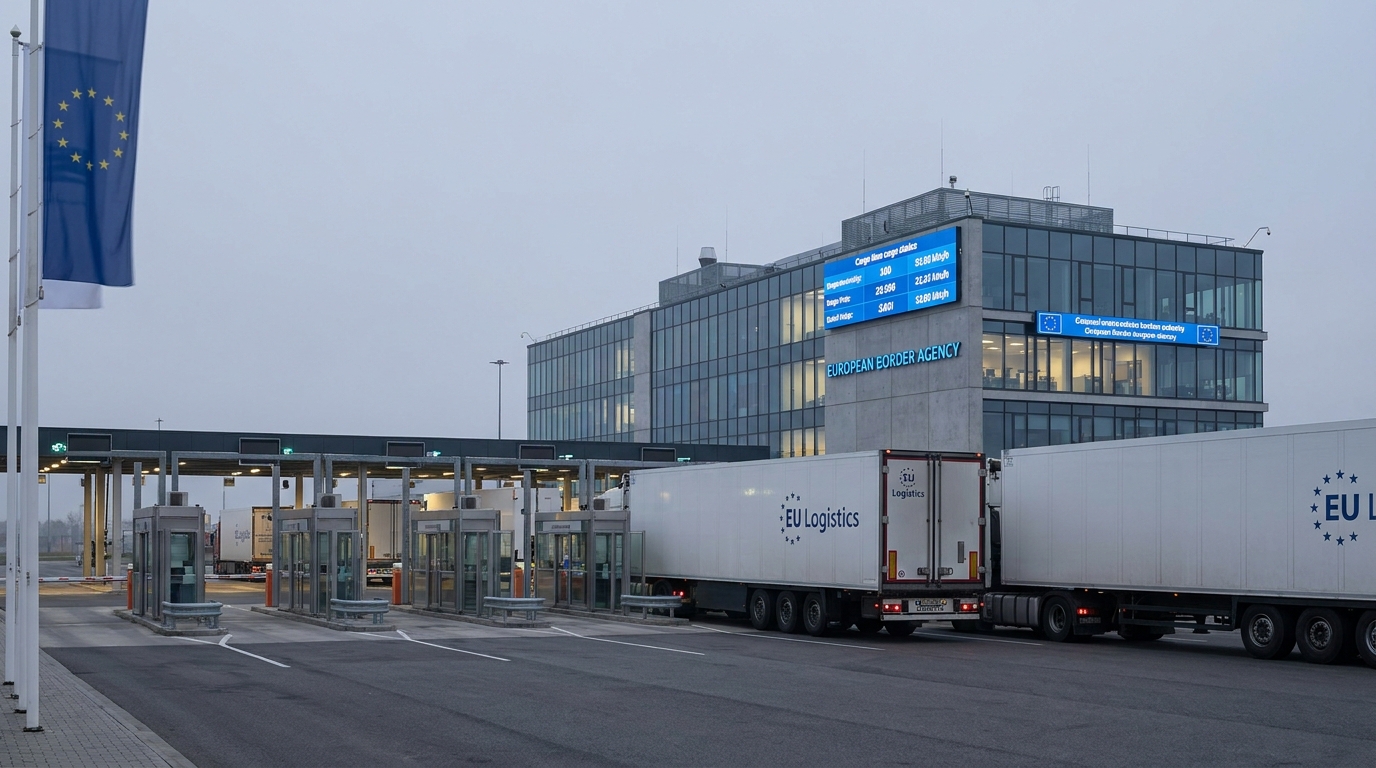
Regulation published on 19 September 2026 in the Official Journal of the European Union (EU) 2026/2108 is turning upside down the rules of the game in European foreign trade that have been in force for over a decade. The new EU Customs Code, which fully replaces the 2013 regulations, will become generally applicable from September 21, 2027 and is considered the largest customs reform in the history of the single market. For transport, logistics, and freight forwarding companies operating in Europe, this means one thing: the need to immediately audit their own procedures and prepare for fundamental changes in the way they handle imports of goods from outside the European Union.
From Tariffs to Product Compliance - Changing the Philosophy of Customs Clearance
For decades, European customs authorities have focused primarily on the fiscal aspects of imports: calculating duties, verifying customs value, and classifying goods. The new Customs Code radically broadens this perspective, placing border controls within the broader context of EU product safety and compliance law.
From the moment the reform comes into force, every importer bringing goods into the EU will be obliged to ensure their full compliance with the applicable EU directives and regulations – including, among others, GPSR Regulation on General Product Safety — already at the stage of submitting the customs declaration. This is a fundamental change: previously, the obligation to verify compliance generally arose when the goods entered the domestic market, not at the border.
What's more, the same the release of goods by the customs office will no longer constitute confirmation of their compliance with the lawCustoms authorities will gain the power to suspend clearance and refer the matter to national market surveillance authorities if doubts arise regarding product safety or the completeness of technical documentation. If the market surveillance authority does not respond within 5 working days, the goods will be automatically released. However, in cases requiring in-depth analysis, the suspension may last up to 90 days.
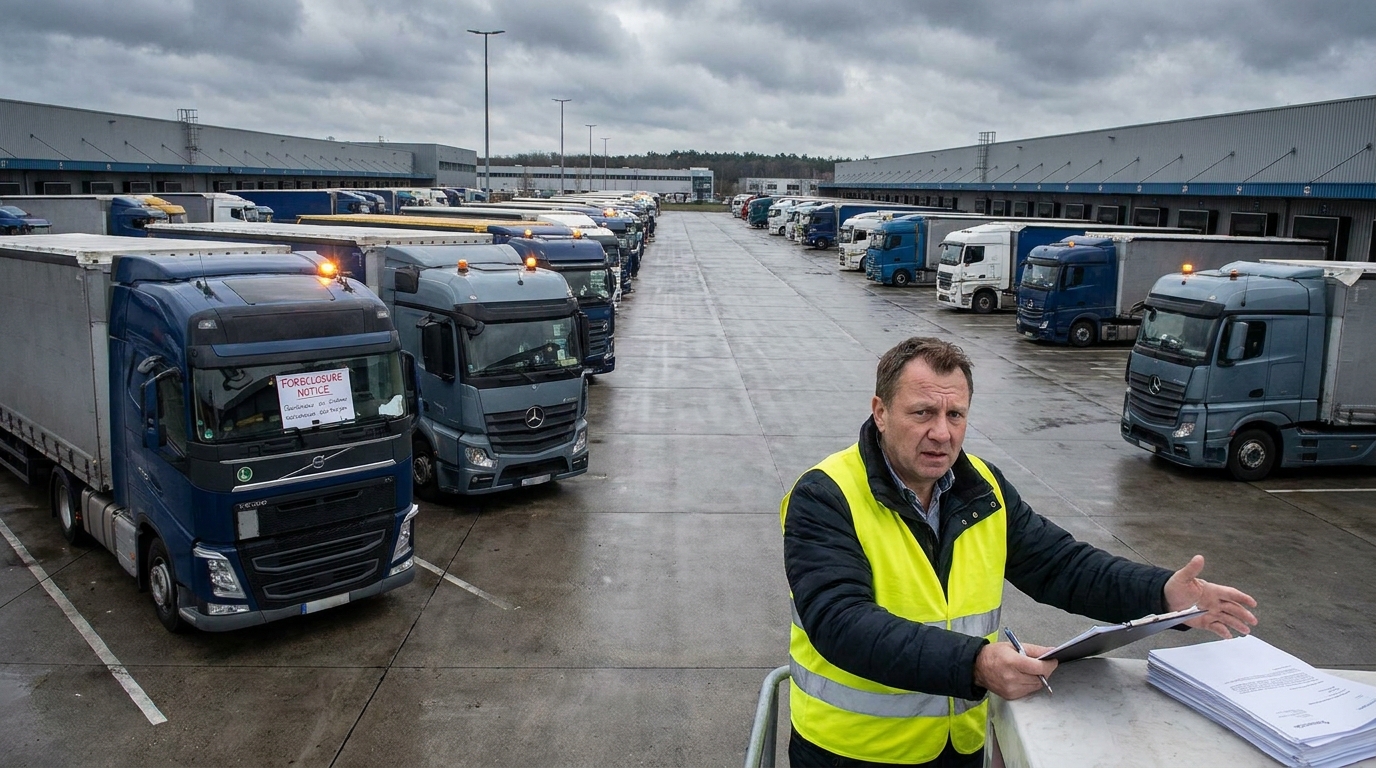
Key financial issue: all costs resulting from the detention of a shipment – transportation, storage, logistics, and in extreme cases disposal or destruction of non-conforming goods – are fully borne by the importer or holder of the goodsThe financial risk of a border blockade is no longer an abstraction and is becoming a real element of the business calculation of every import operation.
The e-commerce revolution: platforms as importers
No market segment will be hit as hard by the reform as e-commerce. The new Customs Code introduces a precise legal category. "importer for distance selling" (Ang. importer for distance sales), which definitively ends the current model in which customs responsibility de facto rested with the European consumer receiving the parcel.
From now on, the responsible entity automatically becomes the seller himself or the online platform intermediating the saleThis means that global marketplace platforms operating in the European market, regardless of their registered location, will be required to assume full legal and customs responsibility for every imported product. There is no room here for the current mechanisms of eschewing the issue and shifting the burden of control to the buyer.
Additionally, a fee will be charged for each e-commerce shipment. flat-rate, non-refundable "handling fee" (handling fees), the amount of which will be determined by the European Commission. This fee is intended to finance risk analysis and monitoring of actual goods flows. Combined with compliance costs, this will create a significant cost barrier for business models based on the mass import of cheap consumer goods from third countries, particularly from Asia.
Freight Forwarders and Customs Agencies: The End of Limited Liability
The reform has direct and very serious consequences for European forwarding companies and customs agencies, which for years have been developing business models based on a clear division of responsibilities between the client and the service provider.
The new Customs Code introduces a clear but demanding dualism in this matter:
- An indirect representative acting for an importer based in the EU — borne by the importer solidary responsibility for the compliance of imported goods. This means that the customs agency cannot plead ignorance of the product's non-compliance if it itself performed customs clearance.
- Representative acting for an entity not established in the EU — the situation is diametrically worse: the forwarder takes over full Customs and product liability assigned to the importer. In practice, this means that a Polish or German customs agency clearing goods on behalf of a Chinese e-commerce seller becomes the legal equivalent of the importer, with all the legal and financial consequences that this entails.
This change will force customs agencies a thorough review of the customer portfolio and contract terms. Many operators will have to decide whether they are willing to accept the risk associated with serving non-EU entities, especially in the e-commerce sector.
Moreover, to be able to provide cross-border e-commerce services at all, customs agencies will need to have the appropriate status – or a well-known status Authorized Economic Operator (AEO), or the new status introduced by the reform "Trust and Check"The lack of the required certificate will close the door to one of the most dynamically growing segments of the logistics market.
EU Customs Data Hub - one window for the entire EU
One of the most far-reaching elements of the reform is the establishment EU Customs Data Hub — a centralized, EU-wide customs data platform that will ultimately replace 27 separate national declaration systems. This ambitious digital infrastructure is planned to be built in stages:
- From July 1, 2028 — the platform becomes mandatory for the e-commerce sector, which is the first to be covered by a central reporting system.
- From March 2034 — full implementation for all importers and all categories of goods.
The importance of this solution cannot be overstated. The EU Customs Data Hub will provide customs and market surveillance authorities real-time access to data on the flow of goods at borders across the EUAdvanced risk analysis based on data from the platform will dramatically increase the effectiveness of detecting dangerous, counterfeit, and substandard goods. For entities that have previously relied on inconsistencies between the customs systems of different Member States, the new systemrodovisko marks the end of the existing gaps.
For logistics companies, implementing the platform means fully integrating their own IT systems with the EU Customs Data Hub. Companies that delay modernizing their digital infrastructure risk operational chaos when mandatory deadlines come into effect.
Trust and Check status – an award for the highest compliance standards
The reform is guided not only by the logic of sanctions, but also by the logic of rewarding the best entities. In addition to tightening regulations, the new Customs Code introduces elite status. "Trust and Check", addressed to companies that can demonstrate the highest procedural standards and a history of full reliability in relations with the customs administration.
Trust and Check status holders will receive privileges that are worth the price from an operational perspective:
- Possibility independent release of goods for circulation directly from own warehouses, without waiting for the decision of the customs office.
- The right to deferral of customs payments, which significantly improves financial liquidity in large-scale operations.
- Minimizing logistical bottlenecks thanks to simplified control procedures.
In the wedrodowhere the hours of goods detention at the border translate directly into financial losses and violations of delivery schedules, the "Trust and Check" status will become a real competitive advantageHowever, it is worth remembering that its loss – even as a consequence of the first systematic violation – occurs automatically and may exclude the company from the market for a significant period of time.
Penalty system: a real threat to company budgets
The new Customs Code introduces a strict, minimum framework of sanctions to be applied across all Member States. While the precise level of penalties remains the responsibility of national legislators, the EU range is clear and should be of serious concern to risk managers:
- First systematic violation: financial penalty in the amount of 1% to 4% the total value of goods imported by a given entity into the EU over the previous 12 months, plus automatic loss of AEO or "Trust and Check" status.
- Second violation: the penalty range increases to 3-6% value of goods from the last 12 months.
- Third violation (recidivism): in addition to a financial penalty of up to 6%, it is possible to impose 6-month ban on all customs clearances a given operator at the EU borders and technical restrictions on access to its internet interfaces within the Union.
It is worth emphasizing that the basis for calculating the penalty is total import value in the last 12 months, not the value of the specific disputed shipment. For large importers or e-commerce platforms with a volume of hundreds of millions of euros annually, even the lowest threshold of one percent can mean a sanction in the millions. A six-month suspension of customs clearance, however, is in practice a scenario of operational termination—impossible for most entities to survive without a fundamental restructuring of their operations.
Business Risk Perspective: What It Means for Your Business
Regulation (EU) 2026/2108 is not just a regulatory change; it signals a fundamental overhaul of business models and risk management processes across the entire supply chain. From the perspective of a risk manager in a transport or logistics company, the key takeaways are as follows:
- Verification of suppliers from third countries is becoming an operational priority. The lack of complete technical documentation on the part of the manufacturer or exporter is not only a commercial problem today, but also a potential basis for many months of operational paralysis.
- Customer contracts require review regarding risk allocation. The joint and several liability of the freight forwarder means that clauses excluding liability for product nonconformity may prove insufficient. It is necessary to precisely regulate the client's due diligence obligations.
- Investing in AEO and Trust and Check statuses is a strategic necessity. Without these certificates, access to the e-commerce segment will be legally impossible and the company's competitive position will be significantly weakened.
- Integration with the EU Customs Data Hub requires technology planning now. The 2028 deadline for e-commerce is closer than you might think. Companies that begin preparations early will avoid costly, time-pressured implementations.
- The policy of accepting orders from entities outside the EU requires redefinition. Full importer responsibility when dealing with non-EU based sellers must be reflected either in a higher risk valuation or in a selective approach to customer portfolios.
Summary
Regulation (EU) 2026/2108 is a milestone in the history of European customs law. The reform is not limited to technical procedural adjustments; it fundamentally restructures the logic of responsibility in the supply chain, shifting the burden of proof of product conformity to importers at the border, rather than after the goods are placed on the market. For the transport and logistics industry, this means a new reality in which Knowledge of product compliance documentation is as important as operational efficiency.
Companies that embrace the reform as a catalyst for process modernization, investment in certification, and digital integration with the EU data infrastructure have the opportunity to strengthen their market position. Those that ignore the upcoming changes risk not only severe financial penalties but also the technical impossibility of conducting import operations within the European Union. The deadline for the general application of the new regulations—September 21, 2027—is approaching faster than the time needed to implement comprehensive procedural changes. The time to act is now.