
200 Drivers Drafted to the Army? Polish Transport Faces an Unprecedented Staffing Crisis
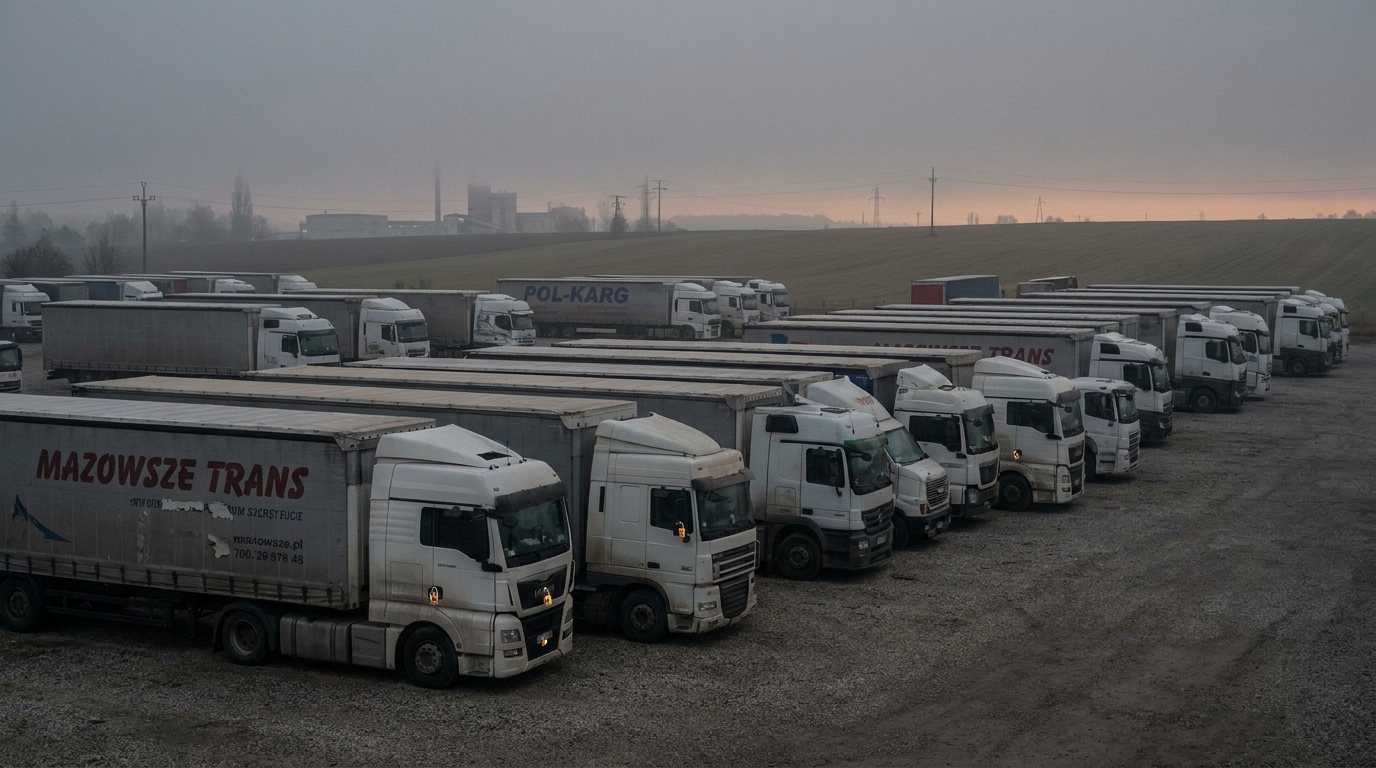
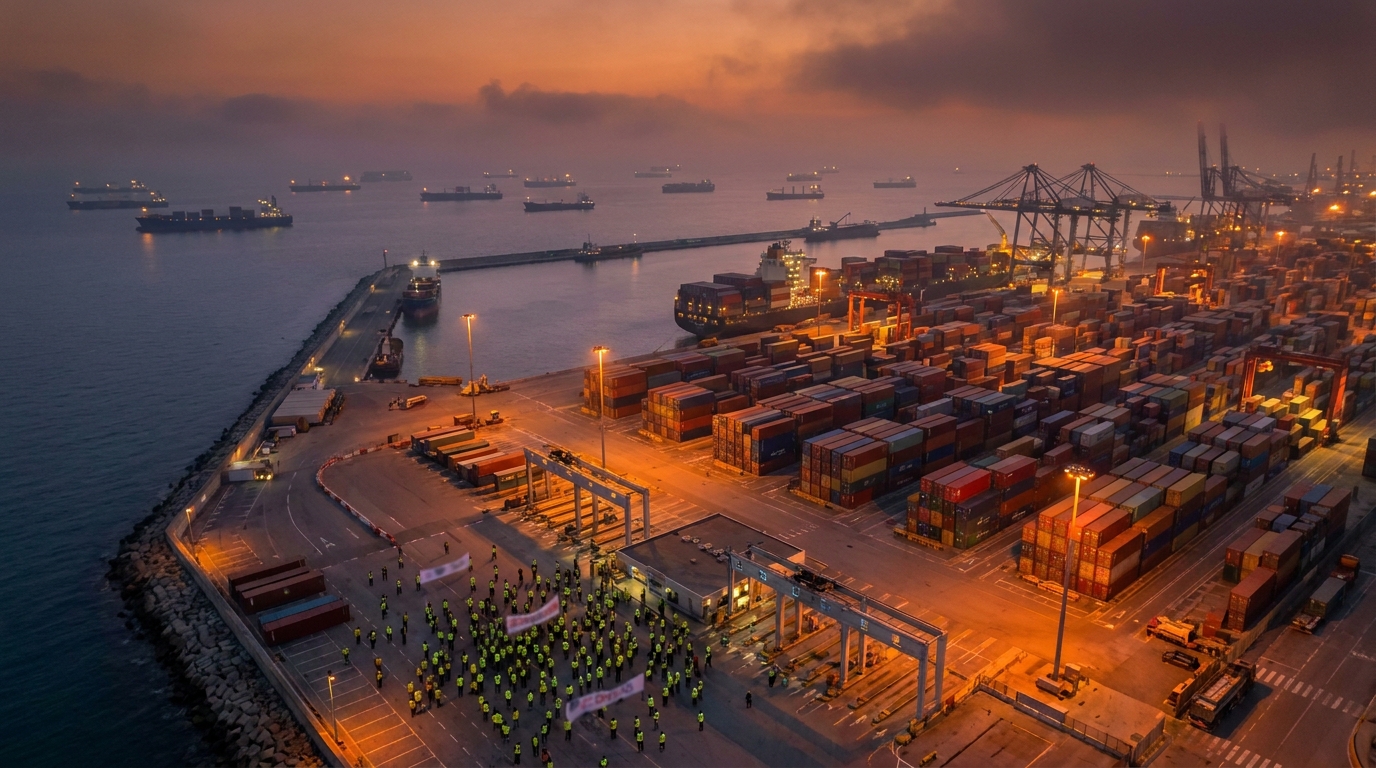
The Polish transport and logistics industry is facing a scenario that seemed unlikely just a few months ago. The Polish Army plans to conduct large-scale reservist training in 2026, encompassing up to 200 people from the so-called passive reserve. The armed forces are primarily focusing on professional drivers with category C and D licenses, the individuals who underpin the daily operations of tens of thousands of Polish transport companies. The industry is sounding the alarm, pointing to a lack of consultation, a lack of protective mechanisms, and a real risk of operational paralysis on a scale unseen in peacetime.
The Army is looking for logisticians. The goal is clear, but the method is debatable.
Ministry of DefencerodoThe Polish Army and its command justify plans for mass reservist exercises with the need to strengthen the army's logistical capabilities and mobility. In a dynamically changing worldrodoIn the security environment in Europe—given the ongoing war in the east of the continent and the rising defense spending of almost all NATO countries—the need to maintain the operational readiness of armed forces is absolutely understandable. No responsible analysis of the situation can question the very rationale for strengthening military reserve capabilities.
The problem, however, lies not in the goal, but in the method of its implementation. Among the specialists the military intends to call up for the exercises are not only category C and D drivers, but also mechanics, technicians, electrical engineers, logisticians, and freight forwarders. This is a nearly complete list of specializations without which the TSL (transport, forwarding, and logistics) sector cannot function normally. The exercises are expected to last from one day to over a month, with the most common timeframe being about a week. It may seem like a small amount, but as calculations by the entrepreneurs themselves show, even a few days of absence from several key employees at once can paralyze the operations of an entire company.
The transport job market - the vessels are already overflowing
To fully understand the gravity of the situation, it's important to consider the state in which the Polish transport industry enters this crisis. The TSL sector has been struggling with a chronic shortage of qualified professional drivers for many years. The process of training a category C or D driver is lengthy and expensive—it involves not only obtaining the appropriate driving licenses but also initial qualifications and mandatory periodic training. There is simply a shortage of ready-to-work specialists on the market who could quickly replace absent employees.
Transport companies today operate in a tight labor market, competing for candidates with Western European countries offering significantly higher wages. Many experienced drivers have already chosen to work abroad, and the average age of professionally active truck drivers in Poland is steadily rising. In this situation, the sudden and unconsulted withdrawal of tens of thousands—and potentially even hundreds of thousands—of experienced professionals from the market could prove disastrous.
What does this mean in practice for an individual company?
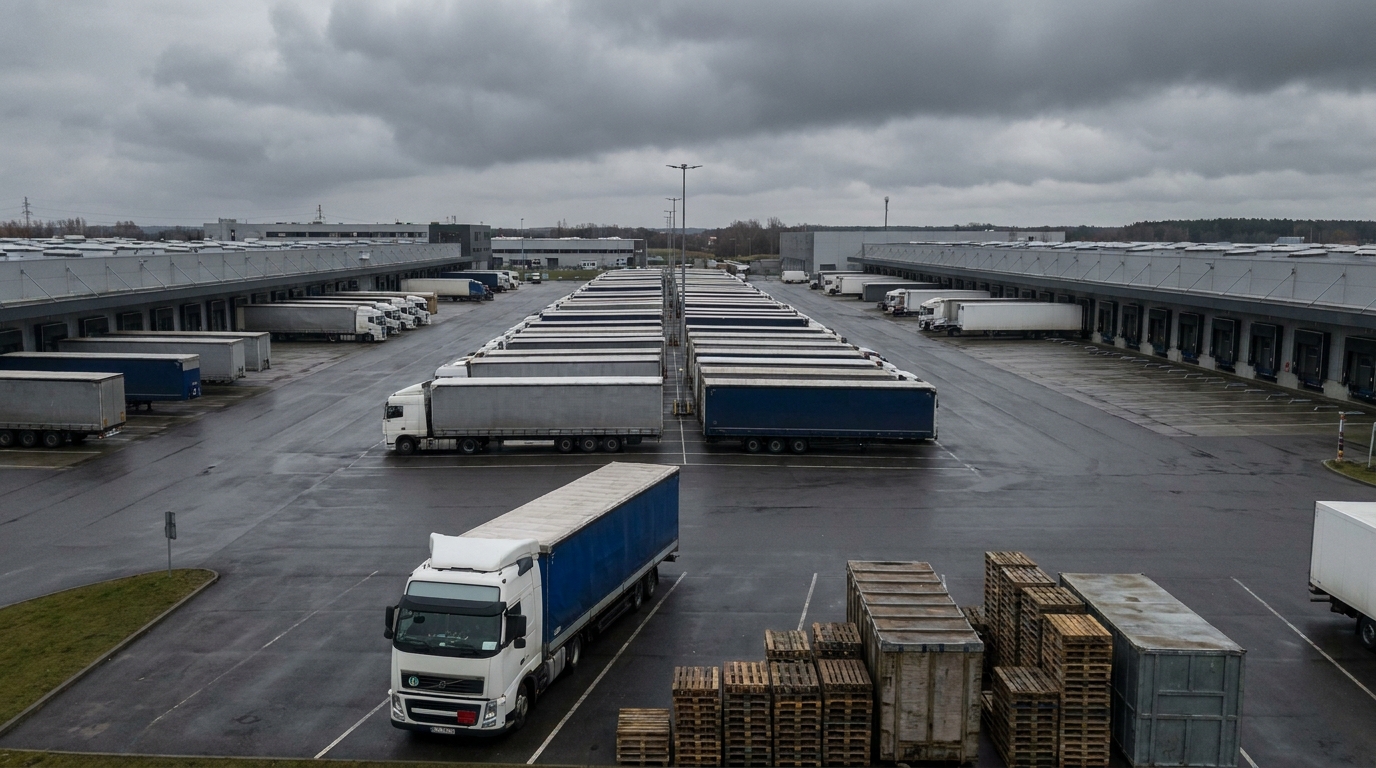
Imagine a small or medium-sized transport company with a fleet of a dozen or so trucks. In such a company, each driver is a key operational link. If two, three, or four employees are called up at the same time—and with mass training, such a scenario is entirely possible—the company loses a significant portion of its transport capacity overnight. An idle truck means not only lost revenue. It also means fixed costs that still need to be paid: leasing payments, insurance, and infrastructure costs.
In addition, there are contractual consequences. Forwarding and transport agreements typically include penalties for delays or failure to meet delivery deadlines. Force majeure related to an employee's military conscription may, but does not have to, be recognized by trading partners as grounds for exemption from liability—this depends on the specific contractual provisions and the contractor's good will. In practice, carriers risk litigation, the loss of long-standing contracts, and permanent damage to their reputation with business partners.
The regulations protect the employee. The company is left without protection.
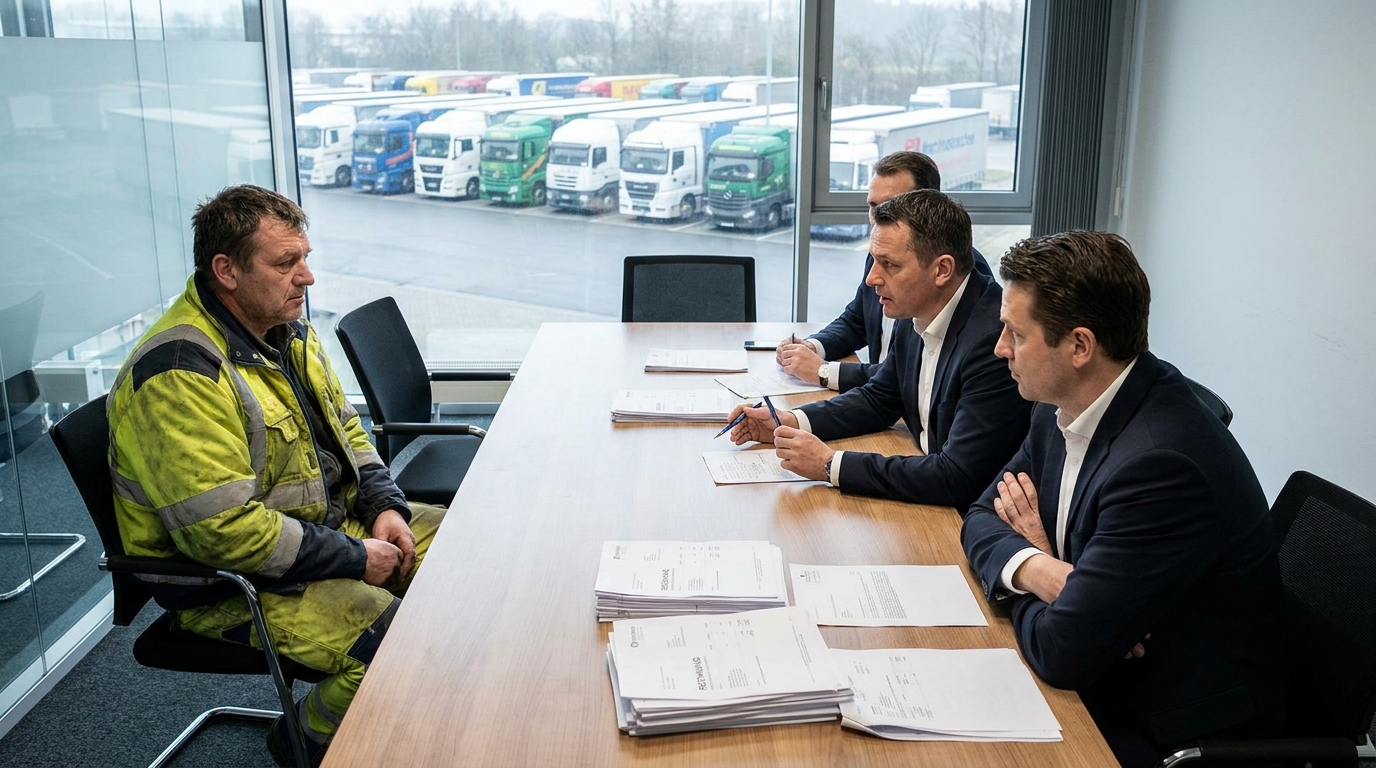
Dariusz Matulewicz, president of the West Pomeranian Road Carriers Association, clearly points out a glaring legal loophole that exacerbates the problem. Current regulations provide for financial compensation for employees called up for military exercises—they are guaranteed to retain their salary or an equivalent from public funds. This solution is fair and just to the reservist.
However, under current law, the employer—a transport company—has no systematic path to claim compensation for losses incurred due to the absence of an appointed employee. The entrepreneur must independently absorb all costs of downtime: lost revenue, contractual penalties, the costs of searching for replacement drivers (often ineffective and generating additional expenses), as well as losses resulting from disruptions in customer delivery schedules.
This systemic disregard for employer interests is a key criticism leveled by the TSL industry against military plans. Carrier organizations emphasize that without the introduction of compensation mechanisms for companies, the entire burden of achieving national defense goals is shifted onto private businesses—often small and medium-sized businesses operating on very low margins.
Supply chains under pressure – impacts extend beyond transportation
Road transport is not an isolated sector of the economy. It is a network of interconnected vessels, permeating almost every sector of economic activity. Logistics downtime and disruptions directly affect:
- Retail and e-commerce — delays in the delivery of goods to stores and logistics centers, problems with the fulfillment of online orders
- Automotive industry — suspension of component deliveries to factories, risk of production line downtime
- Food and FMCG industry — a threat to the supply of fresh and chilled products, where deadlines are particularly critical
- Construction and infrastructure — delays in the delivery of construction materials, suspension of work on public and private investments
- Chemical and pharmaceutical sector — disruptions in the supply of raw materials and finished products requiring special transport conditions
The side effects, however, could be even more profound. Industry reports indicate that the military plans to draft not only drivers but also mechanics and service technicians for training. This means that, in parallel with staffing shortages within transport companies themselves, the truck fleet service market will experience a serious shortage of personnel. A truck that breaks down during a training course may have to wait much longer for repairs than usual—because the workshop that could normally accommodate it within 24 hours will itself be struggling with a lack of mechanics. This multiplies disruptions at subsequent levels of the supply chain.
Voice of the industry: dialogue instead of unilateral decisions
Organisations representing Polish carriers – including regional associations and national industry federations – appeal to the government and the Ministry of DefencerodoThey are calling for an urgent dialogue. Their demands can be summarized in several key points:
- Consultations before, not after — transport companies should be involved in planning appointment schedules and not informed about them administratively
- Distribution of vocations in time and space — exercise schedules should take into account the operational capabilities of individual companies, avoiding the simultaneous appointment of many employees of the same company
- Systemic compensation for employers — it is necessary to create a fund or mechanism for reimbursement of losses incurred by companies due to the absence of appointed employees
- Force majeure clause in contractual relations — legal regulation of the situation in which the failure to perform the contract results directly from the employee's call-up to military exercises
- Advance notice — companies should receive information about planned appointments well in advance to be able to prepare contingency plans
The industry emphasizes that it does not oppose the very idea of training reservists—it understands the country's defense needs and declares its willingness to cooperate. However, it demands that this cooperation be based on partnership, not one-sided, and that the costs of achieving defense goals be shared equitably between the state and businesses.
Risk Perspective: Who is most at risk?
From a business risk management perspective, the potential impact of mass reservist call-ups in the TSL sector varies in intensity depending on the company's profile and size. The analysis highlights several categories of entities particularly vulnerable to serious difficulties:
Small transport companies (2–15 vehicles)
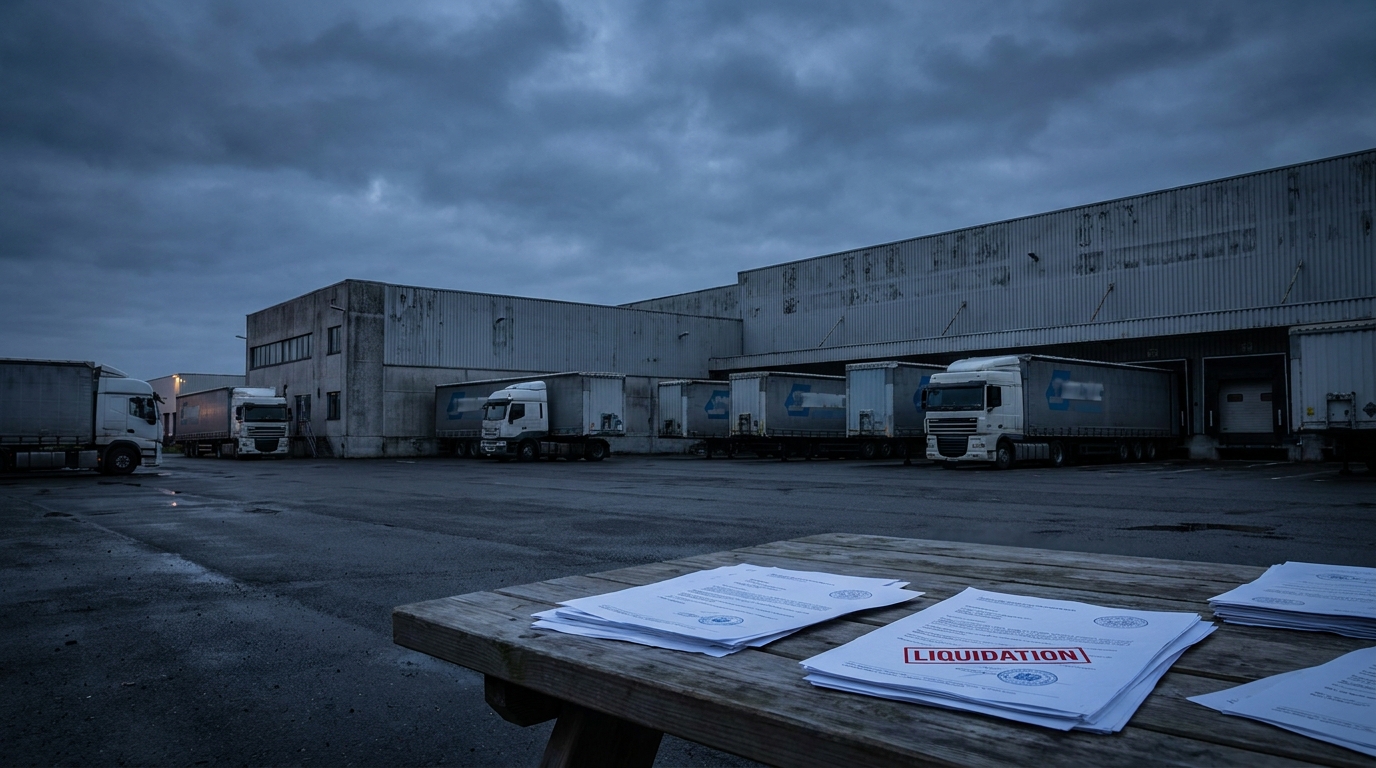
This is by far the most vulnerable group. Small businesses often lack the capital reserves to survive a multi-week downtime. Their client portfolios are typically concentrated, meaning the loss of even a single key contract can derail their entire operations. A lack of financial liquidity can quickly escalate into insolvency. For this group, the risk of bankruptcy is real and serious.
Companies with a specialized profile
Carriers serving niche markets—hazardous materials transport, high-value cargo, and refrigerated logistics—employ highly specialized drivers who are difficult to replace, even for short periods. Losing such a driver not only immobilizes the vehicle but can completely disrupt the contract, as regulations strictly regulate who can transport which type of cargo.
Companies with a high concentration of reservist workers
Companies that naturally employ a large percentage of drivers from age groups covered by the military reserve (typically 18–55, with the military having specific preferences for specialist categories) are vulnerable to a disproportionately large number of employees being called up simultaneously. Without knowing how many of their drivers are actually registered in the military reserve database and will be called up, companies cannot reliably assess their risk.
Subcontractors of large logistics operators
A multi-tiered service contracting structure is common in Polish transport. Large logistics operators handle a significant portion of their transport through a network of subcontractors. If a subcontractor fails to complete an order due to a driver shortage, the subcontractor assumes the losses and contractual liability, but the reputational risk ripples throughout the entire chain. Large operators that have not diversified their subcontractor base may unexpectedly find themselves in a difficult operational situation.
What should entrepreneurs do now?
Regardless of how negotiations between the industry and the Ministry of Defense unfold, transportation company managers should take preparatory steps now to limit their risk exposure. Key steps include:
- Personnel audit — verification of how many of the employed employees have category C and D qualifications and are potentially subject to compulsory military exercises
- Revision of customer contracts — checking whether the contract provisions contain appropriate force majeure clauses and how liability for delays resulting from external factors is defined
- Insurance policy review — determining whether the insurance coverage covers losses resulting from staff shortages in emergency situations
- Building a network of cooperation with other carriers — creating informal alliances enabling mutual staff support in crisis situations
- Dialogue with financial institutions — securing access to credit lines or other bridge financing instruments in advance in the event of temporary liquidity problems
- Active participation in the structures of industry organizations — only a common voice of carriers has a chance to lead to real legislative and procedural changes
The year 2026 is a test for Polish logistics and the state's ability to manage the crisis.
The situation described is, in a sense, a litmus test for the Polish state's institutional maturity in managing the tensions between security requirements and economic needs. Other NATO countries—Germany, France, and Scandinavian countries—have in the past developed mechanisms that allow for reservist training without simultaneously compromising the civilian sector's production and logistical capabilities. The key is always months of advance planning, detailed consultations with employer representatives, and precise burden-sharing so that no industry or company becomes an unwitting victim of defense policy.
In Poland, these mechanisms urgently require development or ad hoc adaptation to current needs. Time is of the essence—2026 is fast approaching, and each month without concrete decisions means another month of uncertainty for thousands of entrepreneurs who cannot rationally plan their operations or secure contracts, not knowing how many employees will be temporarily laid off and when.
The transport industry is not asking for its employees to be released from their obligations to the country. It is simply asking that the fulfillment of these obligations not automatically mean the bankruptcy of the companies that enable their employees to fulfill them. This is a demand of common sense, not sectoral selfishness, and as such, deserves an urgent response from the government.
Summary: Business Risk Perspective
For risk managers and business owners in the TSL industry, as well as for entrepreneurs using transport services, the conclusion is clear: the risk of operational disruptions in Polish road transport in 2026 should be treated as real and requires proactive management actions. The scale of planned military conscription, superimposed on the already tense staffing situation in the sector, creates a combination of factors that could result in massive delivery delays, increased freight rates resulting from limited service supply, and, in the worst-case scenario, a wave of insolvencies among smaller carriers.
In the coming months, entities verifying the credibility of trading partners should pay particular attention to the financial condition of transport companies—especially small and medium-sized ones—and update their risk assessments. TSL industry contractors should consider diversifying their logistics service provider base and reviewing their contractual security. Preparing for this scenario today could prove crucial for operational continuity in 2026.