
20. EU Sanctions Package against Russia: What do transport and logistics companies need to know?
On April 23, 2026, the Council of the European Union officially adopted the twentieth consecutive package of sanctions against the Russian Federation. This groundbreaking move not only tightens the existing restrictive regime but also introduces a number of new legal instruments with immediate and far-reaching consequences for European transport, logistics, and trade companies. For an industry that has been grappling with an increasingly complex regulatory environment for over four years, the new regulations represent a new level of due diligence and counterparty risk management requirements.
Record list of sanctioned ships and the end of illusions about the "shadow fleet"
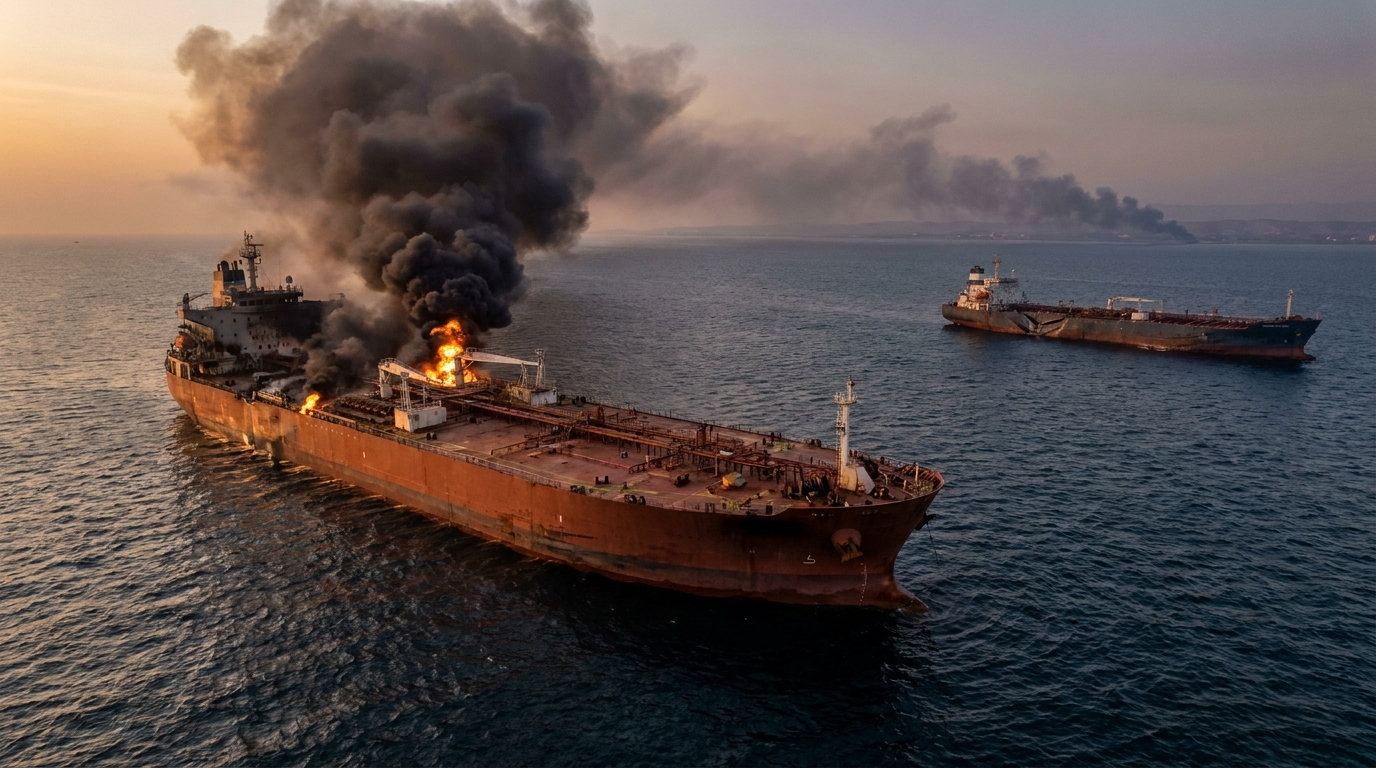
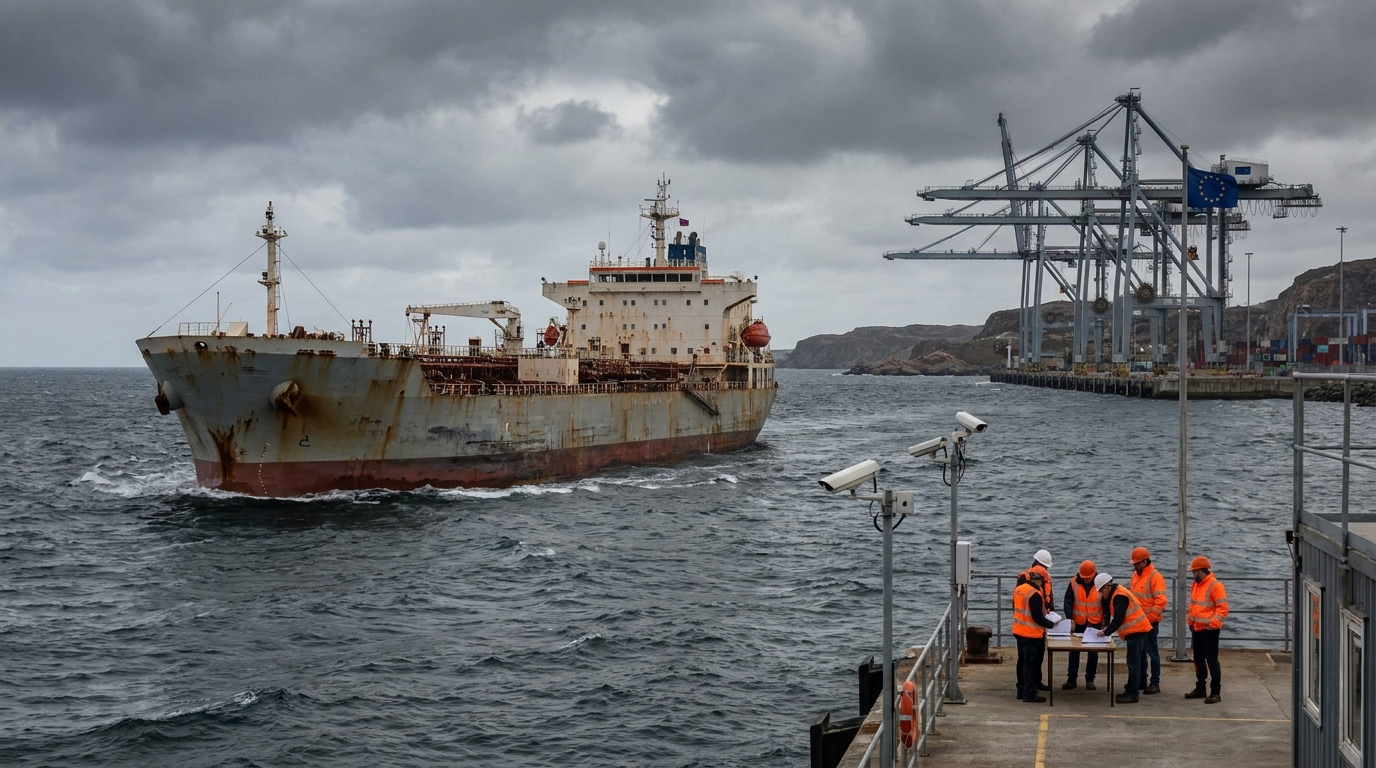
One of the most significant elements of the 20th package is the drastic expansion of the list of vessels included in the so-called shadow fleet – a network of vessels operating outside the conventional insurance and regulatory system, used by Russia to bypass restrictions on oil exports. More vessels have been added to the EU's blacklist. 46 units, which brings the total number of banned ships to an impressive number 632.
Each of these vessels is strictly prohibited from entering European Union ports and using any shipping services offered by EU entities. For ports, maritime agents, bunker companies, and providers of mooring and pilotage services, this means daily verification of the vessels they serve against a constantly updated sanctions list. Failure to do so can result in serious administrative penalties and criminal liability.
Equally important from a practical perspective, the European Commission did not limit itself to merely expanding the list of vessels. The package introduces mandatory due diligence procedures for European operators in all tanker sales or transfers. Such transactions must now be secured by contractual clauses that explicitly prohibit the buyer from reselling the vessel to Russian or Russian-affiliated entities. This measure is intended to close a loophole that has led to European tankers ending up in the shadow fleet after being sold through intermediaries.
New Port Sanctions: From Murmansk to Indonesia
The 20th package goes a step further by imposing sanctions on port infrastructure crucial to oil trade in violation of price limits. Russian ports have been added to the list of sanctioned infrastructure entities. Murmansk i Tuapse — nodes of strategic importance for the export of Russian energy resources. However, the real novelty is the imposition of sanctions for the first time in history, a port located in a third country — Indonesia's Karimun Oil Terminal.
This decision clearly signals that the European Union is ready to expand the geographic reach of its sanctions regime beyond the borders of its traditional allies and the regions directly involved in the conflict. For logistics companies operating in Southeast Asia and using Indonesian transshipment infrastructure, this is a wake-up call: careful analysis is needed to ensure that their supply chains don't pass through hubs linked to Russian raw material exports.
The sanctions also directly affected the largest players in the Russian energy and fleet sectors, including entities such as Rosneft, Lukoil, Slavneft, Rosnefteflot and Gazprom FlotAny European company that has had or is planning to have any commercial relationship with these entities or their subsidiaries should immediately subject those relationships to a thorough legal review.
Breakthrough: Anti-circumvention mechanism for Kyrgyzstan
One of the most unprecedented elements of the 20th sanctions package is activation of the anti-circumvention tool against Kyrgyzstan — for the first time in the history of EU sanctions, this measure was applied against a third country. This means that the European Union has officially recognized Kyrgyzstan as a systematic transit hub for goods subject to export bans reaching Russia.
In practice, this mechanism prohibits the export of metalworking centers and advanced telecommunications equipment to Kyrgyzstan. EU exporters of these goods must now exercise particular caution, verifying not only the direct purchaser but also the subsequent distribution chain. Kyrgyzstan thus joins the ranks of countries for which European exporters must apply enhanced end-user checks.
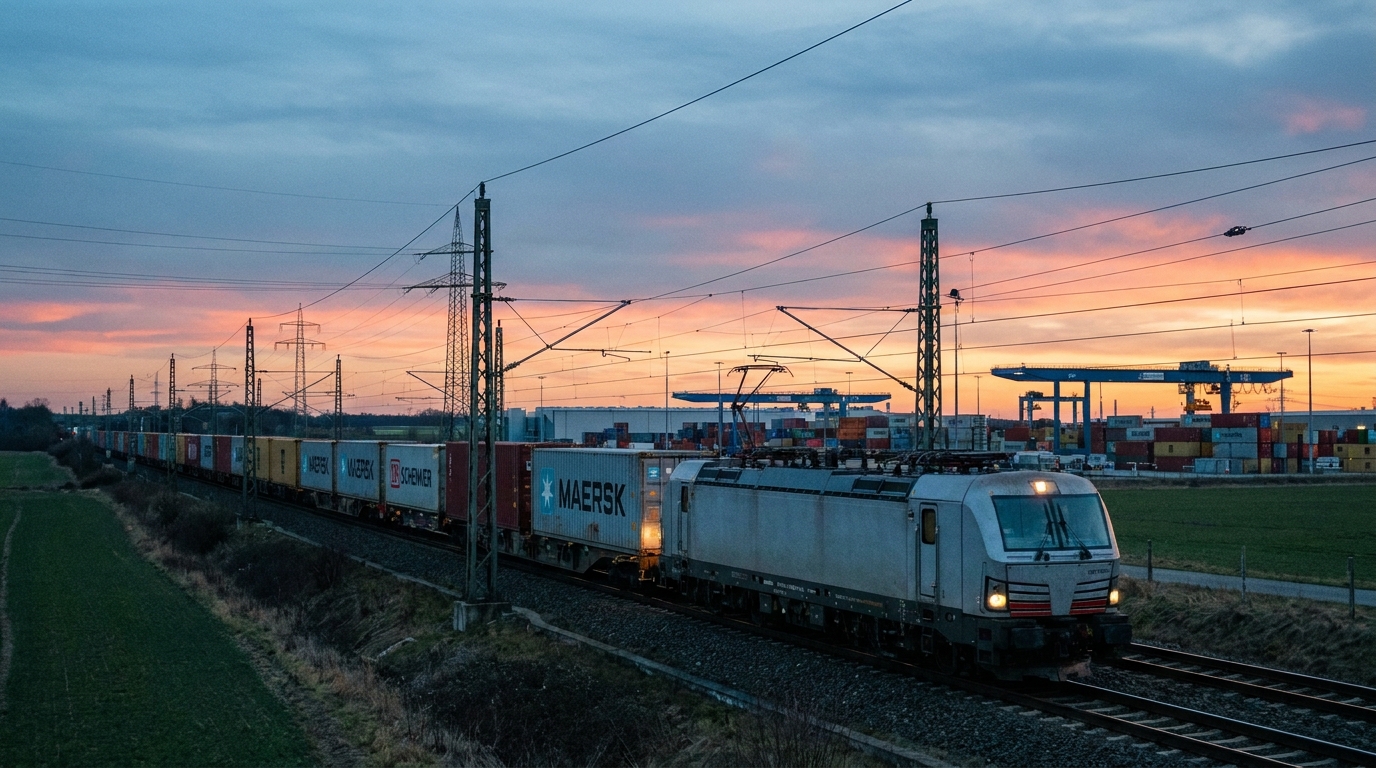
This move carries further consequences for the entire Central Asian region. Kazakhstan, Uzbekistan, Tajikistan, and Turkmenistan will now be monitored by Brussels through the prism of potential re-export risks. For transport companies serving east-west corridors, including the Trans-Caspian route and the so-called Middle Corridor, vetting contractors from this region is becoming not so much a good practice as a legal obligation.
Expansion of the list of sanctioned individuals and entities
As part of the 20th package, a total of 117 new individuals and entities. These included:
- 36 entities from the energy sector, including mining companies, refineries and trading companies linked to Russian raw material exports;
- 58 entities from the Russian military-industrial complex, component manufacturers and arms trade intermediaries;
- Companies from China, including one state-owned enterprise subject to a parallel sanctions regime against Belarus;
- Entities from the United Arab Emirates, traditionally considered a center of trade intermediation;
- Companies from Central Asia involved in the re-export of sanctioned goods.
At the same time, the EU sanctions regime against Belarus was updated, aligning it even more closely with the anti-Russian package. For transport companies conducting transit operations through Belarus, this is another argument for in-depth risk analysis of these routes.
Energy sector: end of Russian LNG service
The 20th package introduces an important structural change for the liquefied natural gas market. January 1, 2027 A full ban on providing LNG terminal services to Russian citizens and entities will come into effect. This means that European gas terminals will be prohibited from receiving, transhipping, or storing Russian LNG on behalf of Russian entities.
At the same time, the provision of technical assistance, financing, and brokerage services to Russian icebreakers and LNG tankers has already been banned. This directly impacts Russia's ability to expand into Arctic shipping lanes and increase LNG exports to Asian markets. Companies providing technical and insurance services to this fleet segment must immediately review their client portfolios.
New trade restrictions: chemicals, metals and diamonds
The package drastically expands the list of goods subject to export and import restrictions. On the export side, the list of prohibited products includes:
- Additional industrial and specialty chemicals;
- Vulcanized rubber products for military and industrial use;
- Fasteners and machine components;
- High-power tractors;
- Specialized explosives, including amatol.
On the import side, bans on goods generating significant revenue for the Russian budget have been expanded. Of particular note is the inclusion of import restrictions copper, nickel and aluminum — key metals for European industry, whose import from Russia has so far been partially tolerated due to the limited availability of alternative sources. EU ammonia import quotas, which will affect the European fertilizer industry dependent on Russian raw materials.
The new area of regulation is polished diamonds imported into the EUThe 20th package introduces stringent traceability requirements, including the obligation to document the entire processing chain—from mine to point of sale. This is a response to the practice of processing Russian diamonds in third countries (primarily India) and exporting them to Europe as "Indian" or "Belgian" goods.
Cutting off from cryptoassets and alternative payment channels
The European Union has taken a decisive step towards closing digital loopholes for bypassing sanctions. May 24, 2026 There is an absolute ban on entering into any transactions with Russian cryptoasset service providers. The ban also includes:
- Stablecoin Trading RUBx — a token linked to the Russian ruble exchange rate;
- Transactions related to digital ruble — central bank digital money (CBDC) developed by the Central Bank of Russia;
- Cooperation with entities facilitating the circumvention of sanctions, including companies identified as Arneis, GPAgent and Platejka;
- Contacts with the Kyrgyz cryptocurrency exchange supporting the token TengriCoin.
The list of institutions covered by a full transaction ban has been included 20 Russian banks and financial institutions from Laos, Kyrgyzstan and Azerbaijan identified as participating in the SPFS settlement system, Russia's alternative to SWIFT.
For European companies trading with partners in Central and Southeast Asia using local payment systems, this part of the package requires special attention. Working with financial institutions affiliated with the SPFS could result in sanctions violations—even if the direct transaction involves goods unrelated to Russia.
New rights for European companies harmed by Russia
The 20th Sanctions Package is not just about new bans, but also includes a protective element for European entities that have suffered losses as a result of Russian retaliatory actions. The provisions grant EU companies a legal basis for seeking compensation before European courts for damage caused by Russian measures of confiscation, nationalization or other forms of expropriation.
At the same time, the package blocks the enforcement of political decisions of the Russian justice system within the EU. This means that Russian court judgments ordering European companies to return assets, pay fines, or otherwise provide benefits—issued in the context of sanctions or in response to them—will not be enforceable in any European Union member state.
Business Risk Perspective: What Do Transport and Logistics Companies Need to Do?
The adoption of the 20th sanctions package is not just another routine legal update for the transport and logistics industry. It signals that the European sanctions regime is entering a phase of maturity—increasingly precise, broad, and enforced. From a risk management perspective, companies should take the following actions:
1. Immediate update of KYC/KYB procedures
Every new contractor—shipowner, freight forwarder, port agent, or clearing bank—must undergo in-depth identity and ownership verification. Particular attention should be paid to any connections with entities from Russia, Belarus, Kyrgyzstan, the United Arab Emirates, and China that are listed on sanctions lists.
2. Verification of vessels served
Port companies, maritime agents, and bunker service providers must check the vessels they service daily against an updated database of sanctioned vessels. With 632 vessels on the list and the prospect of further expansion, manual verification becomes inefficient, requiring automated screening systems.
3. Overview of supply chains running through Central Asia
The activation of the anti-circumvention mechanism for Kyrgyzstan signals that the entire region has become an area of heightened regulatory risk. Companies using transit routes through Kazakhstan, Uzbekistan, and Kyrgyzstan should audit their supply chains to assess the risk of unknowingly engaging in re-exports to Russia.
4. Revision of agreements on the sale and lease of ships
European fleet owners and operators must include mandatory anti-Russian clauses in their contracts, prohibiting the resale or sublease of vessels to entities with Russian ties. This is not only a legal requirement under the 20th package but also a safeguard against liability for sanctions violations by downstream buyers.
5. Monitoring payment channels
Finance and compliance departments of transport companies must verify that settlements with partners in Asia and the Middle East are not being processed through financial institutions linked to the Russian SPFS system. Even unwitting use of such channels can pose legal risks.
Summary: The New Normal in European Logistics
The 20th EU sanctions package against Russia is not just another list of prohibitions. It is a clear signal that the European Union possesses increasingly sophisticated tools to enforce its foreign policy in the economic sphere—and is ready to use them not only against Russia but also against third countries that support it. The precedent-setting application of the anti-circumvention mechanism against Kyrgyzstan, sanctions against Indonesian port infrastructure, and the ban on the circulation of the digital ruble demonstrate that the geography of sanctions is constantly expanding.
For risk managers and owners of transport companies, there is one conclusion: rigorous verification of contractors is no longer an option - it has become a necessary condition for running a safe business in the European economic spaceCompanies that fail to update their compliance procedures in response to the 20th package risk not only administrative sanctions but also reputational and legal consequences, the costs of which may far outweigh the savings resulting from a superficial approach to due diligence.
The EURODEBT.eu editorial team will be continuously monitoring the implementation of the 20th sanctions package and its impact on the European transport and logistics market. If you have any questions regarding the risk assessment of specific contractors or logistics routes, we encourage you to use our verification tools.