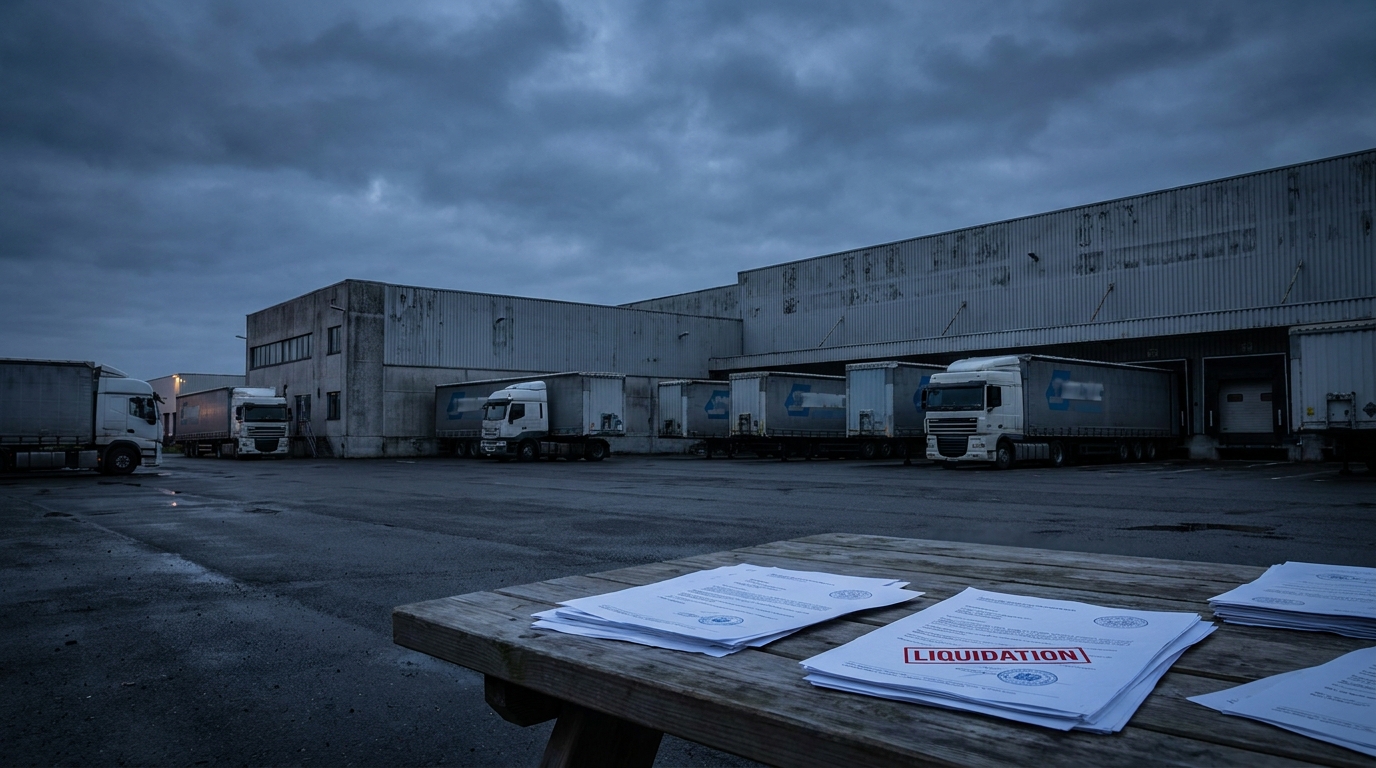

Crisis in Małaszewicze: Tax authorities freeze transport companies' accounts over customs fraud committed by others. The transport, shipping and logistics industry on the brink
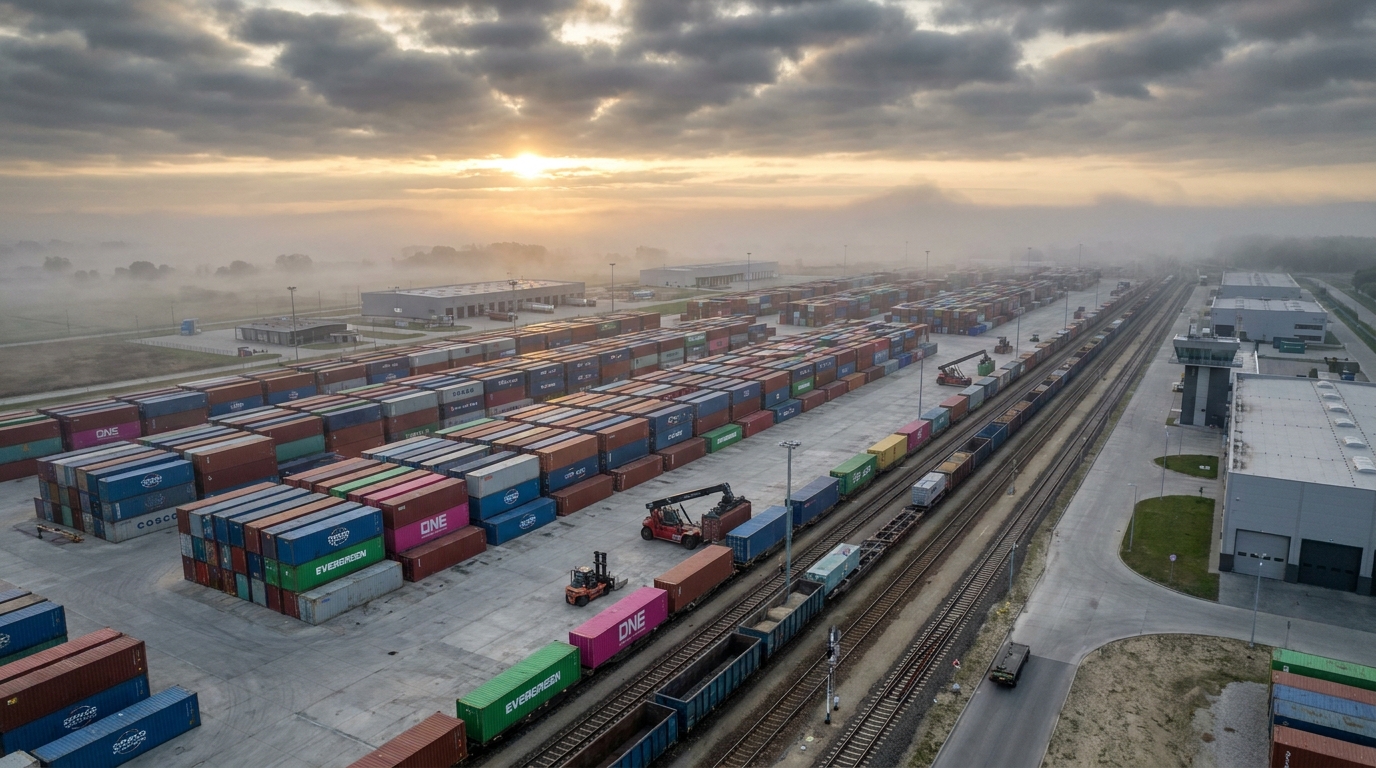
Several dozen Polish companies in the transport, freight forwarding and logistics (TFL) sector operating in the Małaszewicze area — Poland's largest dry port and a key hub on the New Silk Road — are facing an existential financial threat. The National Revenue Administration (KAS) is issuing immediately enforceable decisions against them, freezing bank accounts and initiating enforcement proceedings through court enforcement officers in connection with unpaid customs duties totalling 120 million euros. The paradox is that these companies were neither the organisers nor the beneficiaries of the scheme that was uncovered — they acted as carriers and logistics intermediaries, with no legal or physical means of checking the contents of sealed containers. Senator Grzegorz Bierecki brought the matter to public attention, pointing to systemic errors in the way the tax authorities conduct proceedings.
Where did the 120 million euros in unpaid duties come from?
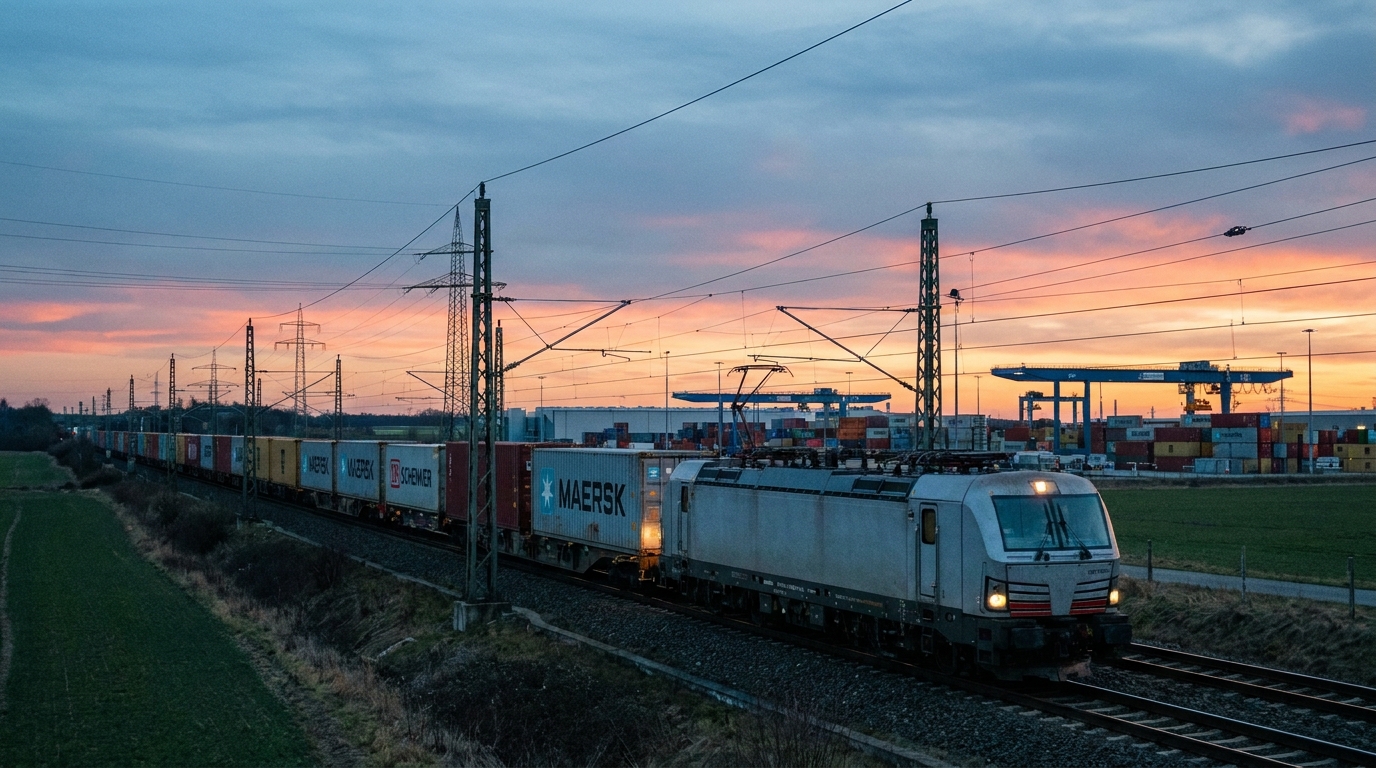
The origins of the current crisis date back to 2021–2022, when enormous volumes of goods from Asia, transported by rail along New Silk Road routes, passed through Poland's section of the European Union's external border — specifically through the terminal in Małaszewicze. At the same time, as a subsequent investigation by the European Anti-Fraud Office (OLAF) revealed, organised criminal groups were falsifying customs documentation on a massive scale.
The mechanism was relatively simple, yet effective. Importers deliberately understated the declared value of goods or assigned them an incorrect commodity classification, allowing duties and taxes due upon customs clearance for release into the EU market to be drastically reduced. The scale of the scheme was staggering — OLAF estimated that the European Union budget lost the equivalent of 120 million euros in uncollected customs duties.
Poland, as the member state through whose territory these goods were introduced into the EU market, is liable for these unpaid amounts to the EU budget. The payment deadline has been set for 2027. For a long time the matter remained outside the reach of the Polish tax and customs authorities — only the intervention of EU inspectors in 2024 forced KAS to take recovery action.
The principle of joint and several liability that is destroying the innocent
A key element of the current dispute is the way in which the National Revenue Administration has decided to recover the amounts due. Instead of focusing resources on identifying and prosecuting the actual organisers of the customs fraud and the ultimate recipients of the undervalued goods — who, according to Senator Bierecki, operated mainly from Belgium, Hungary and the Czech Republic — the tax authorities have targeted entities that are merely operational links in the supply chain.
The legal basis for these actions is the principle of joint and several liability, which the tax authorities interpret broadly to include rail carriers, customs agencies and logistics operators. In practice, this means that a company that physically transported a container from point A to point B can be held financially liable for false information entered in customs documents by an entirely different entity.
The transport industry has reacted to these decisions with outrage, pointing to the fundamental contradiction between this approach and the practice and logic of commercial trade. A rail carrier has neither the authority nor the tools to verify the contents of a sealed container — that is the exclusive prerogative of the customs authorities. The industry considers holding a carrier liable for something it could not and should not have checked to be manifestly unfair and legally questionable.
Rapid freezes and the domino effect
KAS decisions are issued with immediate enforceability — a special procedure under Polish administrative law that allows an obligation to be enforced before the decision becomes final, and even before it is challenged in court. In practice, this means that a company often learns that its bank accounts have been frozen at the same time as it receives the decision — or even earlier, when its bank refuses to execute a transfer.
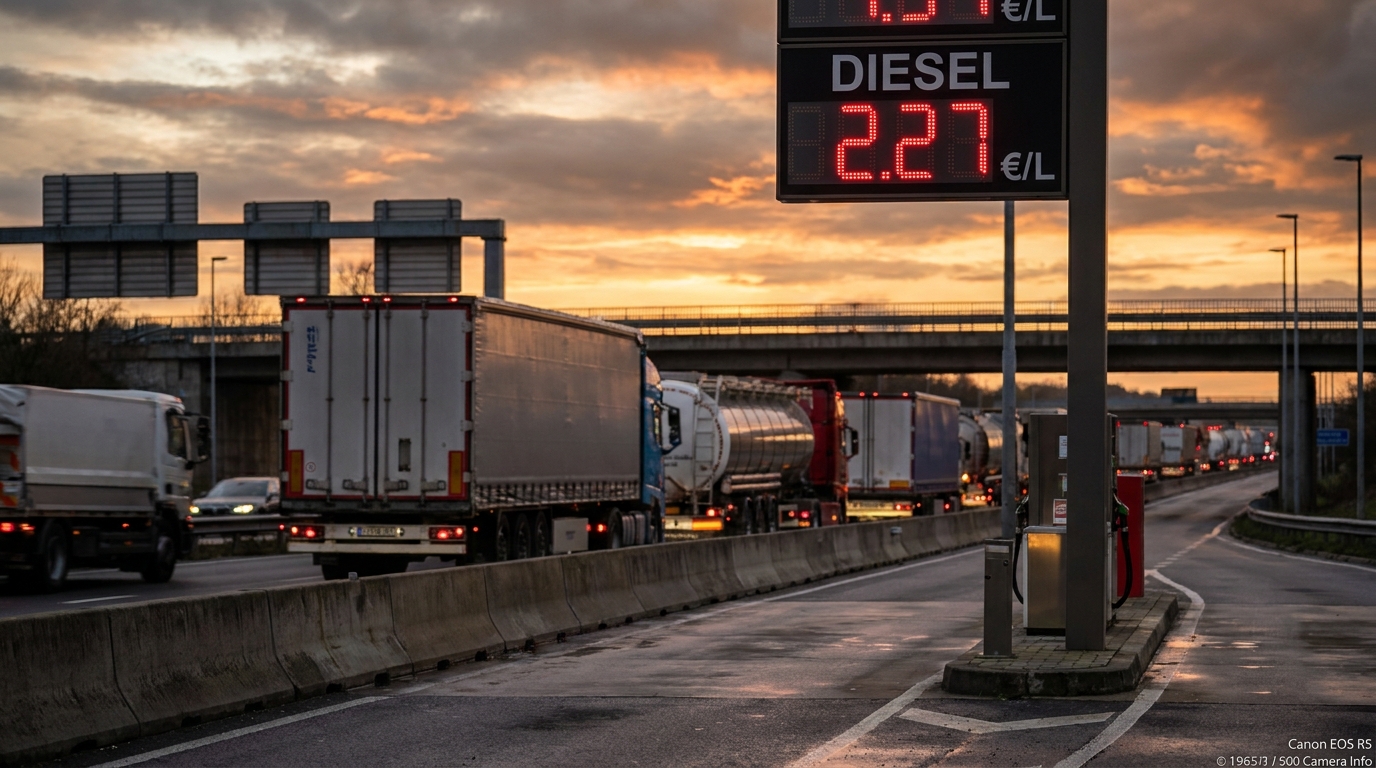
The consequences for day-to-day operations are immediate and devastating. A frozen account means no ability to pay employees' wages, no funds to pay lease instalments for rail rolling stock and road vehicles, halted payments to subcontractors and suspended repayments on working capital loans. Companies that had previously operated stably and met their obligations on time lose access to their own working capital overnight.
The scale of the problem is significant — it has affected several dozen entities, including established market players such as PKP Cargo, DB Cargo Polska, PKP Cargo Connect, Eurotrans and RTSB. The presence of companies with recognisable brands and substantial financial resources in this group does not protect them from the consequences of tax authority decisions — indeed, it suggests that the authorities are targeting entities from which they can actually recover funds.
Several smaller businesses could not withstand the pressure and declared bankruptcy. This creates a classic domino effect — the creditors and business partners of a bankrupt company themselves begin to experience liquidity problems, potentially leading to further insolvencies across the wider TFL industry ecosystem operating in the Małaszewicze area.
The hub's strategic importance and geopolitical risk
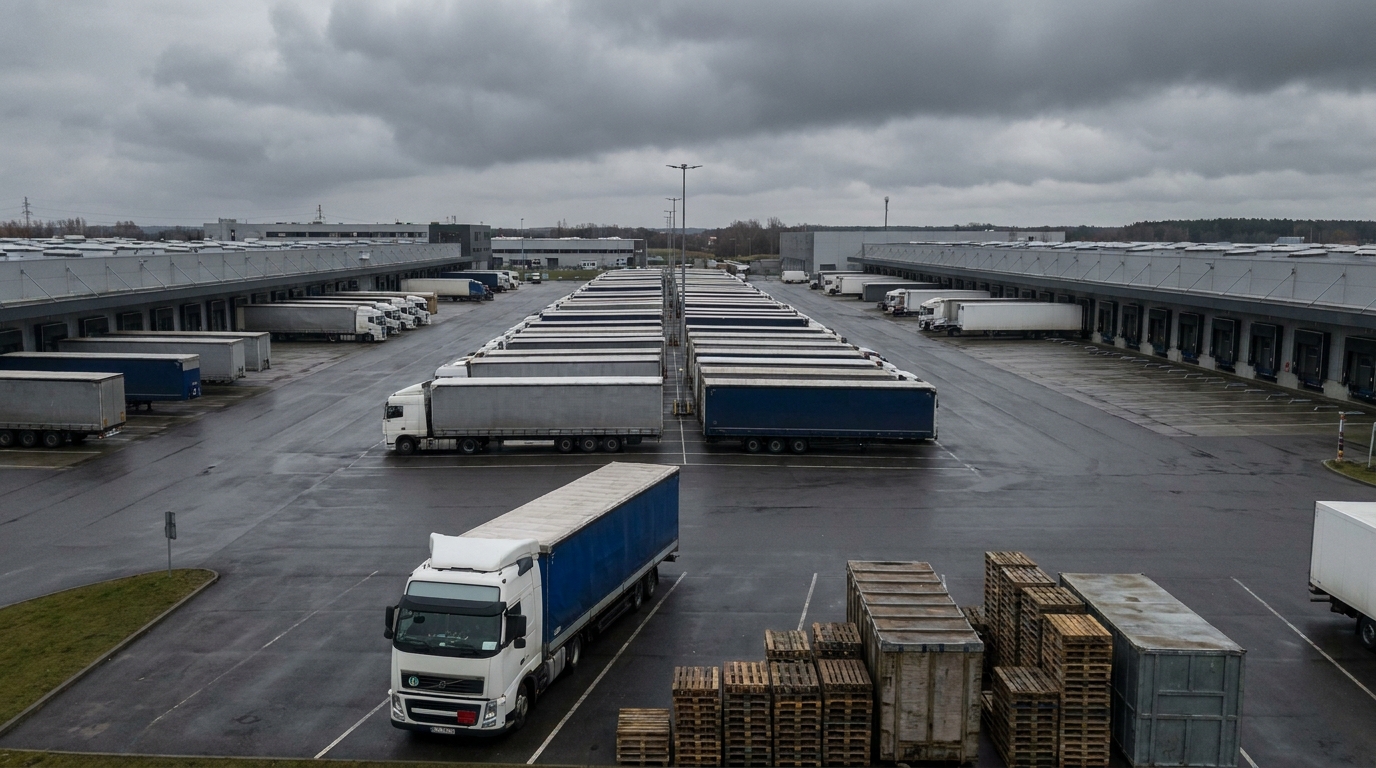
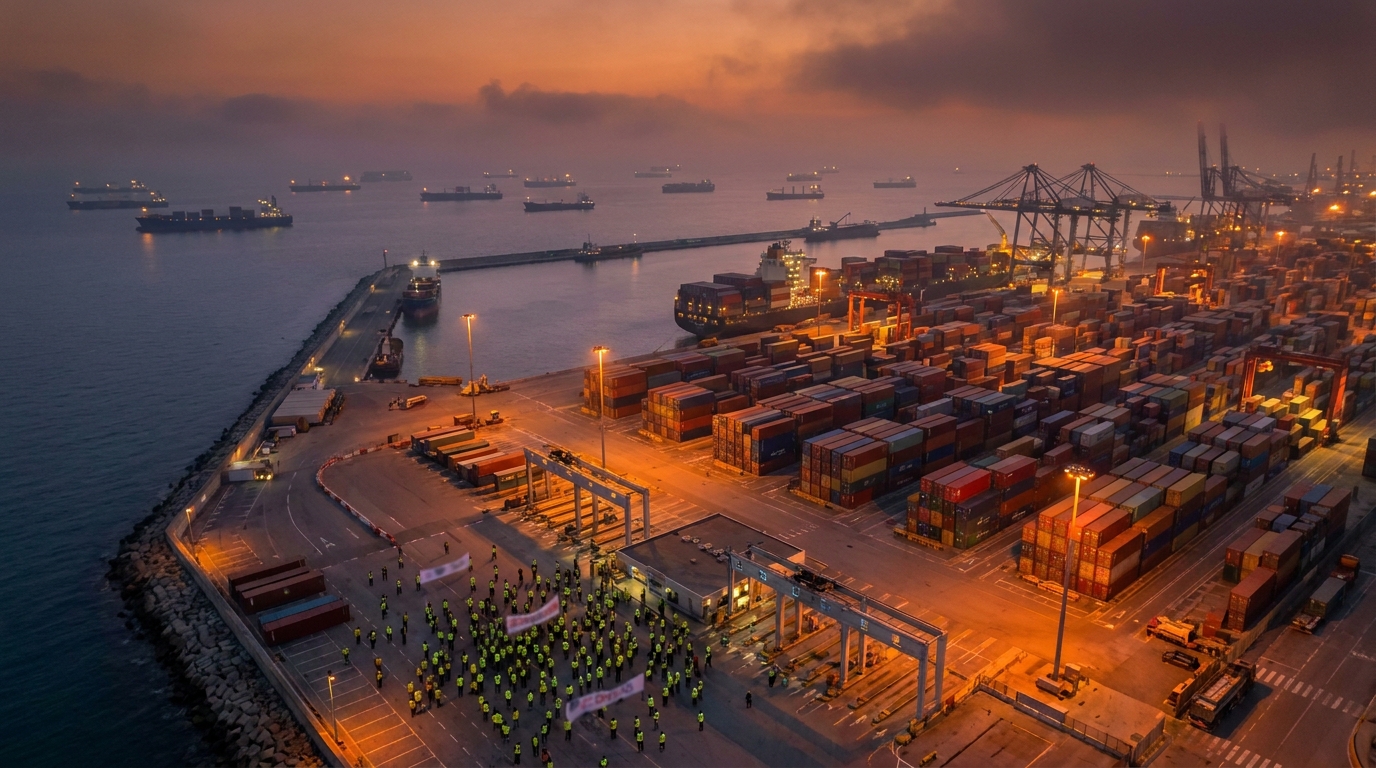
Małaszewicze is no ordinary transshipment terminal. It is one of the largest and most important dry ports in continental Europe, serving as a gateway between East and West. A significant share of cargo transported by rail from China and other Asian countries to Western Europe and back passes through this hub — a key section of the overland Silk Road, also known as the New Silk Road or Belt and Road Initiative, runs through it.
Operational disruption to companies working at this hub — through account freezes, enforcement proceedings and waves of bankruptcies — creates risks that extend far beyond the local or even national level. Shippers and operators from China, Japan, Korea or other Asian countries who have previously routed cargo through Małaszewicze may begin to view the hub as too risky from a legal and operational standpoint.
Diverting even part of the freight flows to alternative routes and hubs — primarily through the ports of Hamburg, Bremen, Rotterdam or Antwerp, or through alternative rail corridors bypassing Poland — would be a serious strategic loss for the country. Poland has spent years building its position as a key logistics hub between Asia and Europe, and Małaszewicze was central to that strategy. Undermining this position through a crisis caused by the actions of its own tax authorities would be particularly painful.
Political voice and calls for a change of approach
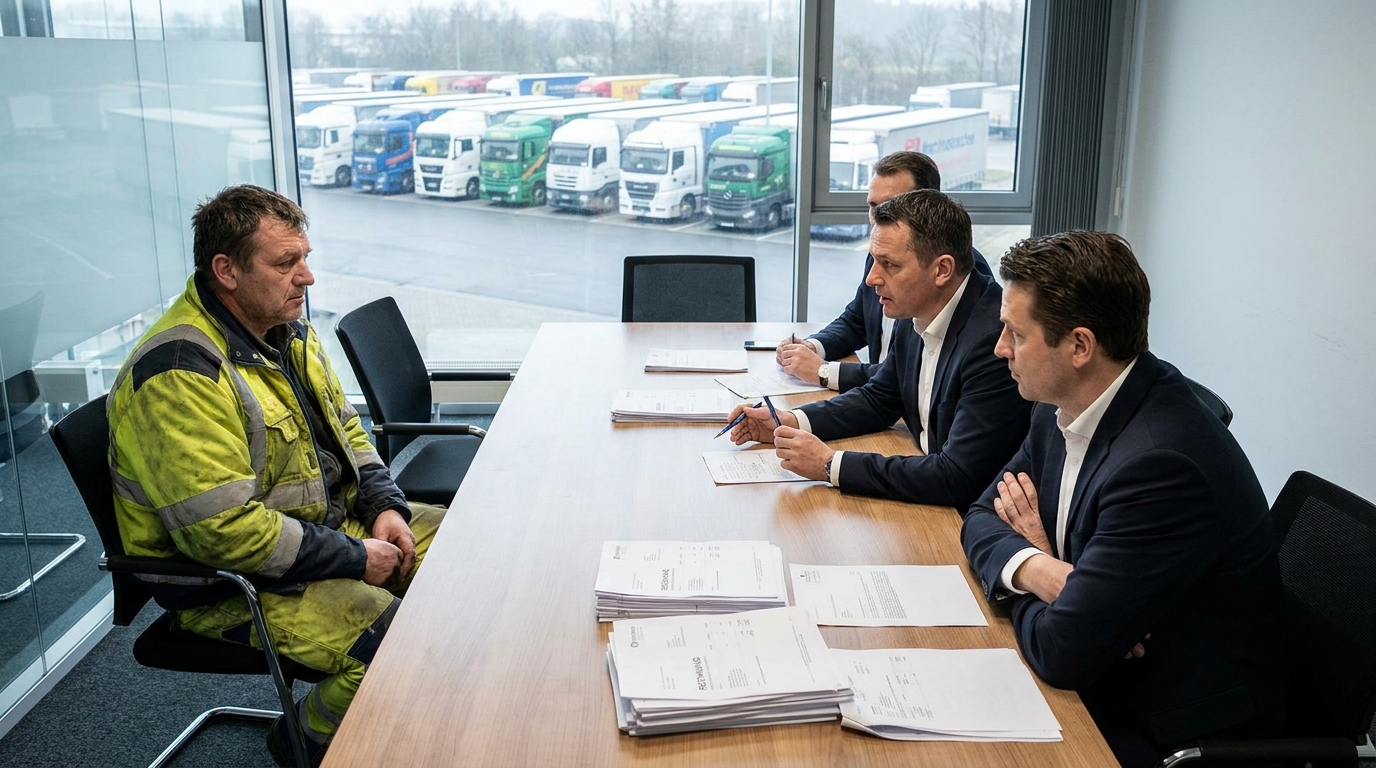
The issue entered the public arena partly thanks to Senator Grzegorz Bierecki, who publicly revealed the scale of the problem and called for an immediate suspension of KAS decisions and the unfreezing of affected companies' accounts. The senator said that the tax authorities are taking the path of least resistance — pursuing Polish carriers because they are easy and accessible targets — instead of conducting painstaking but justified proceedings against the real beneficiaries of the customs scheme, hidden outside the country.
Calls from the industry and politicians focus on several demands: suspending the immediate enforceability of decisions until appeals are resolved, shifting the burden of liability to the actual perpetrators and final recipients of the goods, and developing systemic solutions that will allow Poland to settle its obligations to the European Union without destroying its own logistics sector.
Legal professionals point out that the broad interpretation of joint and several liability applied by KAS in this case may not withstand scrutiny in appeal and administrative court proceedings. Nevertheless, for companies waiting years for a judicial dispute to be resolved, with frozen accounts and paralysed operations, victory in court may come too late.
B2B risk perspective: What does this mean for your business partners?
For risk managers and businesses working with companies from the Małaszewicze area, the current situation is a serious warning signal requiring an immediate response. This is a new kind of systemic risk — a regulatory and tax shock hitting entities that have themselves committed no violations, yet may lose their financial liquidity literally overnight.
Traditional tools for assessing a business partner's financial credibility may prove insufficient in this case. A company may show excellent financial indicators, a history of timely payments and stable revenues — yet, as a result of a single tax authority decision, lose access to all its working capital. In such a situation, even a reliable business partner becomes an entity at increased risk of failing to meet its current obligations.
What deserves particular attention?
- Checking links to the Małaszewicze terminal: Any entity that operates or has operated at this hub — as a carrier, customs agency, freight forwarder or warehouse operator — may potentially fall within the scope of KAS proceedings. It is worth actively monitoring the legal and financial status of such business partners.
- Analysing credit and trade exposure: Companies in the risk group may try to settle their obligations late or request extensions of payment deadlines. An increase in overdue receivables from business partners in the TFL sector operating in eastern Poland should be treated as a warning signal.
- Monitoring bankruptcy proceedings: Since several entities have already declared bankruptcy, further such cases must be expected. A regular review of the bankruptcy and restructuring register is currently particularly advisable for all creditors of TFL companies in this region.
- Assessing payment chains: The domino effect in the TFL industry is particularly rapid due to heavy reliance on subcontractors and business partners. The bankruptcy of one major player can trigger an avalanche of liquidity problems at dozens of smaller companies — road carriers, rolling stock and vehicle maintenance firms, temporary employment agencies or providers of IT services for logistics.
- Tracking the outcomes of appeal proceedings: If administrative courts begin overturning KAS decisions for violating the principle of proportionality or incorrectly applying joint and several liability, this could pave the way for funds to be unfrozen and the financial situation of affected entities to stabilise.
A systemic lesson for the entire industry
The crisis in Małaszewicze is more than a local tax scandal. It is a testing ground for a new kind of regulatory risk that logistics and transport companies may increasingly face amid intensified efforts to combat customs and tax fraud at EU level. OLAF and other EU bodies are becoming more actively involved in investigations into customs fraud, and pressure on member states to recover funds owed to the EU budget is likely to increase.
The problem is that mechanisms for recovering these amounts at national level are not always adapted to the complexity of modern supply chains. When tax authorities take a shortcut — pursuing accessible carriers instead of elusive importers and final recipients — sound, legally operating businesses bear the consequences.
For the TFL sector throughout Central and Eastern Europe, this case should be an important signal to rethink legal and regulatory risk management models. It is worth checking not only the solvency of business partners, but also their exposure to potential claims by tax authorities — especially if they operate in areas with intensive flows of goods, where the risk of becoming entangled in customs fraud committed by others is statistically higher.
Summary: Heightened alert for the entire logistics ecosystem
The situation in Małaszewicze is developing rapidly and is far from stabilising. Several dozen TFL companies face an immediate threat of losing liquidity and the ability to meet their obligations. Several entities have already declared bankruptcy. A strategic logistics hub on the European rail transport map is being severely destabilised by a crisis caused by organised customs criminals — not by the companies now paying the price for their actions.
From a corporate risk monitoring perspective, we recommend treating all entities directly operating in Małaszewicze as companies presenting elevated financial risk until their legal situation is clarified and their accounts are unfrozen. Every business working with companies in this ecosystem should immediately review its exposure to potential losses and step up monitoring of the condition of these business partners. The industry principle of limited trust has never been as justified as it is in the face of systemic risk created by state authorities directed — albeit through omission rather than design — at legally operating businesses.