
EU's 21st Russia Sanctions Package: What European Transport and Logistics Companies Need to Know
In July 2026, the European Union officially approved 21st package of sanctions against Russia — the largest and most comprehensive set of restrictions since the beginning of the full-scale invasion of Ukraine. The new regulations include 218 new entries on the sanctions list, affect the energy, financial, and cryptocurrency sectors, and above all, close legal loopholes that previously allowed for bypassing previous bans. For the transport and logistics industry, this means one thing: the need for an immediate review of the verification processes for contractors, shipment routes, and trading partners operating in third countries.
The biggest package of restrictions in four years - context and scale
The adoption of the 21st sanctions package is consistent with the European Union's consistent policy aimed at gradually weakening Russia's financial and military capabilities. The European Commission presented data confirming the effectiveness of the current restrictions: Russian GDP shrank by 0,2% in the first quarter of 2026, and Moscow's revenues from energy exports to the EU fell by nearly 85% compared to 2021Despite these results, European institutions recognized that the existing arsenal of measures requires further strengthening—especially in the face of rising oil prices fueled by tensions in the Middle East, from which Moscow could reap unexpected profits.
The new package is a direct response to these challenges. Among the 218 new entries are: 48 individuals and 170 entities — companies, institutions, and organizations linked to the Russian military apparatus or economy. These numbers translate directly into operational risk for any European logistics operator operating in regions vulnerable to sanctions evasion.
Energy Sector: Price Cap Freeze and Shadow Fleet Hit
One of the pillars of the new package is the regulation of trade in Russian crude oil. Member states have decided to freezing the mechanism for automatic adjustment of the price ceiling at $44 per barrel – and maintaining this level until July 2027. The goal is to prevent Russia from taking advantage of the boom in global commodity markets. For logistics companies handling maritime transport of oil or petroleum products, this means the need to closely monitor whether the cargoes handled do not exceed the permissible price ceiling – violation of this regulation may result in serious sanctions for the carrier or forwarder.
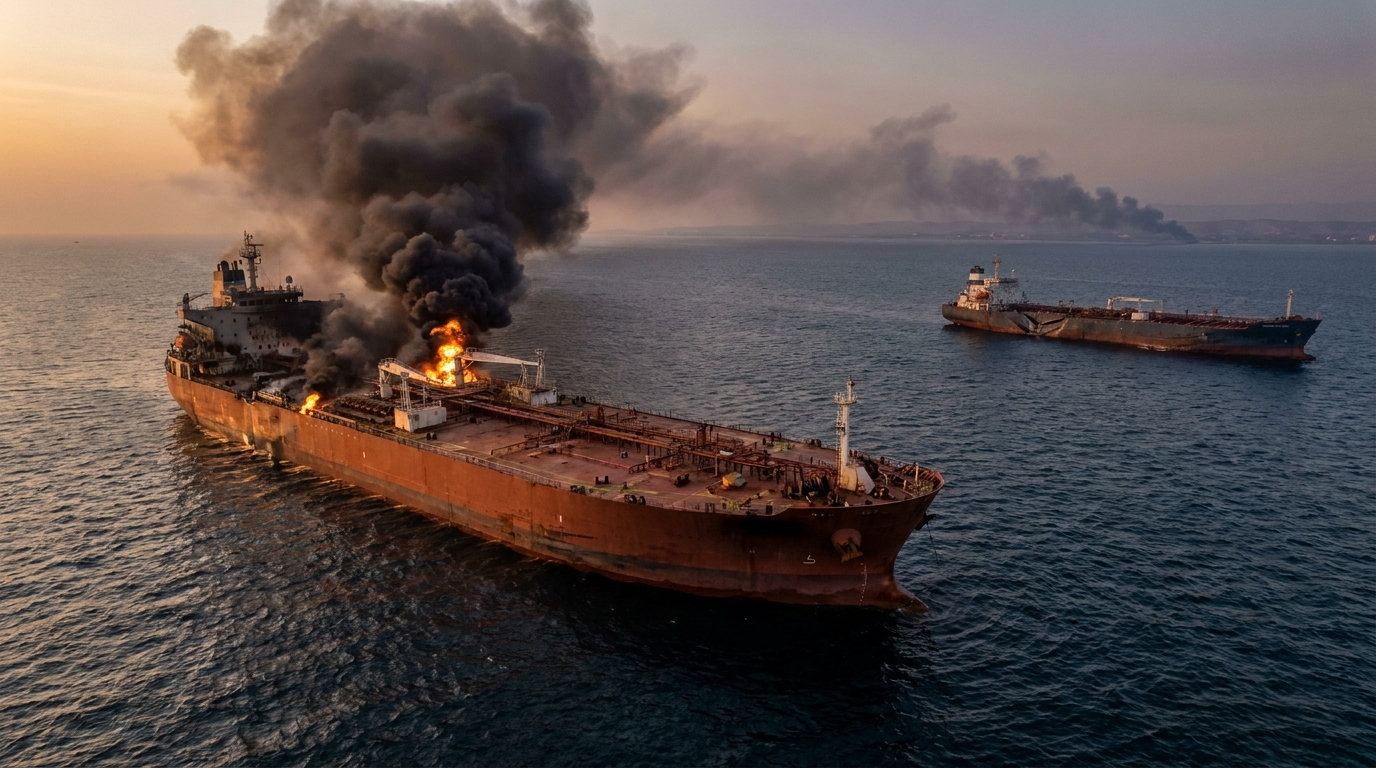
The industry should pay particular attention to the extension of the sanctions list to include the so-called fleet of shadows (Ang. shadow fleet). More have been added to the blacklist 41 ships and 5 bunkering units, which supplied fuel to tankers already under sanctions. The shadow fleet is an informal network of vessels—often registered under exotic flags, with opaque ownership structures—that transport Russian oil, bypassing Western insurers, brokers, and service providers. The addition of additional vessels to the sanctions list means that any European company offering port, agency, insurance, or bunkering services must verify that it does not operate vessels covered by the new bans.
The changes also affected land infrastructure. Sanctions were imposed on Kulevi refinery — although due to the need to diversify supplies, the new regulations provide for a six-month transition period. Logistics operators who previously handled supply chains linked to this refinery have time to reorganize, but should immediately begin auditing their contracts and transport routes.
New regulations also covered the LNG market. strict notification obligations when reselling LNG tankers to third countries, and a ban on providing services at LNG terminals to operators from non-EU countries that remain under the control of Russian capital. This is a wake-up call for European logistics companies operating in the gas sector: an immediate review of the ownership structure of business partners operating LNG terminals is necessary.
Financial sector: over 100 banks affected by restrictions
The new package significantly expands the financial blockade of Russia. The sanctions list includes 94 banks and financial institutions, which means that the total number of entities from the banking sector covered by EU restrictions has exceeded 100All of them have been banned from using financial messaging services—effectively, this means being cut off from the SWIFT system and similar clearing platforms. For European shipping companies, the consequences are immediate: any payment made through a blacklisted bank could expose the company to sanctions violations.
Compliance experts emphasize that expanding the list of sanctioned financial institutions is particularly important in the context of transit payments. Russian entities have long employed the practice of settling transactions through intermediary banks registered in third countries—Turkey, the United Arab Emirates, or Central Asia. The new regulations clearly undermine this mechanism by extending the bans to institutions linked to Russia, regardless of their country of registration.
Cryptocurrencies: A New Compliance Threat to the Transport Industry
The 21st Sanctions Package introduces unprecedented regulations on cryptocurrencies, which—while at first glance may seem remote from the transportation industry—have significant implications for companies operating in areas vulnerable to sanctions evasion. The new regulations prohibit the provision of cryptocurrency services by third-country platforms linked to Russia, and prohibit Russian citizens from serving on the boards of any company offering such services.
In practice, this means that logistics companies that serve contractors settling in cryptocurrencies or accept payments in this form must conduct a detailed audit of their procedures Know Your Customer (KYC). Any cryptocurrency platform or financial services provider with Russian ties becomes a potential source of regulatory risk.
Combating sanctions evasion by third countries – a key risk for logistics
From the perspective of logistics operators and freight forwarders serving routes through non-EU countries, the most important element of the 21st package is expanding the list of entities supporting the Russian military-industrial complex. Has been blacklisted 51 entities, of which as many as 27 registered outside Russia:
- 14 entities from China and Hong Kong
- 4 entities from Turkey
- 3 entities from Kyrgyzstan
- 2 entities from India
- 2 entities from Kazakhstan
- 2 entities from the United Arab Emirates
This list demonstrates that the European Union is increasingly effective in identifying intermediary networks that Russian institutions and companies have used to circumvent existing sanctions. For European transport and freight forwarding companies operating routes through these countries—particularly Turkey, Kazakhstan, and the UAE, which have traditionally been important re-export hubs—the new regulations require immediate verification of their supply chains.
Export bans have also been expanded. The new regulations include specialized metal powders and alloys used in the aerospace industry and in the production of drones, and are also extending import bans to select metal ores. Freight forwarders and customs agents handling goods in these categories must exercise the utmost care in verifying both the country of origin and the final recipient of the shipment.
Compromises and Exclusions - What Has Been Mitigated
A thorough analysis of the 21st sanctions package also requires a discussion of the compromises that accompanied its adoption. Diplomatic sources report that the final shape of the package is the result of difficult negotiations, with some of the proposed measures being watered down or postponed under pressure from individual member states.
Greece successfully negotiated an exemption for its shipping companies, which will continue to be able to transport Russian LNG from the Arctic region. This decision has significant implications for global LNG supply chains – the Greek merchant fleet is among the largest in the world, and its activity in the Arctic LNG segment remains a key element of European energy security considerations.
The proposed complete ban on issuing visas to veterans of the Russian armed forces has been postponed without specifying a new date. Bulgaria blocked the blacklisting of Patriarch Kirill, the head of the Russian Orthodox Church. France and Portugal successfully opposed the ban on imports of Russian cod and pollock, which is of significant importance for the European fishing industry.
These compromises serve as a reminder that the European Union's sanctions policy reflects the interests of its 27 member states and will always include certain exemptions. For risk managers in the transportation industry, this means monitoring not only general bans but also specific exceptions and transition periods that may apply to specific routes, ports, or categories of goods.
Groundbreaking protection for European logistics companies against Russian lawsuits
Among the elements of the 21st package that can bring real relief to European logistics and trade operators, it is worth highlighting the provisions protecting against retaliatory lawsuits brought by Russian contractorsThe new regulations allow European companies to seek compensation in European Union courts – even in cases where Russian entities take their cases to arbitration or courts in Russia or third countries.
This is a response to a real problem that hundreds of European companies have been grappling with since 2022: after withdrawing from contracts with Russian partners or terminating agreements as a result of sanctions, many of them were sued by Russian entities seeking compensation—often in courts of jurisdictions friendly to Moscow. The new regulations are intended to close this loophole and ensure that European companies can defend themselves and pursue their claims in their own legal systems.
Business Risk Perspective: What Transportation and Logistics Companies Should Do
The entry into force of the 21st sanctions package presents European logistics operators with a number of specific operational and compliance challenges. Below are key areas requiring immediate attention:
1. Verification of contractors and supply chains
The expansion of the sanctions list to include 218 new entities—including 27 registered outside Russia—means that standard verification procedures based solely on screening Russian entities are insufficient. Implementation of tools to monitor entities from third countries, particularly China, Turkey, Kazakhstan, and the UAE, is essential.
2. Route and port audit
The inclusion of the Kulevi refinery in sanctions and the expansion of the shadow fleet list require logistics operators to conduct an audit of active shipment routes. Any route passing through ports or terminals associated with the new sanctions listings should undergo an immediate risk assessment.
3. Monitoring the oil price ceiling
Freezing the automatic price adjustment mechanism at $44 per barrel is a crucial parameter for companies handling maritime oil transport. Given the volatile commodity prices on global markets, exceeding the ceiling—even unintentionally—can expose a company to serious legal consequences.
4. KYC procedures for payments and financial services
The expansion of the list of sanctioned banks to over 100 entities and new cryptocurrency regulations require updated verification procedures for financial institutions. Finance departments of logistics companies should immediately verify whether banks intermediating transactions are on the new sanctions list.
5. Review of contracts with contractors from third countries
New regulations regarding the circumvention of sanctions by entities registered in third countries mean that contracts with partners from Turkey, Kazakhstan, Kyrgyzstan, the United Arab Emirates, India, and China require urgent review. Particular attention should be paid to clauses regarding the final recipient of goods and possible links to Russian entities.
Summary
The 21st EU sanctions package against Russia is another step in the gradual tightening of the restrictive regime, which has fundamentally changed the conditions for doing business in the transport and logistics industry in Europe since 2022. The new regulations are the most comprehensive set of measures since the beginning of the conflict—they cover the energy sector, the financial sector, cryptocurrencies, and trade in specialized industrial materials. Above all, they systematically eliminate mechanisms for third-country entities to circumvent previous bans.
For risk managers and transport company owners, the key takeaway is this: Sanctions compliance is no longer the exclusive domain of lawyers and finance departmentsVerifying contractors, shipment routes, ports, and financial institutions has become an operational responsibility involving the entire organization. Companies that fail to implement appropriate verification procedures risk not only financial penalties but also a loss of reputation and the ability to do business in the European market.
The EURODEBT.eu platform will continuously monitor the implementation of new regulations and provide information about entities included on sanctions lists that may pose a risk to European logistics operators. We encourage you to regularly check our verification database before engaging with new contractors from high-risk regions.