
DB Cargo cuts 6200 jobs: What does the job cuts at Germany's largest rail carrier mean for European logistics?
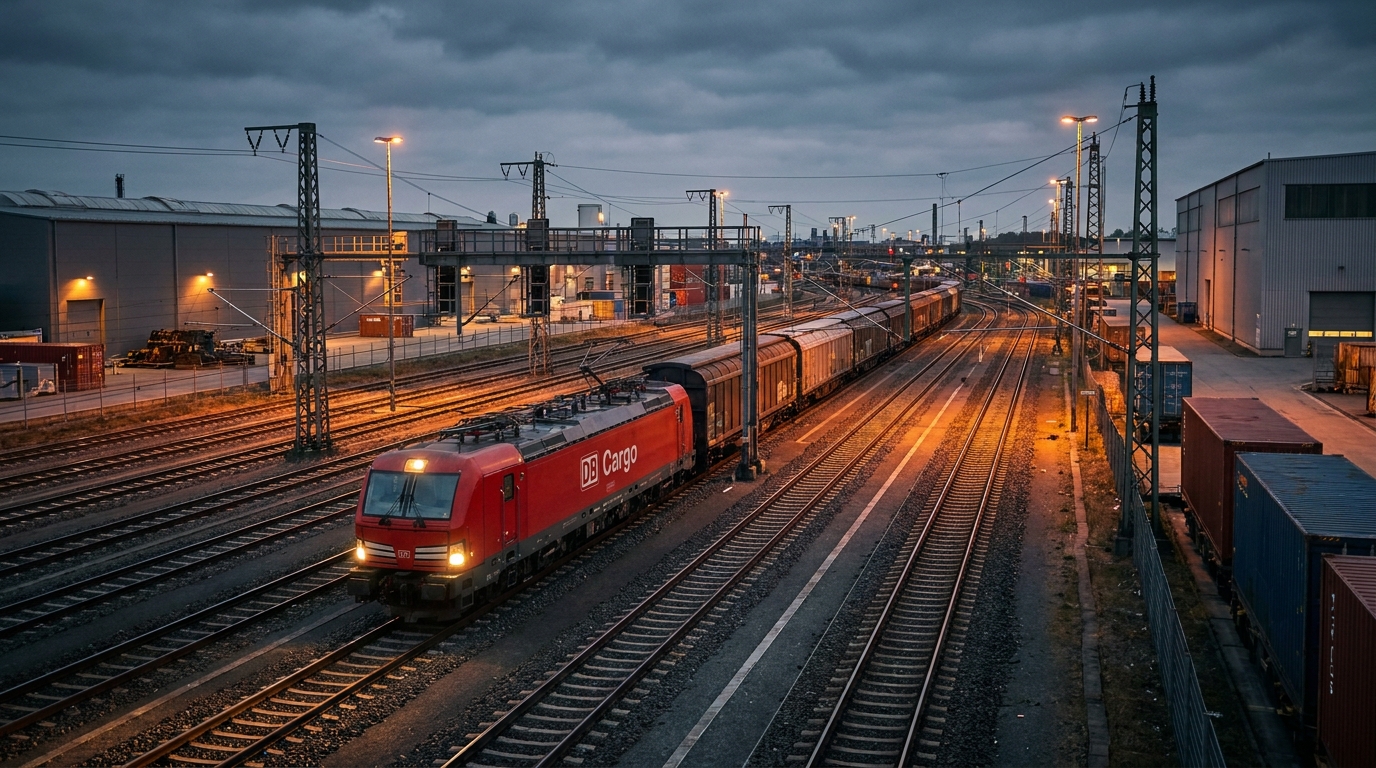
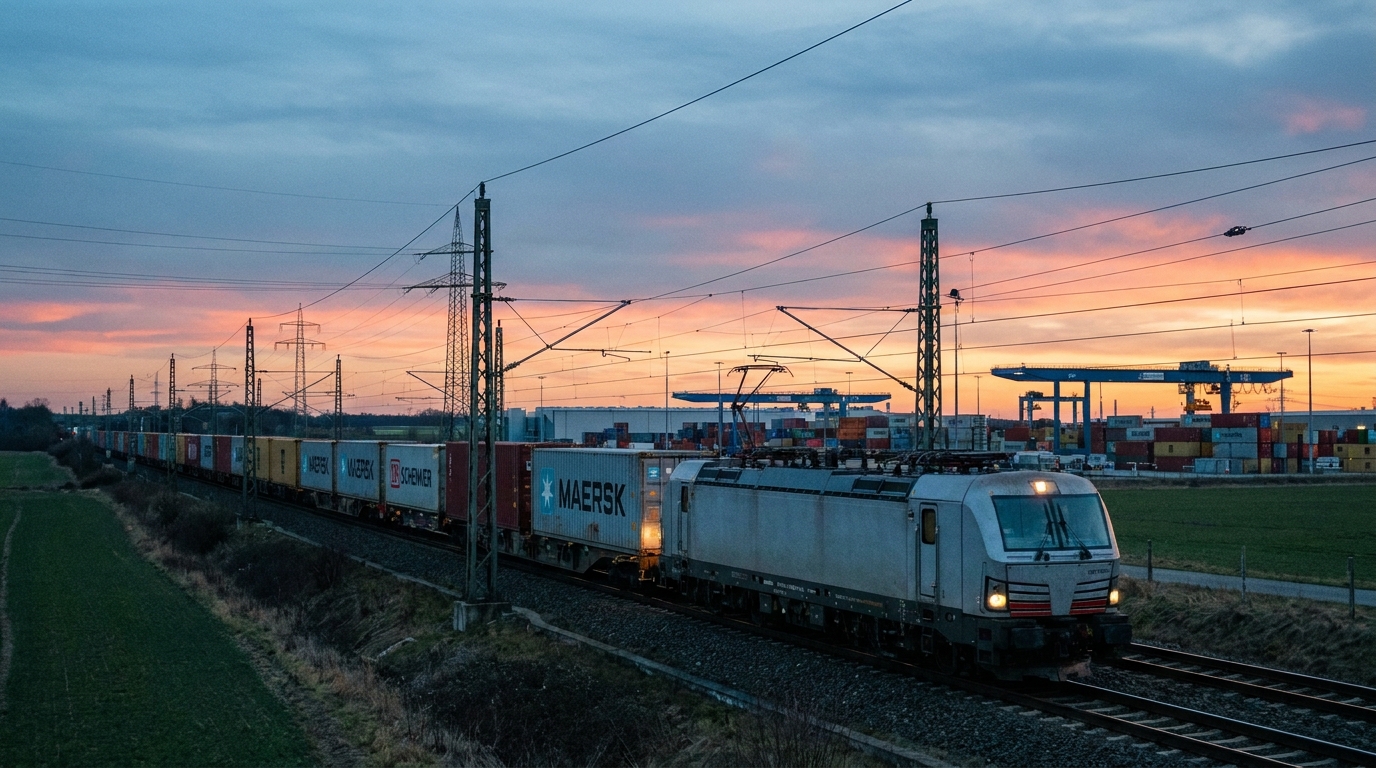
DB Cargo, Germany's largest rail freight carrier and a key player in the European logistics market, has officially confirmed plans for a major restructuring, including the elimination of 6,200 jobs by 2030. This represents the elimination of over 40 percent of the approximately 14,000 positions currently held in Germany. This decision—a response to both years of operating losses and regulatory pressure from EU institutions—is shaking up the transport industry across Central Europe and raising serious questions for risk managers and logistics company owners about the stability of supply in the coming years.
The scale of restructuring and its immediate context
The announced cuts are not an impulsive action or merely a reaction to a temporary economic downturn. The recovery program has been in the making for several years, and its final scale stems from the convergence of several factors: high energy prices, weakening demand in the European manufacturing industry, growing competition from road freight transport, and—crucially—unprecedented pressure from the European Commission due to EU state aid regulations.
As a state-owned enterprise belonging to the Deutsche Bahn Group, DB Cargo has benefited from various forms of budget support for years. Brussels has made it clear that chronically deficit-ridden state-owned entities cannot continue to receive subsidies indefinitely without presenting a credible and effective plan to restore profitability. Faced with the real risk of antitrust proceedings and even a forced breakup of the company, DB Cargo's management has decided to implement a cost-saving program estimated at approximately €1 billion. The goal is clear: achieving sustainable operational profitability and escaping financial dependence on the federal budget.
Where Will the Cuts Hit? The Single-Wagon Transport Sector Under the Most Pressure
The restructuring is not spread evenly across all of DB Cargo's business segments. The main burden of change is concentrated in the sector. transport of single wagons (German Single wagon traffic), which accounts for almost half of the planned job cuts. This service involves assembling trains from wagons belonging to different shippers—a flexible service, but also extremely expensive to operate, requiring an extensive network of shunting stations, a large number of employees, and complex logistical coordination.
Single-car transport is now a key link in the supply chains of the steel, chemical, and energy industries. Mines, steel mills, and petrochemical plants across Europe rely on this service to transport raw materials and semi-finished products. A profound reorganization of this segment therefore carries the risk of supply disruptions, which—in extreme cases—could halt production lines dependent on regular rail deliveries.
In parallel to the reduction in employment, the management board announced closure of about half of the service and repair points for locomotivesMaintenance work is to be concentrated in fewer locations, which is intended to significantly reduce fixed costs and increase the efficiency of technical infrastructure utilization. In practice, however, this means that in the event of a rolling stock failure on routes distant from the new service centers, downtime and repair costs could increase significantly—which, in turn, will impact on-time deliveries.
New operating model: A network of hubs instead of distributed infrastructure
A key element of the reconstruction of the single wagon transport system is the transition from the existing, dispersed network of transshipment points to concentrated hub structureAccording to plans to be implemented from 2027, the new operational architecture will be based on:
- Four main nodes located in Seelze (near Hanover), Cologne, Nuremberg and Mannheim – strategically placed to serve the largest industrial centers in Germany;
- Five auxiliary locations, which play a complementary role to the main hubs and provide network access to customers from less central areas.
DB Cargo CEO Bernhard Osburg argues that concentrating operations at fewer hubs will allow for increased train frequency and a dramatic improvement in punctuality. He predicts that delays resulting from the loss of direct connections—which can last for days under the current system—will be reduced to just a few hours. If this scenario materializes, service quality could paradoxically improve despite lower staffing levels and a more limited infrastructure.
However, skeptics—including some logistics managers from the industrial sector—point out that hub models are primarily effective for large, regular flows of goods. For customers requiring flexible, irregular deliveries to locations far from major hubs, the new structure may mean longer transit times and the need to seek alternative solutions—for example, more expensive road transport.
Finance: Subsidies remain, but profitability is within reach
Despite the painful cuts, DB Cargo's financial reality remains complex. Single-wagon transport—due to its specific costs— will require further public support even after the restructuring is completed. The German federal budget has planned subsidies of approximately €300 million for 2026 to finance this segment, with the prospect of gradually reducing this amount to €240 million in subsequent years.
It is worth noting that President Osburg openly appeals to the government to ensure long-term planning certainty and extending the support program beyond 2030. The very fact that the company's management is publicly seeking subsidy guarantees beyond the current restructuring horizon is an important signal for risk analysts - it indicates that DB Cargo's financial independence in the wagon segment remains a distant prospect, not an imminent reality.
Despite this, the company's financial picture is clearly better than it was just a few years ago. The operating loss for 2025 was just €7 million—a dramatic improvement compared to the multi-digit losses of previous years. Furthermore, DB Cargo officially forecasts achieving a positive net result in 2026, which would be a breakthrough moment in the carrier's history and proof that the recovery program is bringing tangible results.
Employees: Restructuring without mass layoffs?
One of the most surprising – and at the same time crucial from the point of view of social risk – elements of the announced program is declaration of reduction without compulsory layoffs (German operational layoffs). The DB Cargo Management Board plans to achieve the planned employment reduction primarily by:
- Natural staff turnover — a significant part of the workforce is approaching retirement age, which allows for a gradual reduction in the number of employees without the need to terminate contracts;
- Internal transfers — employees whose positions will be eliminated will be offered employment in other companies of the Deutsche Bahn group, which is one of the largest employers in Germany;
- Voluntary redundancy programs — supported by financial incentives for people who decide to end their employment early.
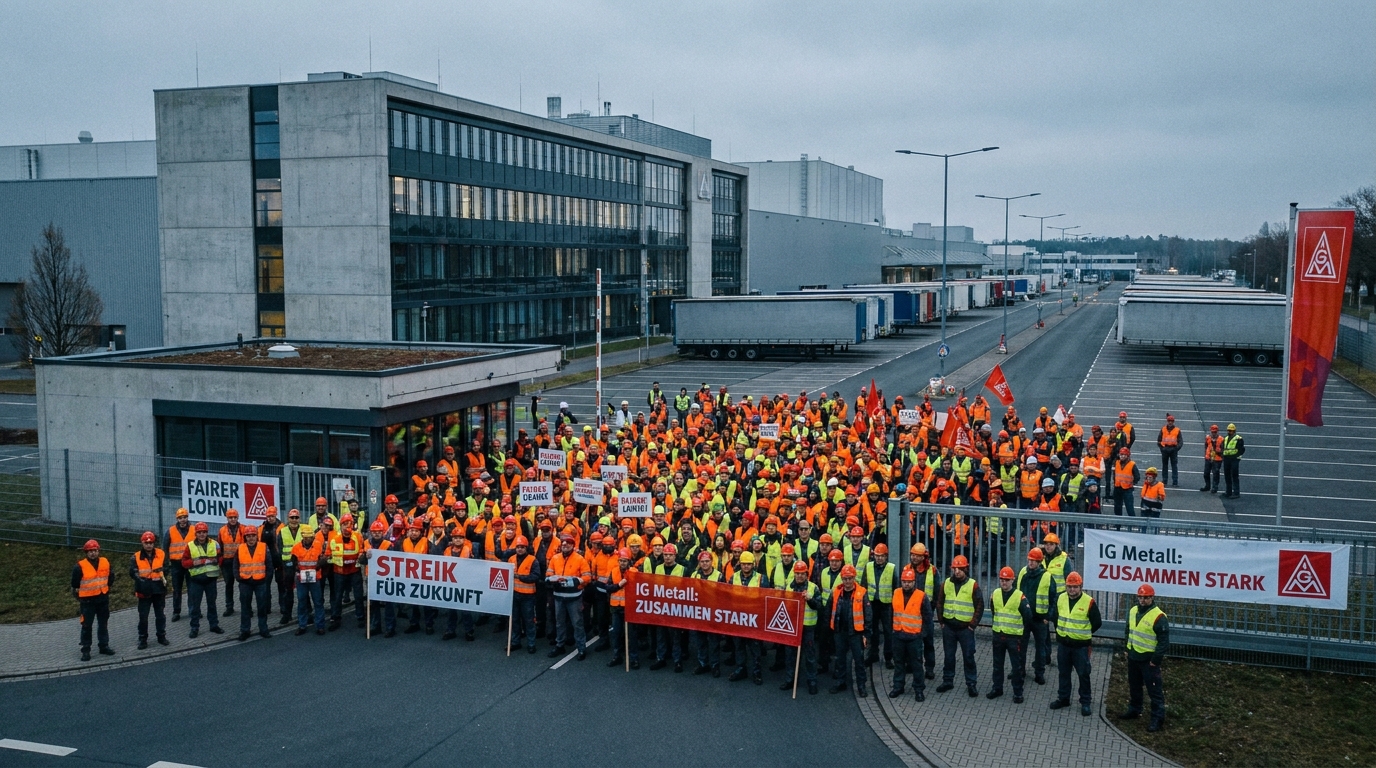
This approach is deliberately designed to minimize the risk of devastating strikes and protests organized by powerful German trade unions—particularly the EVG (Eisenbahn- und Verkehrsgewerkschaft). Experience from previous years shows that crippling strikes at DB can cost the entire European economy hundreds of millions of euros per day. Maintaining social peace during the restructuring process therefore has not only a humanitarian dimension but also a purely business one.
Impact on Poland and Central Europe: Where do the greatest risks lie?
For Polish and Czech logistics companies and industrial enterprises using DB Cargo's services, the restructuring of Germany's largest rail freight carrier is not just a distant phenomenon in the Western market. It also poses a direct threat to the fluidity of their own supply chains.
Poland and the Czech Republic are among the countries whose economies are most closely integrated with the German manufacturing industryAutomotive component suppliers, steel producers, chemical and energy companies—all these sectors benefit from cross-border rail connections, where DB Cargo serves as a key operator or operational partner. Disruptions to regular transport during the critical transition period between 2025 and 2027 could result in:
- Delays in the delivery of raw materials and semi-finished products to production plants;
- The need to maintain higher buffer stocks, which generates additional financial costs;
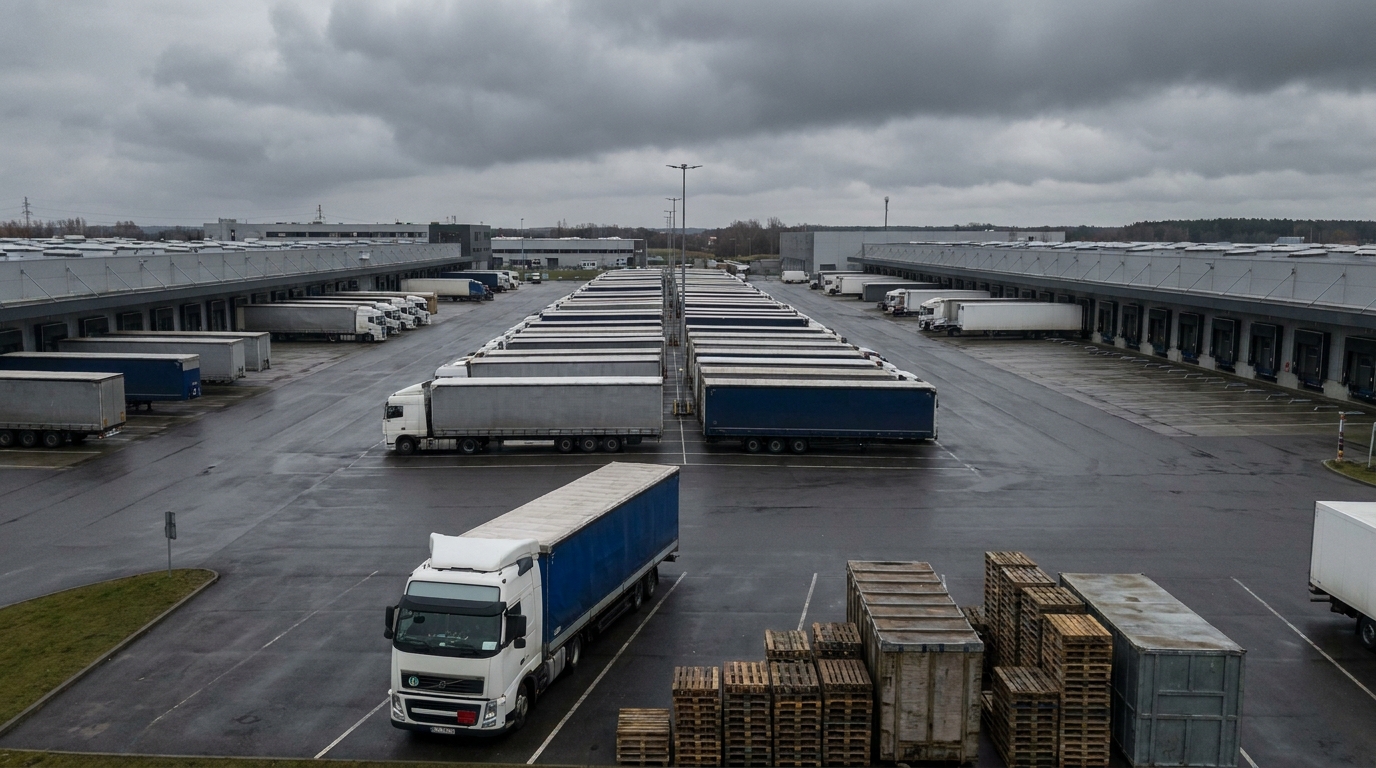
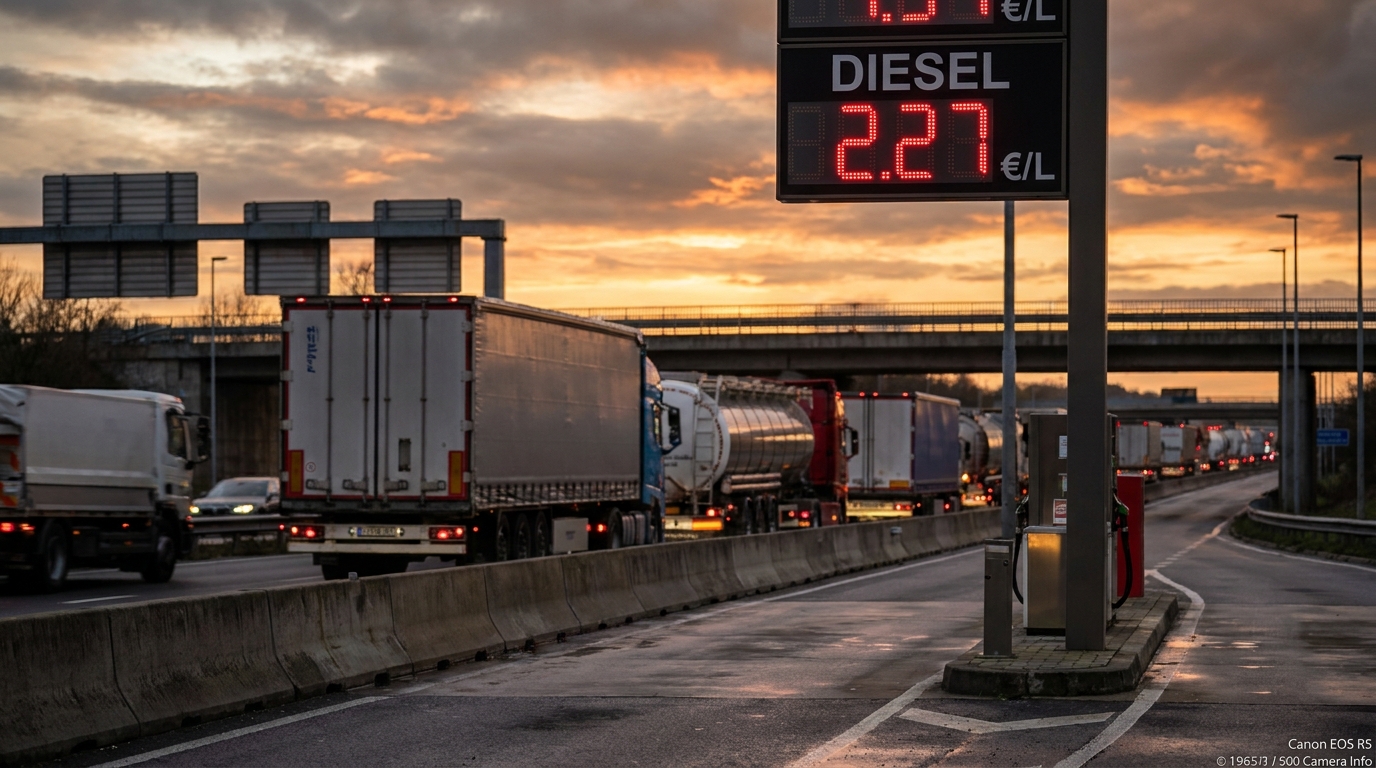
- A forced shift to road transport – more expensive, less environmentally friendly and more susceptible to disruptions due to driver shortages across Europe;
- Renegotiation of logistics contracts and increase in freight costs in the road segment due to increased demand.
Small and medium-sized companies are particularly vulnerable, as they lack their own siding infrastructure or the financial resources to quickly switch to alternative logistics models. For such entities, a potential reduction in DB Cargo's capacity could mean measurable increase in operating costs, directly affecting profitability and – in extreme cases – the ability to settle financial obligations on time.
Business Risk Perspective: What Should Managers and Business Owners Monitor?
From the point of view of assessing the risk of cooperation and the solvency of contractors, the case of DB Cargo brings several key conclusions for decision-makers in the transport and logistics industry.
Operational risk in supply chains
Companies with significant rail freight exposure to Germany in their risk map should review their contracts with carriers now for clauses regarding on-time guarantees, contractual penalties for delays, and the possibility of quickly launching alternative routes. The period 2025–2027 should be considered a period of increased operational risk.
Cascading Risk for Small Transport Companies
Smaller transport and forwarding companies whose business model relies on contracts or subcontracting for DB Cargo should carefully analyze whether the carrier's planned changes will significantly limit the volume of available contracts. It's worth diversifying your portfolio of clients and operational partners today.
A signal for the financial sector
For institutions financing logistics and industrial companies, DB Cargo's restructuring program is a signal to review risk exposure in sectors heavily dependent on rail transport. Rising logistics costs could reduce borrowers' operating margins and—given tight debt ratios—impair their ability to service their obligations.
An opportunity for alternative operators
Paradoxically, DB Cargo's restructuring opens up space for competing rail operators—both European and local—to take over the volumes that will no longer be handled by Deutsche Bahn in its current capacity. Companies that quickly identify these niches and invest in the appropriate capacity could gain lasting market advantages.
The Wider Context: A Test for European Transport Policy
The restructuring of DB Cargo is not just a problem for one carrier - it is a litmus test for the entire transport policy of the European UnionOn the one hand, the European Green Deal envisions a massive shift of goods from roads to rail, placing rail transport at the heart of the continent's decarbonization ambitions. The European Commission and national governments are investing billions of euros in modernizing rail infrastructure with the goal of increasing rail's share of freight transport.
On the other hand, the market reality is brutal: even the largest state-owned rail operator in Western Europe cannot maintain profitability in its most important service segment without chronic public support. Single-wagon transport—technically and logistically best suited to serving small and medium-sized industrial customers—is proving structurally uncompetitive with road transport given current cost realities.
If DB Cargo, with its vast scale of operations and federal budget support, is forced to make such drastic cuts, the question of the long-term viability of the European freight rail sector becomes fundamental. The answer will determine not only DB Cargo's future but also the shape of the entire European freight market for decades to come.
Summary and recommendations
DB Cargo's decision to eliminate 6,200 jobs and thoroughly overhaul its operating model is one of the most significant developments in the European logistics industry in recent years. The program is ambitious, and its goals—restoring profitability and modernizing the operational structure—are justified from both a financial and regulatory perspective. However, the scale of the changes and their concentration in the critical period of 2025–2027 generate a real risk of temporary disruptions that could affect companies in Poland, the Czech Republic, and other countries with strong links to the German economy.
For risk managers and logistics company owners, the key recommendations for the coming months are:
- DB Cargo Exposure Audit — identifying the extent to which their own supply chains are dependent on the services of this carrier;
- Diversification of logistics providers — establishing relationships with alternative rail and road operators before any deterioration in service quality occurs;
- Verification of contracts and SLA clauses — ensuring that contracts with carriers contain appropriate protective mechanisms;
- Monitoring restructuring progress — tracking information about closures of specific service points and changes in flight schedules that may directly affect the routes served;
- Buffer Reserve Review — Consider maintaining higher stock levels for raw materials and components that are currently transported by rail through Germany.
The case of DB Cargo demonstrates that even the largest and most established entities in the transport sector are not immune to profound market and regulatory turbulence. In this context, regular verification of the condition of key logistics partners—using professional risk assessment tools—is becoming not a luxury, but a necessity for every responsibly managed enterprise.