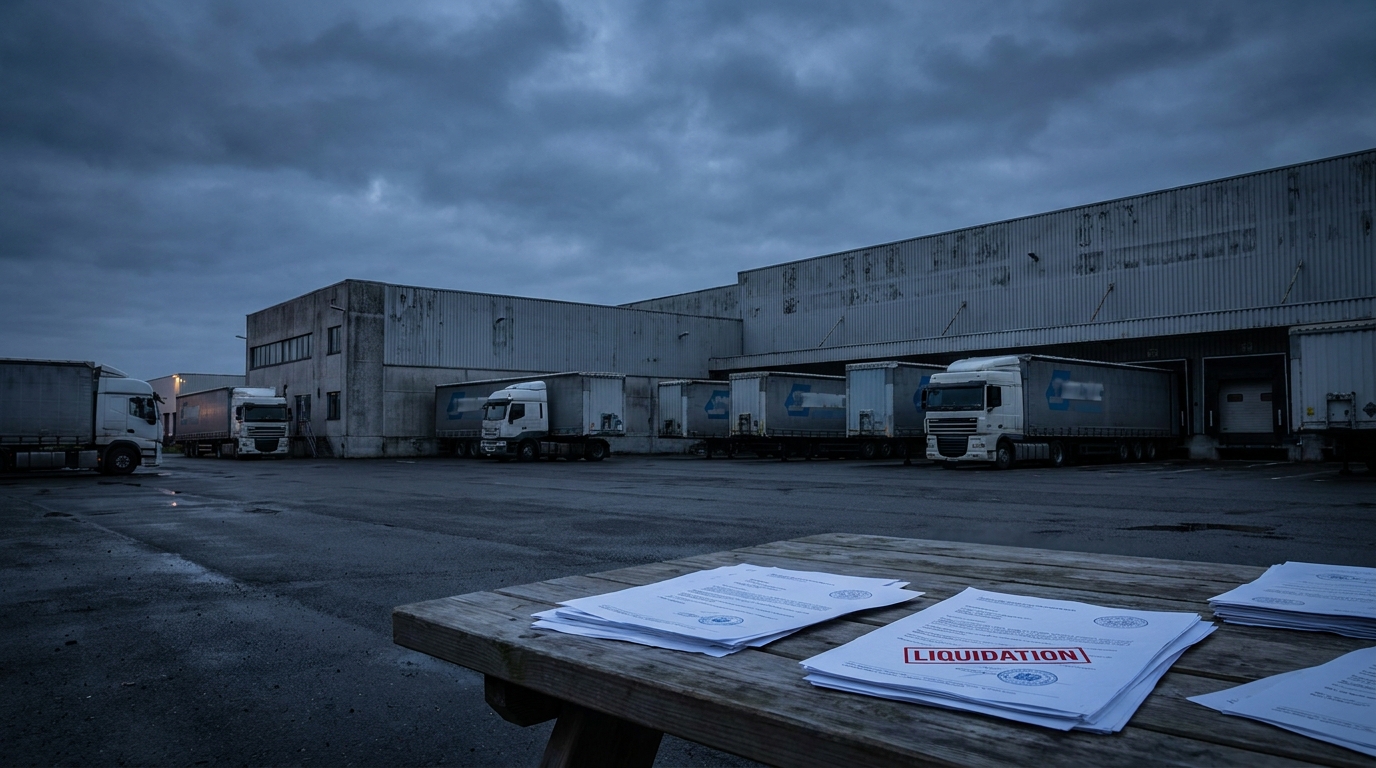

General strike at SNCF on June 10, 2026 – a structural crisis and a real risk for supply chains in Europe
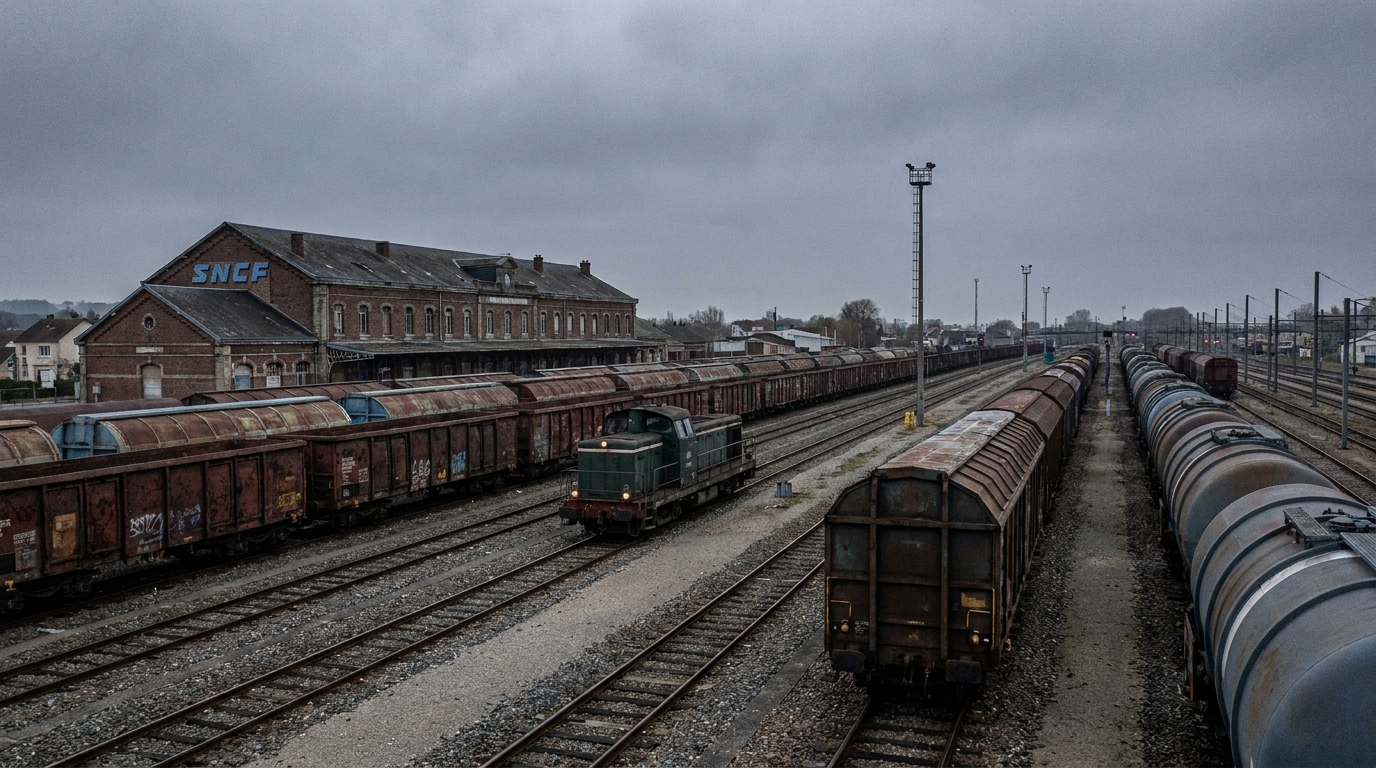
The four largest trade unions representing employees of the French state railway SNCF – CGT, Unsa, Sud and CFDT – have announced a joint nationwide strike scheduled for Wednesday, June 10, 2026This unprecedented union consolidation signals a deep crisis within France's largest rail operator, with consequences that extend far beyond the company itself. For European logistics companies, freight forwarders, and risk managers, this means an urgent need to review operational plans and activate contingency plans.
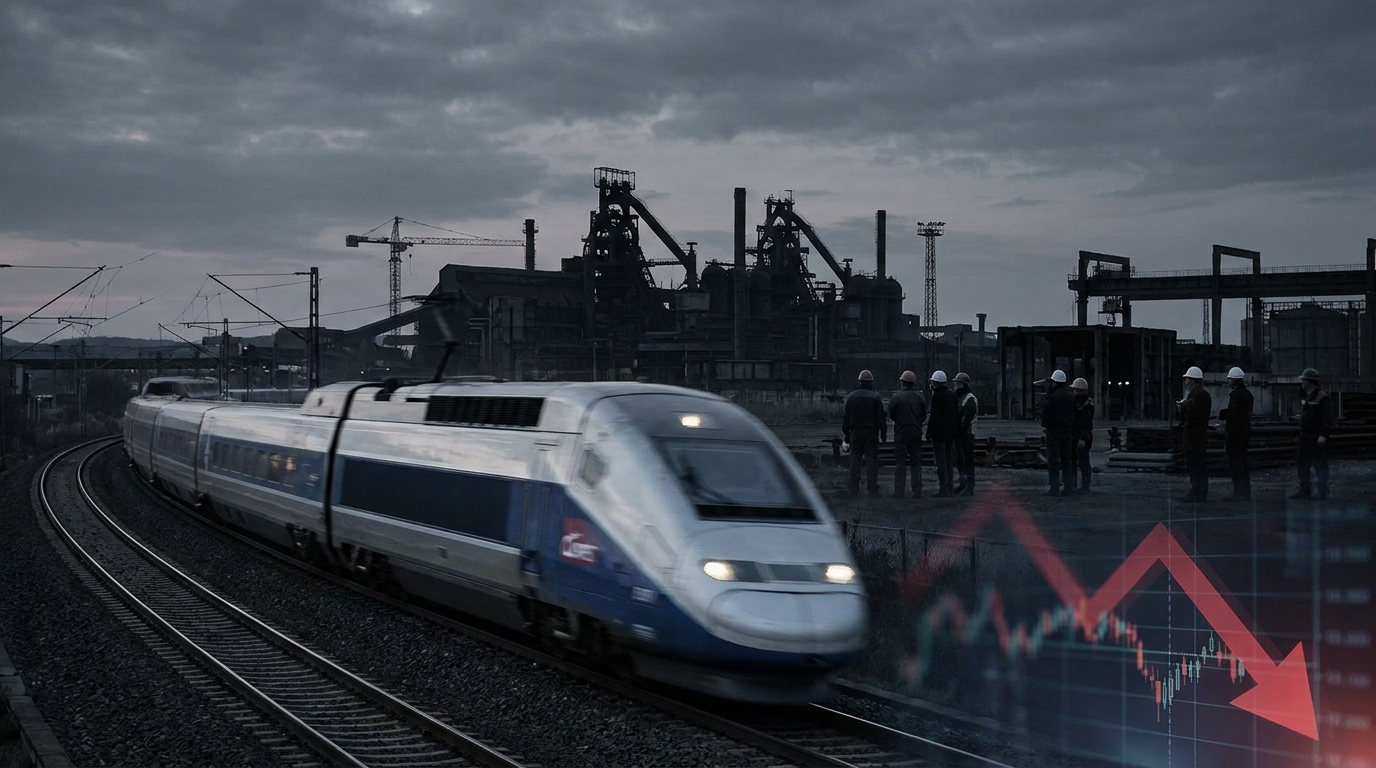
Tipping point – why is SNCF at a standstill?
The strike announcement did not come out of nowhere. The situation at SNCF had been escalating for many months, culminating in an open revolt by all the major employee representations. Romain Pitelet, deputy secretary general of CGT cheminots, used strong words in an interview published by the daily "La Marseillaise": according to him, there is a state of serious sanitary threatThis is not a figure of speech, but a diagnosis supported by statistics.
In the first four months of 2026 alone, twelve suicides were recorded among railway employees. This number, while shocking in itself, is, according to union officials, merely the visible tip of a much deeper crisis. Internal company reports document a sharp increase in sickness absence, escalating psychosocial risks, and widespread burnout affecting employees at all levels of the hierarchy—from manual workers and foremen to senior management.
What is particularly worrying from the perspective of corporate risk analysis: managers report increasing organizational chaos and a phenomenon known as placardization – deliberately relegating competent employees to the margins of the structure, depriving them of real tasks and responsibilities. This is a symptom of systemic dysfunction that impacts the operational quality of the entire organization.
Reorganization as a source of destabilization
Trade unions agree on the main cause of the growing crisis: the constant, deep restructuring imposed on the company in the name of rail market liberalization. For several years, SNCF has been undergoing a transformation forced by the EU's policy of opening the sector to competition and the need to meet the requirements of upcoming tender procedures. This process, described by employees as "saucissonnage" – literally “sausage slicing” – involves fragmenting integrated production processes and radically reducing operating costs.
The paradox pointed out by trade union experts and confirmed by the central works commission in its analytical report is as follows: the introduction of market mechanisms and the fragmentation of the enterprise generates higher system costs than maintaining an integrated model of rail infrastructure management. Instead of bringing economic efficiency, liberalization leads to the closure of smaller stations, the elimination of regional connections – particularly visible in regions such as Limousin – and to higher ticket prices, burdening end users of the system.
For a business risk analyst, this is a warning signal with a strategic dimension: when reorganization destroys human capital and disrupts the operational stability of a key link in the transport infrastructure, the costs borne by external users of this infrastructure may increase disproportionately to the quality of the services provided.
Transport safety under pressure from savings
An aspect that should particularly draw the attention of risk managers in the logistics industry are the threats to railway system safetyCost-cutting pressures are materializing in areas directly related to operational safety: attempts are being made to shorten mandatory rest periods for drivers and other staff, extend working hours beyond permissible limits, and drastically reduce vocational training programs.
A particularly worrying sign is the emergence of initiatives aimed at reducing driver training from the current twelve months to just five. In an industry where human error resulting from insufficient preparation can lead to a public disaster, such actions should be considered a direct threat to the integrity of the transport system.
From the point of view of companies using railway services in France, the growing risk of security incidents translates directly into uncertainty of deliveries, potential damage to cargo and difficulties in enforcing contractual liability from a carrier in a state of chronic operational instability.
Freight sector at the centre of the threat – Rail et logistique Europe
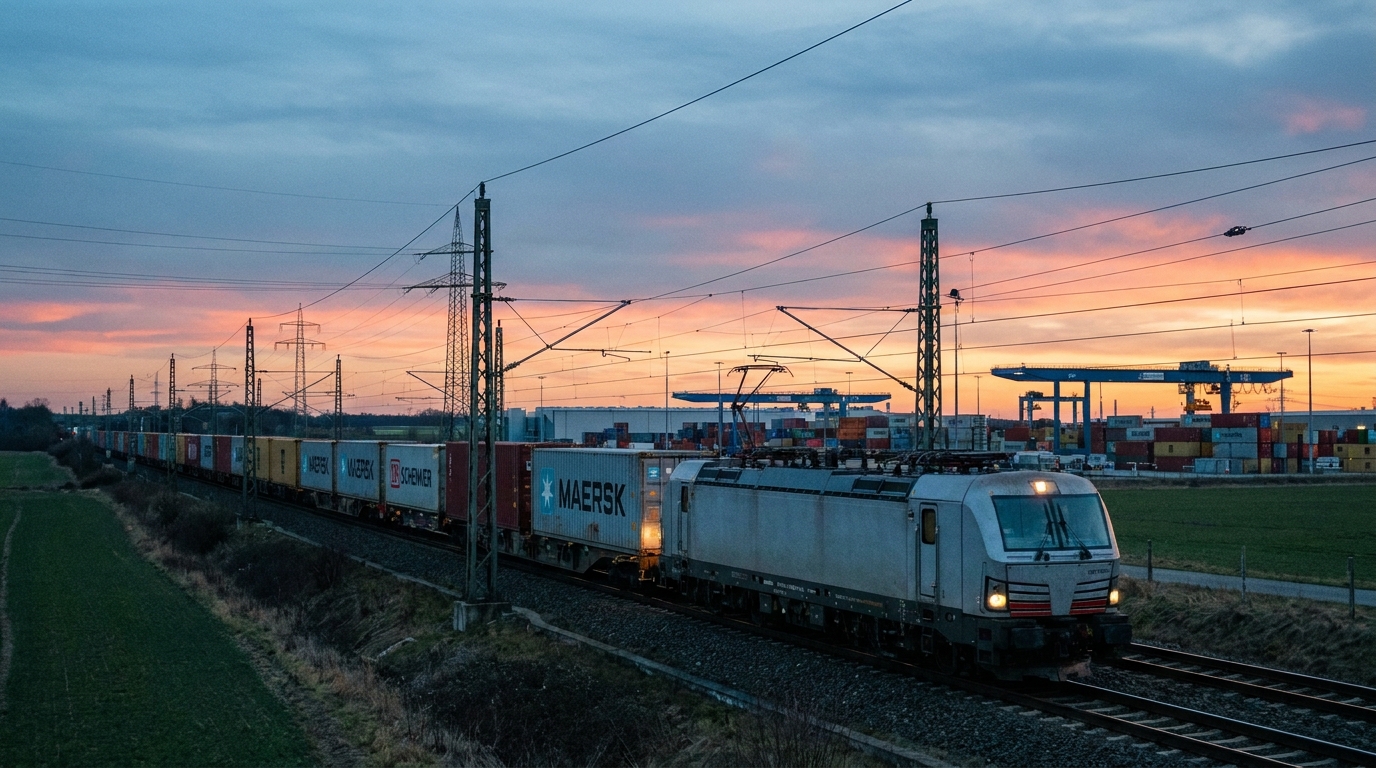
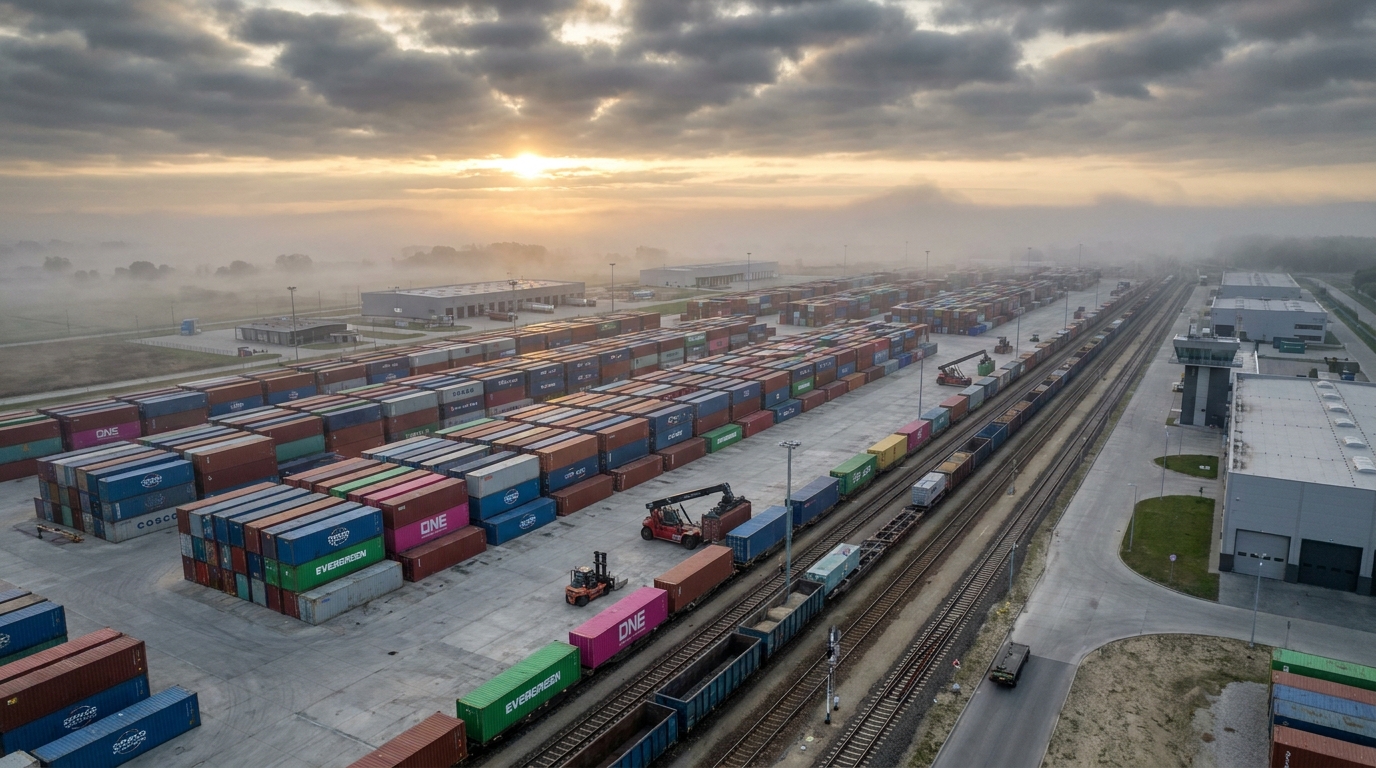
From the perspective of European logistics operators and supply chain participants, the key dimension of the current crisis at SNCF is its direct impact on the segment freight transportSNCF's rail and logistics arm – a company Rail et logistique Europe - operates in the worldrodoin the face of growing pressure that the June strike could bring to a critical point.
Trade unions point to a lack of strategic initiative from management in attracting new freight flows and expanding its service offerings, despite growing regulatory and market pressure across Europe to shift from road to rail as a more environmentally friendly alternative. Instead of capitalizing on this structural opportunity, the company is struggling to maintain its existing freight infrastructure: marshalling yards, rolling stock, and locomotives.
Shortages of rolling stock and infrastructure combined with staff destabilization create toxic mixture for companies dependent on rail freight. France serves as a key transit hub for traffic between the Iberian Peninsula and Central and Northern Europe – disruptions to the national rail network have a cascading effect across the continent.
Risk map for logistics operators – what could happen on June 10?
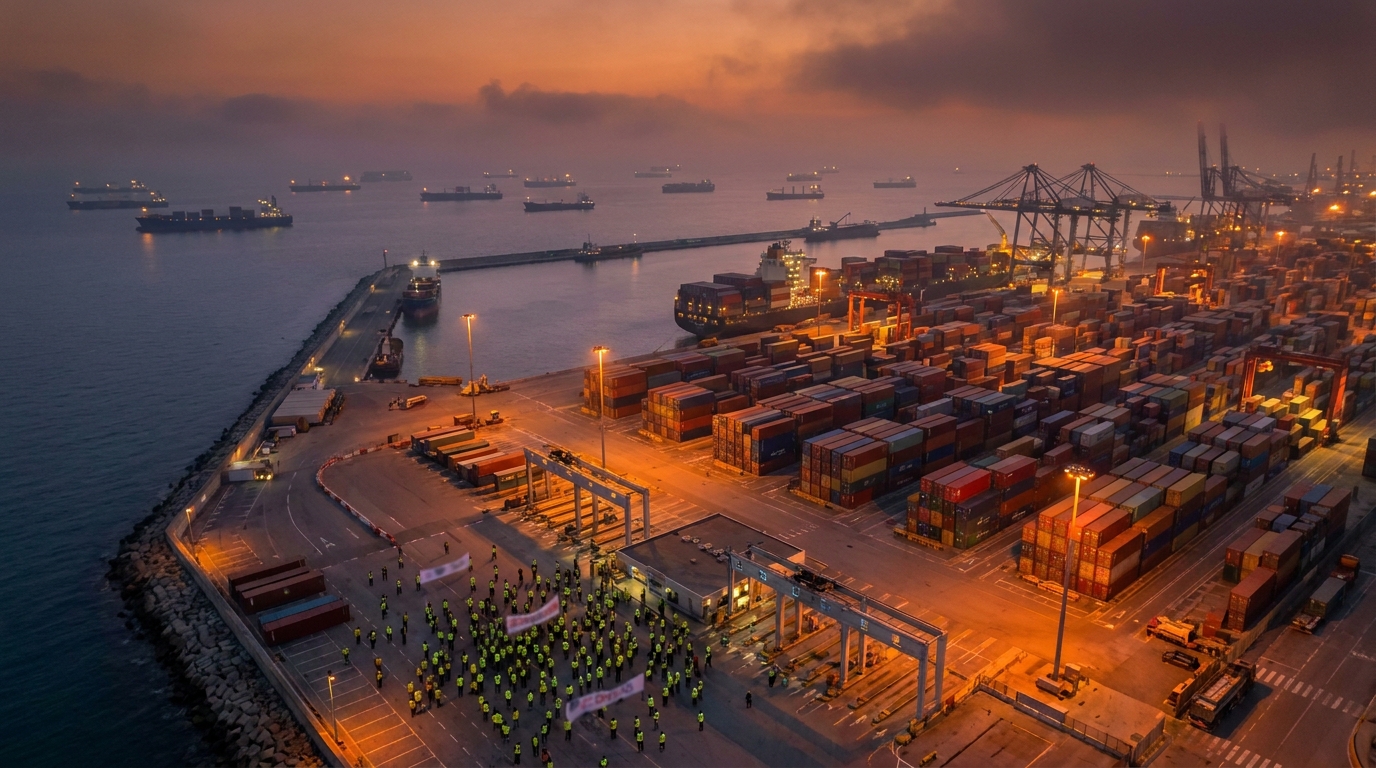
A nationwide strike involving four union headquarters is a scenario with a very high probability of operational paralysis. The history of previous strikes at SNCF indicates that a united union front usually translates into mass employee absenteeism, resulting in a dramatic reduction in the running of freight and passenger trains.
Logistics operators should prepare for the following scenarios:
- Total or partial suspension of freight traffic on lines operated by SNCF – this applies to both domestic and transit transport through the territory of France
- Delays at intermodal terminals – a strike by marshalling yard staff may result in a build-up of loads that are difficult to unload even after the strike action ends
- Cascading delays throughout the supply chain – Goods blocked in France will affect pickup and delivery schedules in destination and transit countries
- Increase in alternative transport rates – the sudden demand for road transport and other means of transport will translate into a sharp increase in freight prices
- Problems with contract enforcement and delay claims – companies will have to verify force majeure clauses in contracts with contractors
Trade union demands and negotiation prospects
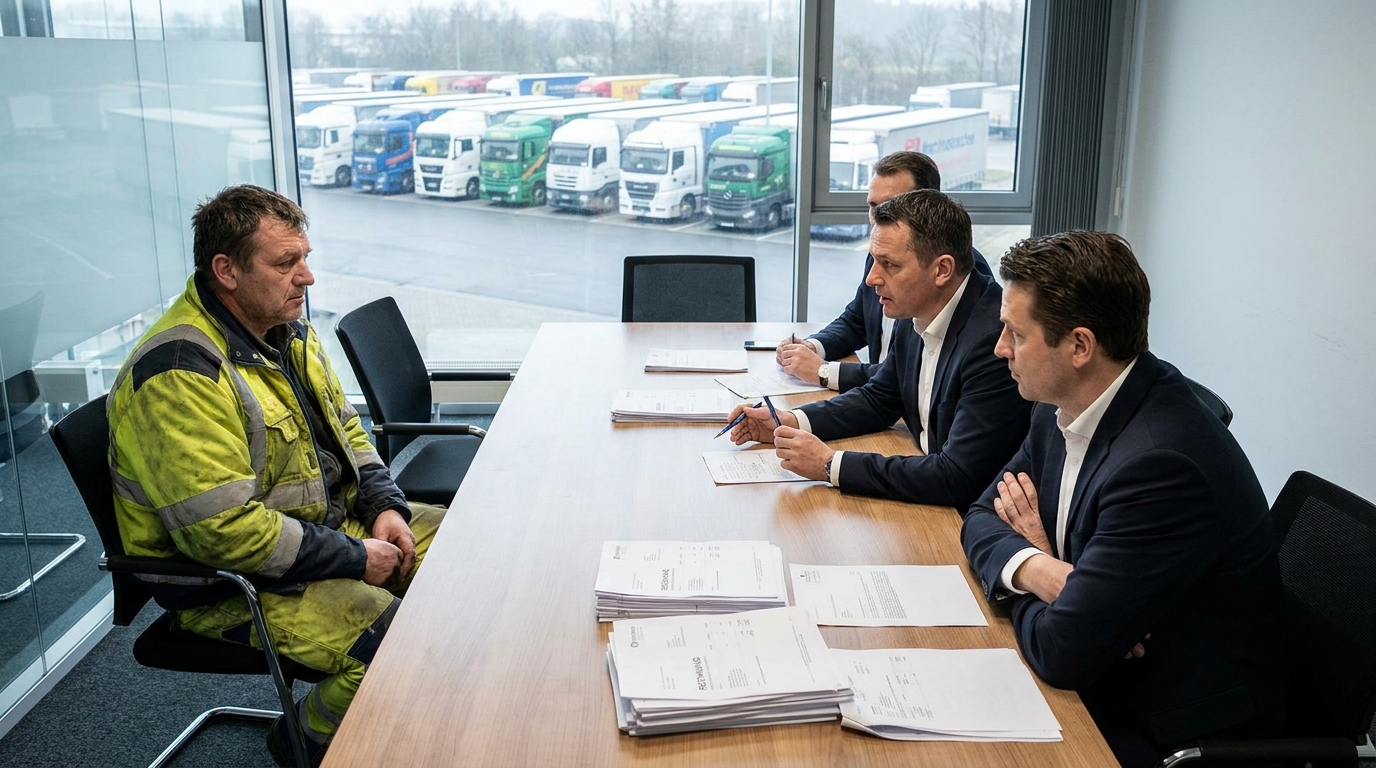
The unions have formulated a specific list of demands with which they intend to negotiate with SNCF president Jean Castex. The first demand is an immediate moratorium on further structural reorganizations – without this condition, the unions see no basis for stabilizing the internal situation. Other demands include:
- Suspending the processes of opening the market to competition in its current form
- Stopping the fragmentation of enterprise structures
- Real wage increases – unions reject one-off bonuses as a substitute for permanent base wage increases
- Protecting and restoring professional training standards, including the duration of training programmes for train drivers
- Compliance with working and rest time standards guaranteed by law
A united front of four central offices increases workers' bargaining power, but also complicates the scenario of reaching a quick agreement. Historically, negotiations with multiple entities representing different union orientations can be more time-consuming, meaning that the risk of the crisis extending beyond one day of the strike is real.
The European Context – Is This Just a French Problem?
It would be a mistake to dismiss the crisis at SNCF as a localized problem within a single carrier. The tensions observed in France are part of a broader phenomenon. liberalization of the European railway market, implemented based on successive European Union railway packages. Similar tensions between the integrated infrastructure management model and the requirements of open competition can be observed at various stages of advancement in many member states.
For European logistics companies, the situation in France should be a wake-up call to review their exposure to systemic risk related to the transformation of rail operators. Carriers undergoing rapid restructuring may temporarily offer services below cost or at prices that do not reflect full operational risk – creating moral hazard for cost managers, but also creating hidden liabilities and the risk of a sudden disruption to service continuity.
Recommendations for risk managers and logistics companies
In view of the upcoming strike and the deeper structural crisis of SNCF, EURODEBT.eu recommends the following actions:
- Immediate audit of rail risk exposure in France: Identify which supply streams cross France using rail transport and assess their sensitivity to downtime on June 10 and the following days
- Activation of business continuity plans (BCP): Activate emergency procedures for critical deliveries – contact road and sea operators to reserve capacity before expected increases in demand
- Verification of contract clauses: Review your contracts with your contractors for force majeure clauses, delivery dates and liability for delays – make sure your business is protected and you know what obligations it has to its customers
- Diversification of transit routes: Consider redirecting cargo through alternative routes bypassing France – possible options include corridors through Switzerland, Germany or maritime transport via Atlantic and Mediterranean ports
- Monitoring the negotiation situation: Follow the progress of talks between SNCF and the unions – a possible agreement before June 10, or no agreement at all, will provide key information for operational planning
- Verification of partner credibility: Assess the financial and operational condition of logistics companies that are heavily dependent on SNCF transport – prolonged disruptions could strain the financial liquidity of smaller operators
Business Risk Perspective – What Does This Crisis Tell Us?
The SNCF crisis is a textbook example of how reputational and social risk within a large organization turns into an operational risk for the entire business ecosystem built around that organization. Companies that fail to incorporate organizational health indicators of key infrastructure service providers into their risk management models expose themselves to painful surprises.
Indicators such as increasing sickness absence, high staff turnover, escalation of labour conflicts and the number of strike actions are reliable predictors of future operational disruptionsIn the case of SNCF, all these signals were available long before the June strike was announced. The question every risk manager should ask themselves is: did their company have systems in place to monitor these signals and take appropriate preventive measures?
In the long term, resolving the dispute over SNCF's operating model—between integrated management and market liberalization—will have fundamental implications for the shape of rail supply chains in Western Europe. The outcome of this battle will determine whether rail freight in France becomes a truly competitive alternative to road transport, or whether it continues to lose market share to trucks, contrary to the declared goals of the EU's climate policy.
On the EURODEBT.eu platform, we will monitor developments and keep you updated on any changes that may affect the security of transactions and the operational continuity of companies cooperating with the transport and logistics sector in France and Europe.