
Record PLN 3,3 billion in debt in Polish TSL: one in eight transport companies fails to pay on time
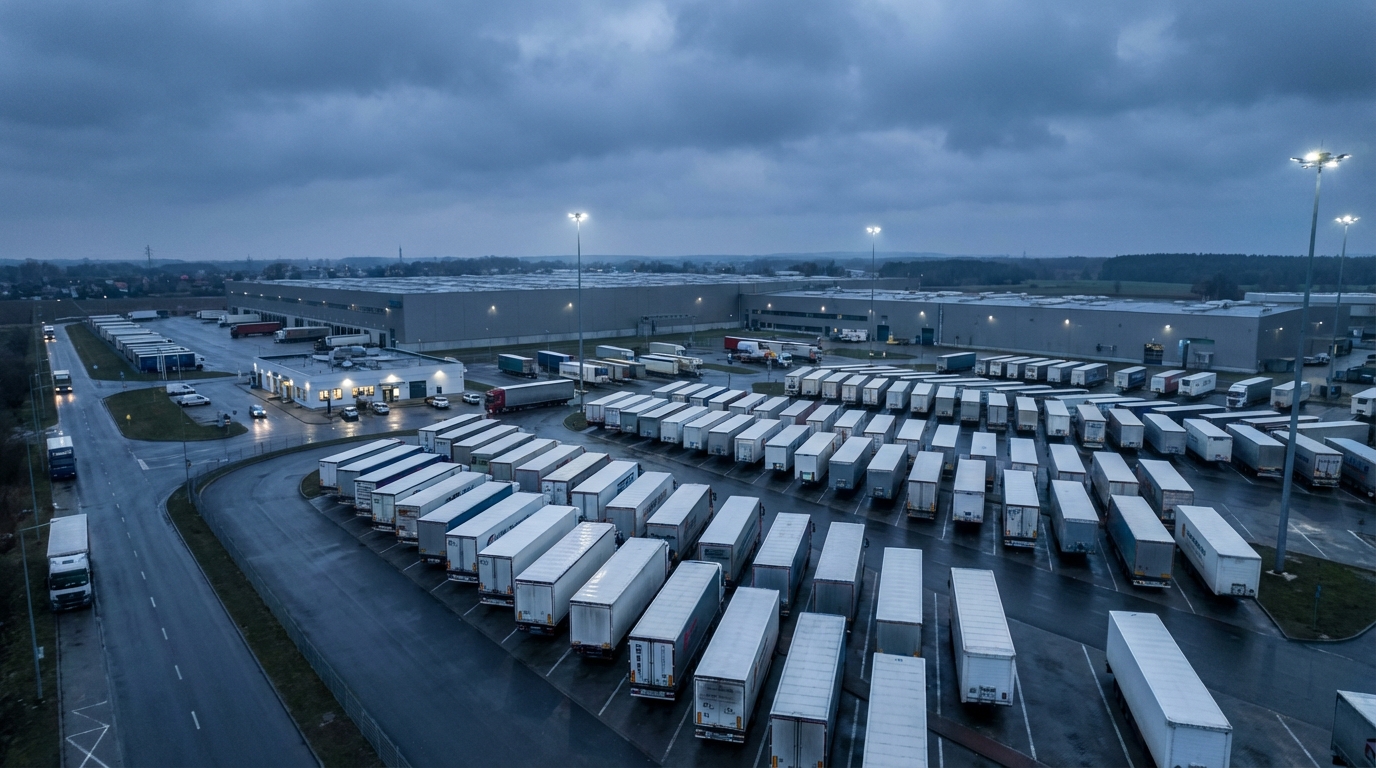
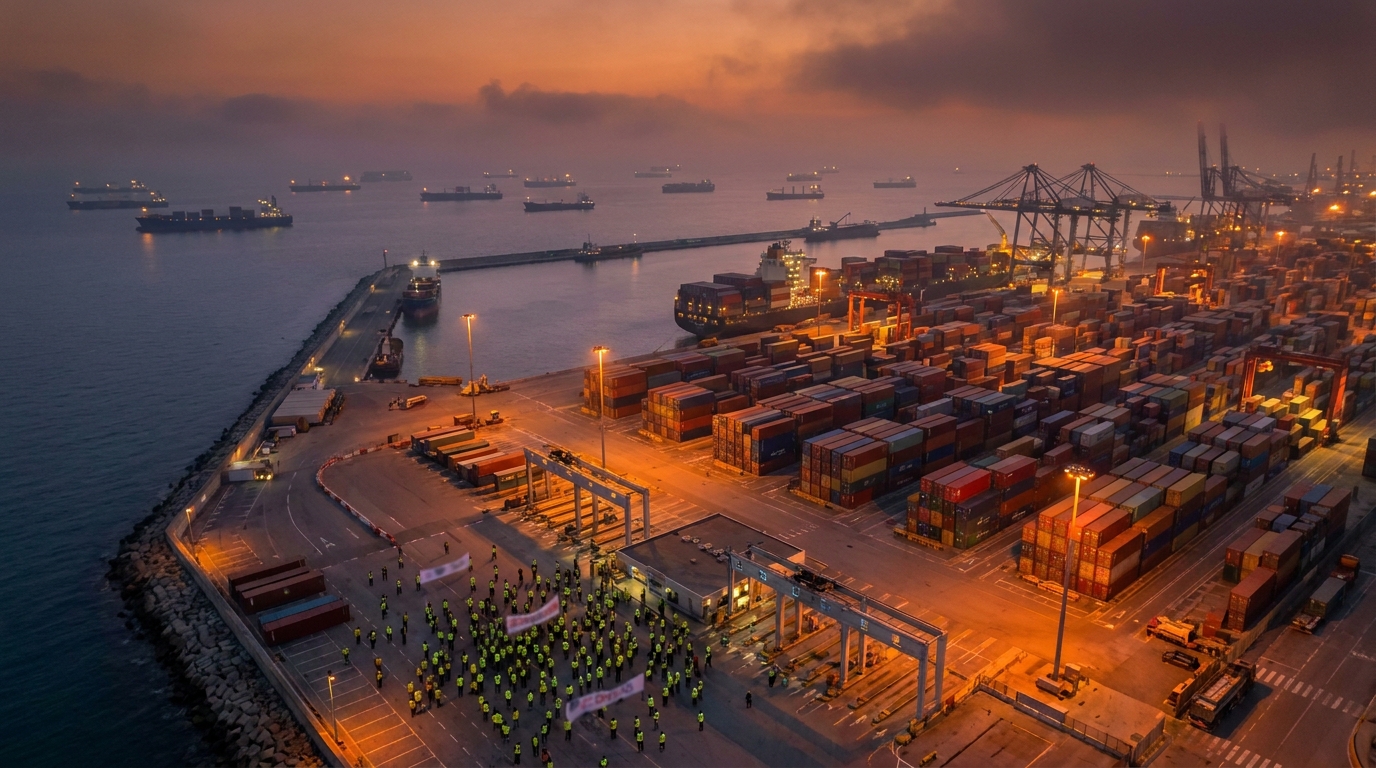
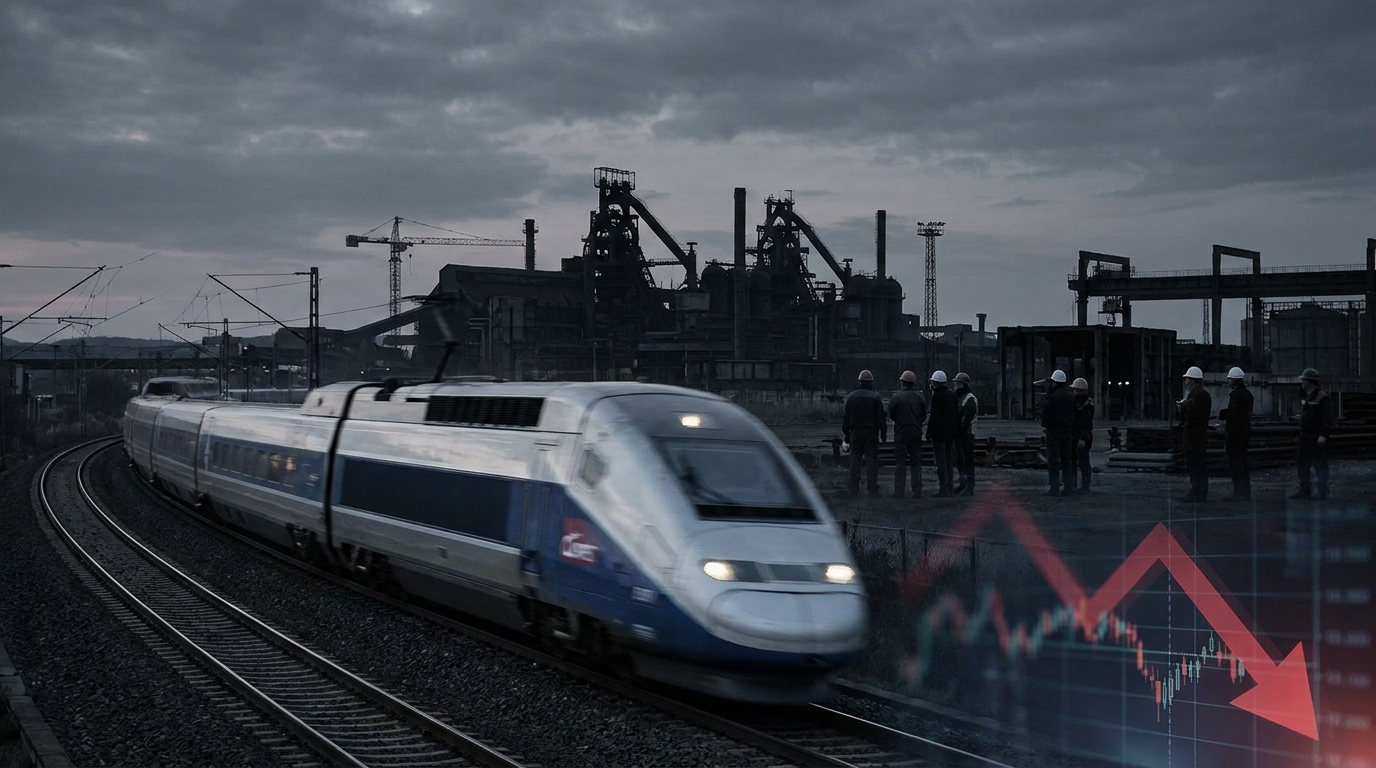
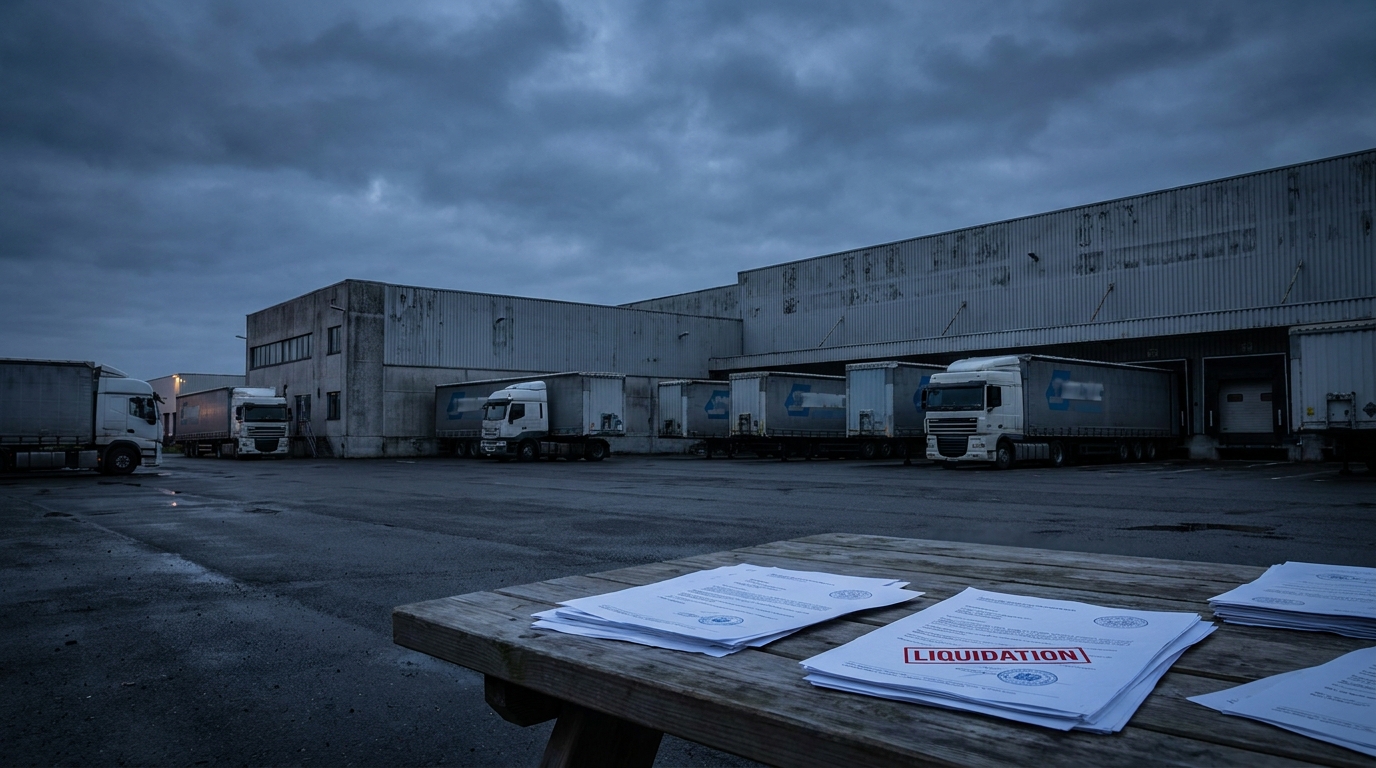
The Polish transport, forwarding and logistics (TSL) sector entered 2026 with a record burden of unpaid liabilities. Total financial arrears of companies across the industry reached a level close to 3,3 billion zlotys, and problems with timely payment already affect more than 38 thousand business entitiesData from the BIG InfoMonitor Debtor Register and the BIK credit database leave no doubt: the industry, which is one of the foundations of the Polish economy and a key participant in the European transport market, has reached a critical juncture.
The scale of the problem: billions of zlotys in debt and thousands of companies in trouble
We are talking about a phenomenon that has long ceased to be solely a problem of individual, poorly managed businesses. The scale of debt and the number of entities affected clearly indicate the systemic nature of the liquidity crisis across the entire economy. For comparison, just a few years ago, the TSL industry's backlog was measured in completely different terms. The current level is the result of structural problems that have been building up over the years, which, combined with a challenging macroeconomic environment, have led to a true financial crisis.
It's worth emphasizing that the number of over 38 indebted companies isn't just a dry statistic—behind each of these entities stand employees, subcontractors, suppliers, and creditors. The TSL crisis is a crisis that extends across the entire economic network, directly or indirectly affecting a much broader range of market participants.
Road freight transport: the epicenter of the crisis
The undisputed center of the problem is road transport of goods (PKD 4941Z), which generates approximately 75 percent of total arrears TSL sector. In absolute terms, this means an amount exceeding 2,46 billion zlotys outstanding liabilities. What's more, the growth dynamics of debt in this segment is as alarming as its absolute level - in just one year, nearly 170 million zlotys new arrears, which translates into a year-on-year increase of over 7 percent.
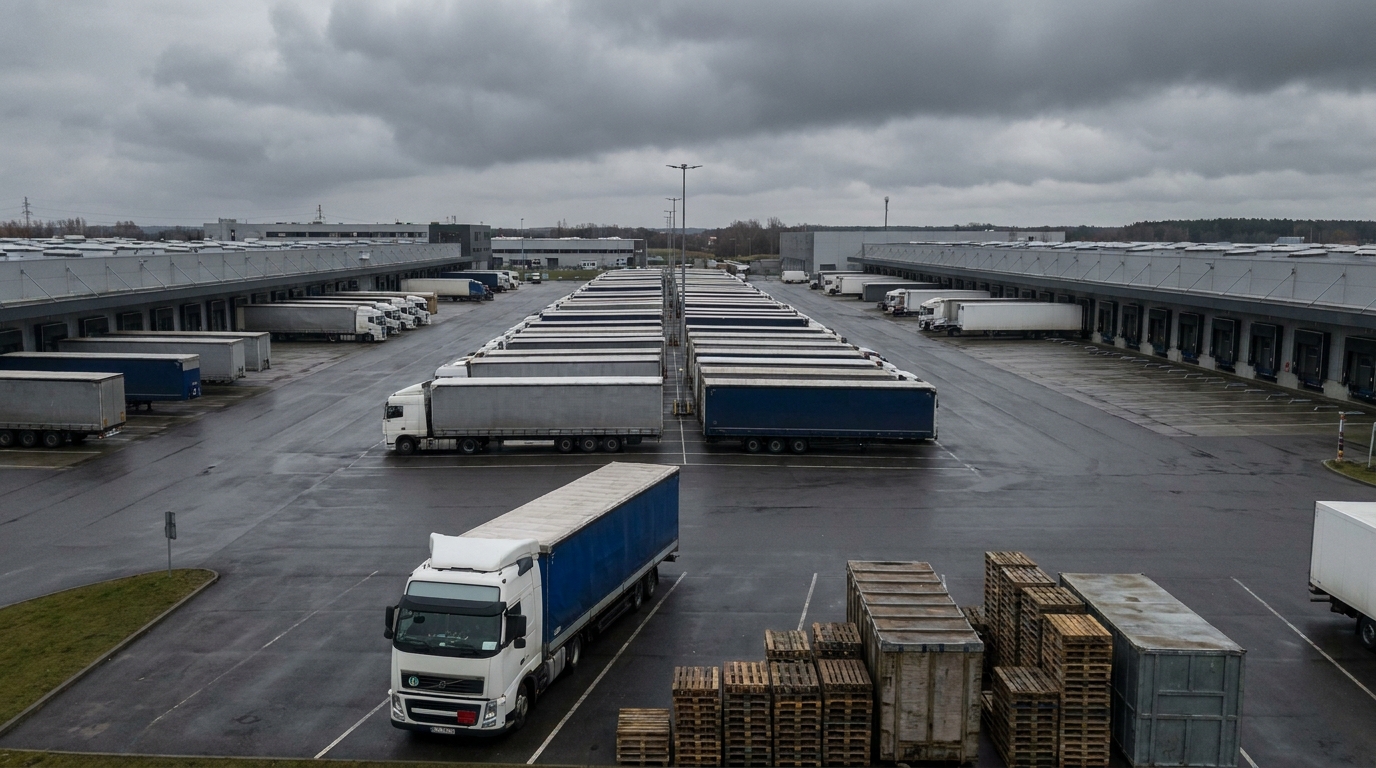
Today, the registers of unreliable debtors include over 28 thousand companies from road transport alone. However, even more telling is the proportion: as much as 11,2 percent of all road carriers in Poland — statistically, one in eight companies — fails to make their payments on time. This indicator should raise serious concerns not only among industry entrepreneurs themselves, but above all among their trading partners, banks financing their operations, and trade credit insurers.
The average amount of debt per debtor in this sector is currently around PLN 86For many small and medium-sized transport companies—which constitute the vast majority of the Polish transport market—this amount could mean a real threat of losing the ability to continue operating.
Warehousing and logistics: the problem spreads to the entire back office
It would be a mistake to view the current crisis solely as a problem for carriers. The data clearly shows that financial pressures are rapidly spreading across the industry's entire operational ecosystem. warehousing and service activities supporting transport (PKD 52) records arrears that already exceed 400 million zlotys, and the growth dynamics here is even higher than in road transport - it amounts to 12 percent year-on-year, which corresponds to an increase of PLN 43 million.
More than 2,800 indebted entities in the warehousing and logistics segment, this is a clear signal that financial difficulties are not limited to those who physically drive the vehicles, but also extend to warehouse operators, supply chain management companies, forwarding agents, and the entire operational support network. This, in turn, generates additional systemic risk—a breakdown in the warehousing segment could paralyze customer service even when the physical transportation of goods would be possible.
Payment backlogs: a spiral that fuels the crisis
The key to understanding the mechanism of growing debt is the so-called payment backlogsAccording to the analyses of Dr. hab. Waldemar Rogowski, chief analyst at BIG InfoMonitor, as many as 84 percent of companies in the TSL sector report that their contractors regularly fail to meet payment deadlines. This is a staggering percentage that sheds a completely new light on the nature of the problem.
The mechanism is relatively simple, but its consequences are devastating. The transport company fulfills the order, issues an invoice, and... waits. When payment isn't received on time, the company itself loses its financial liquidity. Lease payments for rolling stock, driver salaries, fuel costs, insurance—all these obligations must be met regardless of whether the money from customers has actually been received. As a result, the carrier, itself a victim of payment backlogs, becomes involuntarily indebted to its own subcontractors and suppliers. The spiral spirals rapidly, and the chain of cause and effect is difficult to break without external intervention—financial or regulatory.
The situation is further complicated by the nature of the industry, where margins are historically low and operating costs are high and inflexible. Carriers have virtually no financial buffer to absorb payment delays from clients over an extended period. Even a delay of several weeks in settling receivables can undermine the financial stability of a small or medium-sized carrier.
Multiple Strikes: What's Killing the TSL Industry?
The liquidity crisis in the TSL sector is not the result of a single cause, but of the overlap of many unfavorable factors that operate simultaneously and mutually reinforce each other's negative impact.
Operating costs without brakes
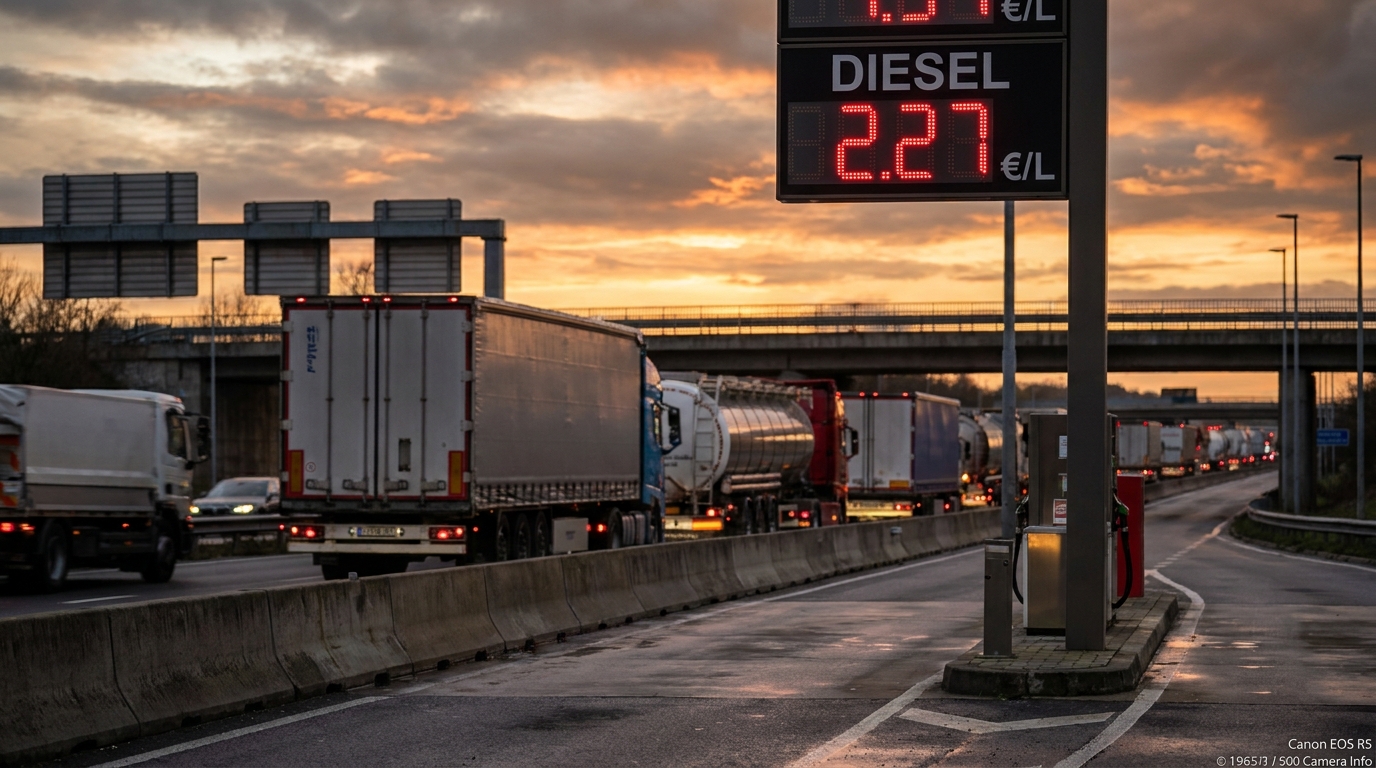
High fuel prices have been a major challenge for road hauliers for years. Despite some fluctuations in commodity markets, truck fuel costs remain at levels that drastically reduce already thin margins. rising labor costs — the salaries of professional drivers are systematically rising, which is understandable from an employee perspective, but it constitutes a serious burden on the budgets of transport companies, where wages constitute one of the largest cost items.
Dramatic driver shortage
The industry has been struggling with this for years chronic shortage of qualified professional driversThis problem not only drives up labor costs but also limits companies' operational capacity—fleets are idle, and orders cannot be fulfilled. In the long term, staffing shortages lead to companies competing for the same employees, offering increasingly higher salaries, which directly impacts profitability.
Winter as a catalyst for the crisis
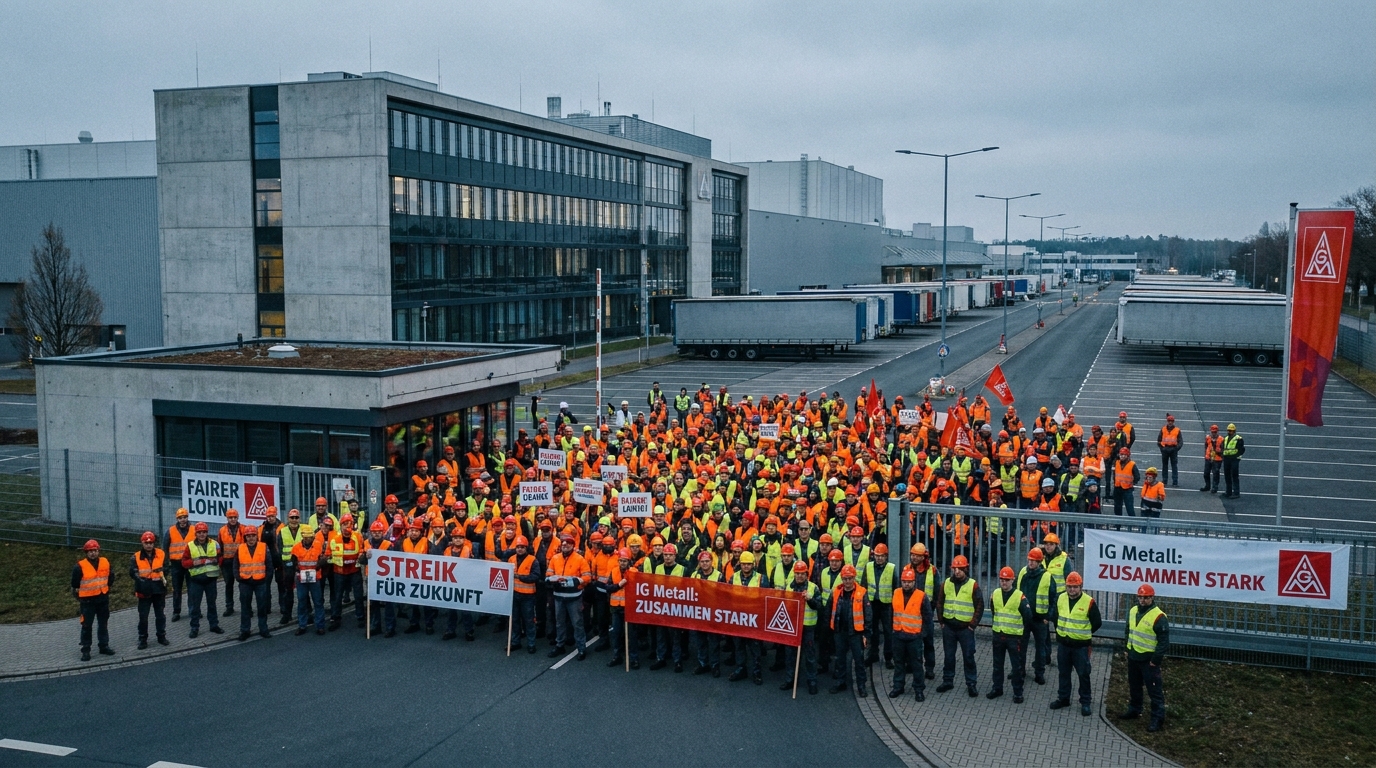
At the turn of 2025 and 2026, the industry experienced an additional, temporary blow — extremely difficult weather conditionsFrost and heavy snowfall led to massive delays in order fulfillment, forced higher vehicle operating costs, and increased employee wage costs. For companies already operating on the verge of profitability, this single winter could have meant crossing a financial tipping point.
Regulatory pressure and transformation costs
The TSL industry is also facing a growing regulatory pressure from the European Union. Fleet decarbonization requirements—that is, the need to invest in electric vehicles or vehicles powered by alternative fuels—represent enormous capital expenditures that most small and medium-sized carriers simply cannot afford. The digitization of supply chain management processes, ESG reporting requirements, and new regulations regarding drivers' working hours are other elements that generate costs and absorb company management resources.
The European dimension of the Polish TSL crisis
The problems of the Polish TSL sector are not only an internal matter in Poland. Poland has the largest heavy transport fleet in the entire European Union and handles a significant portion of the continent's land-based road transport. Polish drivers and Polish transport companies are literally the lifeblood of European trade, transporting goods between factories, warehouses, and retail outlets in all EU countries.
In this context, possible mass bankruptcies of Polish carriers They would pose a serious threat to the entire European supply chain. The impact could be felt by manufacturing companies in Germany, France, and the Netherlands, which rely on Polish transport companies for timely deliveries of components and finished products. For risk managers across Europe, the current situation in the Polish TSL sector should be a wake-up call—not only because of the direct exposure to credit risk posed to Polish partners, but also because of potential supply chain disruptions.
Financial institutions, trade credit insurers and large corporations using Polish transport services should now verify their exposures and contingency scenarios in the event of an escalation of the crisis.
Risk Assessment for Business Partners: What to Check
In the current market conditions, every company commissioning transport or establishing commercial partnerships with entities in the TSL sector should conduct a thorough verification of their partner's financial credibility. Below are the key areas of risk analysis:
- Payment history in debtor registers — checking whether the company is listed in BIG InfoMonitor, KRD or other national debt registers.
- Financial liquidity indicators — analysis of available financial statements in terms of ability to service current liabilities.
- Debt structure — assessment of the share of leasing in the financing of rolling stock and the terms of repayment of leasing liabilities.
- Age and technical condition of the fleet — an old or poorly maintained fleet means higher operating costs and a greater risk of downtime.
- Stability of management and staff — high turnover is a warning signal.
- Carrier and cargo liability insurance conditions — verification of the validity and scope of policies.
- Customer opinions and cooperation history — references and history of order fulfillment on time.
Outlook: Is there light at the end of the tunnel?
Despite the clearly pessimistic picture of the current situation, in the longer term, until 2026, certain factors appear that may bring relief to at least part of the TSL market.
First of all, economic forecasts indicate gradual recovery of demand in Germany — Poland's largest trading partner — and other key EU economies. The increase in production and trade activity beyond the western border automatically translates into greater demand for transport services, which can improve the revenue situation of Polish carriers.
The strong driver of demand remains dynamic development of e-commerceE-commerce is generating ever-increasing demand for last-mile delivery services, warehousing, and fast express transport—segments in which Polish logistics companies have extensive experience and expertise.
More and more companies also see the opportunity in modern technologiesAutomating route planning processes, implementing data-driven fleet management systems, and even the first applications of artificial intelligence in logistics optimization—these are tools that can significantly reduce operating costs and improve profitability. Companies that choose this path will be better positioned to weather the current challenges and strengthen their market position in the long term.
However, a dramatic improvement is not expected in the short term. Experts indicate that 2026 will likely bring intensification of consolidation processes In the TSL market, weaker, indebted companies will be acquired by stronger players or forced to declare bankruptcy. For the latter, this is obviously a tragedy for owners and employees, but for the market as a whole, consolidation could mean better capacity management and a more sustainable pricing structure in the long run.
Summary: A Risk Management Perspective
The record debt of the Polish TSL sector at almost PLN 3,3 billion, over 38 companies with payment problems and one in eight road carriers appearing in the debtor registers - these are data that should trigger an immediate reaction from all entities cooperating with the industry.
For clients of transport services It is crucial to extend contractor verification procedures to include regular checks of their financial condition, diversify the base of logistics suppliers and be cautious when concluding long-term contracts with entities whose financial situation raises doubts.
For banks and lessors financing transport fleet, it is time to review credit exposures and tighten the criteria for assessing repayment capacity, especially in the segment of small and sole proprietorship transport companies, where the concentration risk is the highest.
For trade credit insurers Increased monitoring of the trade receivables insurance portfolio in the TSL industry should now be standard, not optional.
The Polish transport and logistics industry is too important to the European economy to afford to ignore the alarm signals raised by debt data. The scale of the problem requires a coordinated response—from entrepreneurs themselves, financial institutions, regulators, and business partners across Europe.