Staff crisis in Polish transport: administrative paralysis threatens the leading position in Europe
The Polish road transport sector—for decades the undisputed leader of the European freight transport market—is facing a crisis that could permanently alter the balance of power on the continent. In August 2026, the employers' organization Transport i Logistyka Polska (TLP) published an alarming statement pointing to a growing structural shortage of professional drivers and a growing administrative paralysis in procedures for legalizing the employment of foreigners. The consequences are felt today—i.e., immobilized trucks, unfulfilled contracts, and a serious risk of losing customers from Western Europe. Unless swift legislative intervention occurs, the Polish TSL industry may begin to lose companies to countries with more favorable regulatory environments.
Poland as a Transport Leader – and Why This Status Is at Risk
Over the past two decades, Polish transport companies have built their dominant position in Europe based on several key advantages: a skilled workforce, relatively lower operating costs, and dynamic fleet expansion. Polish trucks now serve a significant portion of trans-European freight routes, and the entire TSL sector is a pillar of Polish service exports and state budget revenues.
However, this position, built over years, isn't guaranteed forever. The driver is the foundation of every transport company's operation—and this is where a problem arises that the industry describes as structural, not seasonal. The shortage of qualified professional drivers in Poland isn't solely the result of the pandemic or a one-time employee outflow. It's a long-term phenomenon, rooted in demographics, working conditions, and the ineffectiveness of the vocational education system, which has been growing for years and has now reached a critical point.
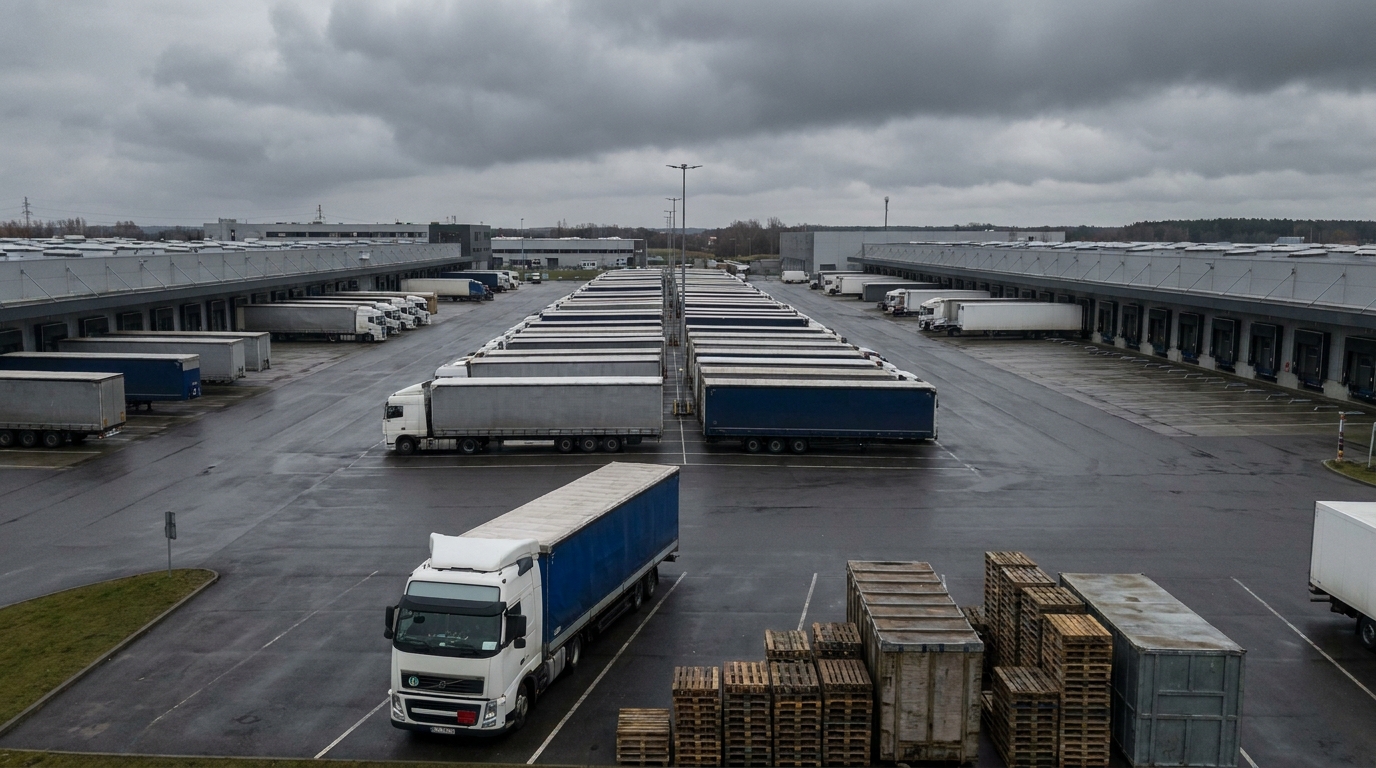
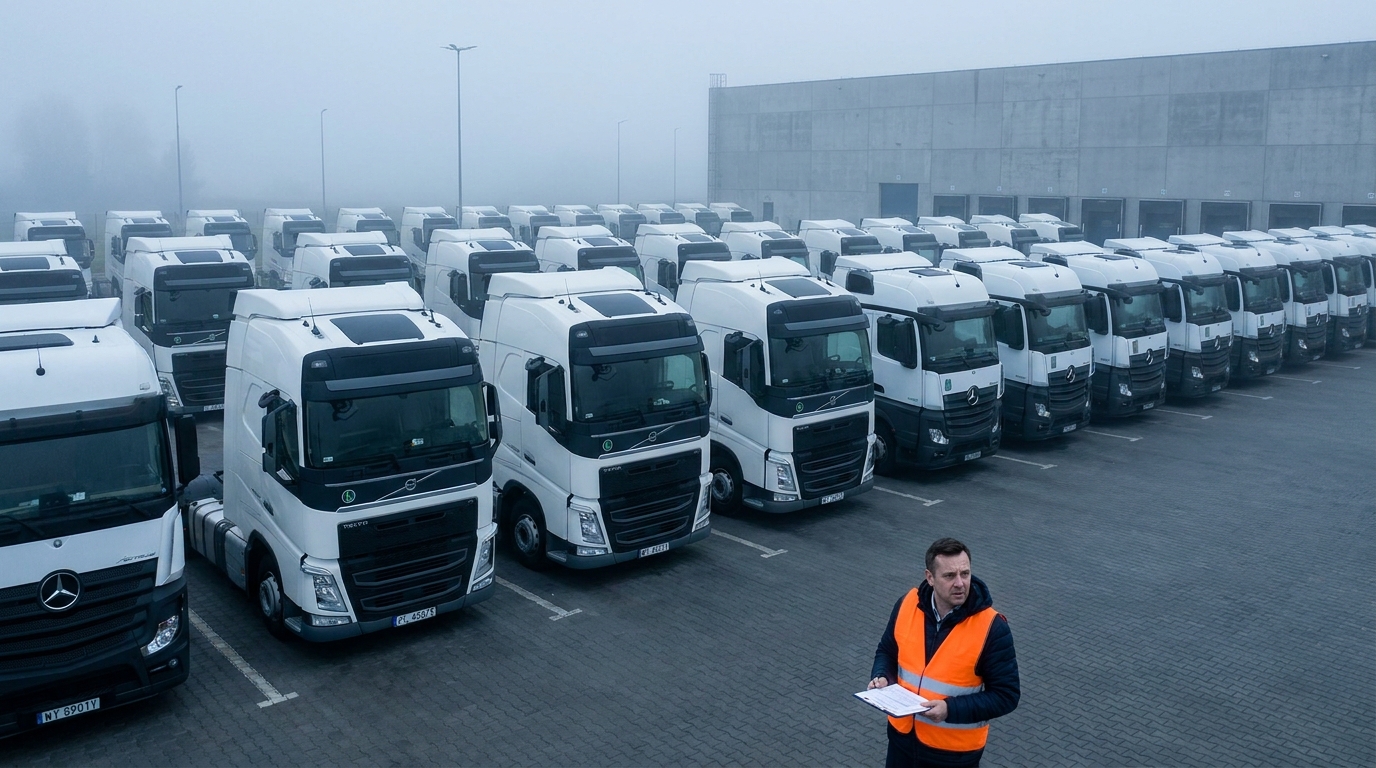
In practice, this translates into a situation familiar to operational managers: trucks ready to leave are parked in yards because there's no one behind the wheel. Companies that have invested in fleet expansion and signed multi-million-dollar contracts with Western contractors are unable to fulfill them. This generates not only direct losses—contractual penalties and downtime—but above all, lasting damage to reputation and the risk of severing long-standing business relationships.
Drivers Wait, Trucks Stand Still - How the Administrative Gordian Knot Works
A natural response to the shortage of domestic drivers is to hire workers from abroad. For years, Polish transport companies have successfully integrated drivers from Ukraine, Belarus, Moldova, and Georgia into their teams. However, the process of hiring a foreigner in international transport is challenging.rodois much more complex than it might seem.
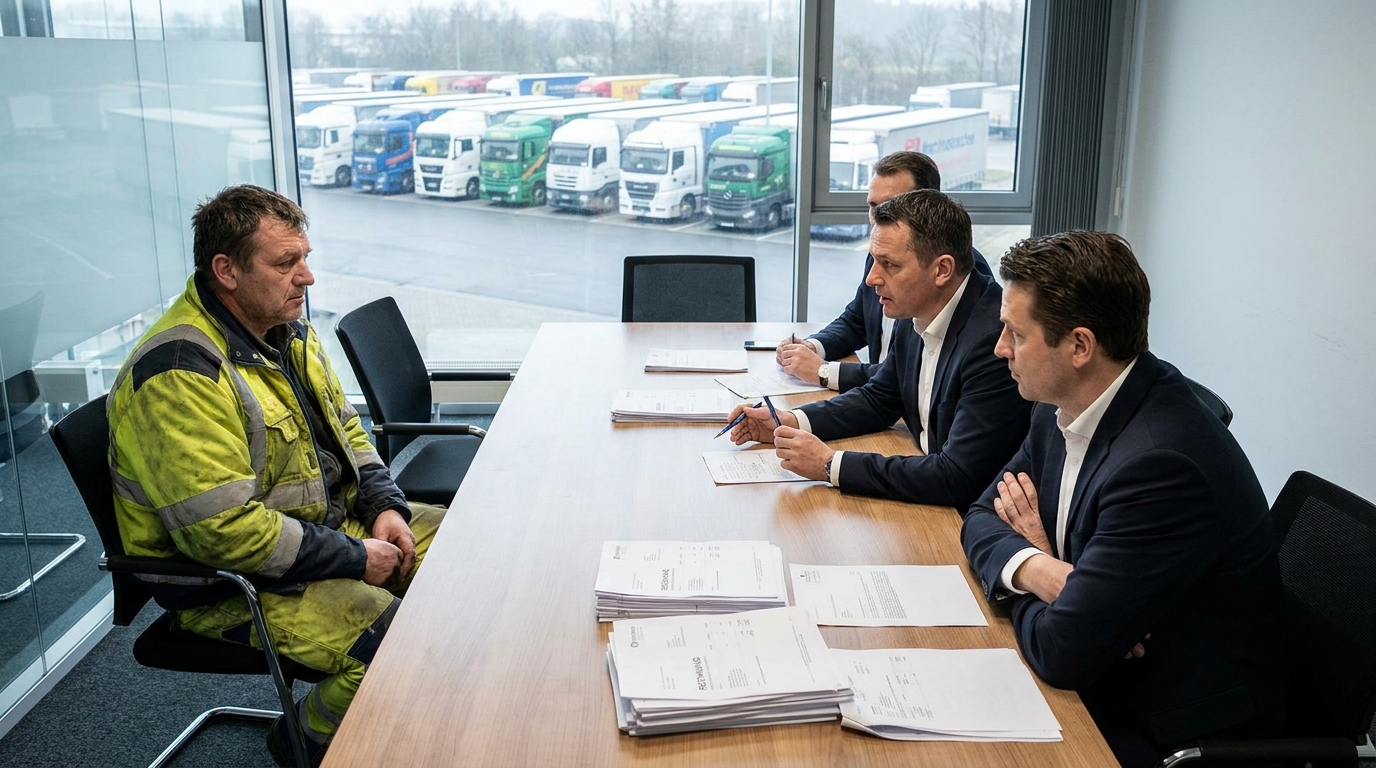
The key problem stems directly from the Schengen regulations: simply obtaining a work permit is not sufficient for a driver to operate international vehicles.rodoOn the road. Appropriate residence permits are required to cross the borders of European Union countries. And this is where the problem begins—issuing these documents by Polish offices takes weeks, often months. During this time, the driver is formally employed, receiving a salary or awaiting payment, but is unable to perform his job. The tractor-trailer, which should generate income, generates only costs.
The industry points to systemic inefficiencies within the bureaucracy's handling of immigration applications. There are no priority pathways for professions of strategic importance to the economy, and there are insufficient staffing resources in regional offices to efficiently process the rapidly growing number of applications. As a result, a ready, trained, and licensed driver from Ukraine is left waiting in an administrative queue while his or her future employer loses their contract.
The 2025 Act: Good Intention, Dead Regulation
This problem was recognized by the legislature. The Act of March 20, 2025, on the Conditions for the Admissibility of Entrusting Work to Foreigners contained a provision intended to address market gaps—a mechanism for creating an official list of shortage professions. The logic was simple and sound: if the labor market demonstrates a shortage in specific specialties, employment legalization procedures for foreign workers in these professions should be simplified and expedited.
Unfortunately, this provision exists only on paper. The implementing regulation that would implement this mechanism in practice has not yet been issued. Furthermore, work on its draft was suspended in early 2026. The industry is therefore faced with an absurd situation: the law formally allows for the creation of a tool that could resolve the crisis, yet this tool is not being developed.
For businesses, this means losing the ability to utilize flexible mechanisms for staffing. Professional drivers remain off the list of shortage professions not because the labor market is saturated with them—quite the contrary—but because appropriate implementing regulations are ineffective. This is a classic example of a gap between the letter of the law and its implementation, the costs of which are borne by the private sector.
What does TLP propose – three paths out of the crisis
The Transport and Logistics Poland organization (TLP) doesn't stop at diagnosing the problem. As part of the consultations on the draft UD396 Act, addressed to the Ministry of Family, Labor, and Social Policy, TLP presented a specific package of solutions. These solutions are worth analyzing from a risk manager's perspective, as the operational stability of the entire sector depends on legislative decisions in this area.
Option one: mandatory and cyclical list of shortage professions
TLP proposes introducing an absolute obligation for the Ministry of Labor to regularly publish a list of professions experiencing staff shortages. The key word is "mandatory"—the industry doesn't want to leave this matter to the discretion of officials. The list would be published periodically, in consultation with the Ministry of Economy and the Ministry of Interior and Administration. This solution would ensure an automatic update mechanism, responding to the changing needs of the labor market.
Option two: a separate list for cross-border workers
A more precise solution would be to create a dedicated list of shortage professions exclusively for workers providing cross-border services. This proposal is of particular importance to the transport industry, as it takes into account its specific nature – a driver operating international routesrodoThis is a profession with a different risk profile and different requirements than an employee performing the same work exclusively domestically. A separate list would allow for precise targeting of support instruments where they are actually needed and could be directly linked to the strategic dimension of transport for supply chain security.
Option three: strategic entity status for large carriers
The third postulate concerns the extension of the qualification criteria to the group of entities of strategic importance for the economy.rodoCurrently, this status is reserved for a small group of companies, primarily in the energy and defense sectors. TLP is calling for the inclusion of large transport companies—those employing more than 250 employees—in this category.
Strategic entity status means access to the so-called fast-track processing of applications for work and residence legalization for foreigners. In practice, this would reduce waiting times from months to weeks or even days. For companies fulfilling contracts with European retail chains, car manufacturers, or pharmaceutical distributors—where delays are measured in hours, not days—this could be a breakthrough solution.
The "capital flight" scenario — a real threat to the Polish budget
Maciej Wroński, president of TLP, issued a warning that should serve as a wake-up call not only for the industry but, above all, for policymakers. He speaks directly about the risk of "capital flight"—the migration of fleets and company headquarters outside of Poland.
The mechanism behind this phenomenon is well known to economists. If the regulatory environment in a given country makes running a business too expensive or too risky, entrepreneurs seek alternatives. For transport companies, the alternatives are concrete: registering a business in the Czech Republic, Lithuania, Romania, Bulgaria, or other EU countries where immigration and employment procedures are more user-friendly or at least more predictable.
Importantly, relocating a transport company outside of Poland isn't as complicated as relocating a production facility. Trucks can be relocated, contracts can be renegotiated, and drivers—already legalized in another country—can operate the same routes. Poland then loses taxes, management and administrative jobs, social security contributions, and the title of European transport leader, which for years was synonymous with Poland's competitive advantage in Europe.
The scale of this threat is even greater because the relocation process can be avalanche-like. When several large players relocate their operations, it creates a precedent and a ready-made infrastructure that others will benefit from. The herd effect is a well-documented phenomenon in the transportation industry.
Business Risk Perspective - What Every Trading Partner Should Know
For risk managers and business owners assessing the credibility of Polish transport partners, the current situation requires special attention. The staffing crisis and administrative barriers translate into several specific categories of operational risk:
- Risk of continuity of contract execution — Companies struggling with a driver shortage may be unable to ensure constant fleet availability. Before signing or renewing a long-term transport contract, it's worth verifying how a given carrier manages its staffing resources and whether it has contingency procedures in place in the event of a staff shortage.
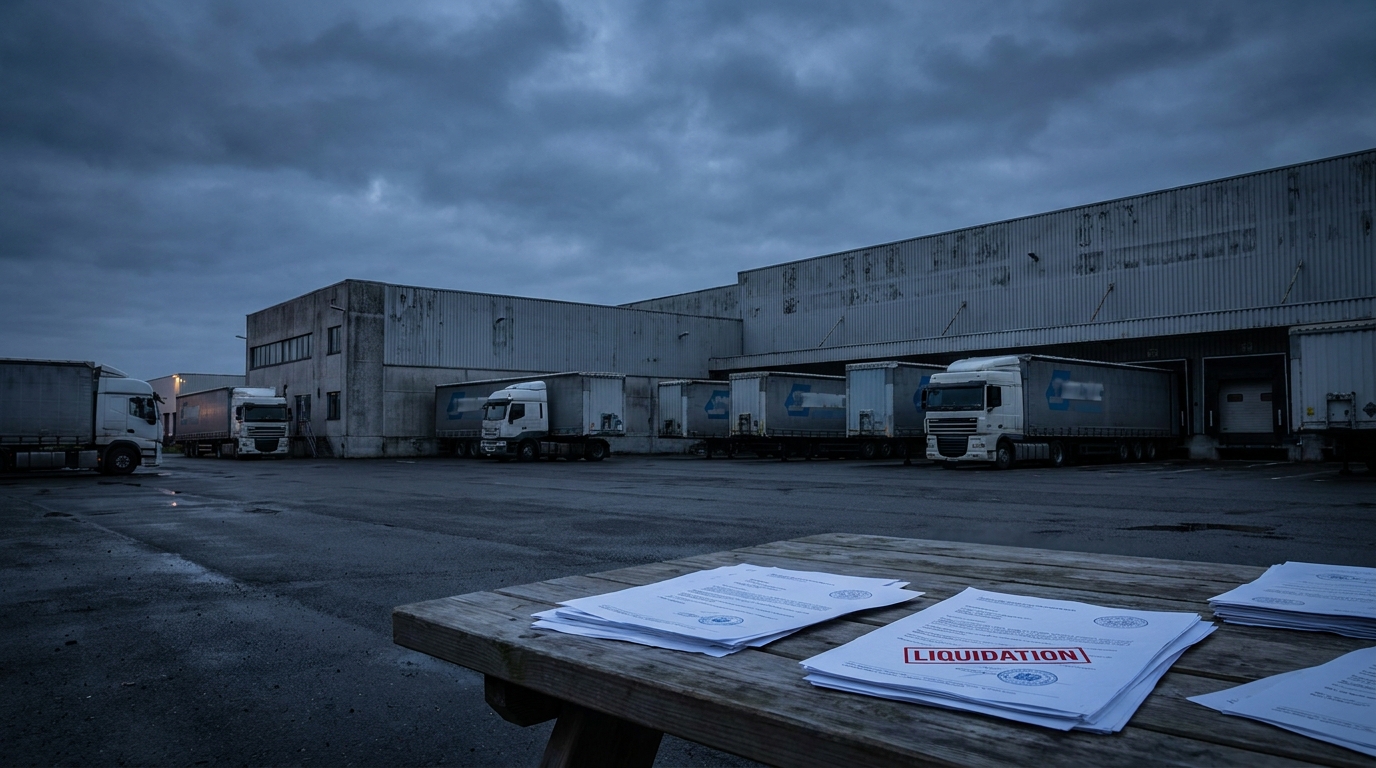
- Financial risk — A company burdened with contractual penalties for uncompleted shipments and generating fleet downtime costs can quickly lose financial liquidity. A deterioration in the financial condition of a key logistics partner is a risk that can materialize very quickly and unexpectedly.
- Reputational risk — If your transport provider fails to deliver on time, you are held accountable to your end customers. Delays resulting from a supplier's staffing issues can damage your own reputation in the supply chain.
- Risk of restructuring or relocation — Companies considering or already implementing a relocation to another EU country may be undergoing procedures that will disrupt their normal operations. It's worth monitoring reports of changes to the headquarters and fleets of key partners.
- Regulatory risk — The legal situation is dynamic. Changes to regulations regarding the employment of foreigners can occur quickly and in various directions. Companies that lack efficient compliance processes may find themselves violating immigration regulations, which may result in the revocation of business permits.
The European Industry Context – Not Only a Polish Problem
It's worth emphasizing that the shortage of professional drivers isn't unique to Poland. The European Road Haulage Association (IRU) has been warning for several years about the growing driver shortage across Europe. An aging workforce, insufficient influx of young workers into the profession, and growing regulatory requirements are creating structural pressure on the transport labor market in all EU countries.
However, what distinguishes Poland's situation is the scale of the sector—Polish companies perform a disproportionately large share of transport in Europe—and its particular dependence on workers from outside the EU. Polish carriers, to a greater extent than their Western European competitors, have based their expansion on integrating staff from third countries, making them more sensitive to changes in immigration policy and the effectiveness of the administrative apparatus in legalizing employment.
Paradoxically, Poland, which built its competitive advantage partly on flexible access to foreign labor, is now losing this advantage due to its own bureaucratic barriers. The Baltic countries and Romania, which historically had smaller market shares, may benefit from Poland's inability to efficiently manage labor migration processes.
Recommendations for companies from the TSL sector and their partners
In the face of the described crisis, both transport companies and their trading partners should take specific actions to mitigate the risk:
- Diversification of logistics providers — Dependence on a single carrier in the current environment is a risk that must be mitigated. Having alternative suppliers ensures supply chain continuity.
- Verification of the partner's personnel condition — during due diligence, it is worth asking not only about the fleet and certificates, but also about driver staffing ratios, employment structure and recruitment policy.
- Monitoring legislative changes — the legal situation is dynamic; companies should follow the progress of work on the implementing regulation to the Act of 2025 and the results of the consultations on the UD396 project.
- Participation in industry pressure groups — for transport companies, involvement in the initiatives of TLP and similar industry organizations is not only about building relationships, but also a real tool for influencing the shape of regulations.
- Overview of contract clauses — it is worth considering introducing force majeure clauses into contracts with carriers that take into account administrative risks or escalation mechanisms in the event of delays resulting from staff shortages.
Perspective: Is intervention possible and when?
The TLP organization is directing its demands to the Ministry of Family, Labor, and Social Policy as part of formal legislative consultations. This is the appropriate channel—but also one that has its time constraints. Legislative processes in Poland rarely progress at the pace expected by businesses, and each month of delay means further losses for transportation companies.
The optimistic scenario assumes that industry pressure and significant economic damage will prompt the ministry to prioritize issuing an implementing regulation. The pessimistic scenario predicts further stalemate, a gradual erosion of the competitiveness of Polish companies, and a realization of the "capital flight" scenario described by President Wroński.
From a risk analysis perspective, both scenarios should be considered. If regulations are swiftly unblocked, Polish transport companies will quickly rebuild their operational capacity – a market of foreign drivers exists and is ready to bolster Polish fleets. If the impasse persists, planning long-term contracts with Polish carriers should take into account a higher level of operational risk than before.
Summary: Time is against the industry
The staffing crisis in Polish road transport isn't a sudden phenomenon—it's been building up for years. However, the point the industry finds itself at in mid-2026 is qualitatively different: administrative paralysis in the legalization of foreign employment has transformed a chronic problem into an acute emergency. Truck immobilization, contractual penalties, and the specter of company relocations are real, measurable risks—not theoretical scenarios.
The Transport and Logistics Organization (TLP) rightly points out that unblocking HR procedures is a necessary condition for the survival of the Polish transport sector in its current form and scale. The proposed solutions—a list of shortage professions, dedicated pathways for cross-border workers, and the status of strategic entities for large carriers—are pragmatic and can be implemented relatively quickly.
For trading partners of Polish transport companies, risk managers, and investors in the TSL sector, the current situation is a signal for increased monitoring. The Polish transport industry has enormous potential and a well-established position—but maintaining this position requires a swift and decisive response from the state. Every month of delay is a real, tangible price paid by Polish entrepreneurs and—indirectly—the Polish economy.