
Problems in the key sector of the Polish economy - road transport
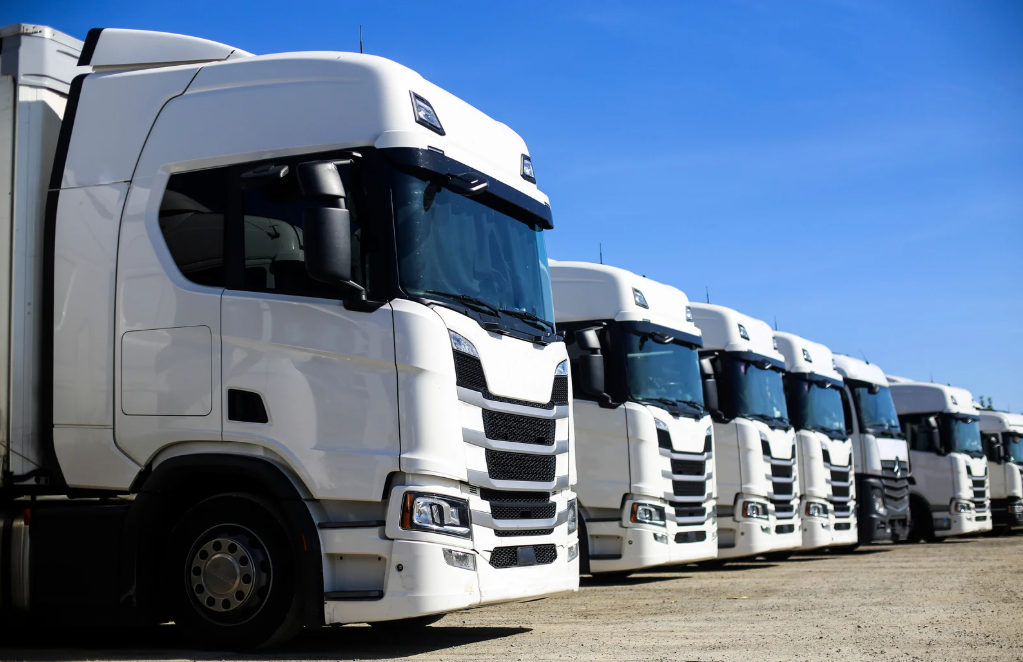

In recent years, the road transport sector, considered one of the pillars of the Polish economy, has been struggling with serious challenges. According to data from NarodoAccording to the Bank of Poland, imports in Poland exceeded exports by $12 billion over the past 5,4 months, and the only segment of the economy that brings a stable inflow of money to the country remains services, with transport at the forefront. Unfortunately, this industry has also found itself in a difficult situation.
Dramatic data on transport companies
Poland, considered the European leader in road transport, has seen a decline in the number of medium and large transport companies in the last year. At the end of September 2024, there were 645 such companies operating in Poland, of which only 410 generated profits - that is 76 fewer than a year earlier. Operating costs in the industry increased by 5,5% year-on-year, while revenues increased by only 2,6%, reaching PLN 57 billion. The increase in fees and taxes, reaching 30% year-on-year, was particularly severe. "In the face of falling transport volumes and rising costs, many companies were forced to reduce margins, which ended in bankruptcy of some of them," emphasizes Maciej Szewczyk, International Transport Director atrodowego at DSV-Global Transport and Logistics.
Emissions and tax changes - new barriers for carriers
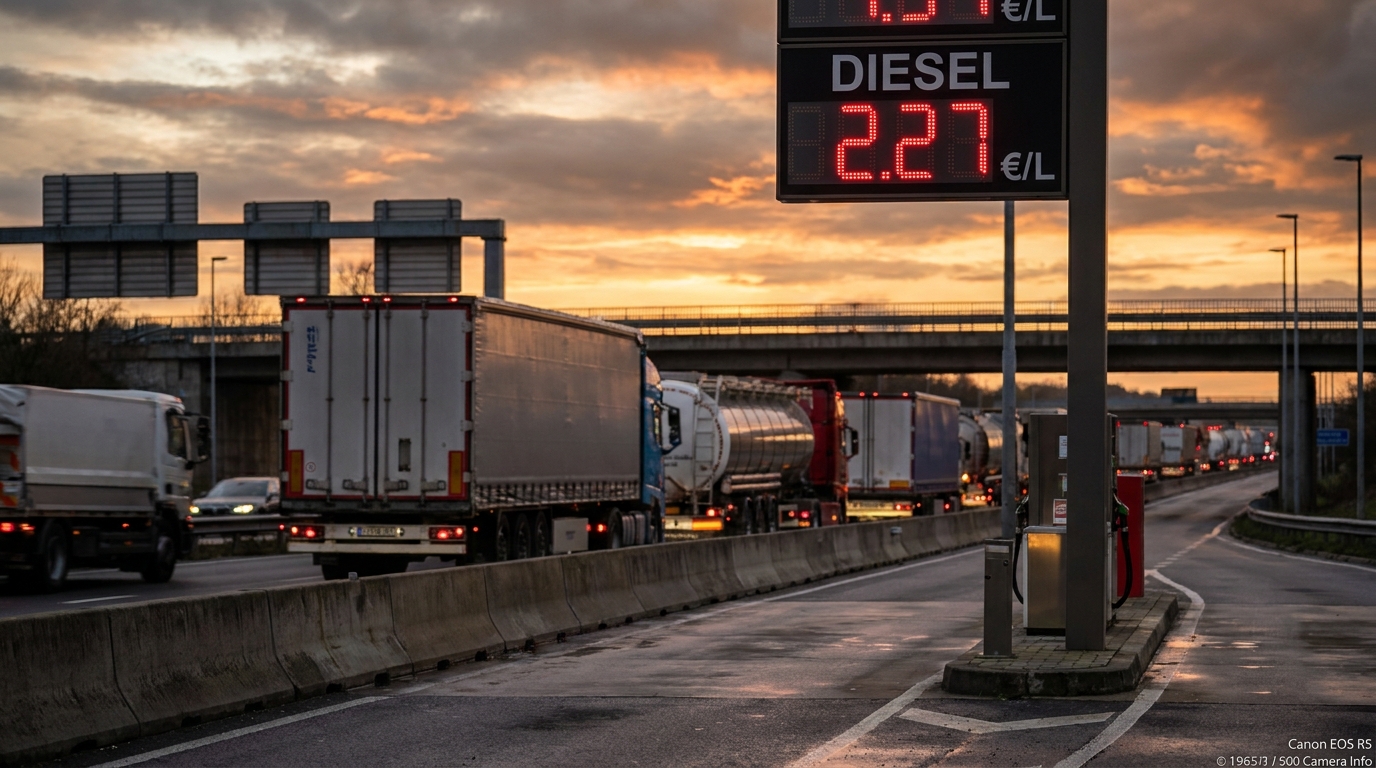
Growing pressure to reduce CO2 emissions is forcing transport companies to invest in new, more environmentally friendly rolling stock. However, uncertainty about future demand is causing many companies to hold off on such decisions. Meanwhile, rising road tolls based on vehicle emissions are putting an additional burden on company budgets. — High road tolls are already a huge challenge for carriers serving domestic and international routes.rodoin — Szewczyk emphasizes. As a result, the sector recorded a 63,5% year-on-year decline in net profits, reaching PLN 842 million in the first three quarters of 2024.
New trends in the transport market
In the face of economic troubles in Europe, companies are cutting back on dedicated shipments in favor of groupage shipments, which allows them to ship smaller batches more frequently. Meanwhile, some companies are already investing in greener solutions, such as HVO biofuel vehicles, which emit up to 90% less greenhouse gases than standard fossil fuels.
Competition from Romania and Bulgaria
The entry of Romania and Bulgaria into the Schengen area opened the door for local transport companies to more intense competition on the European market. Carriers from these countries are actively acquiring new customers, which is an additional challenge for Polish companies. At the same time, larger players on the market have begun to merge in order to reduce fixed costs and improve profitability.
The aviation sector is in better shape
In contrast to road transport, air freight continued to grow in 2024. Congestion at airports and a lack of sufficient terminal infrastructure in Poland strengthened the arguments for the construction of the Central Communication Port. Air transport was particularly popular in the clothing and e-commerce industries, which increased the volume of shipments handled by DSV by 20% y/y.
Rising storage costs
One of the challenges for the logistics sector remains the growth of warehouse rents, which in some locations have increased by as much as 100% in the last 12 months. Companies such as DSV are investing in warehouse automation and robotic systems, which help reduce operating costs and CO2 emissions.
Future perspectives
Experts predict that 2025 will be a period of great uncertainty for the transport sector. Minimal economic growth in Europe – forecast at 0,7% for Germany – and potential geopolitical turmoil, such as the introduction of tariffs by the US, could affect the entire industry. At the same time, increasing climate requirements and growing competition will increase the pressure on transport companies.
Despite this, Poland remains the leader of the TSL market in Europe, using its geographical location and the experience of its drivers. Investments in green technologies and high-quality services may be key to maintaining this position in the coming years.