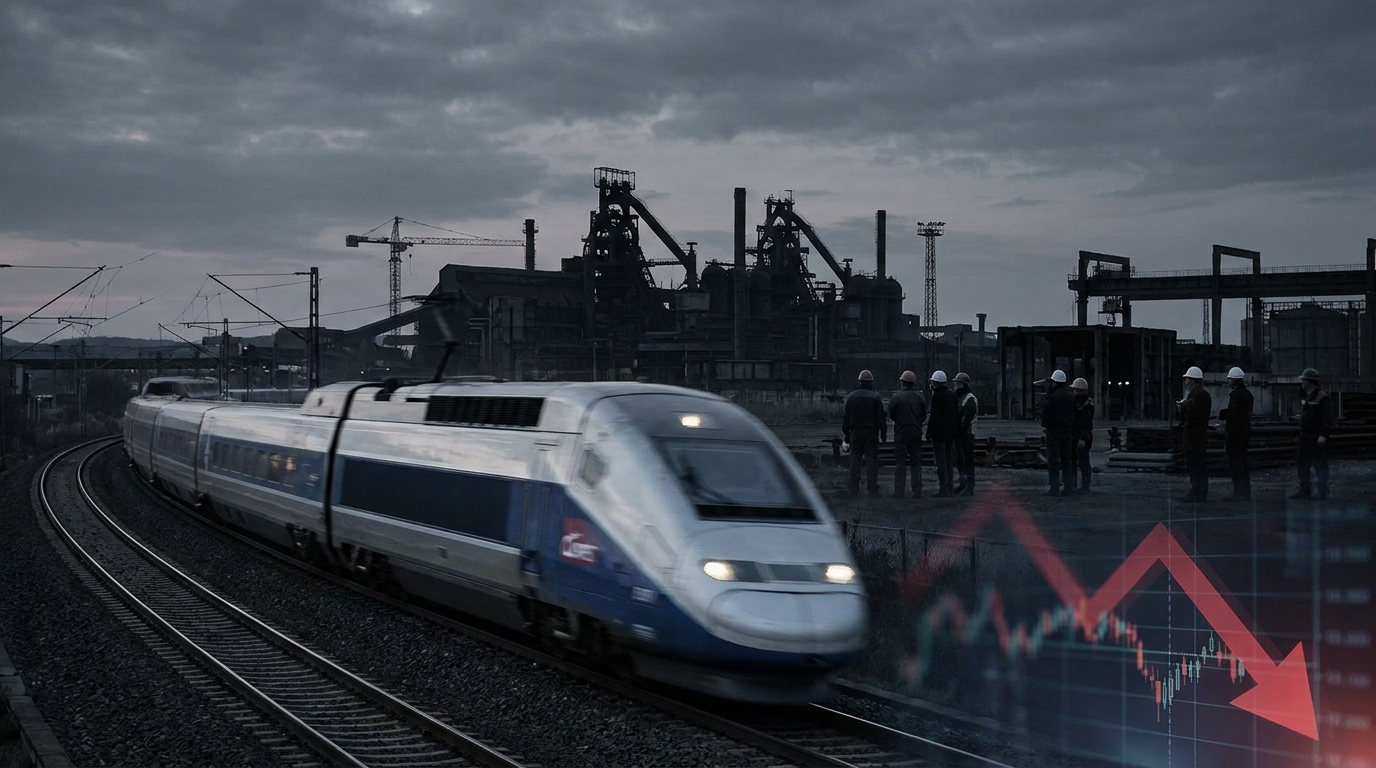

Italian truck drivers' strike paralyzes supply chains in Europe - operational crisis and financial risk for logistics companies
Mass protests by Italian truck drivers in October 2026 paralyzed key logistics hubs in southern Italy, including the strategic Interporto Sud Europa hub. The blockades led to serious disruptions in food supplies, spoilage of perishable goods and fuel shortages at gas stations. The crisis directly affects transport companies, importers and food producers linked to the Italian market across Europe, creating significant operational and financial risks.
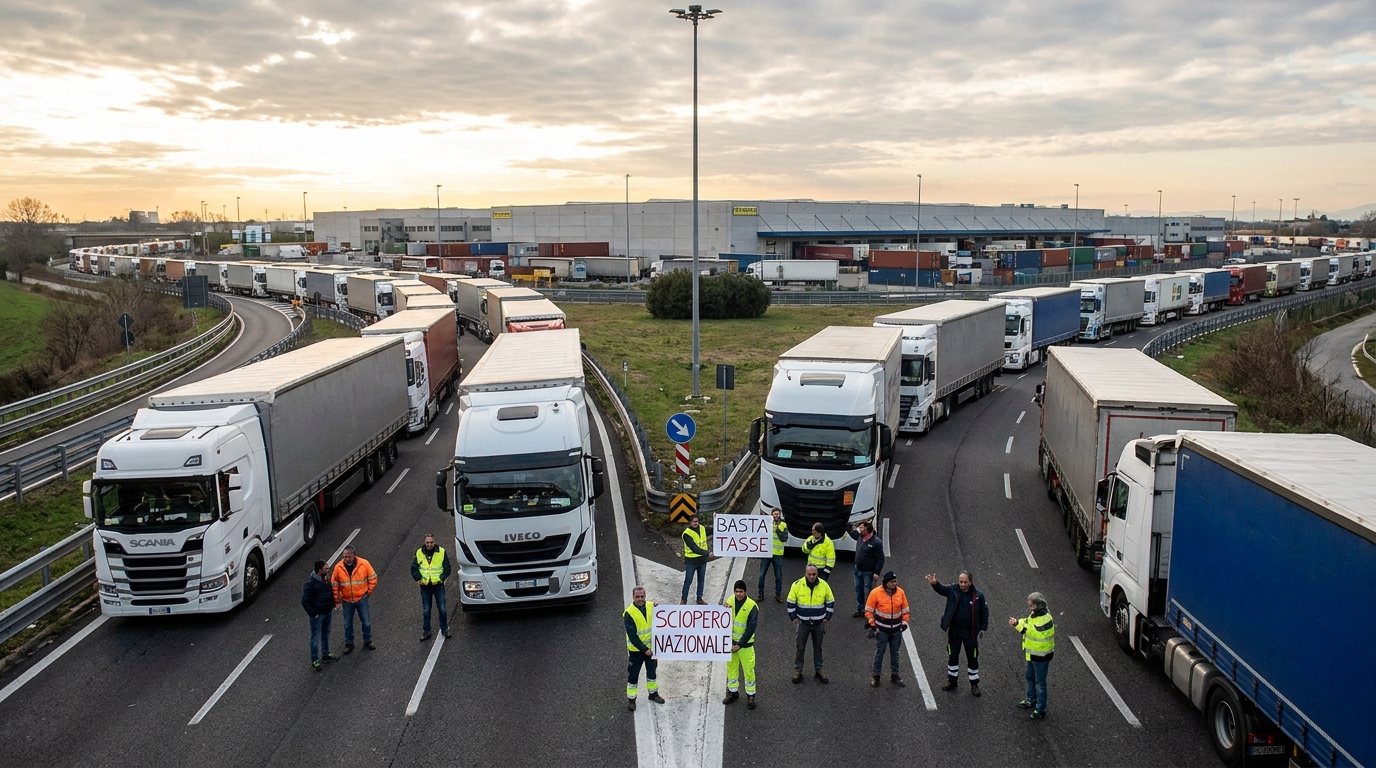
In October 2026, the Italian transport industry was engulfed in its worst strike crisis in years. Massive protests by truck drivers, sparked by dramatic increases in diesel prices and operating costs, led to physical blockades of key logistics hubs in the southern Italian Peninsula. The effects of the protests, supported by the country's main transport associations, extended far beyond Italy's borders, affecting carriers, freight forwarders, and importers across Europe, including companies operating from Ireland and Poland.
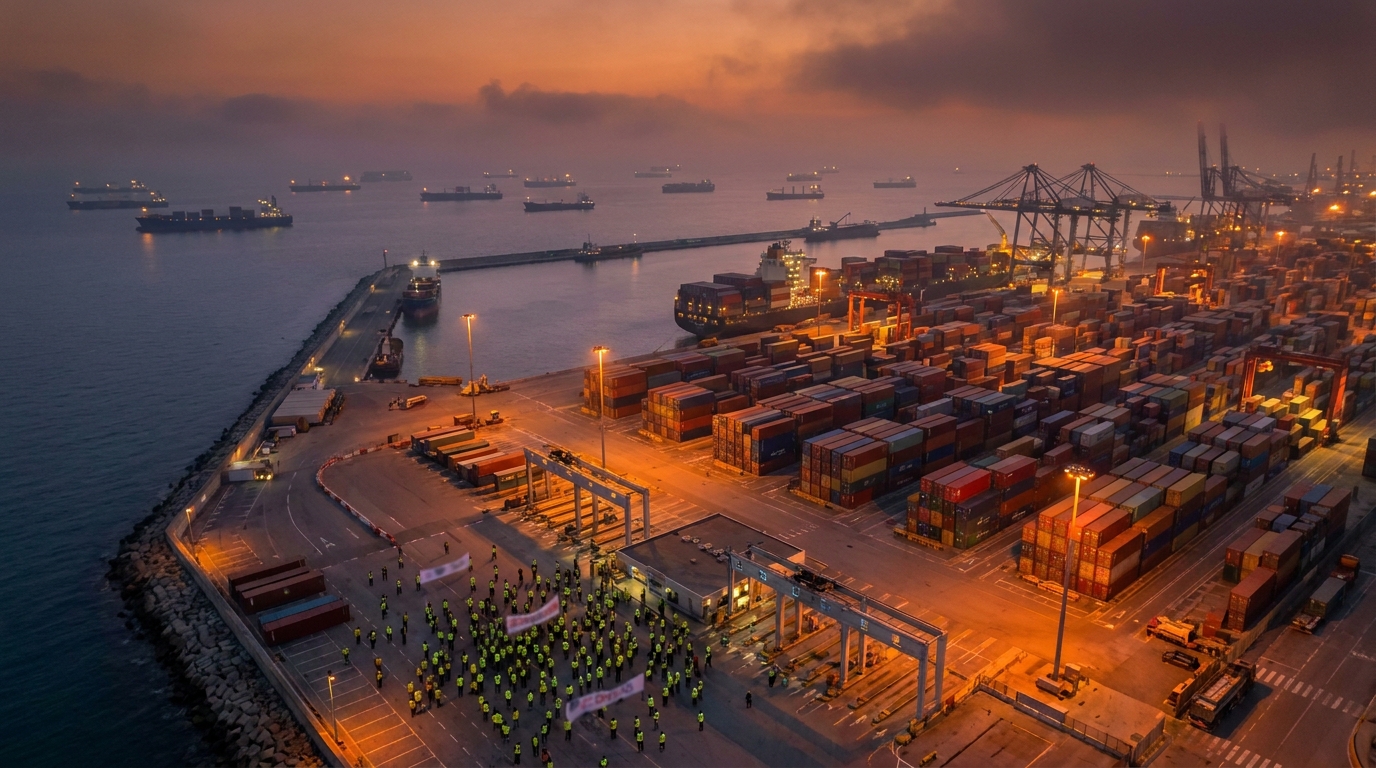
The scale and course of the protests – blockades paralysed southern Italy
The crisis was sparked by rapidly rising diesel prices, which had been straining the budgets of small and medium-sized transport companies for months. When repeated appeals to the government failed to yield tangible results, industry associations decided to escalate the crisis. Drivers organized coordinated blockades, blocking traffic at the entrances to major seaports, key motorway junctions, and—particularly damaging for the entire distribution system—at the Interporto South Europe, one of the largest logistics hubs in the Mediterranean region.
Interporto Sud Europa is no coincidence. It's a strategic transshipment point handling tens of thousands of tons of goods monthly, integrating road, rail, and sea transport. Its closure has caused a corkscrew effect across the entire distribution network, halting the flow of goods to both domestic customers and export markets.
The protesters employed tried-and-true tactics: physical presence at the entrances to logistics hubs, slowing down traffic on highways, and refusing to accept new orders from organized groups of drivers. Although the authorities attempted to ensure minimal traffic on national roads, the strikers' pressure was so effective that the region's transport network capacity dropped to a fraction of its normal levels.
Food Crisis - Mozzarella Rotting in Stuck Trucks
The most immediate and media-relevant consequence of the protests was the paralysis of the food sector. Southern Italy is one of Europe's most important agri-food production regions—it's where buffalo mozzarella from Campania (protected by the DOP designation) comes from, San Marzano tomatoes, citrus fruits from Sicily, and olive oil from Puglia are harvested. Under normal circumstances, this region ships hundreds of trucks of perishable goods daily to customers in Italy and abroad.
The road closures meant one thing: products didn't reach their destination on time. Press reports, including a report Financial Times, indicate massive spoilage of refrigerated goods – both in production warehouses and in the cabins of refrigerated trucks stuck in traffic jams. Producers found themselves in a dramatic situation: on the one hand, they were losing finished goods, and on the other, they were exposed to contractual penalties from retail chains for late deliveries.
The consequences of the crisis ultimately hit consumers hard. Many stores and supermarkets in southern Italy saw empty shelves in their dairy, fruit, and vegetable departments. The lack of goods also meant losses for retailers, who in turn began to put pressure on suppliers—often by terminating contracts or withholding payments for uncollected shipments.
Financial consequences for food producers
- Losses on perishable goods — estimated at tens of millions of euros across the region
- Contractual penalties — retail chains have activated penalty clauses for delays and unavailability of goods
- Lost export contracts — the inability to deliver resulted in the termination or suspension of contracts by foreign importers
- Liquidity problems — no sales revenues with persistent production and storage costs
The domino effect – the fuel and aviation crisis
Protesting drivers unwittingly—or even consciously—set off a spiral of problems that extended far beyond the food industry. The transport blockade also meant difficulties with fuel deliveries to gas stations in the region. Fuel distributors, deprived of the ability to replenish supplies, began rationing sales or closing stations altogether—paradoxically, hurting drivers themselves, who wanted to continue protesting or return to bases.
Importantly, from the perspective of broader operational risk, the shortages also affected aviation fuelRegional airports in southern Italy began reporting supply difficulties, resulting in flight delays and cancellations. The air cargo industry—which handles express shipments of luxury goods and pharmaceuticals, among other things—also felt the impact of the traffic crisis.
This scenario is a textbook example cascading operational risk: A disruption at a single point in the logistics network generates further failures in seemingly unrelated sectors. For risk analysts and transport insurers, this signals that classic risk assessment models based on isolated events may be insufficient.
Negotiations with the government - dialogue without immediate results
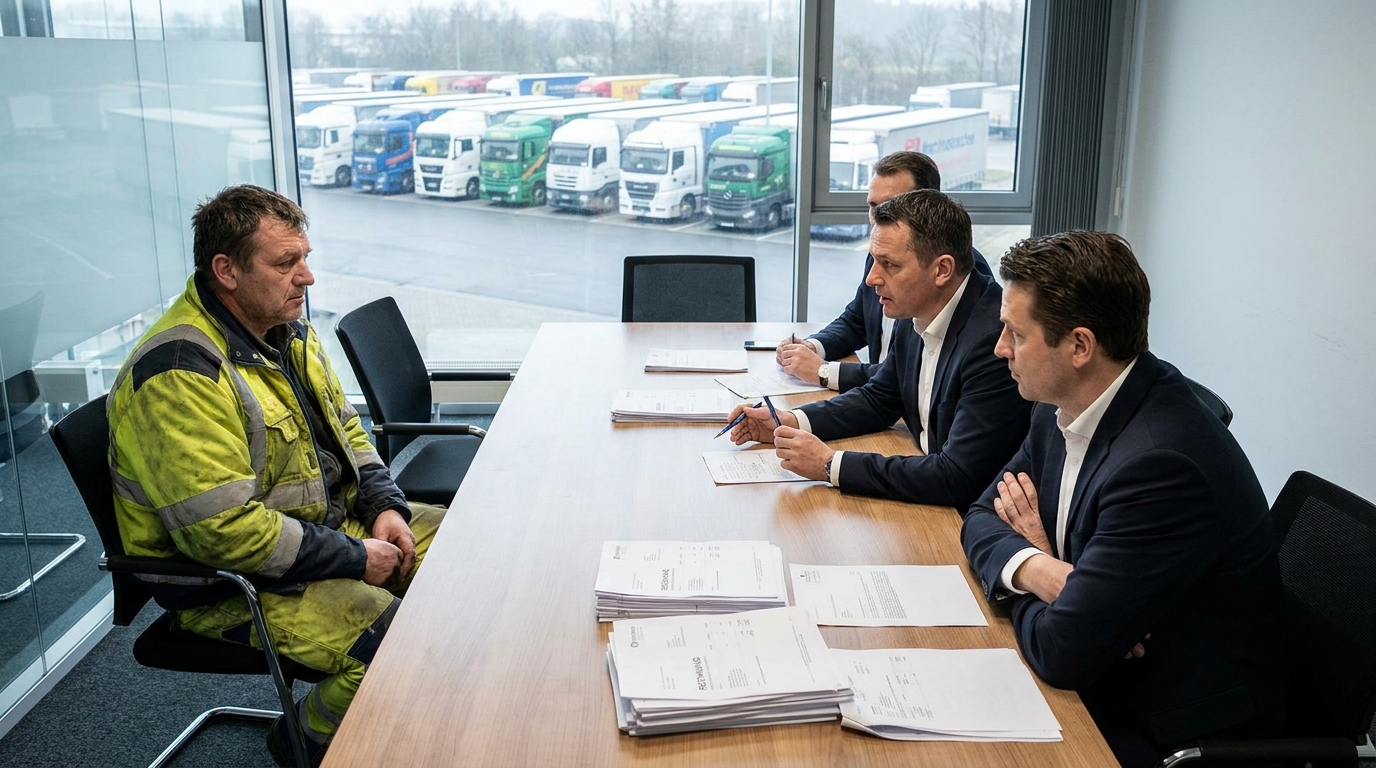
Faced with the growing crisis, the Italian Ministry of Transport decided to intervene immediately, initiating a roundtable with national transport federations and drivers' unions. Proposals for aid packages were tabled, including fuel cost offsetting mechanisms, lower highway tolls for carriers, and administrative simplifications for small transport companies.
However, as is often the case with deep-seated economic disputes, political declarations and dialogue do not automatically translate into an immediate end to the protests. Drivers and their associations are demanding concrete and binding guarantees, not mere promises. At the time of writing, the situation remains highly tense, and experts estimate that even if a potential agreement is reached, it will take at least several weeks to fully restore the distribution network's capacity.
For companies dependent on regular supplies from Italy, this means long-term planning for disruptions – not just for the duration of active protests, but throughout the period of restoring operational normality.
European perspective – who is feeling the effects outside Italy?
The Italian transport crisis is not just a domestic issue. Italy is the fourth-largest economy in the European Union and a key player in European supply chains—both as an exporter of agri-food and industrial products and as a key transit point for goods flowing from Asia via the ports of Genoa, Livorno, and Trieste to Central and Northern Europe.
Transport companies from Ireland, which regularly trades processed food and dairy products with Italy, were among the first operators to report difficulties meeting scheduled times. Similarly, Polish carriers—a significant force in the European road transport market and regularly serving Italy—were forced to urgently renegotiate delivery dates or seek costly detours.
BetweenrodoPolish logistics operators confirm that the costs of servicing relations with the Italian market have increased due to the crisis by several to several dozen percent - mainly due to:
- The need to search for and pay for alternative routes
- Longer waiting times for drivers and vehicles while waiting for routes to be unblocked
- Additional refrigeration costs for perishable goods held outside standard delivery windows
- Insurance costs related to the increased risk of loss of goods
- Emergency storage fees
Business Risk Assessment - Recommendations for Companies Working with the Italian Market
From the perspective of operational and credit risk management, the current crisis in Italy requires specific adaptation measures from European companies. The EURODEBT.eu editorial team recommends the following approach:
For creditors and financing institutions
- Increased risk indicators for contractors directly dependent on the import of food products from southern Italy and for forwarding companies operating in this region
- Active monitoring of financial liquidity Italian trading partners - especially food producers and small carriers
- Consider shortening payment terms or introducing additional security measures (letters of credit, bank guarantees) for new orders carried out by companies exposed to the effects of the crisis
- Verification of insurance policies contractors - do they cover the risk of downtime caused by strikes and industrial action
For logistics operators and forwarders
- Revision of operational plans for routes covering the south of Italy - it is necessary to develop emergency scenarios with alternative routes
- Renegotiation of contract terms with end customers regarding force majeure clauses and liability for delays caused by external events
- Cargo policy overview to cover losses of perishable goods in the event of unforeseen detentions
- Increasing time buffers when planning deliveries to and from Italy for the coming weeks
For importers of food products
- Supplier diversification — the crisis shows the risk of excessive dependence on one production region
- Increasing buffer stocks for key products imported from Italy, provided storage conditions allow it
- Real-time situation monitoring and ongoing communication with local logistics partners in Italy
The Wider Context – Cost Pressures in European Road Transport
While the Italian protests have their own unique political and social dynamics, they are part of a broader trend of growing discontent in the European transport industry. Rising fuel prices, regulatory requirements related to the ecological transition (CO2 emission standards, low-emission zones), rising insurance costs, and pricing pressure from large logistics platforms are all factors that are putting increasing pressure on the margins of small and medium-sized carriers across Europe.
Similar protests have occurred in France, Germany, Spain, and Poland in recent years. Each time, they have demonstrated how vulnerable modern supply chains are to disruptions in road transport. The Italian episode in October 2026 is yet another reminder of this systemic vulnerability.
For companies building supply chain risk management strategies, the conclusion is clear: transport protests are no longer one-off, regional events, but are becoming a recurring element of operational risk that should be included in standard business exposure assessment models.
Summary - Time to review your risk strategy
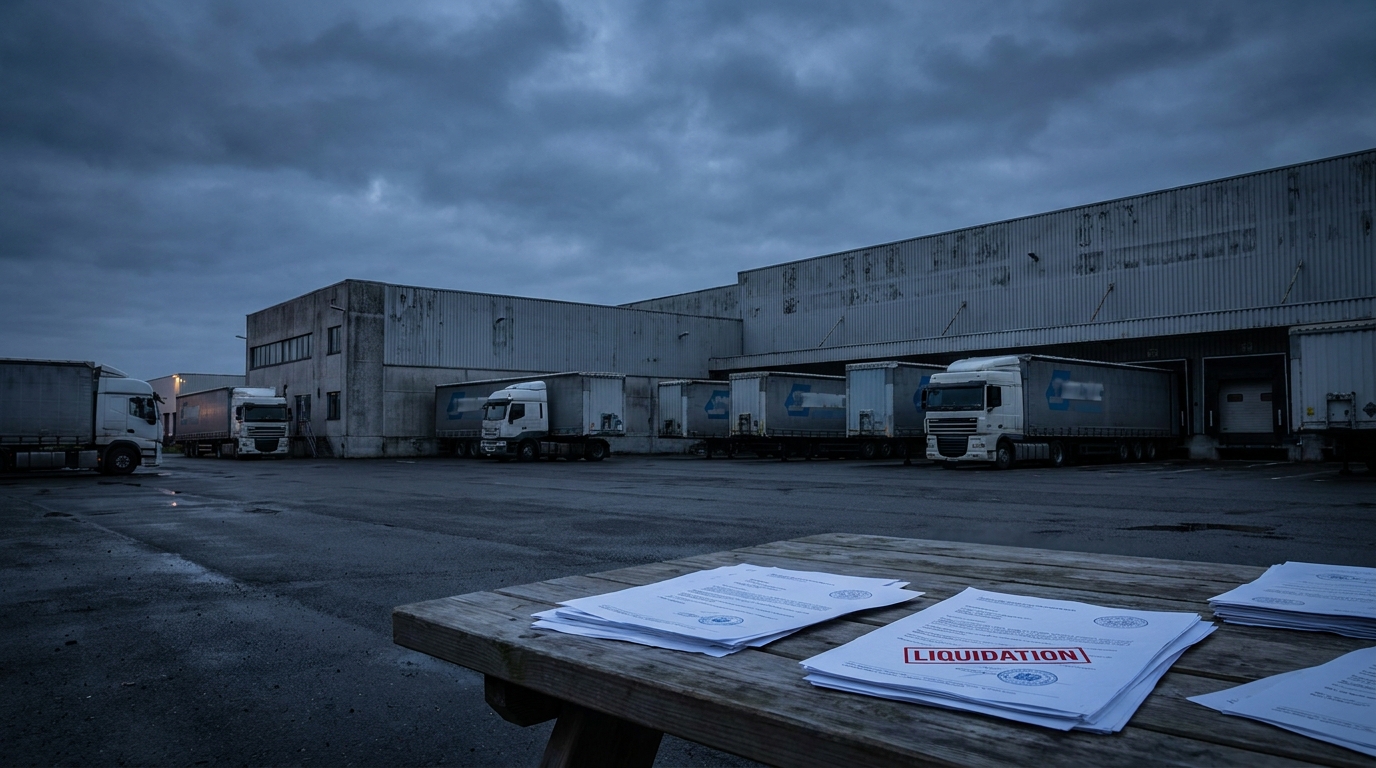
The Italian transport crisis of October 2026 is not just a media episode, but a real and measurable threat to the financial stability of hundreds of companies across Europe. Food producers are grappling with lost goods and contractual penalties, carriers with rising operating costs and downtime, and importers and distributors with supply gaps and dissatisfied customers.
The situation remains dynamic. EURODEBT.eu will continuously update its risk assessment for companies with ties to the Italian market as events unfold. We recommend that all business partners working with Italy take immediate steps to assess their exposure to operational and credit risks resulting from the current logistics crisis.