
Hansa-Logistik bankruptcy: 500 jobs at risk, Polish carriers at risk
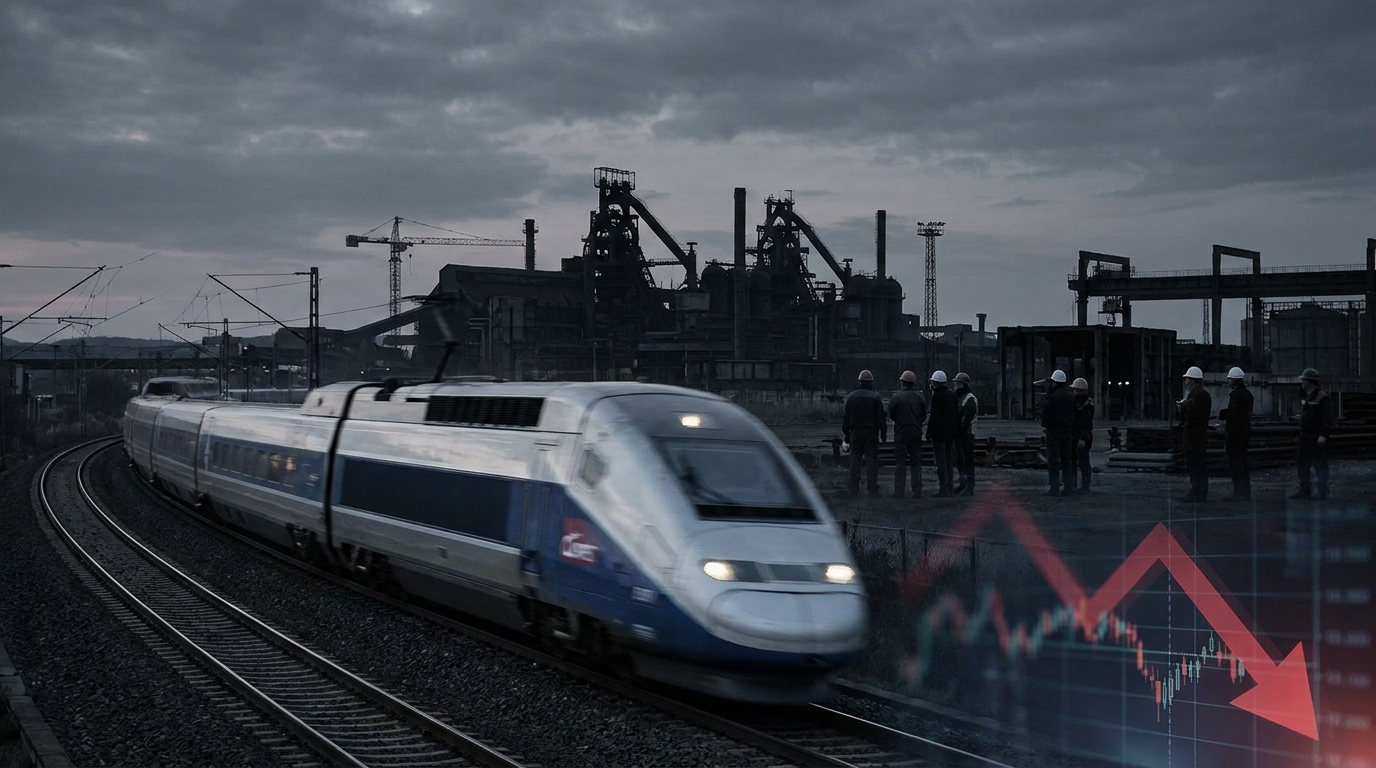
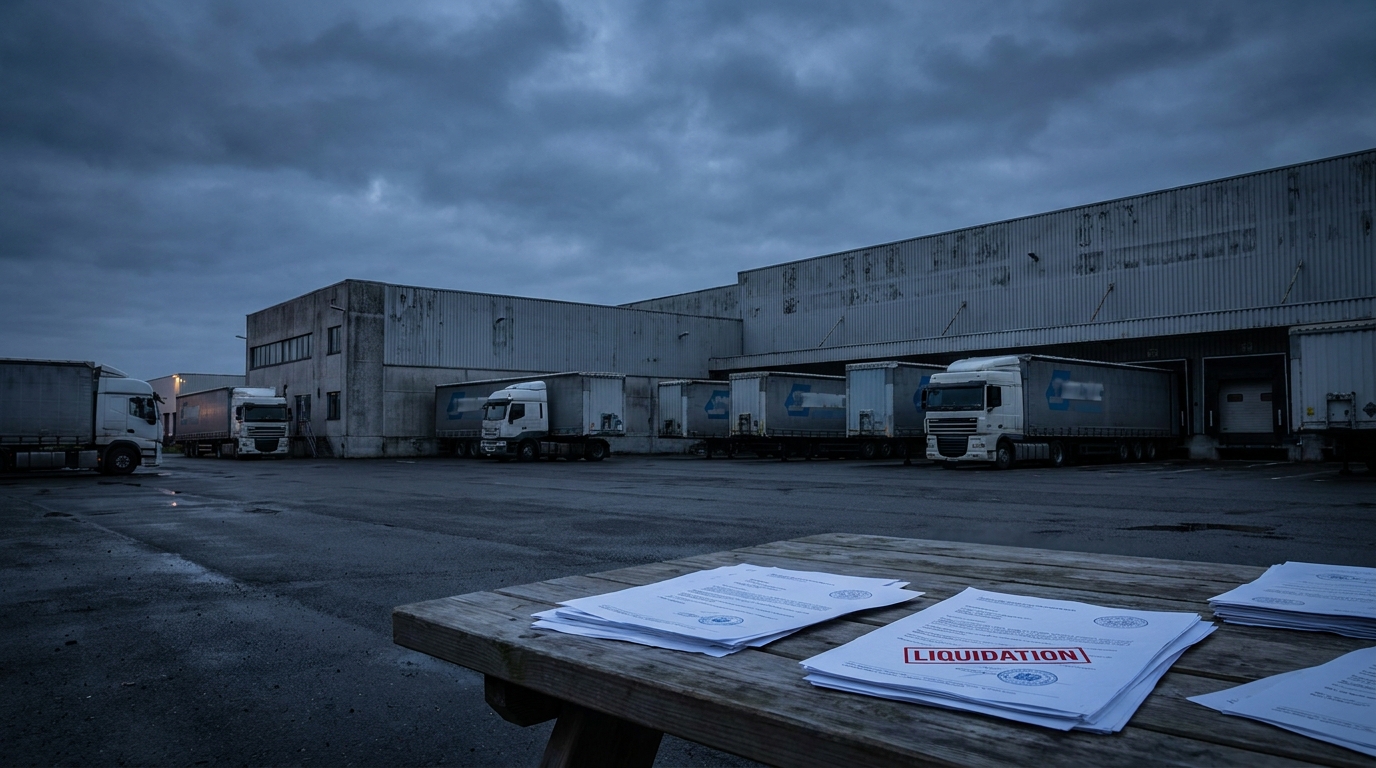
Hansa-Logistik, one of Germany's leading freight forwarding companies, has filed for insolvency with the Hamburg District Court, putting nearly 500 jobs at risk. The immediate causes of the company's collapse were a drastic increase in Maut road tolls and the sudden withdrawal of a key customer from the automotive sector. This event poses a serious risk of payment delays for hundreds of subcontractors — particularly Polish carriers — and is another warning signal for the entire transport, shipping and logistics industry in Europe.
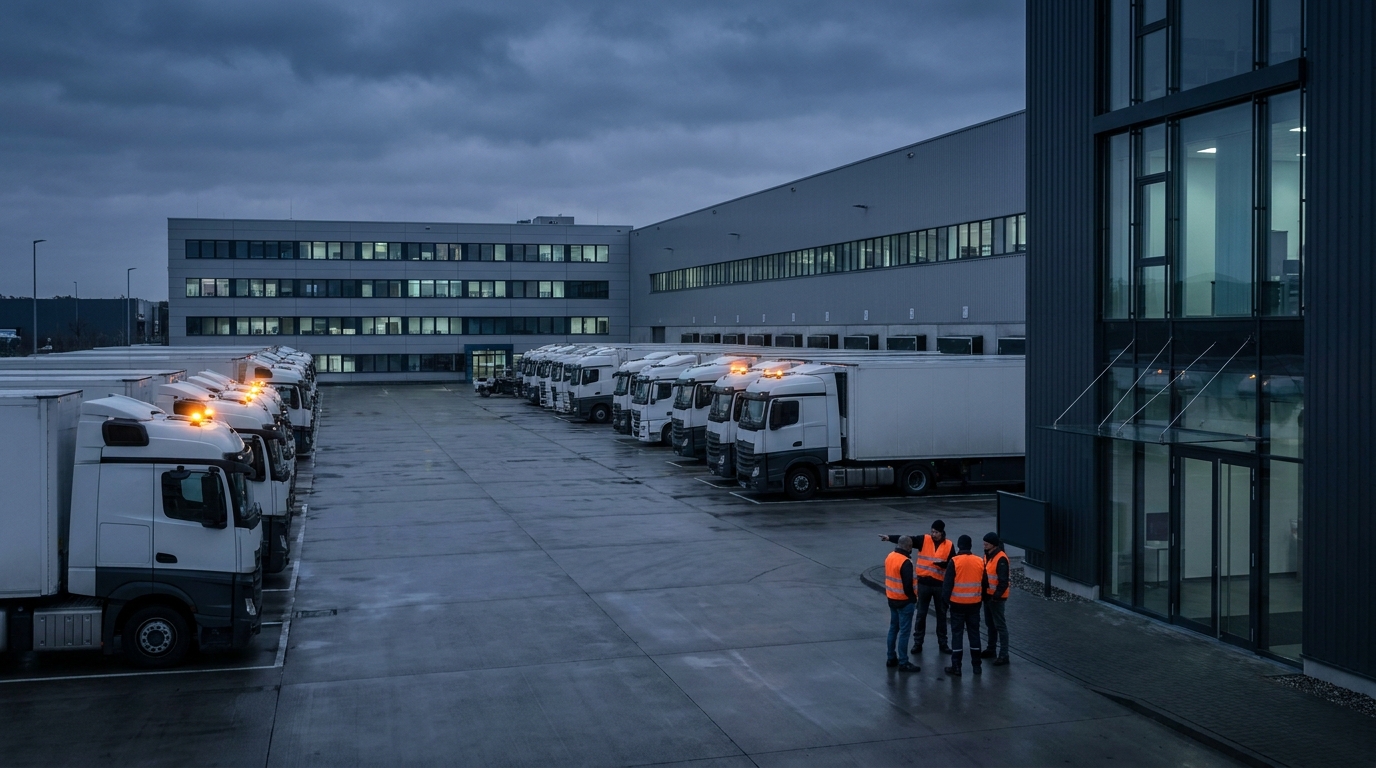
One of the major German forwarding companies — Hansa-Logistik — officially filed for bankruptcy at the District Court in Hamburg. The information was confirmed by the industry portal DVZ, which specializes in transport and logistics. The direct consequence of the proceedings is a threat to nearly 500 jobs, and the financial consequences of the bankruptcy could be felt painfully by dozens, perhaps hundreds, of subcontractors in the coming weeks—including numerous Polish transport companies that regularly cooperated with this forwarder. This event, although affecting a single entity, carries serious implications for the entire European transport, forwarding, and logistics (TFL) sector.
Two blows that clipped the wings of a large forwarding company
The analysis of the causes of Hansa-Logistik's bankruptcy indicates a confluence of two independent but equally devastating factors that together led to a rapid loss of financial liquidity by the company.
Drastic increase in road tolls in Germany
For several months, German carriers and freight forwarders have been grappling with significantly higher costs of using the local road network. Subsequent updates to the Maut rates—both in December and July—incorporated strict CO2 emission fees, which in practice translates into a dramatic increase in operating expenses for truck fleets. In an industry where net margins have hovered at a few percent or even below for years, any sharp increase in fixed costs poses an existential threat to a company's profitability.
Hansa-Logistik, according to reports, failed to adequately pass on these costs to its customers. Amid intense market competition and pressure from shippers to maintain existing freight rates, the company found itself in a bind: the gap between costs and revenues was growing, and the ability to bridge it was limited. This is a scenario that dozens of carriers and freight forwarders across Germany have been grappling with in recent months.
Sudden departure of a key client from the automotive sector
The second, equally devastating blow came from one of the company's largest business partners—an unnamed client from the automotive industry. The German automotive sector is currently experiencing one of the most challenging periods in its post-war history. The costly and uncertain transition to electromobility, growing competition from Chinese electric vehicle manufacturers, a significant slowdown in demand in Asian markets, and a general economic downturn in Europe—all of this has prompted many manufacturers and suppliers to implement drastic cost cuts, including the renegotiation or termination of logistics contracts.
For Hansa-Logistik, the loss of a strategic automotive client meant an immediate and significant reduction in revenue. Combined with rising road costs, the result was predictable: the company lost the ability to meet its obligations on time, which ultimately led to the necessity of filing for bankruptcy. This is a classic example. double shock — costs and revenues — which left the management no room for maneuver.
The domino effect: who is at immediate risk?
The bankruptcy of a large freight forwarding company isn't just a problem for its employees and shareholders. It's an event that triggers a cascade of negative consequences throughout the supply chain. German freight forwarders, including Hansa-Logistik, base their operations on extensive subcontracting, engaging hundreds of independent carriers—largely from Central and Eastern Europe—to fulfill orders.
Polish transport companies on the front line of risk
Poland is the largest transport services market in the EU and a key partner for German logistics. Polish companies—from sole proprietorships with a single tractor unit, through family-owned businesses, to medium-sized fleets of several dozen vehicles—regularly handle orders for West German freight forwarders. For many of them, the contract with Hansa-Logistik may have been their main, or even sole, source of business.
The opening of bankruptcy proceedings means one thing for these entities: freezing payments for transport services already performed and invoicedThe money formally owed ends up in the bankruptcy estate and is unavailable for months—often years. During this time, carriers must bear ongoing costs: vehicle lease payments, fuel, driver salaries, and insurance. Without regular revenue, this arithmetic becomes unsustainable.
The risk of a cascading effect is very real here. Secondary bankruptcies among Polish subcontractors This is a scenario that materializes relatively often and quickly in the event of bankruptcy of a large client – especially when the transport company operates without a financial cushion and is constantly repaying its liabilities from incoming invoices.
The risk also applies to Lithuanian, Romanian and Bulgarian carriers
A similar logic applies to companies from Lithuania, Romania, Bulgaria and other CEE countries that carry out cabotage or international transport.rodotional companies could fulfill orders for Hansa-Logistik. The exposure to liquidity risk is similar here, although companies from these countries may encounter additional language and procedural barriers when attempting to file claims under German bankruptcy proceedings.
Macroeconomic Context: Germany in Recession, Logistics Under Pressure
The case of Hansa-Logistik is not isolated from the broader economic backdrop. Germany—the eurozone's largest economy and the continent's traditional export engine—has been grappling with a technical recession for several quarters. Industrial production is declining, export orders are shrinking, and there is widespread talk of ongoing deindustrialization in some sectors.
For the TSL industry, this translates directly into lower freight volumes, intensified price competition for available cargo, and eroding freight rates. At the same time, operating costs are rising: energy prices, driver salaries, insurance, and now also increased MAUT fees. This scissors effect—declining revenues with rising costs—is becoming fatal for companies lacking sufficient capital reserves or access to flexible external financing.
Financial institutions and trade credit insurers such as Allianz Trade, Atradius or Coface, have been signaling increased credit risk in the logistics sector in Germany for several months now. Strict limits on trade credit and tightening trade credit insurance requirements for freight forwarders have become the new norm. The bankruptcy of Hansa-Logistik further confirms the validity of these assessments.
How do German bankruptcy proceedings work and what does it mean for creditors?
For companies with outstanding debts to Hansa-Logistik, understanding the mechanisms of German bankruptcy law is crucial to protecting their interests. Insolvenzordnung (InsO) — one of the most rigorous and formalized bankruptcy laws in Europe.
Temporary phase - vorläufiges Insolvenzverfahren
During this phase, which is likely currently underway, the court appoints a temporary administrator (vorläufiger Insolvenzverwalter). Their role is to secure the debtor's assets, assess the company's actual financial situation, and recommend the next course of action—whether liquidation or attempted restructuring. During this phase, the company's operations may continue under the administrator's supervision, but any new obligations require their consent.
Filing a claim – a key term
After the formal opening of bankruptcy proceedings, creditors receive deadline for filing your claims to the bankruptcy trustee (Insolvenzverwalter). Failure to meet this deadline may result in the loss of the right to satisfaction from the bankruptcy estate. Claims must be reported in German, with full documentation confirming their validity and amount.
Creditor satisfaction rate - realistic expectations
The realities of German insolvency proceedings in the logistics sector are ruthless: the rate of satisfaction of creditors (Insolvenzquote) rarely exceeds a few percent The value of reported receivables. This means that for every €10,000 of debt, the creditor can only expect to recover a few hundred euros—and that's after many months of waiting. This argues that the most important protective measure is to prevent further exposure from accumulating, rather than attempting to recover funds already lost.
Recommendations for companies at risk
For all entities that have had or continue to have a business relationship with Hansa-Logistik, immediate action is the priority. Any delay increases financial risk and limits available protection options.
- Immediate suspension of new orders — Until the company's legal status is clearly clarified and a payment guarantee is obtained from the bankruptcy trustee, no new services should be provided to the company. Any service performed after the bankruptcy petition has been filed carries a real risk of non-payment.
- Urgent supply chain audit — It is necessary to identify all direct and indirect connections with Hansa-Logistik and any of its affiliates or subsidiaries. Exposure may be broader than indicated by direct invoices.
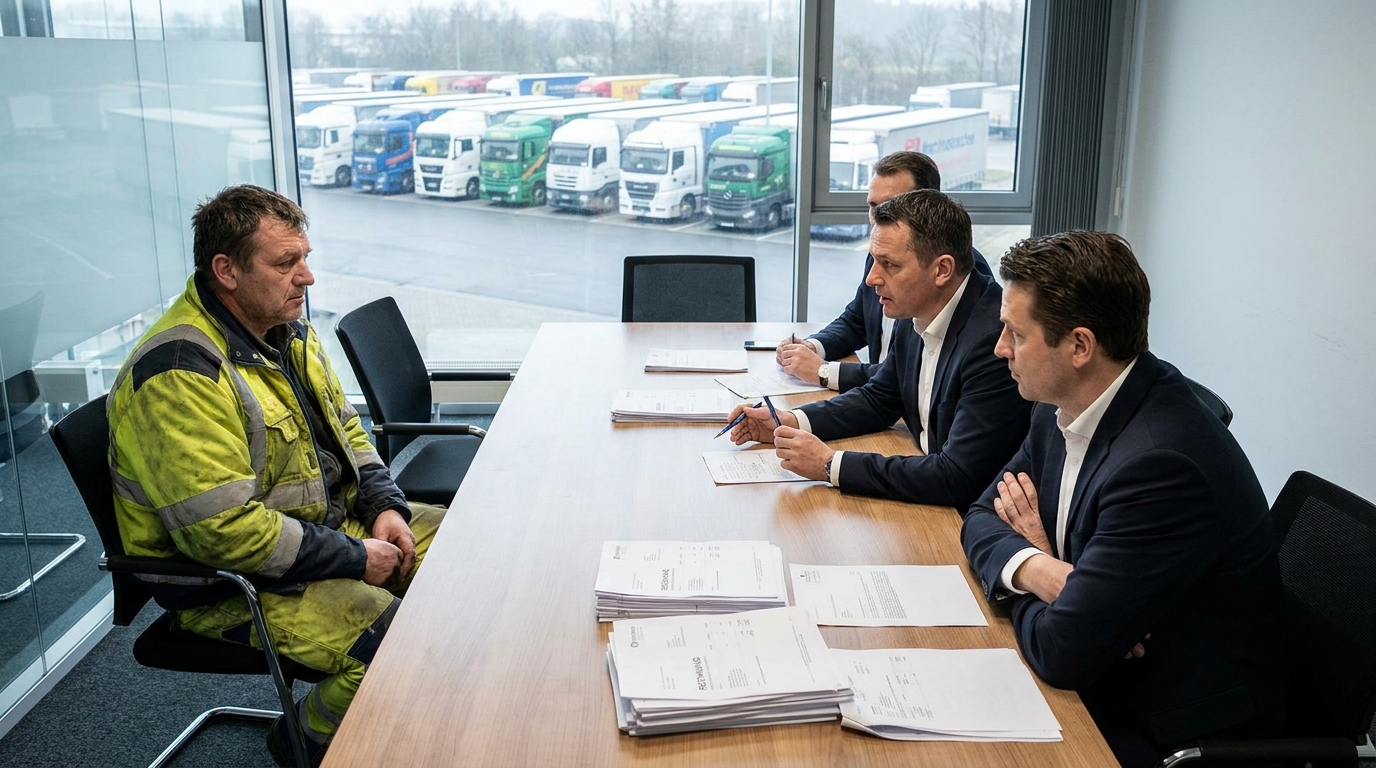
- Completing documentation — All documents confirming the provision of services and the amount due (CMR waybills, cargo delivery confirmations, transport orders, VAT invoices, correspondence) should be immediately compiled and secured. Without complete documentation, filing a claim in bankruptcy proceedings is impossible or difficult.
- Contact with a specialized law firm — Bankruptcy proceedings conducted under German law are procedurally complex. Companies from Poland and other countries in the region should consider seeking the assistance of a law firm experienced in cross-border bankruptcy law in Germany.
- Diversification of the customer portfolio — The bankruptcy of a major client is a painful but clear signal that operational dependence on a single contractor poses a critical business risk. Transport companies should actively seek alternative logistics partners as soon as possible to prevent operational downtime and loss of liquidity.
- Verification of other contractors — Hansa-Logistik's situation is not unique. Many other companies in the German freight forwarding sector may be in a similar situation. It's worth conducting a preventative check of the financial condition of other key contractors, using tools available on platforms like EURODEBT.eu.
A warning signal for the entire TSL industry in Europe
The bankruptcy of Hansa-Logistik is not an isolated incident, but a clear symptom of deeper processes taking place in the European transport and logistics sector. The convergence of several unfavorable trends—rising regulatory costs resulting from the green transformation, a downturn in key industry sectors, shrinking margins, and pricing pressure from shippers—is creating arodoa situation in which even large, long-standing companies can quickly lose the ability to service their obligations.
It is worth emphasizing an important piece of information: at the time of publication of this article the case was not widely commented on by the main national media, which suggests that the proceedings are in their early stages and the situation is exceptionally dynamic. This may indicate both that there are opportunities for restructuring or finding an investor, and that the pace of further events may surprise creditors unprepared to act.
For risk managers and business owners collaborating with entities in the German logistics market, this case serves as a stark reminder of how quickly and unexpectedly a contractor's financial condition can change. Systematic verification of business partners, monitoring early warning signs (payment delays, changes in customer structure, negative industry reports), and up-to-date credit risk assessments are now not an option, but an operational necessity.
Summary: Risk Assessment from the EURODEBT.eu Perspective
The bankruptcy filing by Hansa-Logistik in Hamburg is a highly significant event for the European transport and logistics market. The direct impact will be felt by the company's employees and its direct customers. Indirect effects—in the form of payment bottlenecks, pressure on liquidity, and destabilization of supply chains—may affect a much broader range of entities, especially small and medium-sized transport companies in Poland and other Central European countries.
This case clearly shows that cost pressures resulting from climate regulations (Maut increases, CO2 fees) in combination with revenue concentration (dependence on one or several key clients) creates an explosive mixture capable of quickly destroying the liquidity of even a large and long-standing market player.
We recommend that all companies operating in the TSL sector that maintain business relationships with German entities immediately conduct a review of their receivables portfolio and verify the financial condition of key contractors. The tools available on the EURODEBT.eu platform allow for a quick and comprehensive risk assessment of collaboration with European transport and logistics companies—before protective action proves too late.