
General strike in Spain on 11 November 2026: Serious threat to supply chains in Europe
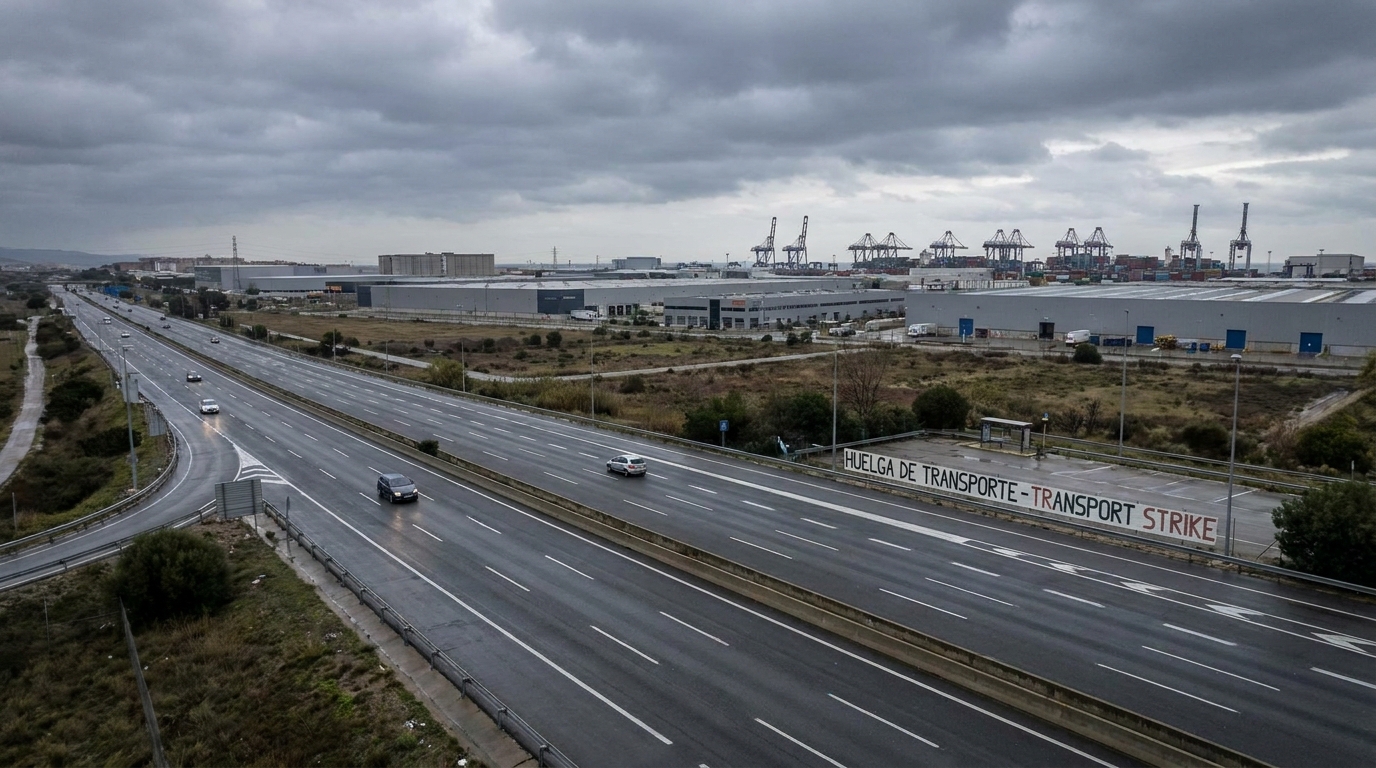
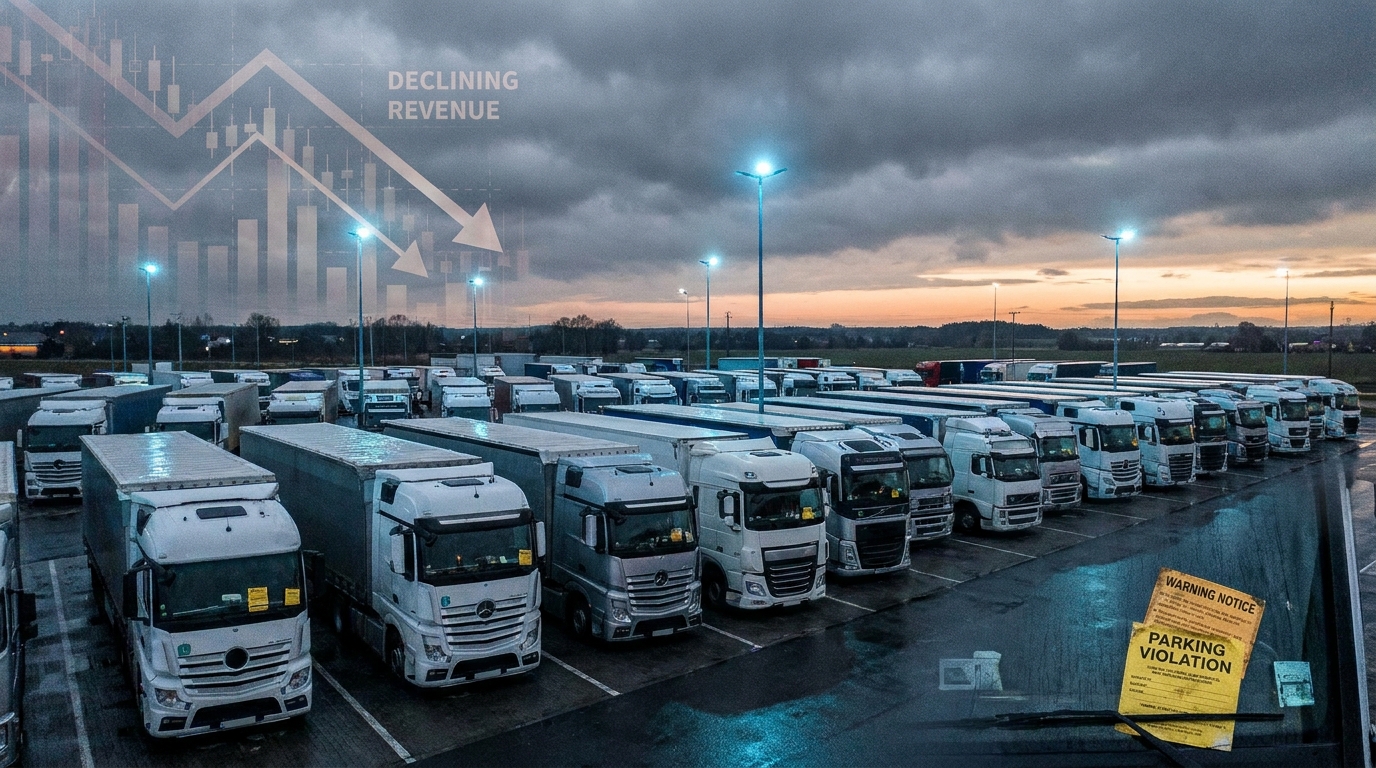
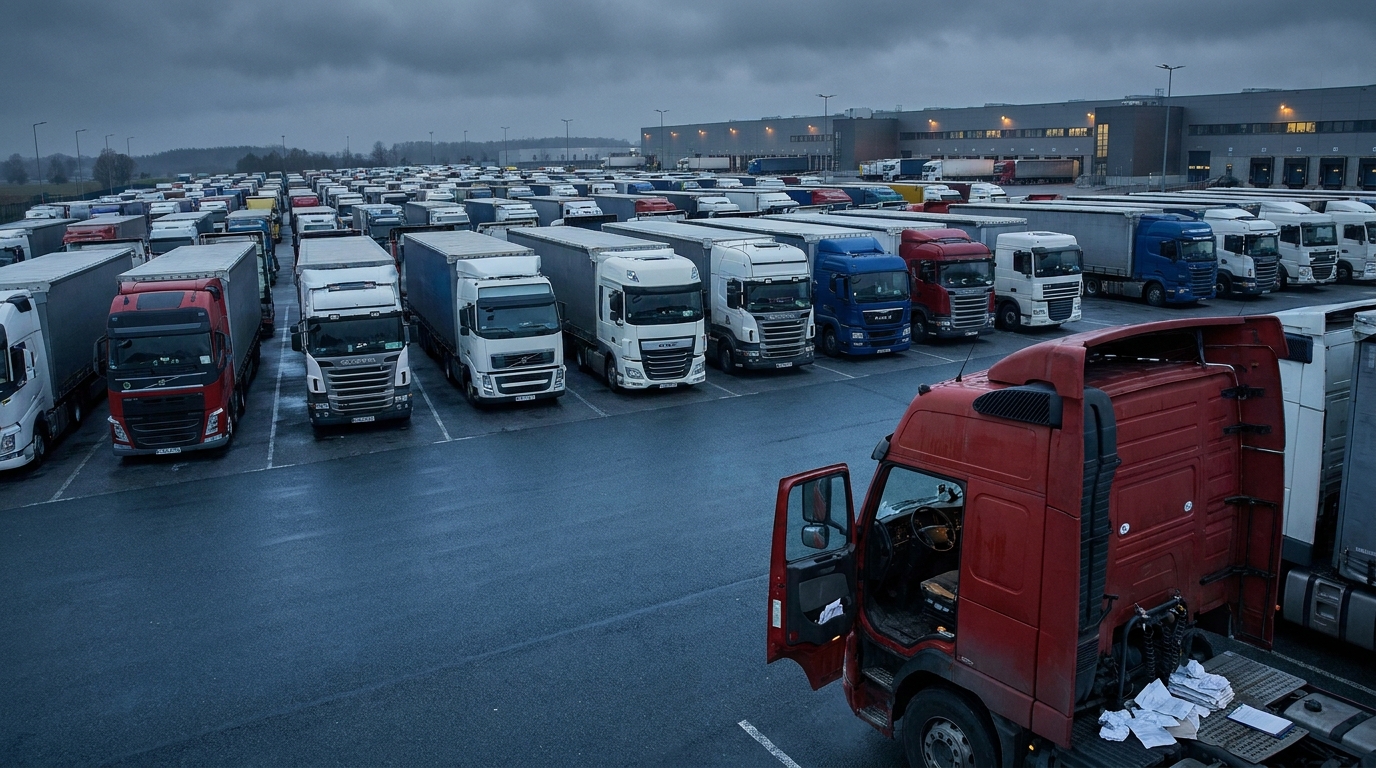
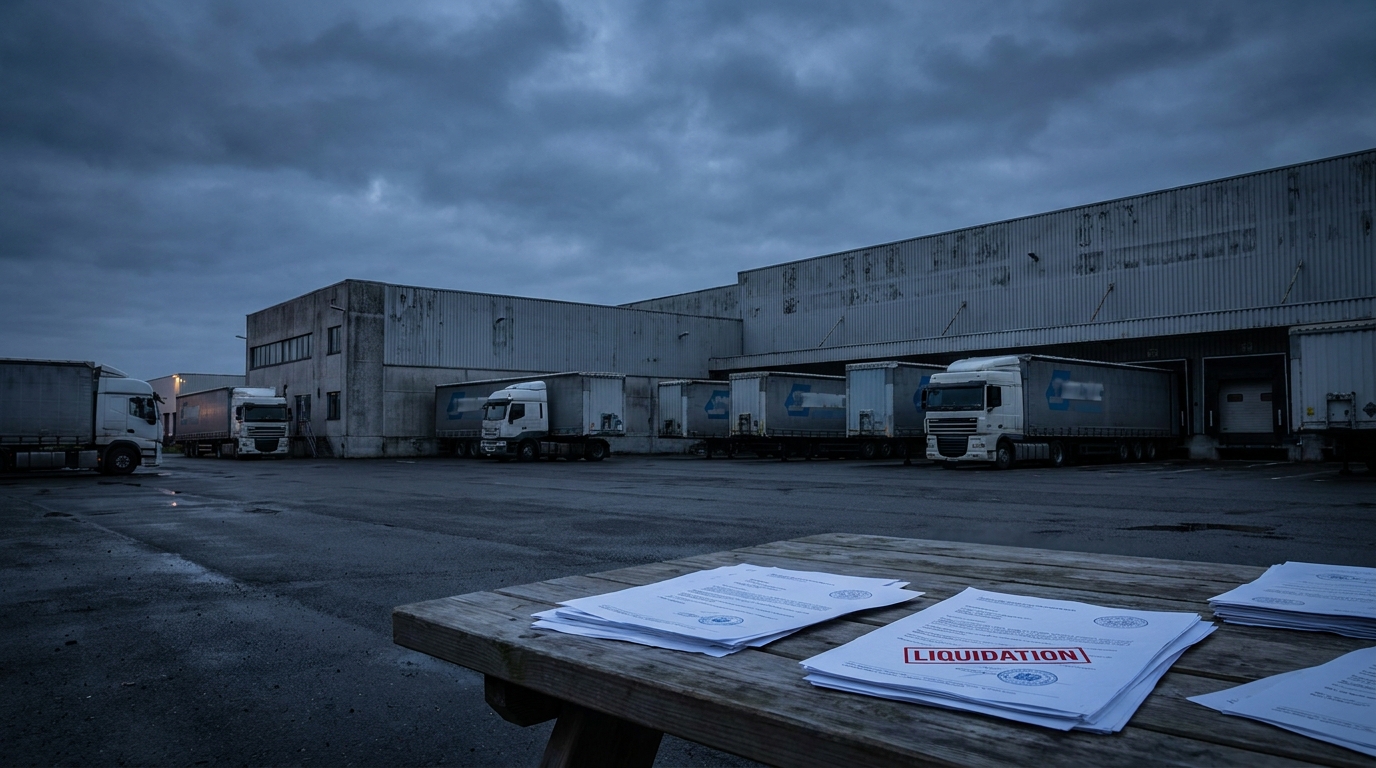
The nationwide general strike scheduled in Spain for Wednesday, 11 November 2026, is raising serious concerns among European transport and logistics companies. The action by Spain's largest trade union confederations — CCOO and UGT — could completely paralyse freight traffic on the Iberian Peninsula for at least three consecutive days. Of particular concern is the fact that the Spanish Ministry of Transport, when deciding on minimum service guarantees, completely omitted road transport — the mode responsible for more than 90% of all freight carried in the country. For companies trading with Spain, this means an immediate review of operational plans and minimisation of risk exposure.
Political and social background to the strike
The immediate reasons for calling the general strike are unresolved pay disputes and the growing housing crisis, which has hit Spain particularly hard for several years. The CCOO and UGT trade unions — representing millions of workers across the country — decided to escalate their protest after successive rounds of negotiations with the government failed to produce satisfactory results. Although the causes of the strike lie outside the transport sector, logistics and supply chains may pay the highest price for this day of widespread protest.
General strikes in Spain are relatively rare, but their impact on the economy is invariably severe. The country plays a key role in the European logistics network — as a gateway to North Africa, an automotive manufacturing centre and an important hub for the flow of goods between Western Europe and Atlantic markets. Disruption to the smooth flow of supplies on the Iberian Peninsula therefore inevitably has a cross-border dimension, directly affecting business partners in Germany, France, Poland, Italy and other European Union countries.
Regulatory asymmetry: rail protected, roads without guarantees
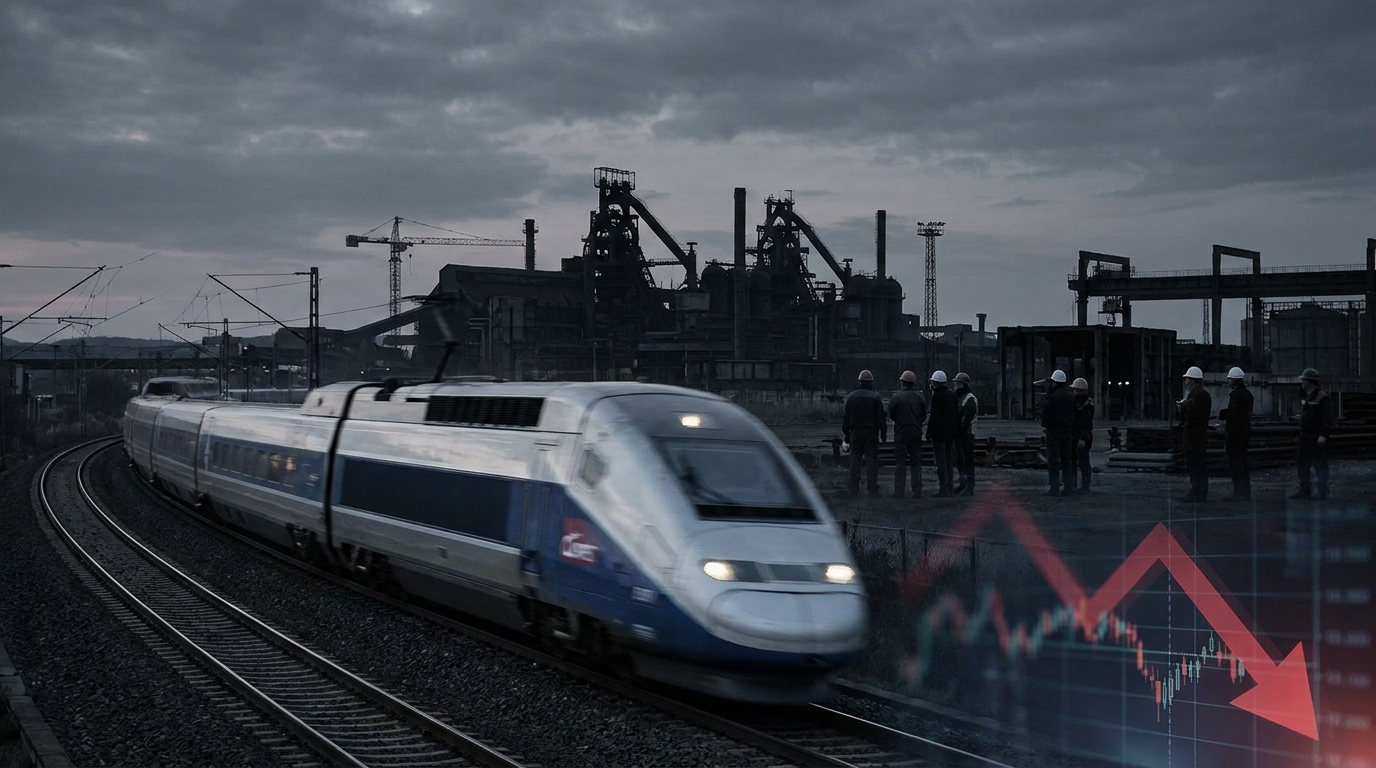
The central problem highlighted by the industry is the glaring disparity in the regulatory approach to different modes of transport. Two days before the planned strike, the Ministry of Transport issued a decision on minimum service guarantees for rail freight, setting them at 26% of the standard timetable. Priority was given to shipments related to the automotive, steel and fuel sectors, as well as the transport of waste and hazardous materials — in short, cargo whose interrupted delivery could pose an immediate threat to industrial production or public safety.
The paradox of this decision, however, is that rail freight handles only around 1% of freight volume carried in Spain. Road transport — responsible for more than 90% of all freight — has received no comparable nationwide guarantees. Regulatory protection has thus been granted to a mode of transport of marginal significance in volume terms, while the overwhelmingly dominant mode has been left without any protection.
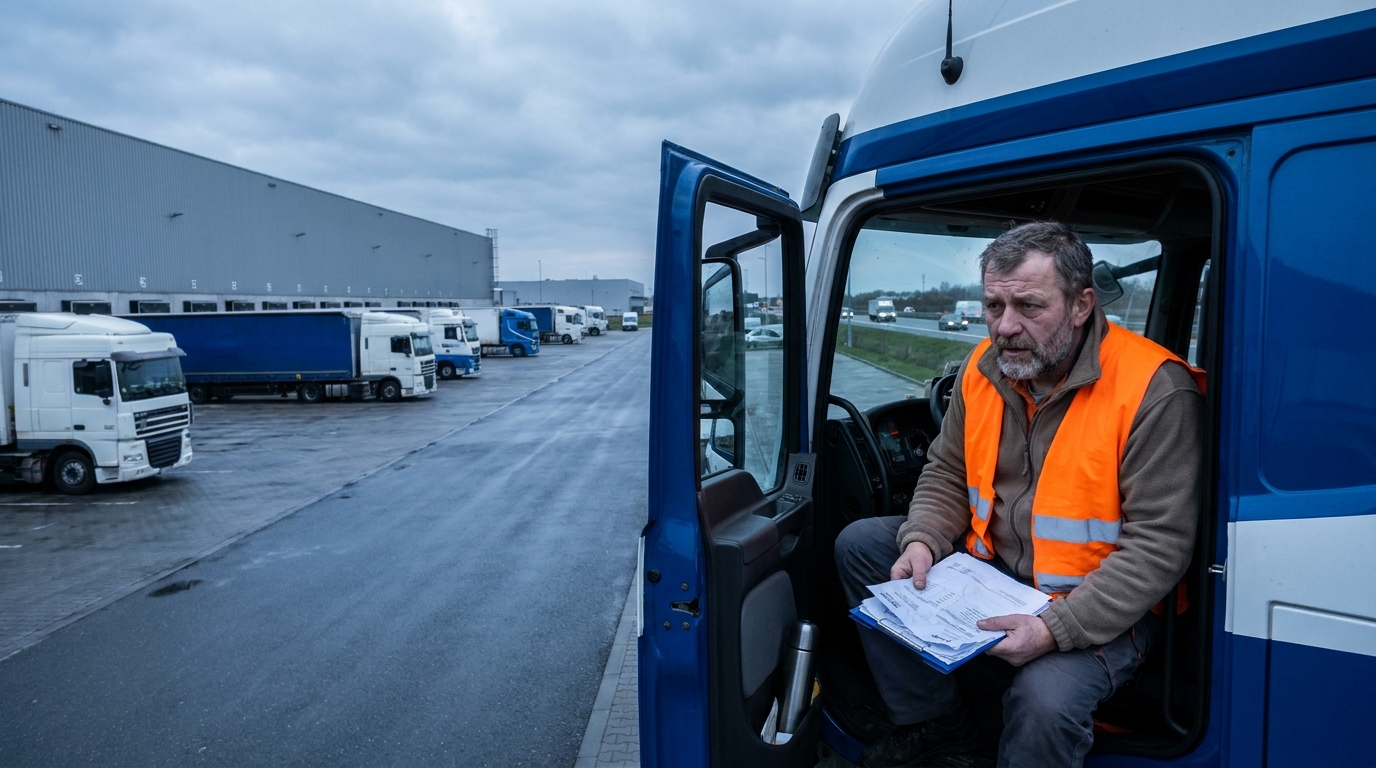
The Spanish Federation of National Transport Associations, operating under the name FENADISMER, sharply criticised this approach. The organisation points out that current regulations — specifically Royal Decree 635/1984 — require the authorities to issue separate protective regulations for road transport on the occasion of every strike. Less than 48 hours before the start of the protest, however, no such regulation had been published. FENADISMER also rejects the government's argument that mass participation by professional drivers in the strike would paralyse roads through excessive traffic — the logic is the opposite: with widespread participation in the protest, lorries will disappear from motorways and supply chains will be severed without any safety net.
Domino effect: a three-day window of extreme risk
The scale of logistical disruption extends far beyond the single day of the general strike. The situation is compounded by separate protest actions announced for 10 and 12 November by the SEMAF trade union — representing employees of the state railway operator Renfe. In both cases, minimum services for freight transport have been set at just 20% of normal capacity.
In practice, this means that businesses trading with Spain must prepare for a triple blow:
- 10 November (Monday) — strike by Renfe employees, minimum rail capacity at 20%, initial delays in deliveries of industrial components.
- 11 November (Wednesday) — general strike, road transport paralysed without minimum service guarantees, accumulating delays, production lines halted.
- 12 November (Thursday) — another Renfe strike, 20% capacity, difficulties clearing the backlog from previous days while rail freight remains restricted.
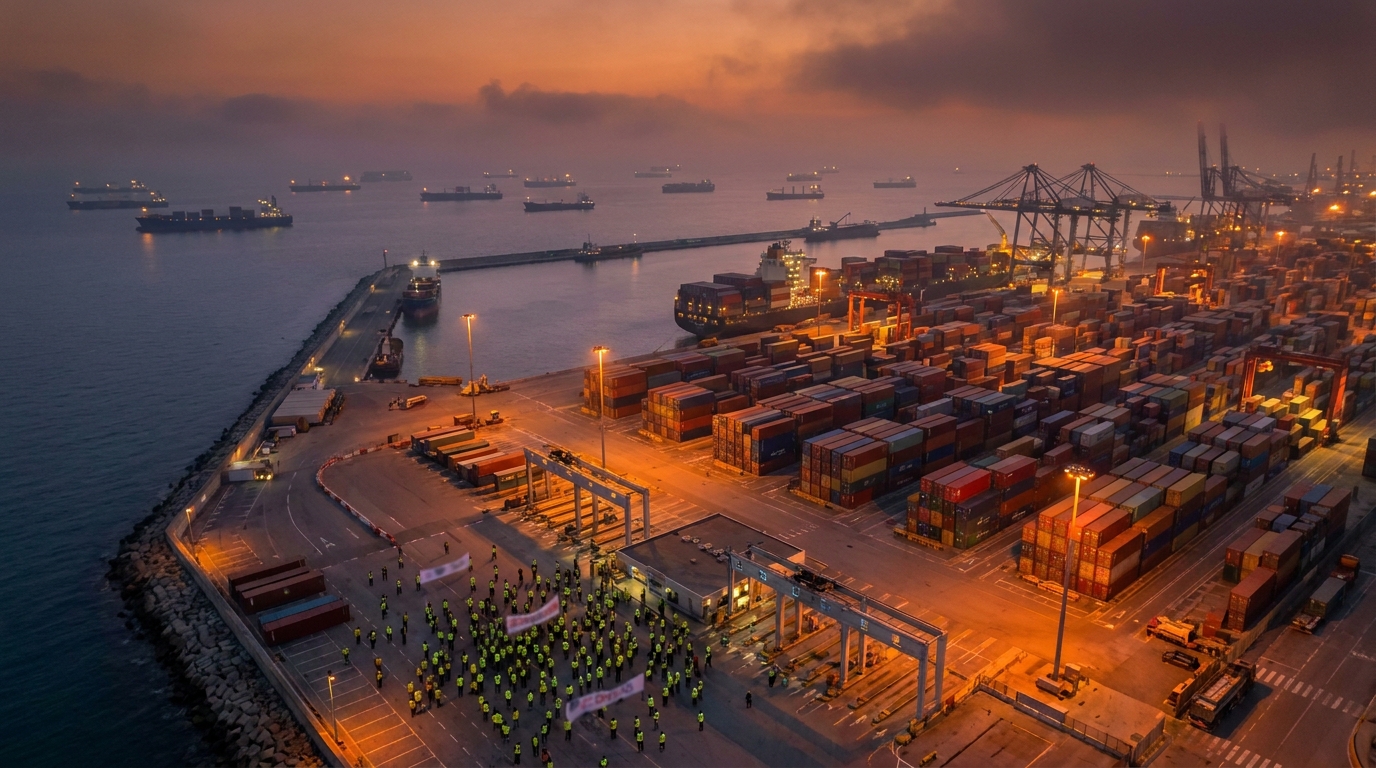
This logistical “domino effect" means that even companies that manage to secure their deliveries for 11 November may encounter serious difficulties when attempting to clear the backlog on adjacent days. Warehouses will fill up with goods awaiting collection, port and air terminals will experience congestion, and drivers returning to work will have to handle demand that has accumulated many times over.
Sectors at particular risk
Although the disruption will affect virtually all industries relying on land deliveries in Spain, several sectors deserve particular attention because of the nature of their supply chains.
Automotive industry
Spain is one of Europe's largest car manufacturers — factories of brands such as SEAT (Volkswagen Group), Ford, Stellantis and Renault are located in Barcelona, Valencia, Zaragoza and Valladolid, among other places. The industry relies heavily on the just-in-time (JIT) delivery model, in which components reach the assembly line literally when they are needed — without building buffer stocks. Even a delivery delay of a few hours can halt an entire production line, generating losses amounting to tens of thousands of euros per hour. In deciding priorities for minimum rail services, the Ministry of Transport explicitly identified the automotive sector — but without comparable guarantees for road transport, this protection is merely illusory.
Fuels and hazardous materials
Liquid fuels, industrial gases and chemicals are distributed in Spain almost exclusively by road. An interruption to this supply channel quickly affects fuel availability at petrol stations, the supply of emergency generators in hospitals and data centres, and production continuity at industrial facilities. This is precisely why the sector requires particular attention from risk managers.
Food and perishable products
In the Catalonia region, where regional authorities decided to introduce their own minimum services, protection was extended exclusively to deliveries to medical facilities and goods with a shelf life of less than 24 hours. The rest of the food chain — fruit, vegetables, dairy and meat — remains unprotected. Given that Spain is one of Europe's largest exporters of agri-food products (citrus fruit, olive oil, greenhouse vegetables), delays may affect importers throughout Central and Northern Europe.
E-commerce and distribution networks
Logistics centres located around Madrid, Barcelona and Valencia handle a growing volume of e-commerce shipments destined for both the domestic and export markets. An interruption to operations at these hubs will result in delays in deliveries to end consumers, contractual penalties for failure to meet SLA obligations and the cost of storing goods in congested warehouses.
Regulatory weaknesses and systemic lessons for the industry
The situation described sheds light on fundamental gaps in Spanish strike law as it relates to the road transport sector. Royal Decree 635/1984 — legislation dating back more than four decades — has not kept pace with the modern structure of logistics, in which road transport serves as the lifeblood of the entire economy. The procedure requiring individual regulations to be issued for each strike is slow, bureaucratic and — as this case demonstrates — vulnerable to inaction by the executive authorities.
For foreign trading partners, this is a serious warning sign. Conducting business based on uninterrupted supplies from Spain without accounting for scenarios of regulatory paralysis is a high-risk strategy. All the more so because the coming years may bring similar social tensions — both housing issues and wage pressure are structural problems that will not disappear quickly.
Industry experts also point to an information paradox: companies engaged in trade with Spain often learn about such events too late to redeploy resources effectively. Systematic regulatory monitoring of operational risks in individual countries is therefore crucial, in addition to crisis response.
Business risk perspective and recommendations for managers
From the perspective of assessing the risks of working with counterparties operating in Spain or dependent on Spanish supply chains, mid-November 2026 should be treated as a period of heightened operational and payment risk. Below we present recommendations that may help minimise losses.
Short-term actions (immediate)
- Verification of transport schedules: Contact your freight forwarders and logistics operators handling routes to and from Spain without delay. Identify which deliveries scheduled for 10–13 November are critical to production or sales continuity.
- Confirmation of warehouse availability: Make sure that warehouses on the Spanish side have sufficient buffer capacity for a possible delivery standstill. Check the availability of loading and unloading personnel.
- Prioritisation of critical cargo: If some deliveries can be rescheduled, focus resources on securing those whose delay would generate the highest costs (contractual penalties, production stoppages, perishable goods).
- Flexibility in handling ports and airports: Border crossings and transshipment terminals may be particularly vulnerable to traffic congestion around 11 November. Extend time windows and agree alternative schedules with counterparties.
Medium-term actions (within 30 days)
- Review of force majeure clauses in contracts: Check whether existing contracts with Spanish suppliers or customers contain appropriate provisions protecting both parties from the consequences of disruptions caused by strikes. Initiate renegotiation if necessary.
- Supply chain diversification: Consider identifying alternative suppliers or transport routes that could be activated in the event of similar incidents in the future.
- Payment risk monitoring: Operational disruptions often lead to delays in counterparties meeting their financial obligations. Strengthen monitoring of the timeliness of payments by trading partners from Spain in the coming weeks.
Summary: A lesson for the future of European logistics
The general strike of 11 November 2026 in Spain is not merely a local political and social event — it is a systemic signal for the entire European transport and logistics industry. It shows how vulnerable modern supply chains are to regulatory inaction, how asymmetric treatment of transport modes can multiply the effects of social protests and how unprepared even large businesses remain for such scenarios.
Three days of disruption — 10, 11 and 12 November — create an unusual combination of risk factors: a nationwide strike without guarantees for the dominant mode of transport, compounded by separate industrial action on the railways, a lack of coordinated regulatory response and readiness to protest in a European region crucial to the automotive industry. Companies that do not act today may be counting their losses tomorrow.
For EURODESK.eu readers, the key conclusion is as follows: verification of counterparties' operational risk must cover not only their financial condition, but also their ability to maintain continuity of supply amid social and regulatory disruptions. The strike in Spain is an excellent case study of why such verification should be a permanent part of the risk management strategy of every company trading in Europe.