The end of EES flexibility: Paralysis at the Schengen borders and a real threat to the financial liquidity of transport companies
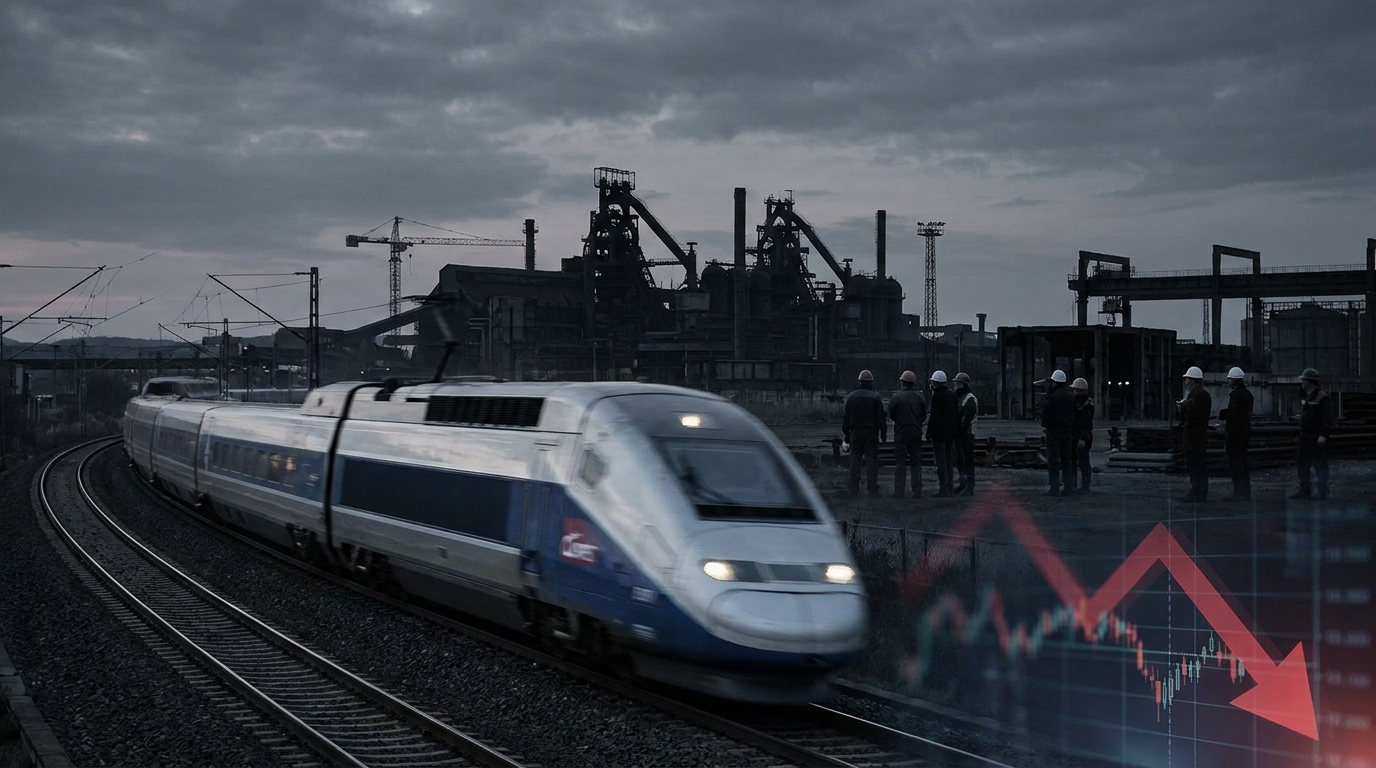
As of 6 September 2026 the European Union abolished the extraordinary flexibility measures for the biometric EES system, depriving member states of the ability to suspend border checks in crisis situations. Processing time at the external Schengen borders has increased by more than 260 percent – from 20-25 seconds to an average of 90 seconds per person. For the transport industry this means a real threat of delivery delays, increased operating costs and the risk of smaller carriers losing financial liquidity. Risk managers should immediately review contracts, schedules and their portfolio of counterparties.
As of September 6, 2026, the European Union has finally closed the chapter on exceptional derogations from the strict biometric procedures provided for by the Entry/Exit System (EES). The European Commission's decision, upheld despite growing opposition from the aviation, tourism, and transportation industries, deprives member states of the only previously available remedy: the ability to temporarily suspend biometric data collection when queues at border crossings reach operational chaos. For risk managers and owners of transportation companies operating in European markets, this change is not an abstract administrative problem; it poses a real threat to margins, on-time delivery, and the financial stability of businesses.
EES: A Game-Changing System at Borders
To properly assess the scale of the challenge, it's worth recalling what the EES system actually is and the operational revolution it brings. The Entry/Exit System is a digital platform that replaces traditional passport stamps with an automated biometric register. Every third-country national crossing the external border of the Schengen Area is required to register their fingerprints and facial scan. This data is stored digitally and linked to the individual's entry and exit history, intended to improve the control of illegal migration and overstays.
The system became fully operational on April 10, 2026, following a several-month transition period from October 2025. During this time, member states retained the option of temporarily "disabling" biometric collection—so-called operational flexibility—during peak times on border infrastructure. This loophole was permanently closed on September 6, 2026.
Hard data: queues are growing, check-in times are getting longer
Industry organizations and independent analyst firms leave no doubt about the impact of implementing the EES in its current form. Data collected by the InternationalrodoThe International Air Transport Association (IATA) and the analytical company Qsensor show the scale of the slowdown, which is structural, not incidental.
Before the implementation of the EES, standard passport control took 20 to 25 seconds. Now, with a fully biometric process, the same procedure takes an average of 90 seconds. This represents an increase of over 260 percent in processing time per checkpoint. In practice, this means that with the same number of officers and checkpoints, the border infrastructure can only allow one-third of the previous number of travelers through per unit of time.
The effects of this slowdown are already visible in data from major European airport hubs. At Frankfurt Airport – one of the continent's largest transport hubs – the average waiting time at passport control reached 120 minutes in July 2026. A year earlier, in July 2025, it was 60 minutes. This doubling of waiting times occurred while the suspension option was still technically available. In Amsterdam, a similar increase was recorded – from 80 to 120 minutes, and in Munich, average queues increased from 31 to 60 minutes. This was all before September 6th, before operational flexibility ceased to apply.
The European Commission stands by its position, the industry raises the alarm
The European Commission's official position remains unchanged. EC representatives consistently maintain that EES implementation is progressing according to plan, and that the problems noted at individual border crossing points are local and temporary. Brussels points to the need for individual Member States to adapt their infrastructure and shows no willingness to postpone the schedule further.
The industry is reacting with increasing restraint. Thomas Reynaert, representing IATA – the global air carriers’ organization – openly stated that extending the possibility of partial suspension of biometric control is "absolutely necessary at least until the end of the winter season"In his opinion, the lack of flexibility means not so much temporary inconvenience as a systemic collapse of capacity at the busiest border crossings.
Luke Petherbridge of the British travel trade association ABTA emphasized the issue of infrastructure. Many member states still lack a sufficient number of fully staffed checkpoints or adequately placed self-service kiosks. In this situation, lifting the emergency relief valve—without first addressing equipment and staffing shortages—means that bottlenecks will multiply uncontrollably, rather than being resolved in a timely manner.
Land border crossings: the underestimated dimension of the crisis
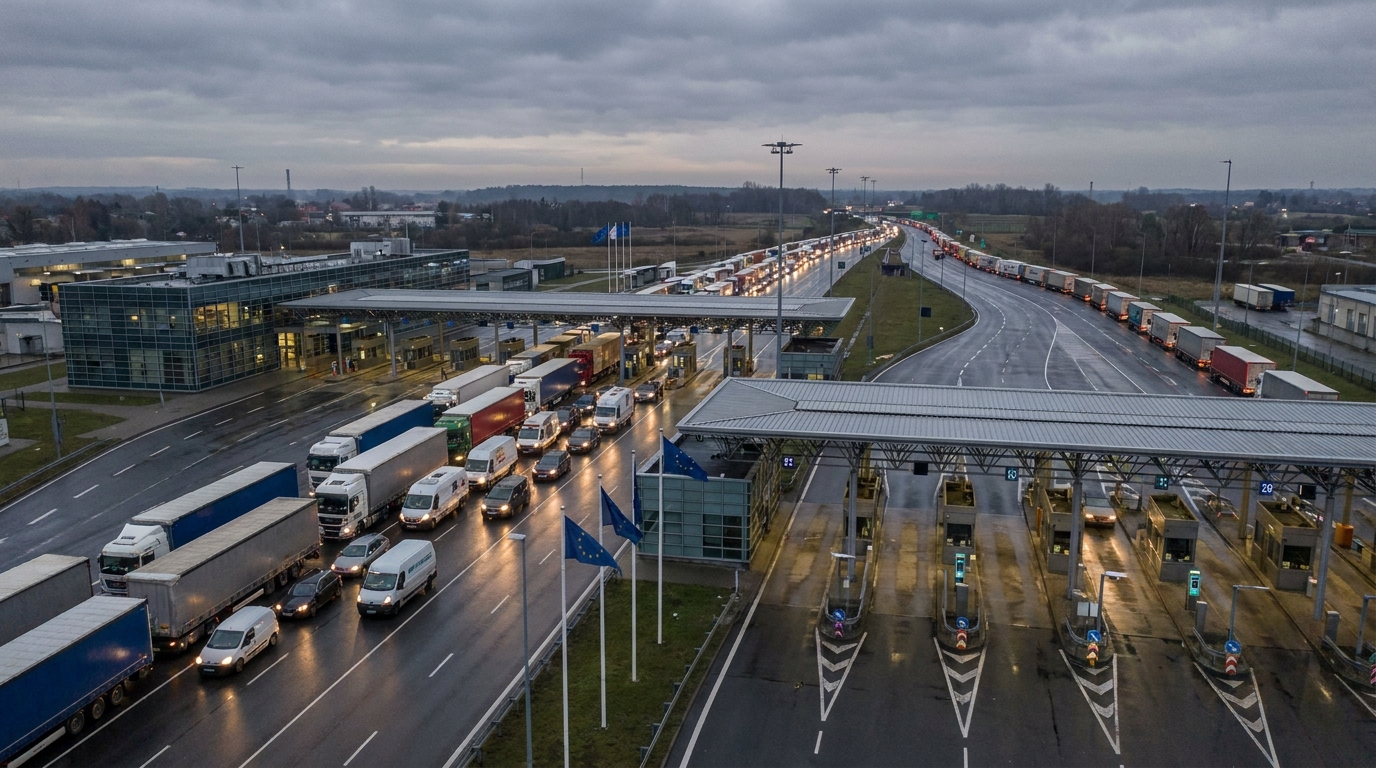
The public debate on the consequences of implementing the EES is focused almost exclusively on airports. This is understandable – images of passengers crammed into kilometers-long queues make headlines and generate social media coverage. However, from the perspective of risk analysis for the transport and logistics sector, the real epicenter of the crisis may lie elsewhere – at the road and rail freight crossings of the external Schengen borders.
Non-EU truck drivers – those who regularly cross the Schengen border as part of their work – are subject to the same biometric requirements as tourists. Transport organizations, with particular emphasis on carrier associations from the Western Balkans, Ukraine, Moldova, and the United Kingdom, have been warning for months about the growing risk of disruption at cargo terminals.
Imagine a transport corridor connecting Serbia or Bosnia and Herzegovina with Western European markets. Every driver—even crossing the border a dozen times a month—must undergo a full biometric process each time. With processing times increasing to 90 seconds per person and the simultaneous influx of dozens of tractor-trailers, even a well-organized border crossing can generate hours of delays.
Specific Financial Losses: Risk Analysis for Transport Companies
For risk managers and owners of transport companies, it is worth translating the above data into business language – that is, into real operational and financial losses that may result from the new border reality.
Increase in operating costs
- Fuel costs: Downtime at border crossings means idling the engine or waiting for hours with the engine off and the cabin heater on. In both cases, this generates additional fuel consumption, which, at current prices, can range from several dozen to even several hundred złoty per trip.
- Drivers' working time costs: Waiting time at the border is included in the working time standards regulated by Regulation (EC) No. 561/2006. A driver who spends 3-4 hours waiting in line at the border may exhaust their daily working time limit before reaching their destination, forcing a mandatory rest and further delaying their delivery.
- Hardware costs: For a refrigerated fleet transporting products that require a constant temperature, an extended stop may involve the risk of cargo loss or the need for additional inspection by the recipient.
Risk of just-in-time supply chain disruptions
The automotive and pharmaceutical industries are particularly sensitive to supply disruptions. Automakers operating in a just-in-time mode expect components to be delivered within an hour. A delay of several hours for a single truckload of components can bring the entire production line to a halt, generating losses many times greater than the value of the cargo itself. Transport companies serving these sectors should update their contracts and force majeure clauses now to account for the risk of delays resulting from EES border procedures.
Contractual penalties and litigation
The increase in delayed deliveries will inevitably translate into a rise in claims for breach of contract terms. Many logistics contracts contain precise penalty clauses for delays. The question of whether border delays resulting from EU regulatory decisions can be treated as a circumstance excluding carrier liability (force majeure or an external event) will likely be the subject of numerous arbitration and court disputes in the coming months.
Threat to the financial liquidity of small and medium-sized carriers
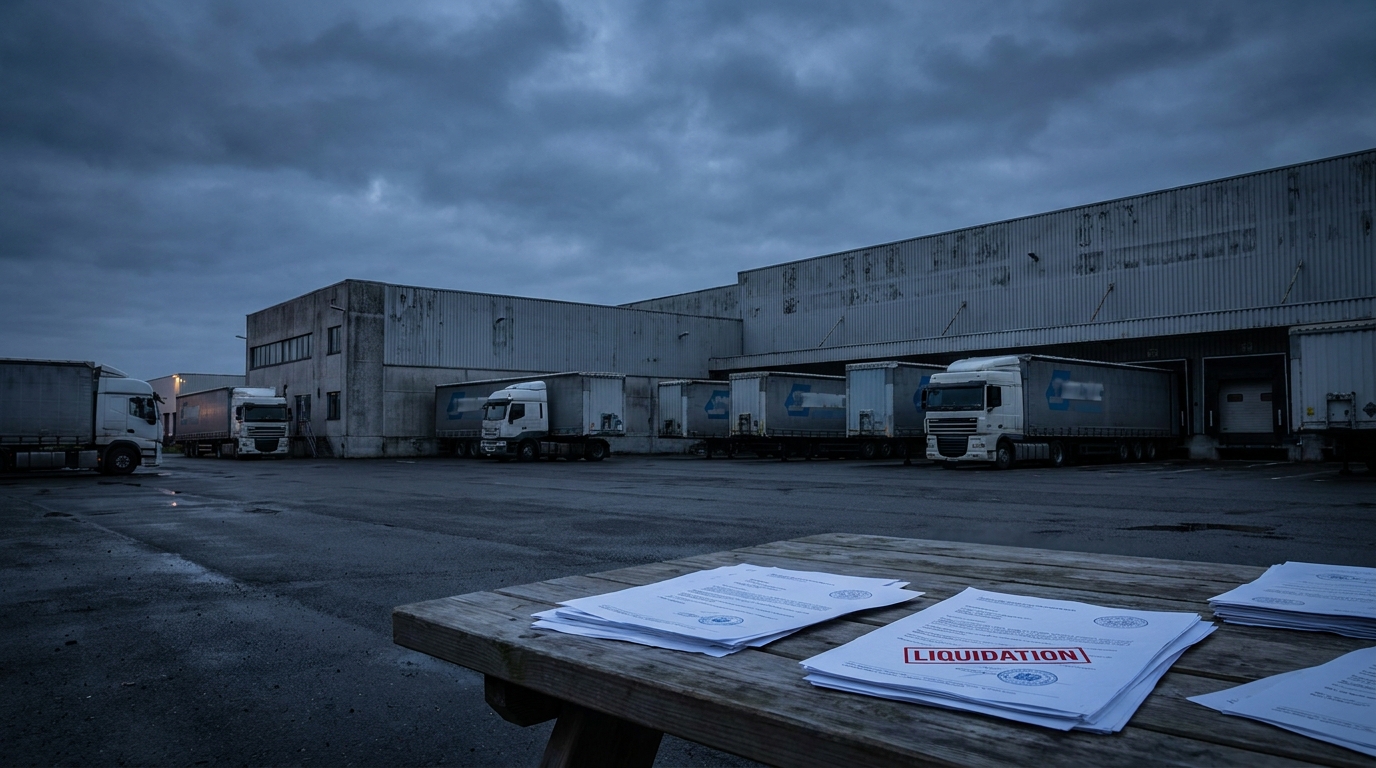
For large logistics operators with diversified customer portfolios and financial reserves, the new border reality poses a serious yet manageable challenge. The situation is entirely different for small and medium-sized transport companies, which already operate on the margins of profitability. With average net margins of 2-4 percent, any significant slowdown in fleet turnover, increased fuel costs and downtime, or loss of an order due to late delivery can directly threaten the company's solvency. In this context, EES ceases to be a regulatory issue and becomes a credit and business risk factor.
What can transport companies do now?
Although the industry has no influence on the European Commission's legislative decisions, there are a number of preventive and adaptive measures that can limit exposure to operational and financial risks related to EES.
- Review and update of transport contracts: It is recommended to introduce or update clauses regarding delays resulting from border procedures. It is advisable to consult with a lawyer specializing in transportation law regarding the possibility of invoking force majeure in the context of EES.
- Revision of schedules and time buffers: Routes leading through land border crossings at the external Schengen borders should have an extended time buffer – at least 2-4 hours per border crossing during peak traffic.
- Border crossing monitoring: It's worth implementing systematic monitoring of waiting times at key border crossings using available tools (apps, GPS systems, and dispatcher information). This will allow for dynamic route planning and avoiding the busiest terminals.
- Communication with customers: Proactively informing customers about possible delays resulting from new border procedures can prevent disputes from escalating and build understanding of the new operational realities.
- Analysis of customer portfolio in terms of sensitivity to delays: It is worth identifying which customers are particularly vulnerable to losses in the event of delays (e.g. automotive, pharmaceutical, fresh food) and prioritizing resolving contractual issues with them.
- Verification of contractors: In a new, more risky worldrodoIn the operational sphere, the quality of business partners becomes even more important. Companies that already had liquidity problems before the EES crisis may now fall into a spiral of difficulties more quickly. Regular verification of the financial condition of contractors – freight forwarders, subcontractors, and customers – should become standard practice.
Winter season outlook: a test of European logistics capacity
Industry experts, including Jurgen Himmelmann from Global Work & Travel, point out that autumn and winter bring additional challenges. Although tourist traffic is lower than in summer, seasonal peaks associated with Christmas, New Year, and the winter holidays generate sudden spikes in demand for border capacity. Combined with potentially challenging weather conditions and a buildup of freight traffic due to the pre-holiday e-commerce peak, the winter of 2026/2027 could prove to be an unprecedented test of the capacity of European border infrastructure under the full EES regime.
It's worth noting that travel organizations like ABTA are already recommending travelers avoid tight transfers and allow significantly more time for border control. They also point out that arriving at the airport early may not be enough, as check-in and bag-drop procedures can close up to four hours before the flight, drastically reducing the time available to navigate the lengthy biometric queues. If tourists are forced to reorganize their travel plans so radically, imagine the consequences of this lack of flexibility for professional drivers operating within tight logistical schedules.
EURODEBT.eu Risk Assessment: Summary for Managers
From a business risk analysis perspective, the end of the EES flexibility on September 6, 2026, is a systemic event for the European transport and logistics industry. Below, we present key takeaways for risk managers and business owners.
- Operational risk: HIGH. The increase in biometric check-in time by over 260 percent, combined with the abolition of operational flexibility, guarantees a significant increase in the time it takes to cross the external Schengen borders, especially during peak hours and days.
- Financial risk for small and medium-sized carriers: HIGH. Increased operating costs, the risk of contractual penalties and potential delays in order execution may directly threaten the financial liquidity of companies with low margins.
- Supply Chain Risk: MODERATE TO HIGH. Sectors with zero tolerance for delays are particularly at risk – automotive, pharmaceuticals and fresh food products.
- Reputational and relationship risk: MODERATE. An increase in delays can negatively impact customer relationships and carriers' credibility ratings, even if the causes of delays are beyond their control.
- Regulatory Risk: PERMANENT. There are no signs that the European Commission intends to revoke or relax EES requirements. The industry must adapt to this new reality as a permanent part of the operational landscape.
Implementing the EES without adequate operational buffers and with still insufficient border infrastructure in many Member States is a recipe for accumulating delays, which will spill over from border crossings into entire supply chains. Companies that take adaptive steps now—both in operational planning and contractual and financial risk management—will be better prepared for the coming months. Those who ignore these new realities may suffer the consequences in their own bottom lines.