


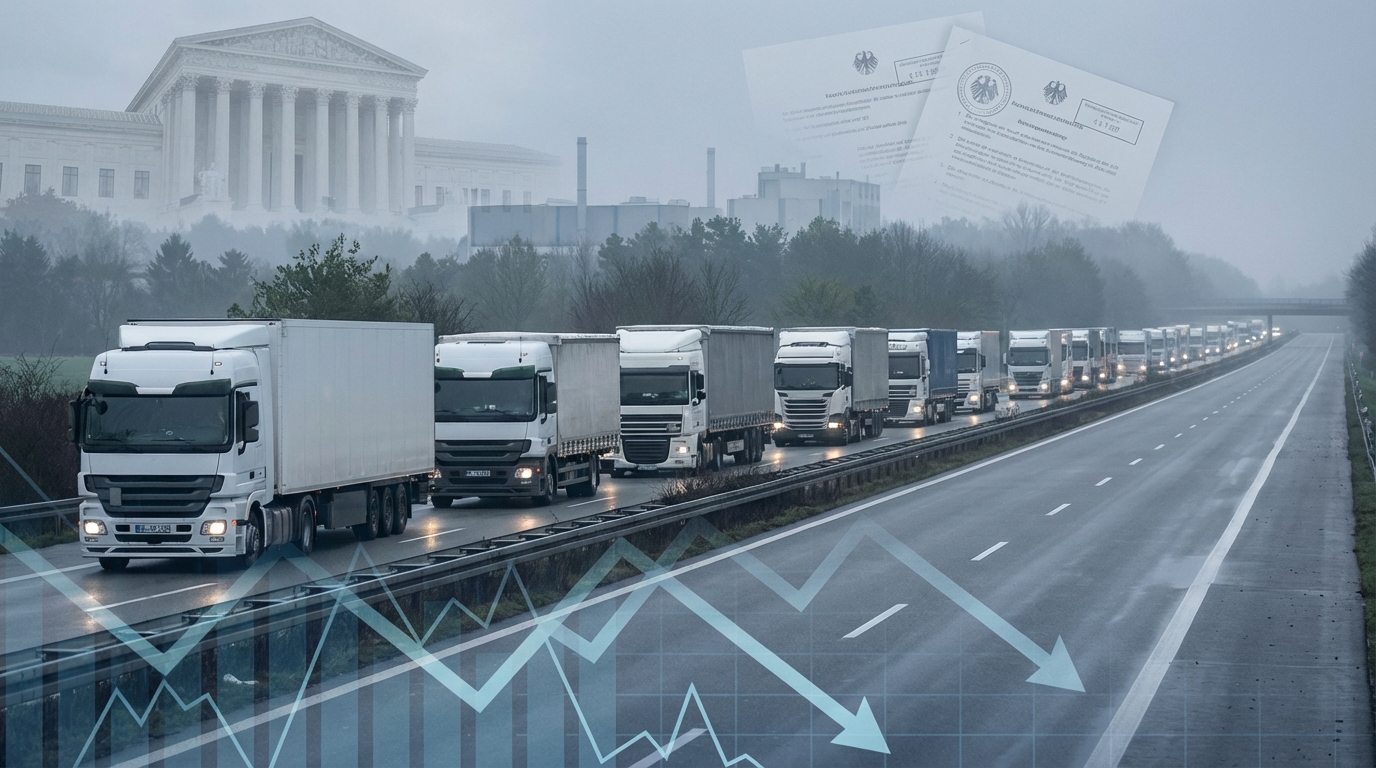
Germany: Business insolvencies rise by 4,9% - transport and logistics sector in highest risk zone
The Federal Statistical Office of Germany (Destatis) published data indicating a 4.9% increase in the number of corporate insolvencies in January 2026 — to 1919 cases. The transport and logistics sector recorded the second-highest insolvency rate across the entire economy: 8.6 per 10 000 active entities. For Polish companies in the transport, shipping and logistics sector working with German partners, these data signal the need to immediately tighten receivables management policies and verify the solvency of business partners.
Read more 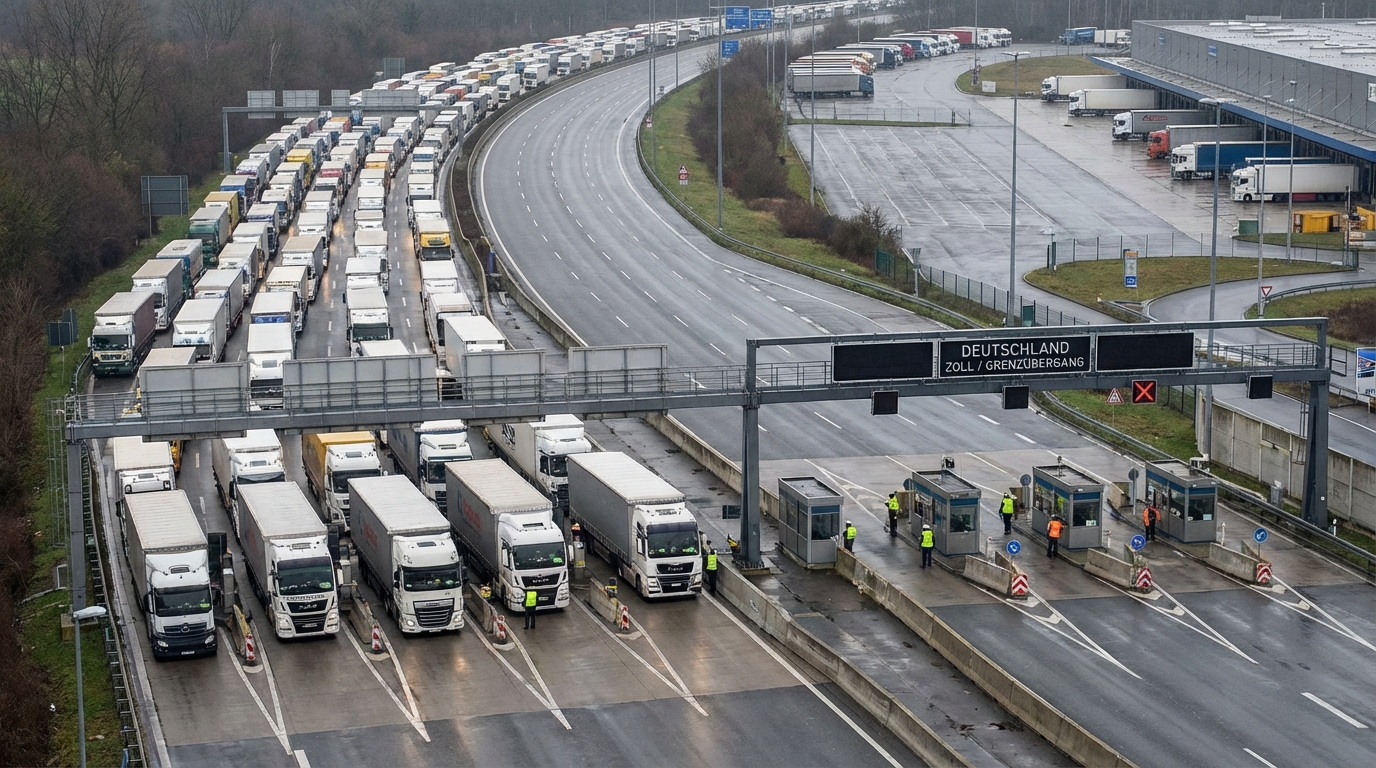
Border controls at Germany are costing the TSL industry up to €88 million per month. The risk of carrier bankruptcy is increasing.
Germany has extended border controls until autumn 2026, generating losses of approximately 60–88 million euros per month for the European transport industry. Polish carriers, as leaders in cross-border transport in the EU, are particularly exposed to rising operating costs and shrinking margins. Risk analysts forecast an increase in the insolvency rate among small and medium-sized transport, shipping and logistics companies serving the German market, and the portfolio of distressed receivables in this sector may rise sharply by the end of 2026.
Read more 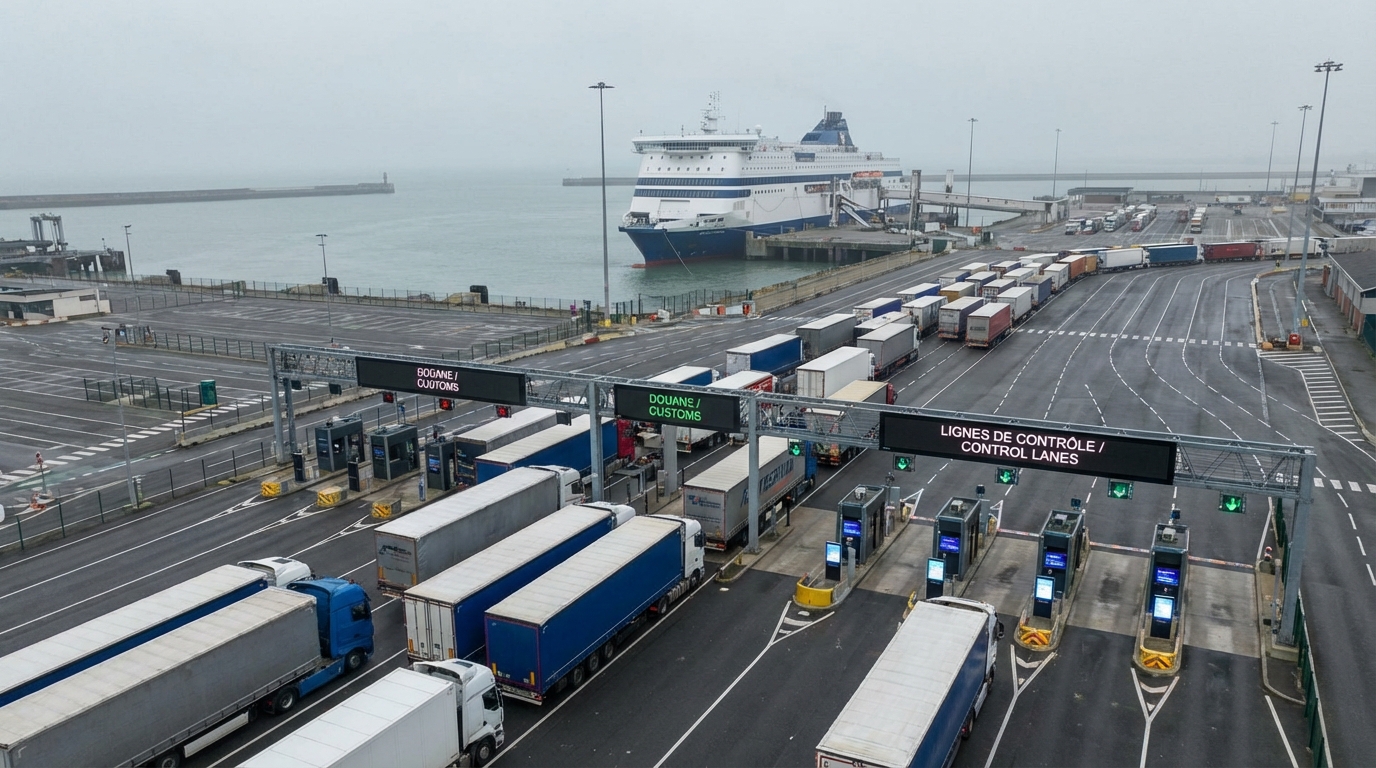
ELO from 20 April 2026: The Compulsory Logistic Envelope will revolutionise crossing the France-UK border
From 20 April 2026, every heavy goods vehicle crossing the France–Great Britain border using the Ro-Ro system will be required to have a valid Mandatory Logistics Envelope (ELO). Failure to have this digital document aggregating customs declarations and security data will result in immediate refusal of access to the ferry or tunnel. The new requirement, being introduced by DGDDI under the Smart Border system, applies to all operations – regardless of the direction of travel and whether the vehicle is loaded. Transport and freight forwarding companies must urgently verify their technical and procedural readiness, particularly with regard to compliance with the ICS2 system.
Read more 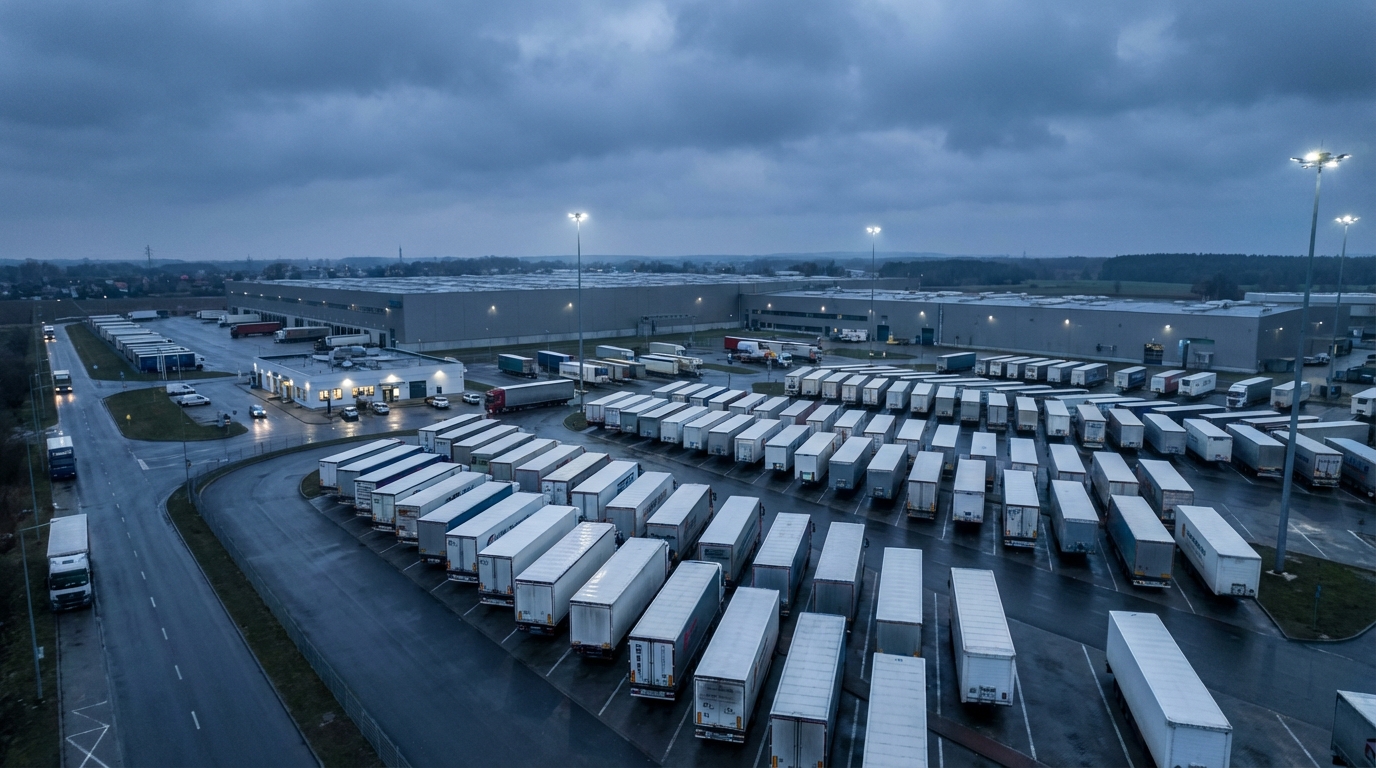
Record PLN 3,3 billion in debt in Polish TSL: one in eight transport companies fails to pay on time
The financial arrears of Poland's transport, shipping and logistics sector reached a record level of nearly 3.3 billion zlotys at the end of 2025, and more than 38,000 companies are struggling with payment problems. Road freight transport accounts for as much as 75% of this debt, with one in eight carriers failing to pay their obligations on time. The crisis is driven by payment delays — 84% of companies complain that their business partners do not pay on time — and its effects may be felt by trading partners across Europe.
Read more 
DGCCRF fines three logistics giants: Kuehne+Nagel, Amazon and Transepi for late payments to subcontractors
The French regulator DGCCRF imposed financial penalties on three major logistics operators — Kuehne+Nagel, Amazon France Logistique and Transepi Logistique — for systematically exceeding statutory payment deadlines to transport subcontractors. Inspections showed that delays averaged 15 days beyond the permitted limit, directly threatening the financial liquidity of small and medium-sized carriers. The case is a serious warning for Polish and Eastern European transport companies active in the French market, indicating that a prominent counterparty logo is no guarantee of timely payments.
Read more 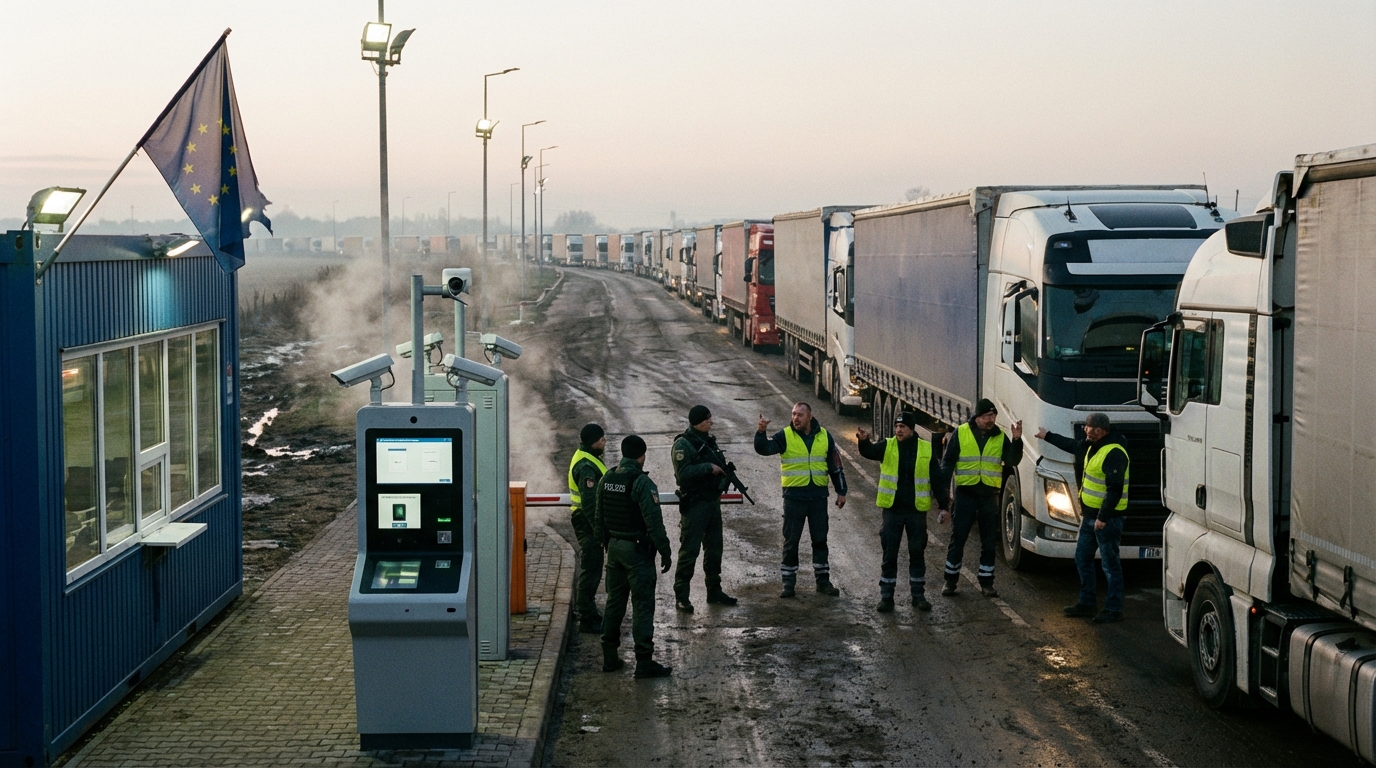
EES system from April 10, 2026: Balkan drivers threaten border blockades, logistics in Europe on the brink of crisis
The EES system enters into force on 10 April 2026, introducing digital biometric checks at Schengen borders and strict enforcement of the 90-day stay rule for third-country nationals. Thousands of professional drivers from the Western Balkans, a pillar of European road transport, are responding with threats of border blockades and are already organising the first protests. For logistics companies, this means a real risk of fleet downtime, supply chain disruptions and rising freight rates — and the need for immediate action.
Read more 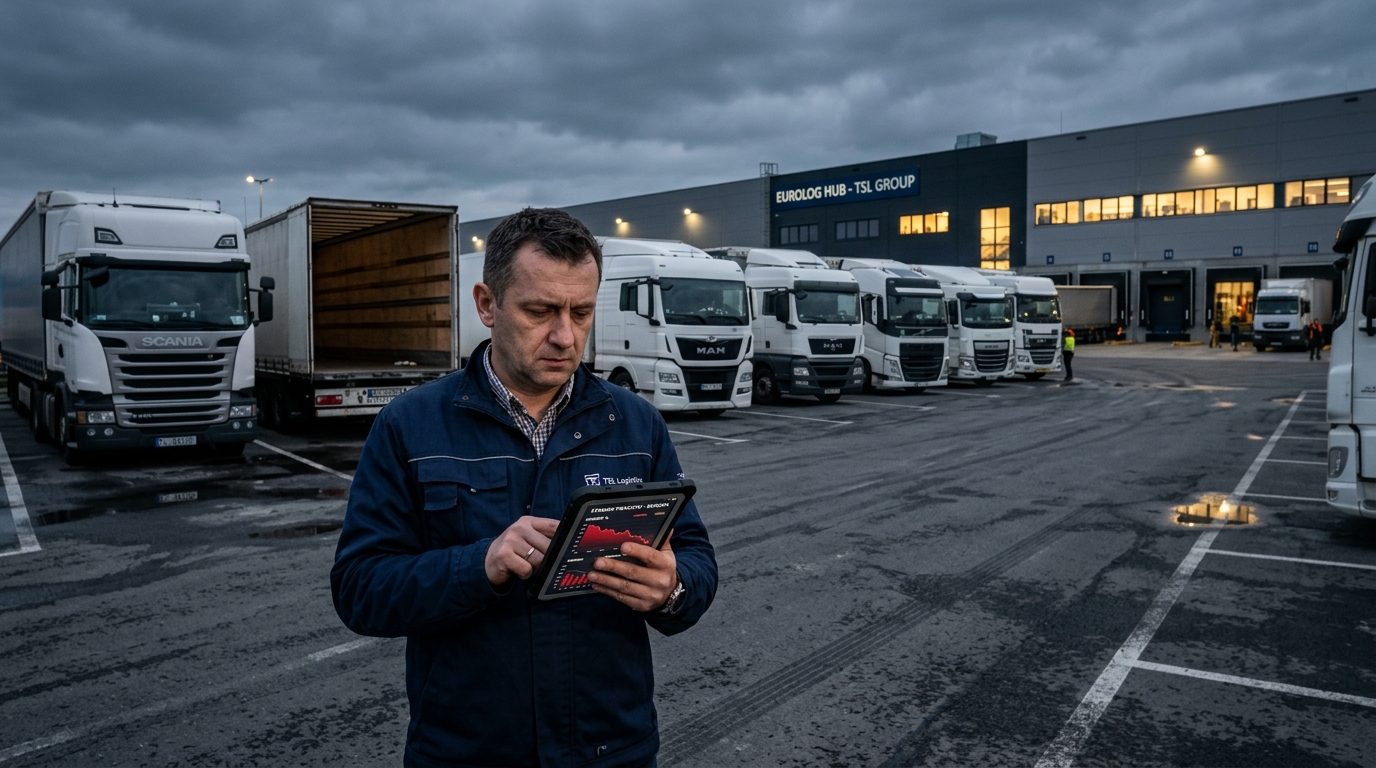
Freight rates plummet in Europe: liquidity crisis threatens wave of bankruptcies in TSL industry
The European transport market faces a major challenge — freight rates are falling due to weakening demand in the manufacturing sector, and FTL carriers’ margins are shrinking to levels that do not even cover basic operating costs. Experts predict another wave of bankruptcies and market consolidation, which means a real risk of sudden supply chain disruptions for shippers. Find out how to assess the financial health of your transport partners and what procedures to implement to minimize operational risk.
Read more 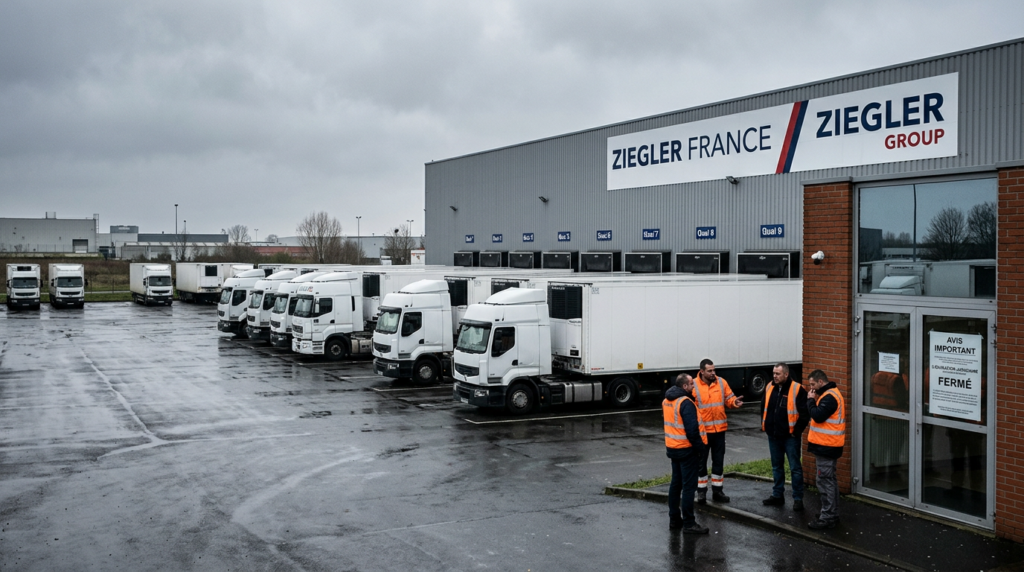
Ziegler France collapse: domino effect threatens hundreds of transport subcontractors in Europe
The liquidation of Ziegler France threatens a domino effect: hundreds of small transport companies left unpaid for months of work. Risk analysis for the transport, shipping and logistics sector.
Read more 
Eurodebt API: Integrate contractor verification into your system
Stop wasting time. Integrate your TMS, ERP or CRM software directly with the Eurodebt database. In modern logistics and trade, time is of the essence. That is why we offer our solutions in the form of the Eurodebt API – a flexible interface that enables lightning-fast data exchange between your systems and our analytical tools. Why use it […]
Read more 
Global oil prices hit by political tensions
Crude oil prices in recent weeks have been responding mainly to the changing diplomatic situation between the United States and Iran. Analysts indicate that forthcoming agreements may soon lower crude oil prices on international markets. If negotiations conclude in the coming months, a significant decline in oil prices is possible. Price fluctuations amid conflicts […]
Read more