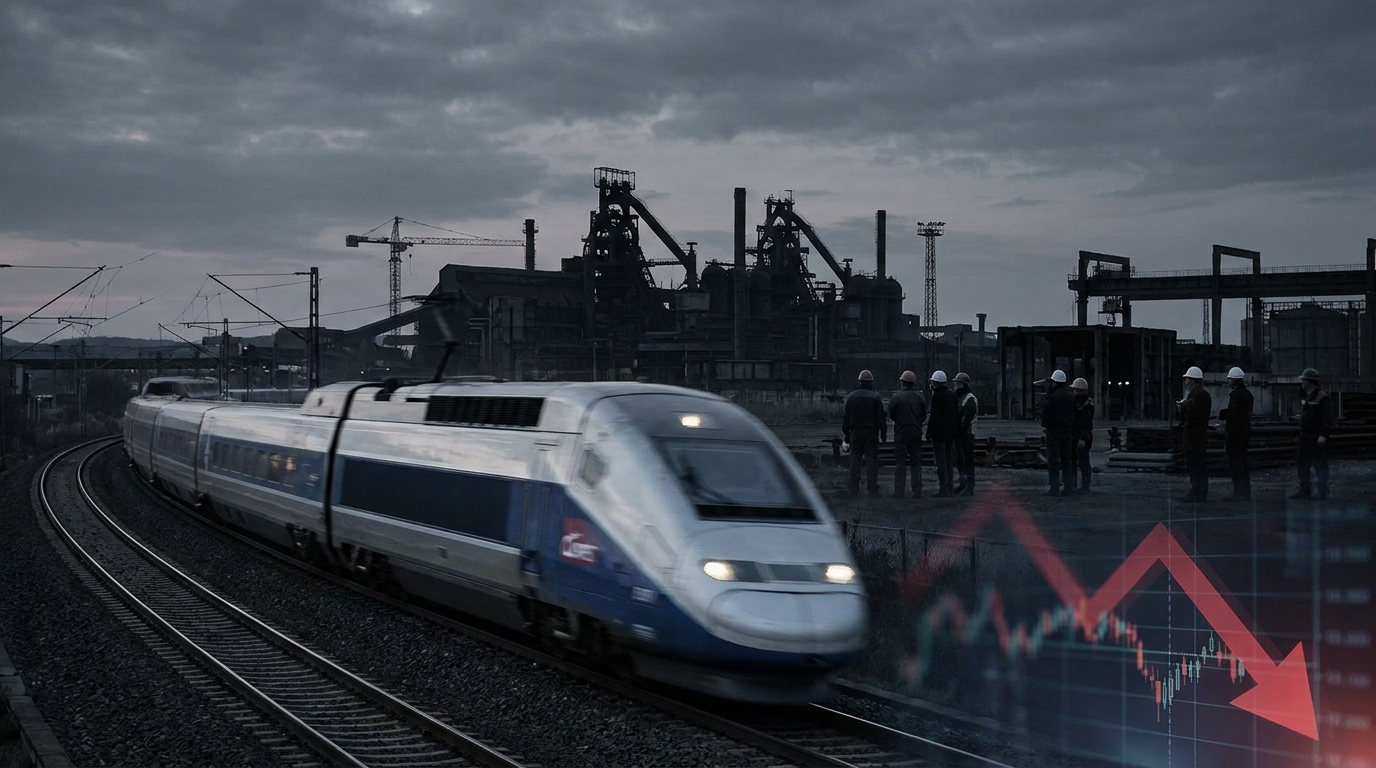
Kolibri 360 (formerly Zeitfracht) under scrutiny: Subcontractors accuse the logistics giant of systemic payment backlogs
Kolibri 360 — formerly operating under the name Zeitfracht — has found itself at the center of a serious crisis of confidence in the European logistics market. Subcontractors, including freight forwarders Brand and Focus Logistics, accuse the operator of deliberately withholding payments, treating their invoices as an interest-free line of credit. Legal disputes over six-figure sums before a court in Stuttgart and the insolvency of at least one business partner are warning signs that should immediately alert all risk managers working with this group.
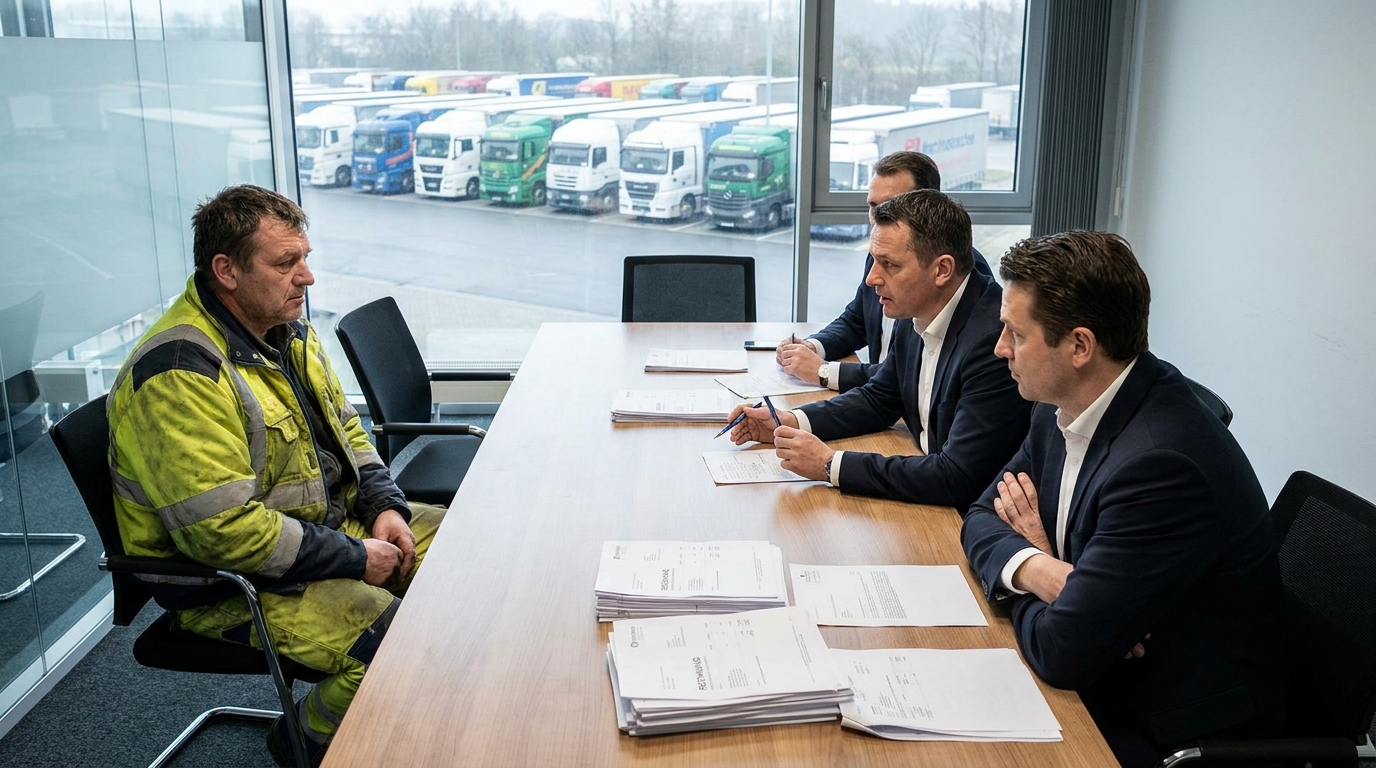
One of Germany's largest logistics operators has found itself in the midst of a major crisis of confidence. Zeitfracht—which recently rebranded and now operates under the name Kolibri 360 — is being accused by a growing number of subcontractors of deliberately and systematically delaying payments for transport services provided. Litigation involving six-figure sums is ongoing in a Stuttgart court, at least one former business partner has declared bankruptcy, and a growing sense of helplessness vis-à-vis the corporate giant is growing among affected freight forwarders—such as Brand, Focus Logistics, and International Express Delivery (IED). This case is not just a local trade conflict. For thousands of transport companies across Europe, including numerous Polish carriers serving the German market, it is a wake-up call of the highest order.
Rebranding as a Way Forward? The Story of Zeitfracht and Its Transformation into Kolibri 360
Zeitfracht spent years building its position as a key player in the German freight forwarding market. The company managed an extensive network of subcontractors, fulfilling transport orders in Germany and throughout Europe. The name change to Kolibri 360 was officially presented as part of the group's strategic transformation and modernization. In reality, however, it coincided with escalating conflicts with subcontractors and a growing avalanche of reports of unpaid payments.
For experienced risk analysts, this scenario is well known. Rebranding carried out at the height of a reputational crisis It's one of the classic red flags that indicates a company is consciously trying to dissociate itself from a negative image without addressing its underlying operational or financial issues. A name change doesn't alter its payment history, debt structure, or pending litigation. Risk departments at companies considering working with this entity should keep this principle in mind as a starting point for further analysis.
Abuse Mechanism: Subcontractor Invoices as Free Working Capital Credit
The heart of the allegations made by the injured carriers is surprisingly simple in its brutality. The subcontractors describe a situation in which Kolibri 360 systematically suspends payments for services performed for dozens, and often over a hundred days, after the agreed deadlines expire. In corporate finance, this practice is euphemistically called "aggressive working capital optimization." However, the injured parties themselves use a much more blunt, German term: "zinslose Kreditlinie" — interest-free line of credit.
The mechanism is as follows: a small or medium-sized carrier carries out the ordered transport, issues an invoice, and waits. Weeks pass, and payment never arrives. Meanwhile, the logistics operator effectively uses the funds that should have been paid to the subcontractor to finance its own operations—without any interest, without any collateral, and without any risk on its part. All risk is transferred to the weakest link in the chain.
The transportation industry is particularly sensitive to this type of practice for several reasons:
- Low operating margins — in a typical transport company, the net margin oscillates between 2 and 5 percent of turnover, which means almost zero financial security buffer.
- High fixed costs payable upfront — leasing installments for tractor units and trailers, drivers' salaries along with ZUS contributions or equivalents abroad, insurance policies — all this requires regular financing regardless of whether the client has paid.
- Fuel as a variable but inherent operating cost — at today's diesel prices, every day of downtime or lack of liquidity to purchase fuel means direct losses.
- Lack of access to cheap external financing — small transport companies have limited opportunities to obtain working capital loans from banks, and factoring in the case of receivables from a contractor with payment problems is becoming increasingly expensive or unavailable.
The consequences are severe and rapidly growing. Freight forwarders Brand and Focus Logistics, cited in a WELT report, have openly reported serious cash flow problems stemming directly from payment backlogs on the part of Zeitfracht/Kolibri 360. At least one company, a former partner of the group, has already declared bankruptcy. This isn't a statistic—behind every such bankruptcy are lost jobs, destroyed owners' life's work, and unpaid liabilities to other contractors.
Stuttgart courtroom: Escalation of the conflict and legal consequences
When negotiations and reminders fail, legal action remains. Numerous proceedings are currently underway in the Stuttgart court, in which subcontractors are seeking payment of outstanding debts. Individual cases have resulted in claims reaching six figures, meaning that a single carrier could face claims amounting to tens or hundreds of thousands of euros.
The growing number of lawsuits against Kolibri 360 has far-reaching implications that go beyond the resolution of individual cases:
- A signal for financial institutions — banks and lessors financing the group's operations must take into account legal risk as an additional factor in assessing the entity's creditworthiness.
- A signal for credit insurers — Companies such as Euler Hermes, Atradius or Coface that issue insurance policies for receivables from Kolibri 360 must verify their limits and risk assessments.
- Signal for factoring companies — institutions purchasing receivables from Kolibri 360 subcontractors are exposed to an increased risk of non-collectibility or delays in the exercise of recourse rights.
- Industry precedent — If the court in Stuttgart issues judgments clearly qualifying the described practices as a gross violation of the rules of economic activity and awards additional penalties or interest at the statutory level, this could create an important precedent for the entire logistics industry in Germany and, more broadly, in Europe.
The EU Late Payment Directive (2011/7/EU) should theoretically protect small and medium-sized businesses from precisely these situations. In practice, however, its enforcement faces significant barriers. Large corporations have specialized legal departments that can effectively prolong invoice approval processes, initiate spurious disputes over the quality of services provided, and construct complex compensation mechanisms that de facto block payment. Small transport companies, struggling to survive, often lack the resources to effectively pursue their rights in court—and it is precisely this asymmetry of power that the entities employing these practices rely on.
Macroeconomic context: The logistics crisis as a barometer of the economic situation
When analyzing the Kolibri 360 case, one cannot ignore the broader macroeconomic context. Germany—the largest economy in the European Union and the absolute heart of the European transport market—is going through one of its most challenging periods in years. While data from the German Ifo institute indicates some signs of stabilization in sentiment among the largest companies, the labor market and consumer demand remain under severe pressure. A true economic recovery in economically sensitive sectors, of which the transport and logistics industry is a prime example, remains a distant prospect.
In such macroeconomic conditions, the pressure to improve financial indicators becomes extremely strong in large corporations. Extending payment terms to subcontractors is one of the simplest methods of improving the working capital ratio in the short term—without having to resort to more expensive bank financing. The cynicism of this strategy lies in the fact that its cost is completely externalized—borne by those with the least ability to defend themselves.
It is worth emphasizing that the described phenomenon has a direct impact on Polish transport marketPolish carriers have long been among the largest groups serving the freight market in Germany, Austria, and Switzerland. Many Polish companies provide services for German logistics operators, including historically for Zeitfracht. Delays in payments from large German clients directly impact Polish entities, often without the possibility of quickly pursuing claims through courts in a foreign language and jurisdiction. This deepens the risk of insolvency among small and medium-sized transport companies from Poland, the Czech Republic, Slovakia, and Romania—countries whose carriers are particularly active in the Western market.
The Domino Effect: When One Large Entity Doesn't Pay
The logistics industry is characterized by a very dense network of interconnections and dependencies. A single principal may have hundreds or even thousands of subcontractors at various levels in its network. When a large operator withholds payments, the cascading effect quickly spreads:
- The first-tier subcontractor loses liquidity and begins to delay payments to its suppliers – fuel companies, garages, tire suppliers.
- Drivers and employees may not be paid on time, leading to staff turnover and operational problems.
- Vehicle fleet lessors, failing to receive installments on time, may initiate vehicle repossession procedures, which immediately paralyzes the company's operational capacity.
- Cargo and OCP insurers, analysing the growing risk of insolvency, may limit or withdraw insurance cover.
- Ultimately, the bankruptcy of a subcontracting company means the interruption of the execution of active orders, which generates losses for the final clients and recipients of goods.
As the case of at least one of Zeitfracht/Kolibri 360's former partners demonstrates, this scenario isn't theoretical. It's the real, documented reality of the European transport market in 2024 and 2025.
EURODEBT.eu Risk Assessment: High Level – What does this mean for your business?
From the perspective of EURODEBT.eu analysts, the Zeitfracht/Kolibri 360 case study should be classified as operational and credit risk at HIGH levelThe convergence of several independent risk factors—escalating litigation, confirmed partner bankruptcies, rebranding at the height of the crisis, and the broader macroeconomic context of the German slowdown—creates a picture that should prompt every risk manager to take immediate verification and safeguarding measures.
What should you pay particular attention to when monitoring the situation of Kolibri 360 and similar entities?
- DSO (Days Sales Outstanding) indicator — weekly tracking of the actual time of receivables collection from the contractor. An increase in DSO beyond the agreed terms by more than 7-14 days should trigger an escalation procedure.
- Monitoring court proceedings and debtor registers — regular checking of databases, including German registers (e.g. Schuldnerverzeichnis), for new entries concerning the contractor.
- Analysis of changes in corporate structure — rebranding, transformations, changes in management or ownership structure may signal attempts at restructuring or avoiding obligations.
- Industry interview — informal conversations with other carriers cooperating with a given entity often provide the most up-to-date information about payment problems before they appear in official reports.
Recommendations for companies cooperating with Kolibri 360 and similar entities
Based on the case analysis and many years of experience in risk assessment in the transport and logistics industry, EURODEBT.eu makes the following recommendations for companies that cooperate or are considering cooperation with Kolibri 360 (formerly Zeitfracht) or entities exhibiting similar payment behavior patterns:
- Strictly limit credit exposure — the limit of trade credit granted to the contractor should be set at the absolutely necessary minimum level, not exceeding the value of services provided during one payment cycle.
- Mandatory receivables insurance or non-recourse factoring — No invoice issued to an entity with a history of payment problems should be left without insurance protection. Non-recourse (full) factoring transfers the risk of the recipient's insolvency to the financial institution.
- Tough contract clauses — each cooperation agreement should include an unconditional right to immediately suspend the provision of services in the event of a delay in payment exceeding 14 days, without the need to terminate the agreement with a notice period.
- Service quality documentation — in view of the practice of initiating apparent quality disputes as a pretext for withholding payments, each order should be completed with a confirmed proof of delivery (POD), signed by the recipient, which constitutes irrefutable proof of the service provided.
- Diversification of the order portfolio — No single client should generate more than 20-30% of a company's turnover. Overdependence on a single entity experiencing payment problems can be fatal for a small carrier.
- Ongoing legal consultations — in case of the first signs of payment problems, it is worth immediately consulting a lawyer specializing in commercial law in the jurisdiction of the contractor (in this case – German law).
Summary: What do we learn from the Zeitfracht/Kolibri 360 case?
The Zeitfracht case—and now Kolibri 360—is a prime example of the systemic risk faced by subcontractors in the European transport and logistics industry. It demonstrates that even a long-term, seemingly stable collaboration with a large, well-known operator can quickly turn into an existential threat to a smaller partner. The power asymmetry between a logistics giant and a small or medium-sized transport company is enormous—and the payment practices described shamelessly exploit this asymmetry.
The name change from Zeitfracht to Kolibri 360 does not change the fundamental questions that the market is still waiting for answers to: Does the new brand represent a real shift in the company's payment culture? Will the ongoing court proceedings in Stuttgart result in the full settlement of claims by injured subcontractors? And finally, are EU regulators and European courts ready to more effectively enforce laws protecting SMEs from systemic payment bottlenecks?
The answers to these questions will be crucial not only for the companies directly involved in the dispute but for the entire European logistics sector. EURODEBT.eu will continue to monitor developments and inform its readers of any significant developments in this case.