
The Office of Competition and Consumer Protection (UOKiK) is targeting carriers with PLN 570 million in fines for a "no-poach" collusion with a discount chain. What does this mean for the transportation industry?
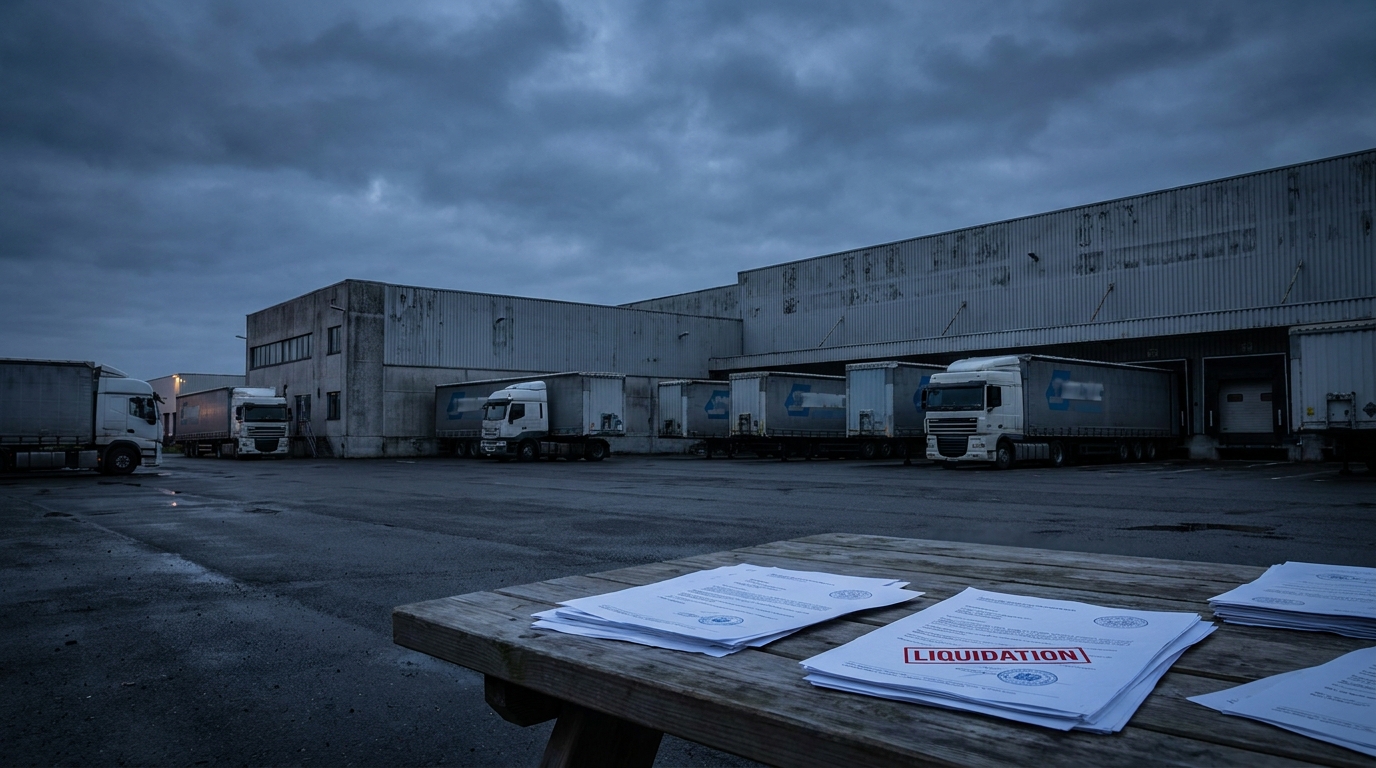
The President of UOKiK imposed fines exceeding PLN 570 million on the owner of a large discount retail chain and 29 transport companies for an illegal no-poach agreement that restricted drivers' freedom to change employers for nearly seven years. This decision, one of the largest in the history of Polish antitrust law, directly affects the creditworthiness and reputation of the penalized carriers. For risk managers and compliance departments, this is a clear signal that the verification of business partners in the transport sector must now also cover employment policies and potential violations of competition law.
In September 2026, the President of the Office of Competition and Consumer Protection issued a decision that shook the Polish transport and logistics industry. Fines totaling over PLN 570 million were imposed on the owner of one of the largest discount chains in Poland and as many as 29 transport companies cooperating with that chain. The decision was caused by illegal labor market collusion—the so-called "no-poach" agreement—which for nearly seven years restricted drivers' freedom of movement between employers. This case, one of the largest in the history of Polish antitrust law, sheds new light on the legal and financial risks faced by transport companies participating in the complex supply chains of large retail chains.
What is a no-poach agreement and why is it illegal?
The term "no-poach" refers to agreements or informal arrangements under which two or more entities mutually agree not to hire or induce employees of the other party to change employers. While these may seem like internal human resources management issues, under European and Polish antitrust law, they are treated as a serious violation of the principles of free competition—this time, not in the goods or services market, but in the labor market.
The European Commission and national antitrust authorities, including the Office of Competition and Consumer Protection, are increasingly consistently classifying such agreements as so-called restrictions by purpose (Ang. by object restrictionsThis fundamental legal distinction means that the authority doesn't have to prove that a given agreement actually caused harm—it's enough to demonstrate that it was intended to restrict competition. In practice, this significantly simplifies prosecution and the imposition of significant fines, even if the fined company argues that "nothing actually happened."
Collusion mechanism: how did it work in distribution centers?
The practice described by the Office of Competition and Consumer Protection (UOKiK) was multi-layered and—particularly important from a corporate risk perspective—long accepted as part of everyday operational practice. Carriers providing services to the discount chain, operating at the same distribution centers, entered into an informal agreement: none of them would actively recruit drivers employed by a competitor operating at the same center.
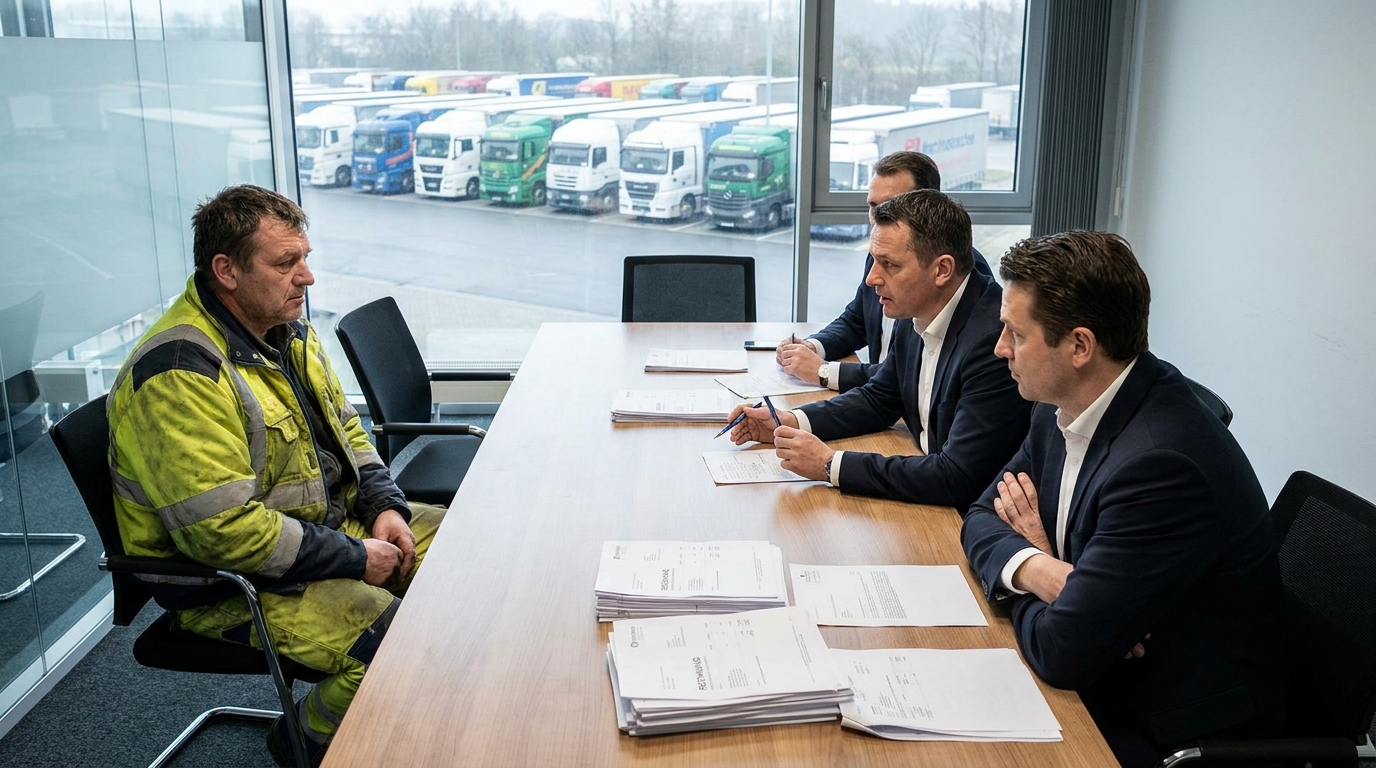
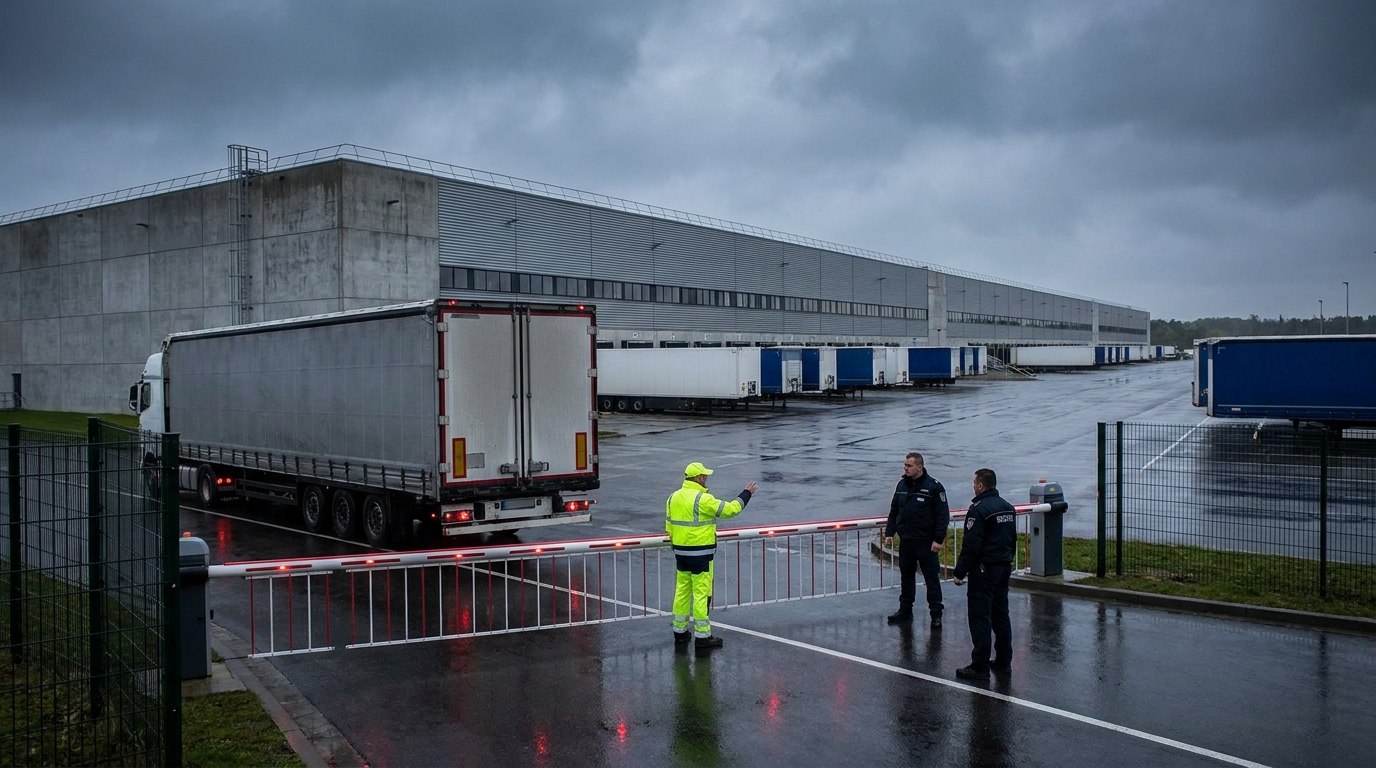
In practice, it worked like this: a driver wishing to change employer to another transport company serving the same distribution center had to obtain written consent from their current boss. Failure to obtain such consent automatically triggered a sanction mechanism—the driver was placed on a "grace period" list and barred from entering the distribution center for a predetermined period. The discount chain played the role not only of an observer but also of an active enforcer of these arrangements: security guards at the entrance gates physically blocked entry to drivers who violated the informal rules of the collusion.
The procedure lasted from June 2017 to February 2024 — almost seven years. During this time, thousands of drivers may have been deprived of the opportunity to freely shape their professional careers and negotiate better employment conditions. From an economic perspective, the collusion maintained artificial wage pressure in this market segment, limiting labor mobility while simultaneously eliminating natural competition for qualified drivers.
Penalties and their distribution: who is at greatest financial risk?
The total amount of sanctions imposed by the Office of Competition and Consumer Protection in this particular case exceeded 570 million zlotysThe vast majority of this sum—a staggering 525 million złoty—fell on the shoulders of the main organizer and coordinator of the collusion, the owner of the discount chain. The remaining funds were distributed among 29 transport companies that actively participated in the agreement.
A particularly important element of this decision, rarely encountered in Polish antitrust practice, is the imposition of financial penalties on 8 individuals — managers and executives of companies participating in the collusion. The highest individual fine for an individual amounted to nearly 400 PLN. This aspect of the decision sends a clear signal to the market: liability for competition law violations does not end at the company level—it can directly affect individuals making specific business decisions.
An exceptionally incriminating element from the point of view of assessing corporate governance is the fact that during the searches carried out by the Office of Competition and Consumer Protection, the following items were seized: internal documents discount chain, which confirm the management's full awareness of the illegal nature of the practices employed. This means that the violation was not the result of error or ignorance of the regulations—it was a conscious business decision, which certainly influenced the amount of the fines imposed.
Industry Context: Carriers as the Weaker Link in the Chain
This story reveals a structural problem in the relationship between large retail chains and the transport companies that serve them. In the Polish business model, the distribution centers of large discount chains are operated by numerous external subcontractors—independent carriers who compete for contracts while remaining dependent on a single, dominant client.
This structure creates natural tensions: on the one hand, carriers compete for contracts, and on the other, they share a common interest in keeping labor costs as low as possible. In this context, the illegal "no-poach" collusion is a solution to the coordination problem: instead of bidding for drivers (which would increase wages and costs), the transport companies agreed to avoid bidding at all.
From the perspective of European risk management standards, transport companies participating in such structures should particularly carefully analyze any informal arrangements made "in good faith" at the operational level. What appears to be a rational solution to staff turnover during an operational meeting may turn out to be an illegal, anti-competitive agreement.
Counterparty Reliability Risk: KYC and B2B Risk Assessment Perspective
For risk managers and compliance departments at companies working with the transportation and logistics sector, the UOKiK's decision is a serious warning sign. The imposed penalties directly impact several key areas of assessing a contractor's credibility:
- Financial liquidity risk: Antitrust fines, even if appealed, often must be secured or included in the company's balance sheet. For smaller carriers, whose annual revenues can reach tens or even tens of millions of zlotys, a fine of several or even a dozen million zlotys can pose an existential threat. It's worth checking whether your company is among the 29 entities fined.
- Reputational risk: The Office of Competition and Consumer Protection's decision—even if it is not legally binding—is a public document. Its content will be available to business partners, financial institutions, and potential customers. A company listed in an antitrust decision as a participant in a cartel loses some of its credibility, regardless of the final court ruling.
- Credit risk: Banks and financial institutions are increasingly considering legal and regulatory risks when assessing the creditworthiness of transport companies. Pending antitrust proceedings or a final antitrust penalty may result in increased credit margins, reduced financing limits, or even the termination of loan agreements.
- Supply chain risk: Companies subcontracting transportation services to entities participating in illegal arrangements may face questions from their own auditors and regulators about due diligence procedures. In an era of growing ESG requirements and regulations regarding supply chain responsibility, ignoring compliance signals from subcontractors is becoming increasingly risky.
The broader context: the decision to impose PLN 1,47 billion in total fines
It's worth placing this decision in the broader context of the Office of Competition and Consumer Protection's (UOKiK) activity that same month. Almost simultaneously, on September 21, 2026, the authority issued a second landmark decision—this time concerning the pharmaceutical market. Leading pharmaceutical wholesalers, which controlled over 70% of the Polish wholesale market between 2015 and 2022, were fined over PLN 900 million for years of exchanging sensitive commercial information.
Under pharmacy partnership programs, wholesalers obtained detailed purchasing data from their customers, then aggregated and exchanged it. Information on prices, sales volumes, and trading terms allowed companies to monitor each other's market behavior and reduce uncertainty about competitors' actions—which, in turn, reduced the pressure to compete on price or margins. One company avoided punishment by taking advantage of the leniency program, disclosing details of the collusion to the prosecutor's office.
In total, both decisions from September 2026 amount to more than 1,47 billion zlotys —making this month a historic turning point in Polish antitrust law. This cumulative activity by the Office of Competition and Consumer Protection (UOKiK) signals that the authority is entering a new phase of law enforcement: more aggressive, more comprehensive, and ready to utilize tools that were rarely used just a few years ago.
What should transport companies do? Practical compliance conclusions
Regardless of the final outcome of the court proceedings (both decisions were appealed), the case outlined here defines a new standard of compliance risk for transport companies operating in Poland and, more broadly, in Europe. Practical steps that companies seeking to minimize their exposure to such allegations should take include several key areas:
- Antitrust audit of HR policy: Any informal or formal arrangements regarding the hiring of competitor employees, cooling-off periods following termination of employment, or staff-sharing agreements should be immediately reviewed by competition lawyers.
- Overview of contracts with dominant clients: If a contract with a key client contains clauses restricting the ability to hire employees or prohibiting the poaching of employees, it is necessary to assess whether these clauses violate antitrust law in the context of the wider network of subcontractors.
- Training for operational and management staff: The UOKiK's decision affected specific individuals. Managers and operational directors must understand the line between legal cooperation and illegal coordination with competitors.
- Implementation of whistleblowing procedures: The leniency program, which allowed one pharmaceutical company to avoid a nearly PLN 900 million fine, operates similarly to internal whistleblowing procedures. Companies with such mechanisms have the opportunity to identify and end illegal practices more quickly, before regulators become interested.
- Monitoring the legal status of partners and subcontractors: Transport companies should implement procedures to regularly check whether their business partners are not listed in antitrust records or are not the subject of ongoing proceedings – both in Poland and in other EU countries.
European Perspective: A Pan-Continental Trend
The Polish decision is not an isolated case. European antitrust authorities have been intensifying their efforts in the area of no-poach agreements and information exchange in labor markets for several years. The European Commission has issued guidelines indicating that such practices may be prosecuted under both Article 101 of the Treaty on the Functioning of the EU and national law. Antitrust authorities in Germany, France, Italy, and Scandinavian countries have conducted or are conducting similar proceedings in the transport, e-commerce, and distribution sectors.
Recent case law from the Court of Justice of the EU—including the high-profile judgment in Case C-298/22 concerning the banking sector—confirms that the exchange of commercially sensitive information can be treated as a violation of competition law even if it does not result in direct, measurable harm to consumers. This is a fundamental shift in regulatory approach that should change the way transport and logistics companies think about their relationships with competitors—even those with whom they also collaborate (the phenomenon of so-called coopetition).
Risk Assessment: What Does It Mean for Your Business Decisions?
The Office of Competition and Consumer Protection's (UOKiK) decision of September 2026 should become required reading for every risk manager, financial director, and lawyer operating in the transportation and logistics sector in Poland. It's not just about the 29 specific companies that were fined—it's about a business model that was widely used and treated as the industry norm for years.
When verifying transport contractors, we recommend taking into account the following warning signs (red flags):
- The company serves the distribution centers of a large retail chain as one of many subcontractors operating in the same ecosystem
- The company does not have a documented compliance policy in the area of labor law and competition law.
- There is a history of prior regulatory or legal proceedings against the company or its management team.
- The company is unable to provide a current antitrust audit conducted by an independent lawyer.
- Employment contracts or company internal regulations contain clauses that restrict employee mobility in a way that goes beyond standard non-compete agreements
Both decisions of the Office of Competition and Consumer Protection (UOKiK) remain non-final, and the fined companies have the right to appeal them to the Court of Competition and Consumer Protection. Antitrust proceedings in Poland last an average of three to five years. This means that the financial risk for fined entities will weigh on them for at least several more years—which directly impacts their ability to incur new liabilities, secure financing, and maintain relationships with business partners.
Regardless of the final outcome, one thing is certain: the era in which "no-poach" agreements were treated as a harmless element of operational management is definitively over. The transportation industry faces a profound reassessment of its practices—not only in Poland but across Europe.