


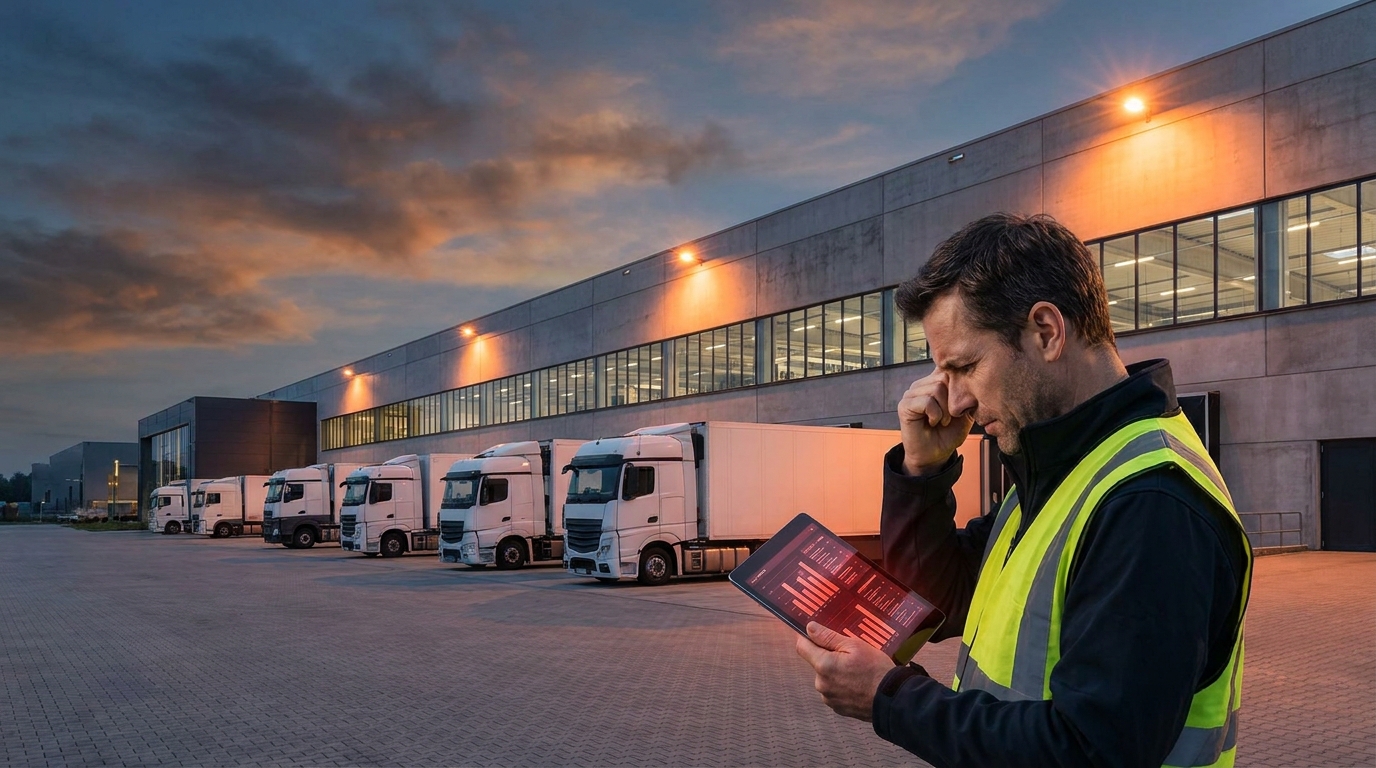
One in five invoices paid late – payment morality crisis hits logistics in the DACH region
The latest Austrian Business Check report prepared by KSV1870 reveals that in the DACH region, one in five invoices is paid late — the average waiting time for B2B payments has increased to 29 days. The transport and logistics industry, operating with margins of just a few percent, is particularly exposed to cash flow instability and the risk of a chain of bankruptcies. Analysts recommend an immediate review of credit policy, more intensive verification of business partners and the implementation of receivables financing instruments.
Read more 
Tens of thousands of UK companies with unverified directors - a wake-up call for European trading partners
More than 56 thousand active companies in the British Companies House register may be managed by unverified or fictitious directors — despite new verification regulations coming into force in November 2025. The scale of the problem is a serious warning for European companies, particularly in the transport and logistics sector, which are exposed to losses resulting from fraudulent orders and unpaid receivables. An immediate review of the portfolio of British business partners and stricter KYC/KYB procedures are measures that cannot be postponed.
Read more 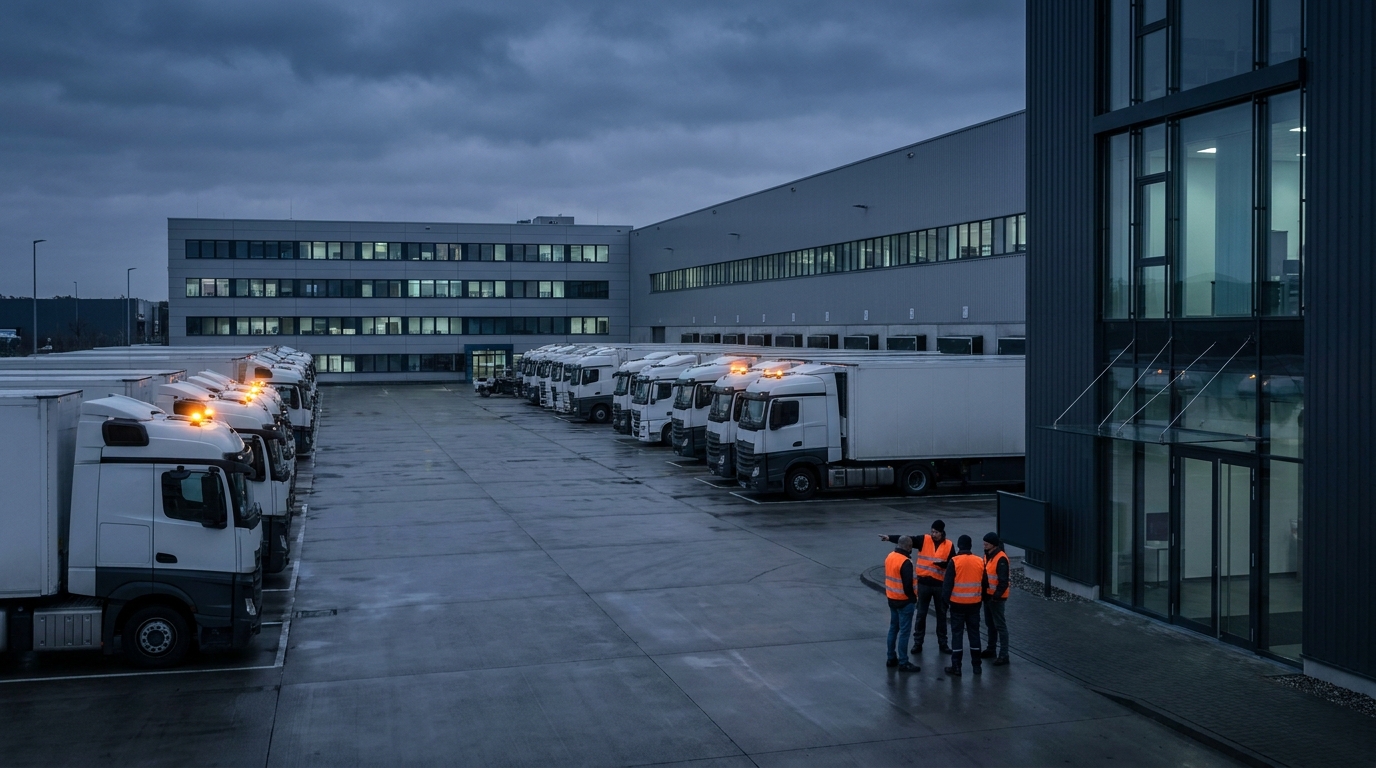
Hansa-Logistik bankruptcy: 500 jobs at risk, Polish carriers at risk
Hansa-Logistik, one of Germany's leading freight forwarding companies, has filed for insolvency with the Hamburg District Court, putting nearly 500 jobs at risk. The immediate causes of the company's collapse were a drastic increase in Maut road tolls and the sudden withdrawal of a key customer from the automotive sector. This event poses a serious risk of payment delays for hundreds of subcontractors — particularly Polish carriers — and is another warning signal for the entire transport, shipping and logistics industry in Europe.
Read more 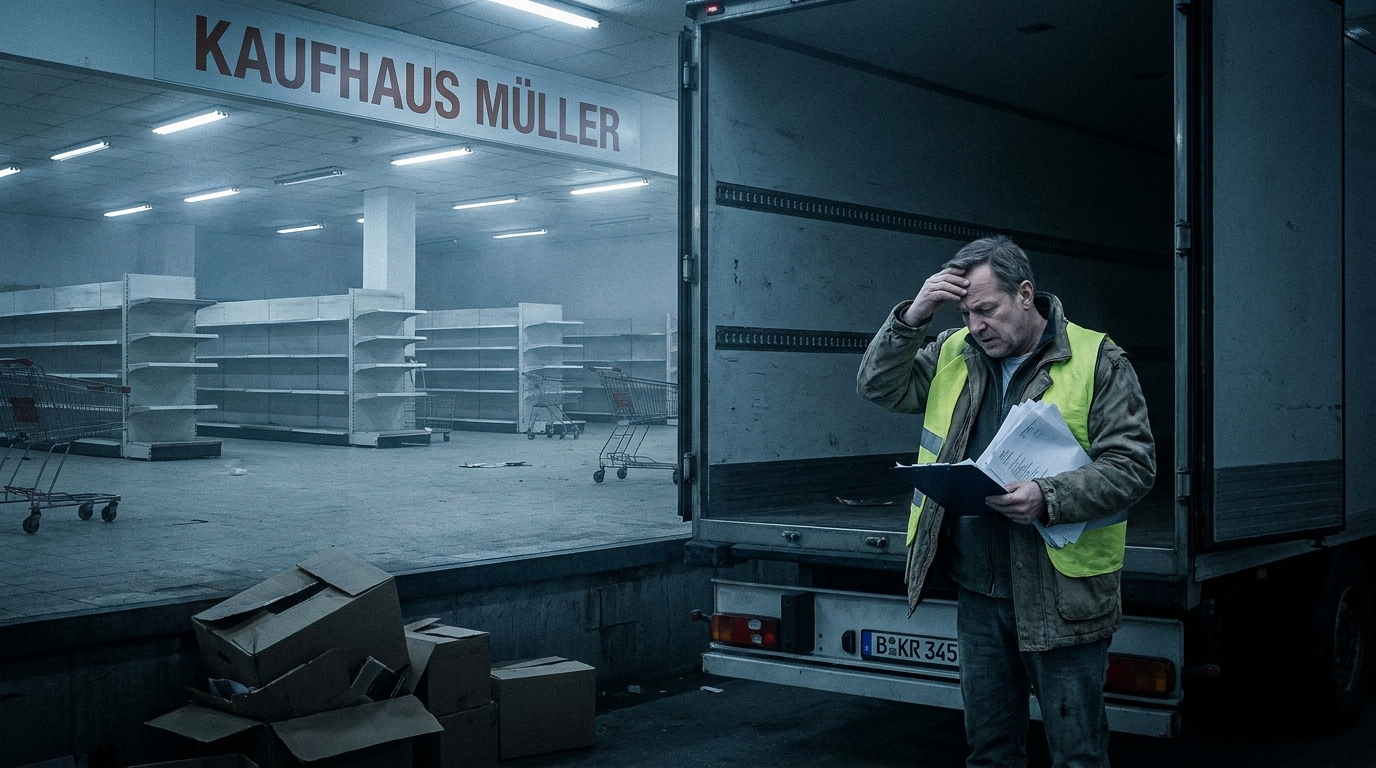
Galeria na brzęd for the fourth time: Beetz co-owner accuses management of mistakes that will affect hundreds of logistics companies
Galeria, the German department store chain, has filed for insolvency for the fourth time in six years — this time amid an open conflict between co-owner Bernd Beetz and the management team led by Tilo Hellenbock. Another insolvency proceeding directly threatens hundreds of suppliers and logistics companies, including Polish carriers serving German retailers. EURODEBT.eu analysts assess the payment risk of doing business with Galeria as very high, with a real threat of a domino effect throughout the supply chain.
Read more 
Phantom Carriers Are Attacking European Freight Exchanges. How Can You Protect Your Business from Identity Theft?
Organized crime groups are increasingly adept at impersonating legitimate transport companies on European freight exchanges, taking over valuable cargo and leaving multimillion losses in their wake. The phenomenon of “phantom carriers” generates not only direct financial losses, but also systemic payment bottlenecks and complex court cases. German law enforcement authorities and industry associations are calling for the immediate implementation of rigorous KYC counterparty verification procedures as the only effective defense.
Read more 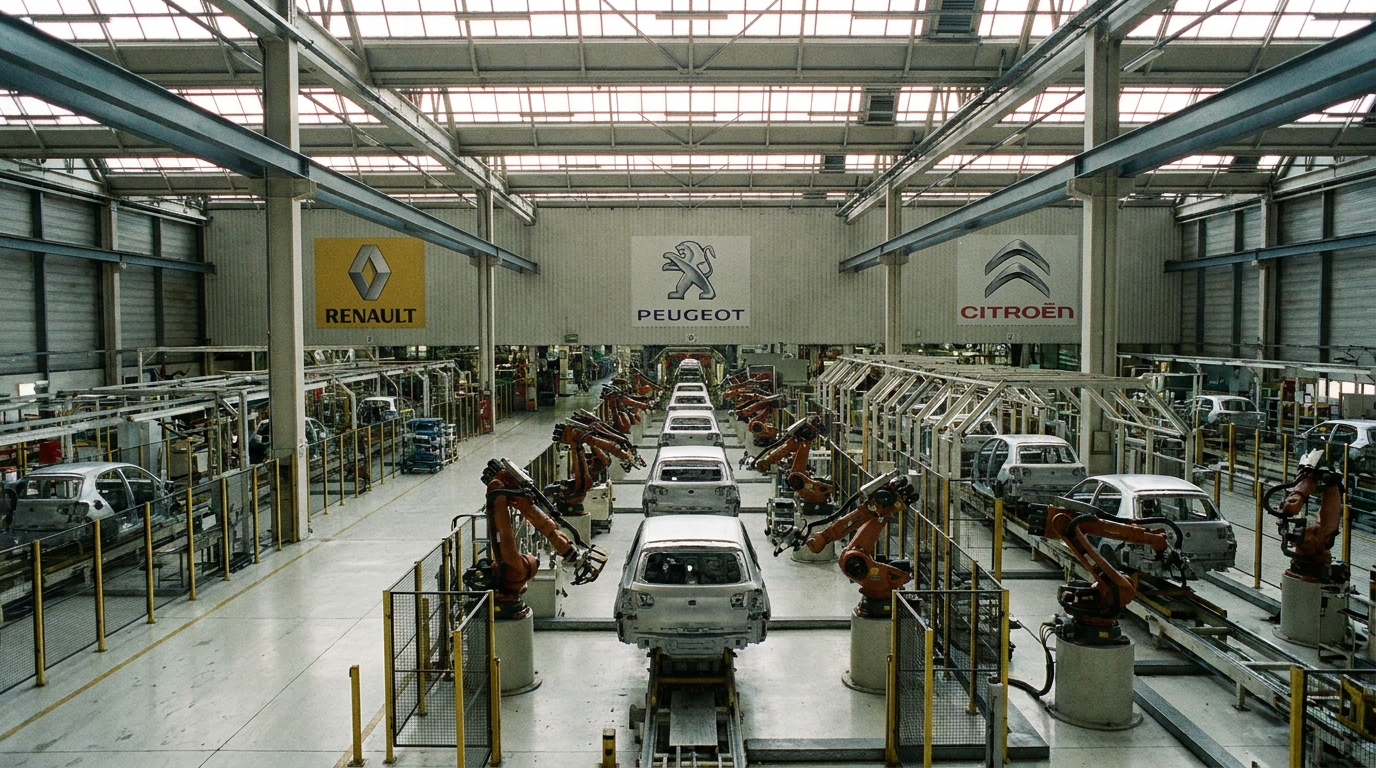
Stellantis suspends production at four factories in France. Over 8000 employees furloughed – what does this mean for logistics and the supply chain?
Stellantis has announced a temporary suspension of production at four factories in France (Sochaux, Rennes, Mulhouse, Poissy), placing more than 8000 employees on mandatory furlough. The official reasons are problems with battery supplies from ACC and the need to reduce excess inventory to protect financial liquidity. For the European transport and logistics sector, this means a sudden loss of transport volumes and a real risk of payment delays throughout the automotive supply chain.
Read more 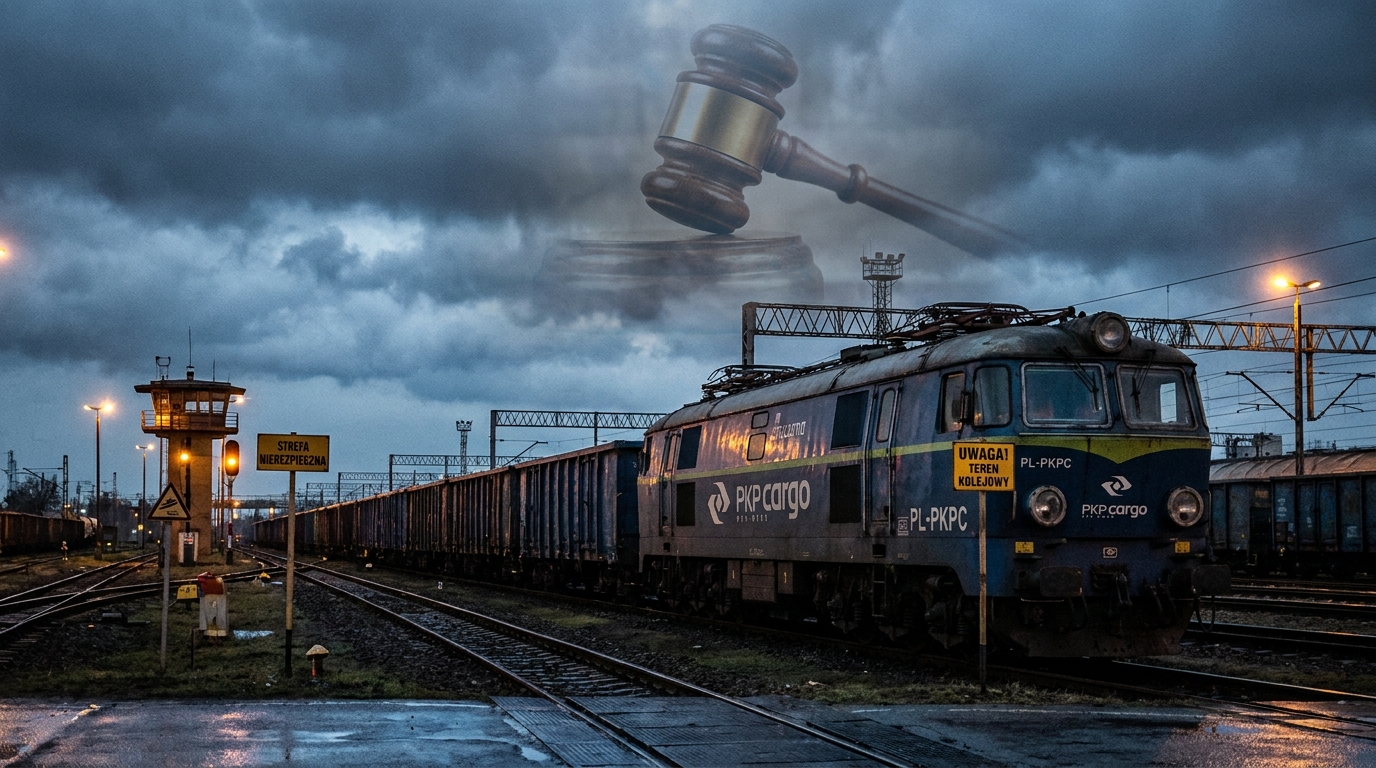
PKP Cargo under judicial management: what does this mean for your receivables and contracts?
The District Court for the capital city of Warsaw revoked PKP Cargo S.A.'s self-management rights and vested full control of the company in the appointed restructuring administrator. The decision is an unprecedented warning signal for all of the carrier's business partners, suppliers and customers, generating the highest level of operational and credit risk. Companies doing business with PKP Cargo should immediately audit their exposure, shorten payment terms and actively seek alternative logistics partners.
Read more 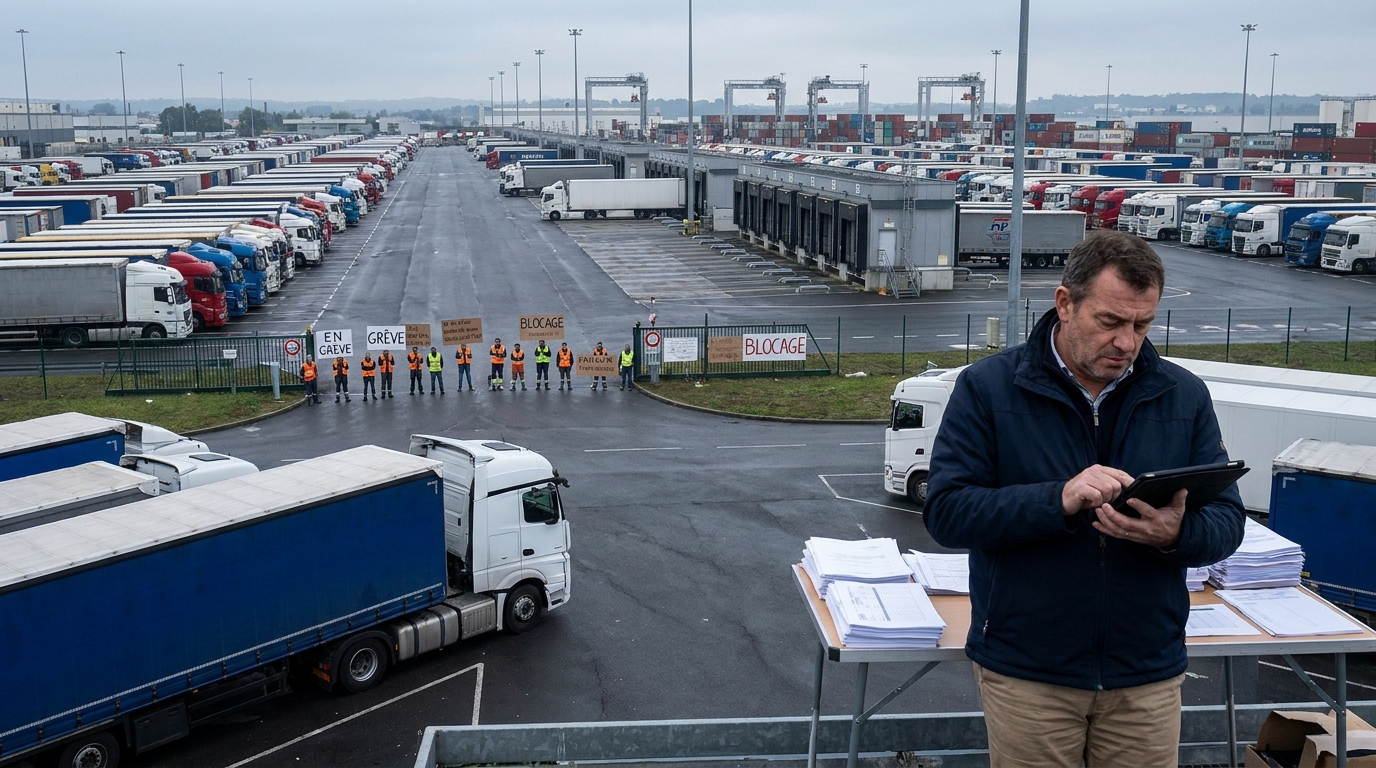
General strike in France on September 29, 2026: When "force majeure" does not protect the supplier from contractual penalties
A nationwide strike in France scheduled for 29 September 2026 threatens to paralyse European supply chains and trigger a wave of disputes over the force majeure clause. Legal experts warn that many suppliers will attempt to invoke force majeure without justification to avoid contractual penalties — however, French courts examine facts, not declarations. Logistics companies must act immediately: audit contracts, collect evidence and be prepared to arrange substitute performance at the expense of an unreliable partner.
Read more 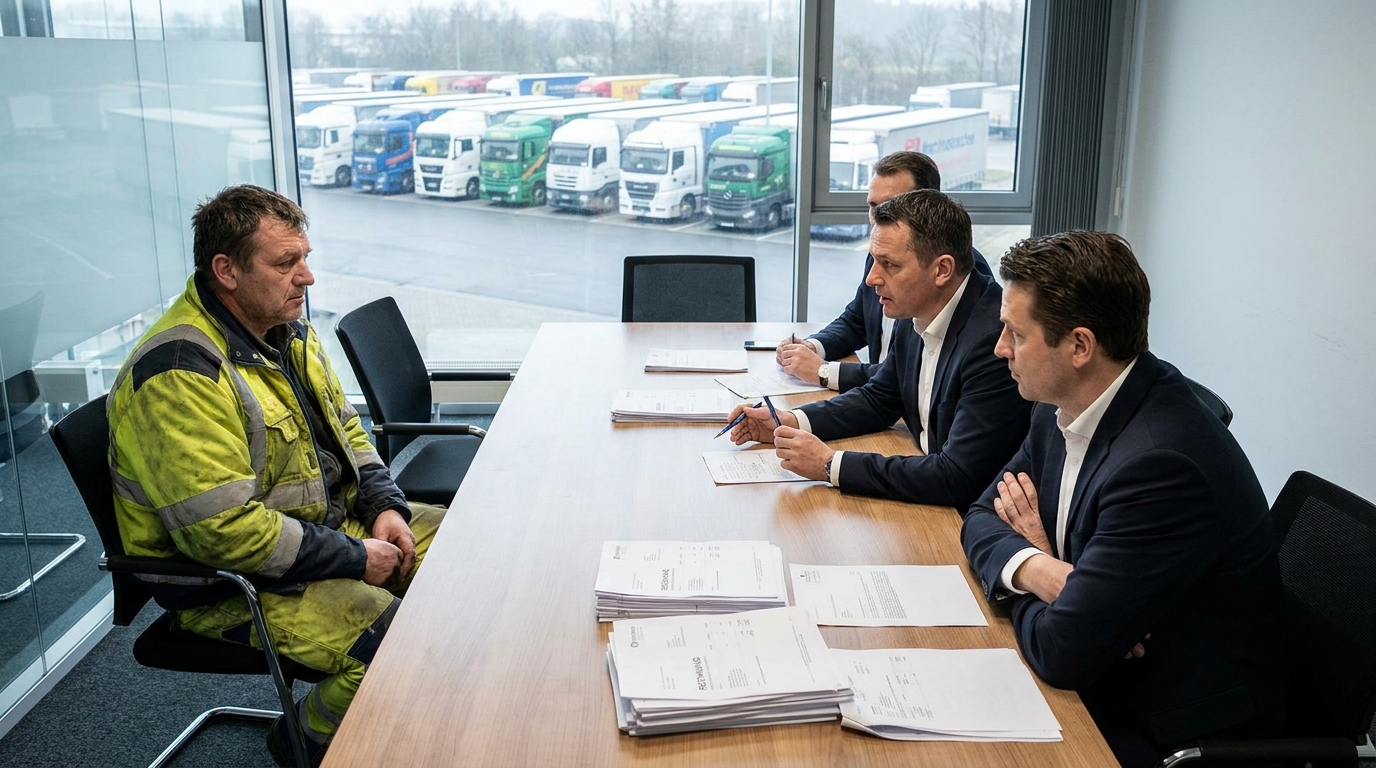
Kolibri 360 (formerly Zeitfracht) under scrutiny: Subcontractors accuse the logistics giant of systemic payment backlogs
Kolibri 360 — formerly operating under the name Zeitfracht — has found itself at the center of a serious crisis of confidence in the European logistics market. Subcontractors, including freight forwarders Brand and Focus Logistics, accuse the operator of deliberately withholding payments, treating their invoices as an interest-free line of credit. Legal disputes over six-figure sums before a court in Stuttgart and the insolvency of at least one business partner are warning signs that should immediately alert all risk managers working with this group.
Read more 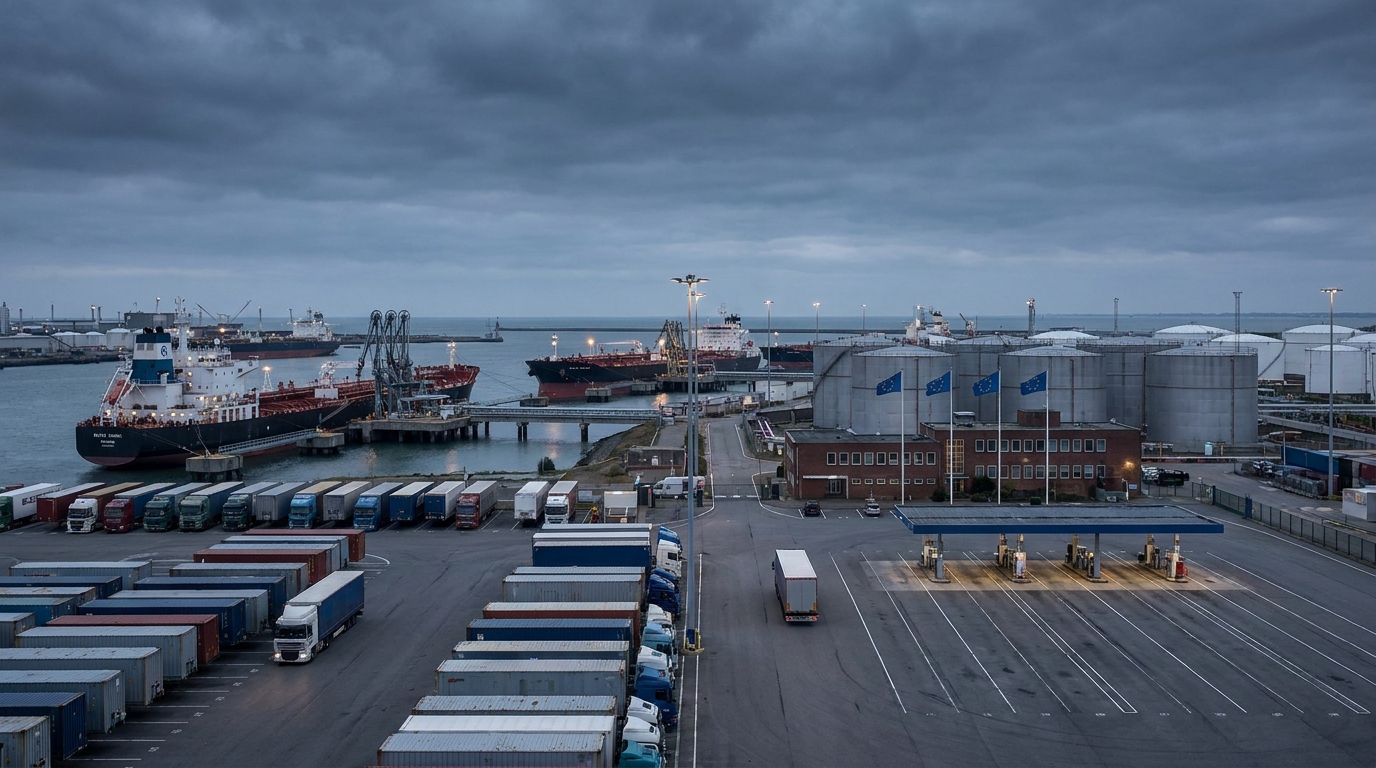
The US is considering a diesel export ban. Europe could be left without fuel—what does this mean for the transportation industry?
The Trump administration is considering a 90-day ban on diesel exports from the United States — a move that could cut off nearly half of Europe's diesel supplies shipped across the Atlantic. Following the closure of several dozen refineries and the loss of Russian and Middle Eastern supplies, the Old Continent is now structurally dependent on American fuel. For European transport companies, this means the risk of a sharp rise in prices, physical shortages at filling stations and a loss of financial liquidity for carriers. Risk managers should act now.
Read more