



PPWR and ESPR: EU packaging regulations will rewrite the rules of logistics and e-commerce in Poland
From 12 August 2026, the PPWR regulation will introduce a mandatory 50% limit on empty space in shipments, ending the era of so-called shipping air in e-commerce. At the same time, the ESPR directive will force companies to treat returns as an asset requiring classification and reintroduction into circulation, and from 2027 — to publicly report the reasons for withdrawing products. Poland, as a key European logistics hub, will feel these changes particularly strongly, and unprepared companies may face serious financial and operational risks.
Read more 
More than 800 transport companies disappeared from the Polish market in Q1 2026 – a silent crisis that does not show up in the records
In the first quarter of 2026, more than 800 transport companies holding a Community licence left the Polish market on a net basis — the rate of closures is four times higher than in previous years. The phenomenon of “quietly exiting the market” means that traditional debtor registers and National Court Register (KRS) databases do not reflect the true scale of the crisis. For risk managers, monitoring transport licence activity, rather than just the formal status of the business, is becoming crucial. Without systemic regulatory changes — excise duty refunds, shorter payment terms and VAT reform — the trend may continue in subsequent quarters.
Read more 
DSV after the takeover of Schenker: better financial results, but European road transport under strong pressure
DSV raised its financial forecasts for 2026, reporting a 23% increase in revenue and a sharp improvement in profitability following the acquisition of Schenker. However, its European road network is experiencing serious turbulence — the consolidation of more than 400 terminals into around 280 facilities and the migration of IT systems are causing actual operational disruptions in Germany, France and the Netherlands. For companies using DSV's services, this means an increased risk of delays and process errors over the coming months, until the integration is completed as planned at the end of the year.
Read more 
EU's 21st Russia Sanctions Package: What European Transport and Logistics Companies Need to Know
In July 2026, the European Union adopted its 21st package of sanctions against Russia — the largest set of restrictions since the start of the invasion of Ukraine. The new measures cover 218 entities and individuals, freeze the oil price cap, expand the shadow fleet list and target mechanisms for circumventing sanctions through third countries, including China, Turkey and Kazakhstan. For European transport and logistics companies, this means an immediate need to review their processes for verifying counterparties, shipment routes and financial partners.
Read more 
Nothegger Transport Logistik GmbH goes bankrupt: €36 million in debt and 400 jobs suspended
The Tyrolean company Nothegger Transport Logistik GmbH is grappling with one of the largest transport-sector insolvencies in the DACH region in the past 15 years — creditors' total claims may exceed 36 million euros, of which 21 million remain disputed. Nearly 400 jobs are in limbo, and the company's liquidity situation is critical despite extraordinary capital injections. For counterparties and business partners, the level of risk associated with exposure to this company should be assessed as very high.
Read more 
Grupo Antolin files for Chapter 15 – a wake-up call for European automotive suppliers and logistics partners
Spanish automotive components manufacturer Grupo Antolin filed for creditor protection in July 2026 under Chapter 15 of the US Bankruptcy Code, seeking recognition of its Spanish restructuring plan in the USA. This event is a serious warning signal for thousands of European subcontractors, material suppliers and logistics partners in the automotive supply chain. Companies with exposure to the group — particularly in Poland, the Czech Republic and Slovakia — should immediately take protective measures concerning receivables management and trade credit limits.
Read more 
Brenner under scrutiny by the CJEU: Advocate General questions Austrian truck bans. What does this mean for Polish carriers?
The Advocate General of the CJEU has challenged three major Austrian bans on truck traffic through the Brenner Pass, finding them contrary to the principle of the free movement of goods in the EU. The opinion is a milestone in the long-running dispute between Italy and Austria, in which Italy is supported by the European Commission. However, the final judgment in case C-524/24 will not be delivered until the end of 2026 — until then, the transport, shipping and logistics sector, including numerous Polish carriers, must expect all existing restrictions to remain in place on this key Alpine logistics corridor.
Read more 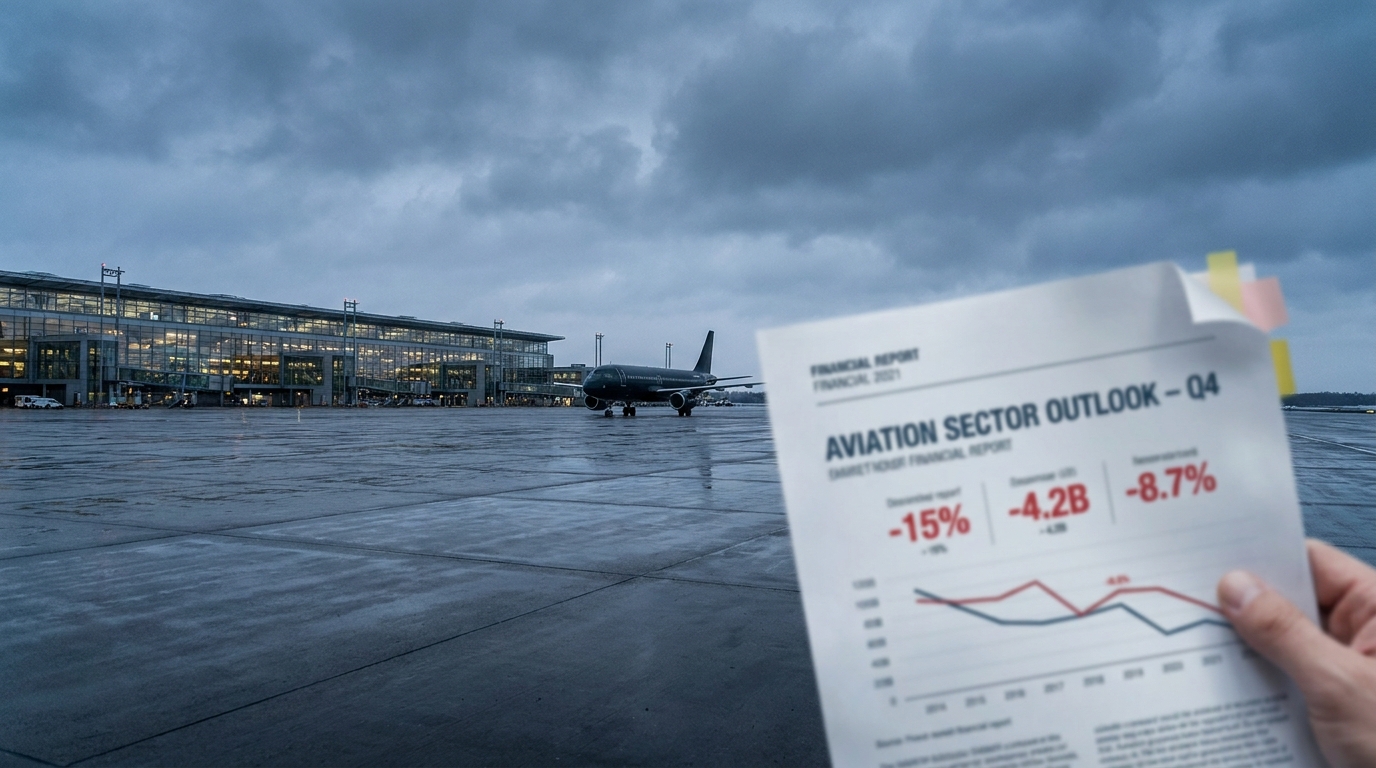
A wave of airline bankruptcies this winter? Ryanair warns market, and financial data confirms fears
Ryanair's chief financial officer warns of a wave of bankruptcies among weaker European airlines in the coming winter season. Despite a 34% drop in its own profit, the Irish giant remains resilient thanks to its fuel hedging strategy and zero net debt — which cannot be said of carriers such as Wizz Air or airBaltic. Risk managers in the transport and logistics industry should urgently review their exposure to at-risk airline partners.
Read more 
77 bankruptcies in July 2026: Germany – alarm in the TSL industry despite statistical decline
In July 2026, the German transport, shipping and logistics sector recorded 77 insolvencies – nearly 40% fewer than in June, but experts warn against false optimism. The seasonal decline in registered bankruptcies does not signify a structural improvement in the market: operating costs, expensive credit and a shortage of drivers continue to squeeze small and medium-sized transport companies. The domino effect directly threatens Polish subcontractors and all entities working with the German logistics sector.
Read more 
Mandatory Smart Tachograph V2 software update – what are the risks for carriers for non-compliance?
The European Commission has officially confirmed the requirement to update the software of second-generation smart tachographs – this applies to VDO DTCO 4.1 and Stoneridge SE5000-8.1 devices used by transport operators across the EU. The update must be carried out during the next periodic inspection or when the device is first installed in a new vehicle. Failure to comply with this requirement exposes transport companies to severe financial penalties, vehicle immobilisation, and in extreme cases – loss of their transport licence and a risk to their financial liquidity.
Read more