


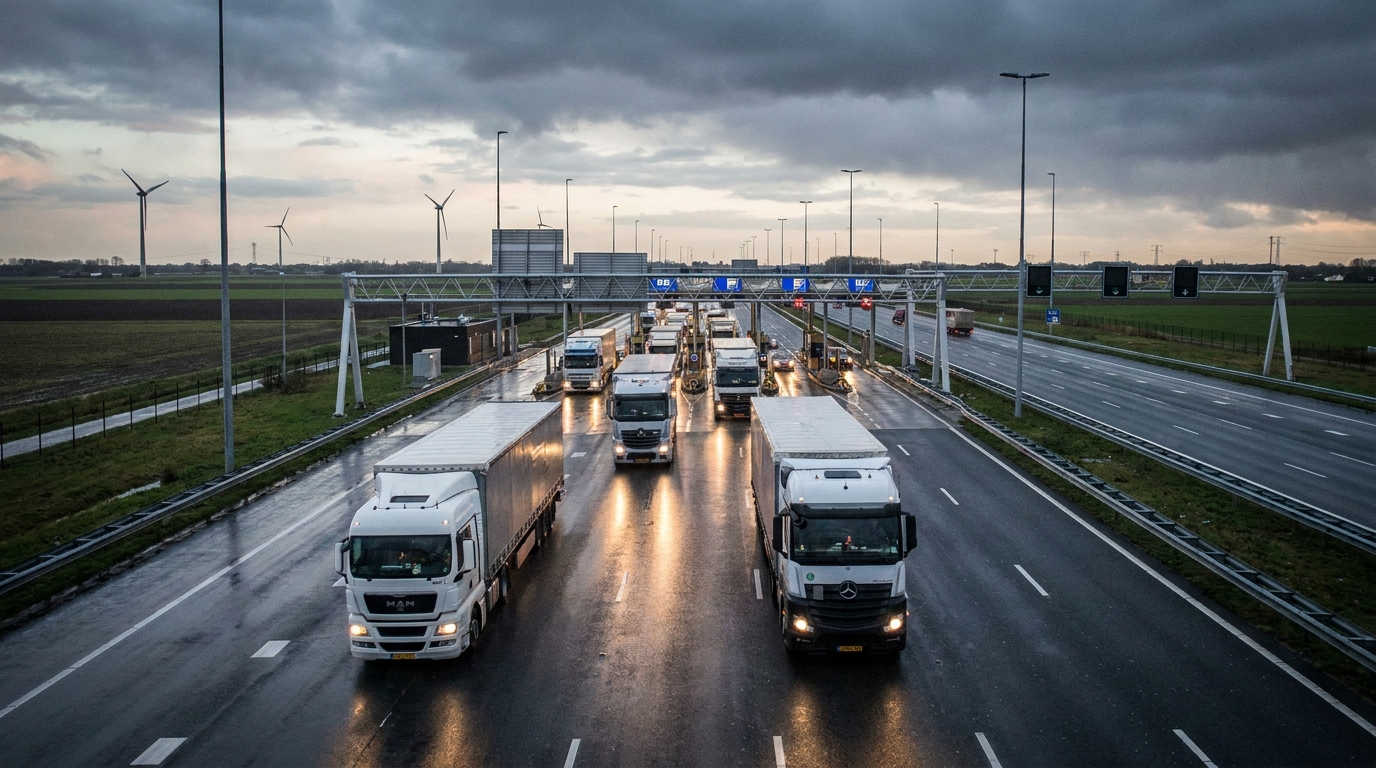
New taxes in Benelux and falling volumes: European road transport ahead of a liquidity crisis in 2026
The French National Road Transport Federation (FNTR) warns of a double blow to the European freight transport market: a new truck tax in the Netherlands and increases in per-kilometre tolls in Belgium, which will take effect on 1 July 2026. At the same time, data for the first quarter of 2026 show a worrying paradox — freight rates are rising by 1.4%, but the total tonnage of cargo is falling by 4%, meaning a real decline in carriers’ revenues. The cost squeeze will hit small and medium-sized transport companies hardest, as they already operate with net margins of just 1–3% and must also finance the costly green transition of their fleets.
Read more 
Germany: Company bankruptcies increased by 15,8% in March 2026 – alarm for the transport industry and its contractors
Germany's Federal Statistical Office (Destatis) confirmed: the number of corporate insolvencies rose by 15.8% in March 2026 compared with the previous year, and the first quarter as a whole ended with a 6.5% increase in bankruptcies. The situation is worst in the transport and logistics sector, which has the highest insolvency rate of all industries. For Polish and European companies working with German business partners, this means an urgent need to review their credit policies and implement effective mechanisms to secure receivables.
Read more 
The EU tightens financial controls of transport companies: quarterly verification of carriers and new obligations for forwarders
The European Parliament has adopted groundbreaking legislation requiring all EU member states to verify the financial standing of licensed road carriers on a quarterly basis. The new regulations directly target so-called shell companies and compel freight forwarders and shippers to implement much stricter due diligence procedures for subcontractors. Combined with the new ESG requirements, the CSDDD directive and the extension of the EU ETS to transport, the transport, shipping and logistics industry is entering a phase of deep market consolidation.
Read more 
The European Court of Justice (CJEU) changes the rules of the game: Logistics aggregators are responsible for subcontractors' errors. A new era of KYC in transport.
The European Court of Justice has ruled that logistics aggregators and transport platforms are jointly and severally liable for their subcontractors' documentation errors. The ruling requires the implementation of advanced Know Your Carrier (KYC) systems and continuous monitoring of carriers' licences and insurance. Failure to adapt to the new standards risks unpredictable financial losses, problems with liability insurance and regulatory sanctions. EURODEBT.eu experts point out that compliance is becoming a key dimension of risk assessment in the transport, shipping and logistics sector.
Read more 
Trade credit insurers tighten conditions for TSL fleets - alarm for European logistics
In mid-2026, leading trade credit insurers from the DACH region and France are massively reducing credit limits for European carriers in response to a growing wave of insolvencies in the transport, shipping and logistics sector. Logistics companies are losing access to financing on deferred payment terms and are being forced to switch to an advance payment system, placing a drastic strain on their working capital. Experts warn of a domino effect and deepening market consolidation — only companies with a solid capital base and advanced counterparty verification procedures will survive.
Read more 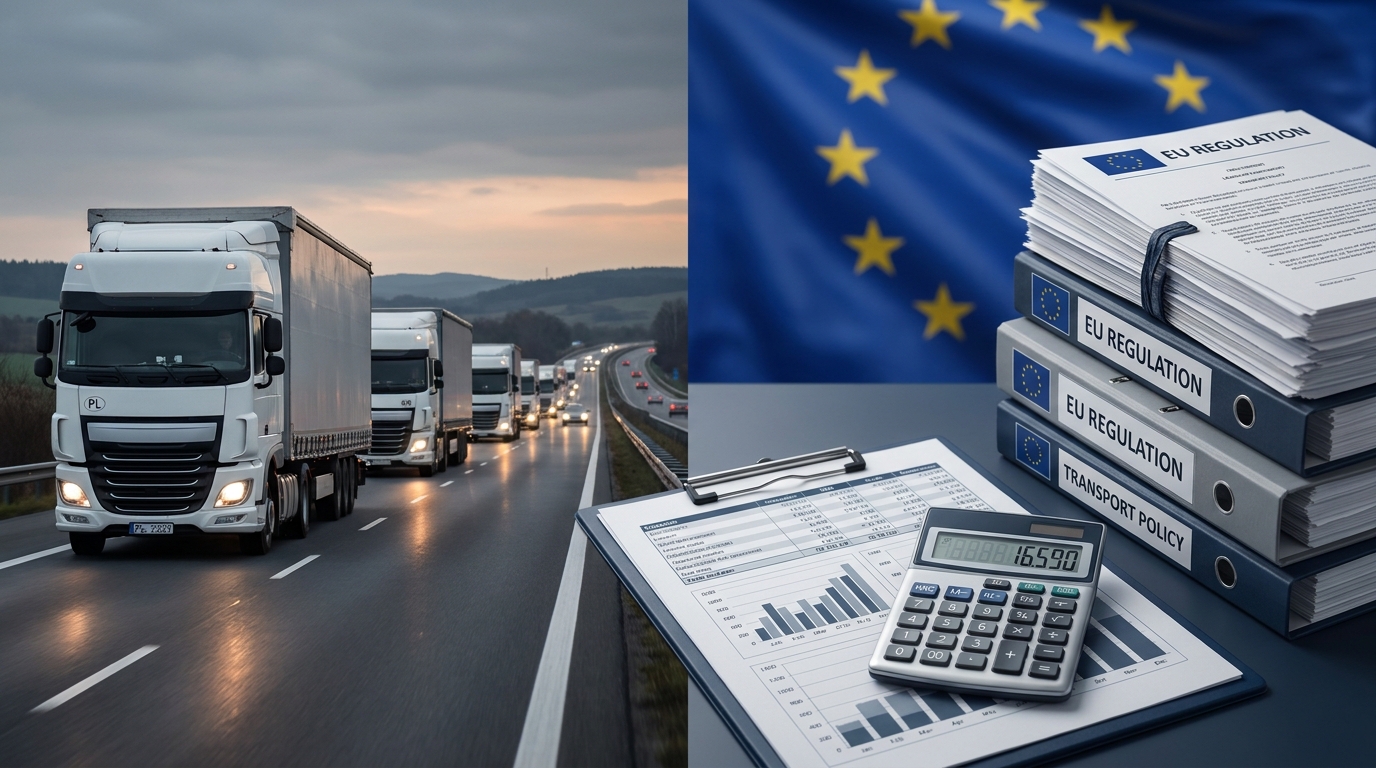
The revision of EU regulations on social security contributions may disrupt Polish international transport.rododim
The European Union is finalizing a revision of social security coordination rules that could force Polish transport operators to pay contributions for drivers in Western countries where they carry out most of their transport operations. The new company turnover criterion threatens a drastic increase in labor costs and a wave of legal disputes. The problem is compounded by the planned increase in domestic ZUS contributions in 2026, and this time the Polish transport industry stands alone in Brussels without a regional coalition of opposition.
Read more 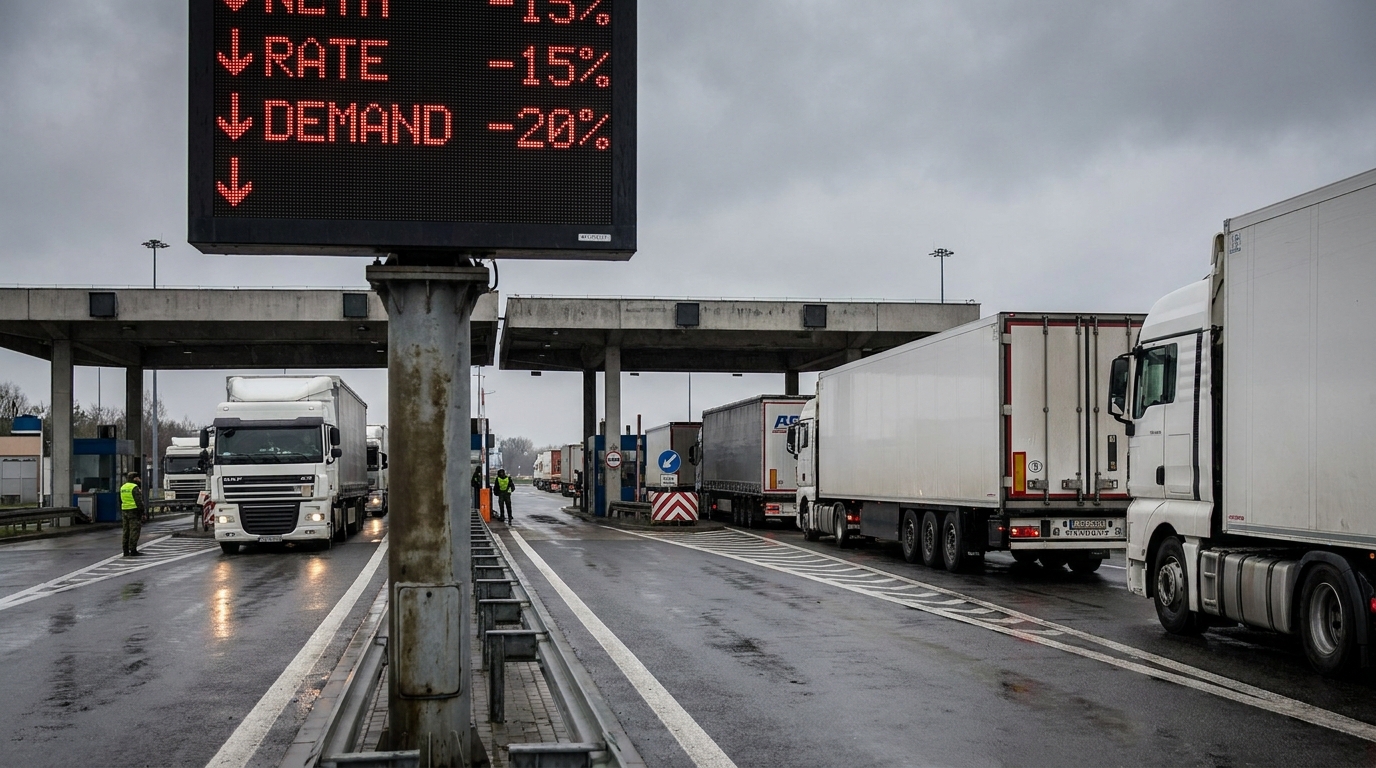
Freight crisis on the Poland-Germany route: rates are plummeting and carriers' liquidity is hanging by a thread
Freight rates on the Poland–Germany corridor fell by 15 percent in June 2026 over a single month — the direct cause is the deepening recession in German manufacturing. With operating costs rising and margins at a minimum, thousands of Polish carriers are facing a liquidity crisis. Risk managers should urgently update their assessments of counterparties in the transport, shipping and logistics sector and strengthen their monitoring of early warning signals.
Read more 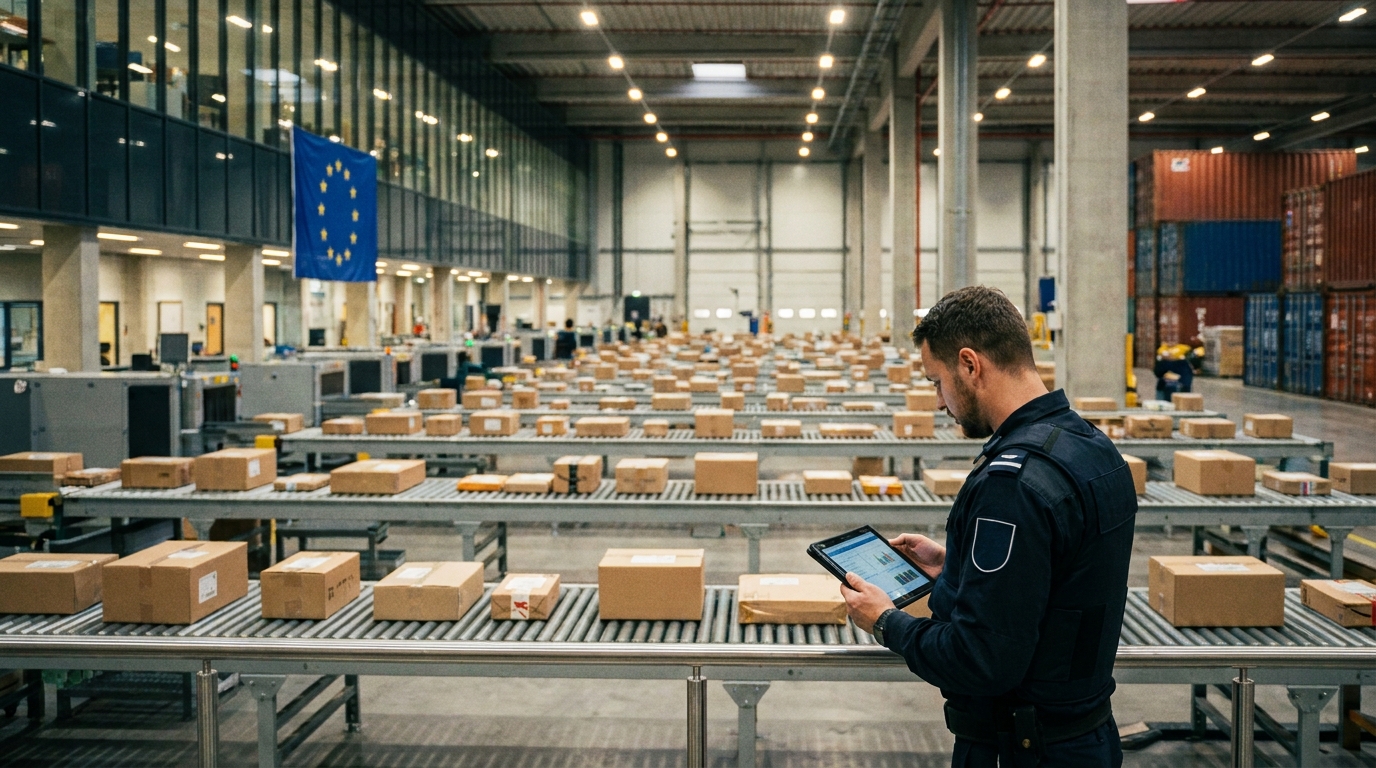
End of duty-free imports from China: EU introduces €3 fee per parcel from July 1, 2026
From 1 July 2026, every parcel imported into the EU from third countries with a value below 150 euros will be subject to a flat-rate customs duty of 3 euros. The European Commission has published detailed implementing rules governing this mechanism, thereby ending a long-standing customs exemption that facilitated widespread fraud involving the undervaluation of goods. Logistics operators and courier companies have limited time to integrate the new requirements into their customs systems in order to avoid delays and financial penalties.
Read more 
General strike at SNCF on June 10, 2026 – a structural crisis and a real risk for supply chains in Europe
The four largest SNCF trade union federations have announced a nationwide strike for 10 June 2026, signalling a deep structural crisis at France's largest railway operator. The crisis directly affects the railway's freight arm – Rail et logistique Europe – creating a real risk of supply disruptions on key European transit corridors. European logistics companies and freight forwarders should immediately activate contingency plans and secure alternative cargo transport routes.
Read more 
Container rates explode: early peak season and Red Sea hit European importers
Global spot rates in container shipping have surged — the SCFI index reached its highest level in years, and prices on the key Asia-Europe route jumped by 25% in a single week. The turbulence is being driven by an unexpectedly early peak season, a massive rush to place orders ahead of new US tariffs and the ongoing Red Sea crisis. European importers and logistics companies must prepare for a significant increase in transport costs and a threat to their financial liquidity.
Read more