



European Cargo in bankruptcy: British cargo carrier's bankruptcy hits supply chains from China
British cargo airline European Cargo Limited officially entered administration on 3 June 2026, ending operations with a fleet of seven Airbus A340-600 aircraft grounded at Bournemouth and Teesside. The collapse of the carrier, which specialised in transporting e-commerce goods on China–United Kingdom routes, creates a capacity gap at regional airports and poses a direct risk to freight forwarders and importers. Administrators from Teneo Financial Advisory have taken control of the company's assets.
Read more 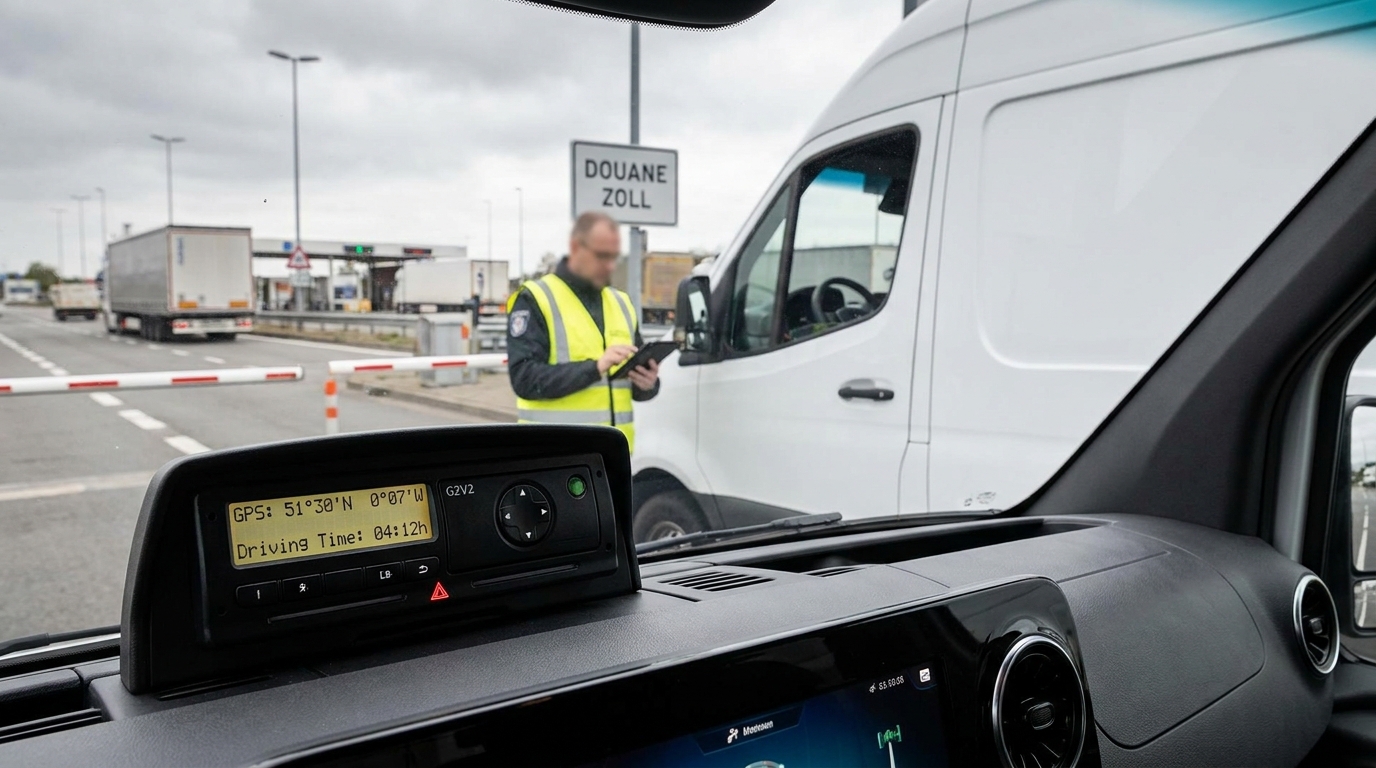
Mobility Package 2026: Revolution in bus transport – what are the threats for carriers from 1 July 2026?
From 1 July 2026, carriers using vehicles with a maximum permissible mass of 2.5 to 3.5 tonnes in international transport will be subject to the full set of regulations previously reserved for heavy road transport. The EU Mobility Package requires the installation of G2V2 smart tachographs and strict compliance with drivers' working time rules, with violations punishable by fines of up to tens of thousands of euros. For thousands of companies in the light commercial vehicle sector, this means an immediate need for preparations — from fleet audits and training to renegotiating contracts with clients.
Read more 
Ziegler Belgium's bankruptcy: A domino effect on European logistics and a lesson in risk management
The Brussels Commercial Court declared Ziegler Belgium, one of the pillars of European logistics, bankrupt on 1 June 2026, following the bankruptcy of the group's French subsidiary in March of the same year. The bankrupt company's assets were swiftly divided between Transuniverse Forwarding, which took over seven operating locations and the customs department, and Van Moer Logistics, which took over the air freight division. This case reveals systemic liquidity problems in the traditional transport, shipping and logistics sector and is an urgent signal for risk managers to review their strategies for verifying logistics partners.
Read more 
ICS2 for road transport: June 2026 ends the era of the old customs system in the EU
From 1 June 2026, the full implementation of the ICS2 system for road transport covers the final group of EU countries — Poland, Croatia, Latvia, Romania and Slovakia. Every vehicle crossing the border must have an accepted ENS declaration before reaching the border crossing — without a transitional period and without exceptions. Transport companies without established customs procedures face a real risk of vehicle detention, border congestion and serious financial losses.
Read more 
French Port Strikes 2026: Logistics Paralysis in Le Havre and Marseille Hits Supply Chains Across Europe
Unexpected strikes at the ports of Le Havre and Marseille-Fos in May 2026 paralysed key logistics hubs in Western Europe, causing serious disruptions to supply chains across the continent. Protest actions organised by the CGT and FOMM unions without adequate advance notice prevent logistics companies from planning for contingencies. The situation creates heightened financial risk for SMEs in the transport, shipping and logistics sector and manufacturing companies operating under a just-in-time model.
Read more 
Italy and the Brenner Pass paralyzed: What do the general strike and the blockade of the Alpine corridor mean for European logistics?
The end of May 2026 brings a serious operational crisis to European logistics: a 24-hour general strike in Italy (29 May) paralyses ports, railways and intermodal terminals, and a day later a physical blockade of the Brenner Pass cuts off a key Alpine corridor for road freight transport. Although the hauliers' organisation UNATRAS suspended its own protest following government concessions, structural tensions in the sector remain unresolved. Logistics companies and their customers must expect serious delays, higher freight rates and the need to activate contingency plans.
Read more 
Wave of bankruptcies in the eurozone: ECB warns - transport sector among the most at risk
The European Central Bank warns: the number of bankruptcies in the eurozone is rising sharply, and the transport sector is among the hardest hit. Despite the stability of bank portfolios, credit risk in relationships between businesses is higher than financial headlines suggest. Transport and logistics companies must urgently implement advanced procedures for verifying the solvency of their business partners, as payment delays may hit sooner than official indicators suggest.
Read more 
EC's 'Fair Pay' Directive: The End of 90-Day Payment Terms in Transport? What Does This Mean for Your Business?
The European Commission has unveiled a proposal for the 'Fair Pay’ directive, which aims to revolutionize payment rules in the road transport industry by introducing an absolute 30-day deadline for settling invoices. The new regulations are intended to protect small transport companies from bankruptcy caused by late payments generated by large freight forwarders. For the company verification and credit risk management sector, this means that payment creditworthiness assessment models across the EU will need a fundamental update. Companies in the transport, shipping and logistics sector should take preparatory measures now, without waiting for the regulations to formally enter into force.
Read more 
20. EU Sanctions Package against Russia: What do transport and logistics companies need to know?
On 23 April 2026, the Council of the EU adopted the 20th package of sanctions against Russia, expanding the list of “shadow fleet” vessels to 632 and introducing mandatory due diligence for tanker sales. For the first time in history, the anti-circumvention mechanism was activated against a third country — Kyrgyzstan. For transport and logistics companies, this means a drastic increase in compliance requirements and the need for an immediate audit of supply chains and counterparty verification procedures.
Read more 
Payment crisis in Europe 2026: 62% of companies are late with payments, Poland among those at risk
As many as 62% of European companies pay their suppliers late because they themselves do not receive payments on time — according to Intrum’s report „European Payment Report 2026″. Poland, at 69%, ranked an unflattering second in Europe, just behind Germany (70%). The B2B payment gap has grown to 20 days, and the European economy has already exceeded the safe threshold for the share of overdue receivables in company revenues — posing a serious threat particularly to road carriers and logistics operators.
Read more