


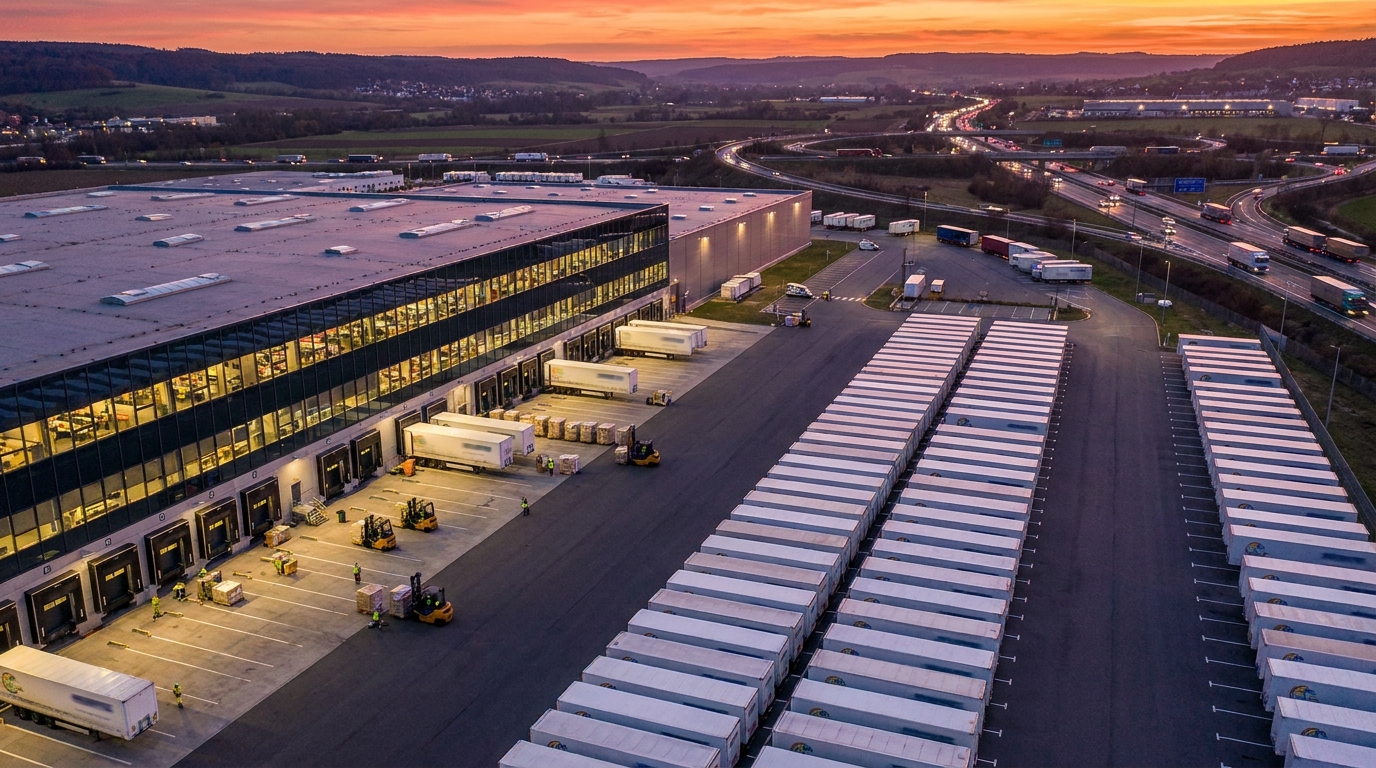
DSV acquires DB Schenker for €14,3 billion. What does the change in logistics leadership mean for Polish carriers?
Danish giant DSV has officially acquired DB Schenker for 14.3 billion euros, creating the world's largest logistics operator. In the Polish market, DSV Road recorded an almost twofold increase in sales, and the new groupage network is changing the balance of power across the entire transport, shipping and logistics industry. For small and medium-sized carriers, this means growing pressure on margins, the risk of marginalization in profitable market segments and the need to urgently adapt their business strategy.
Read more 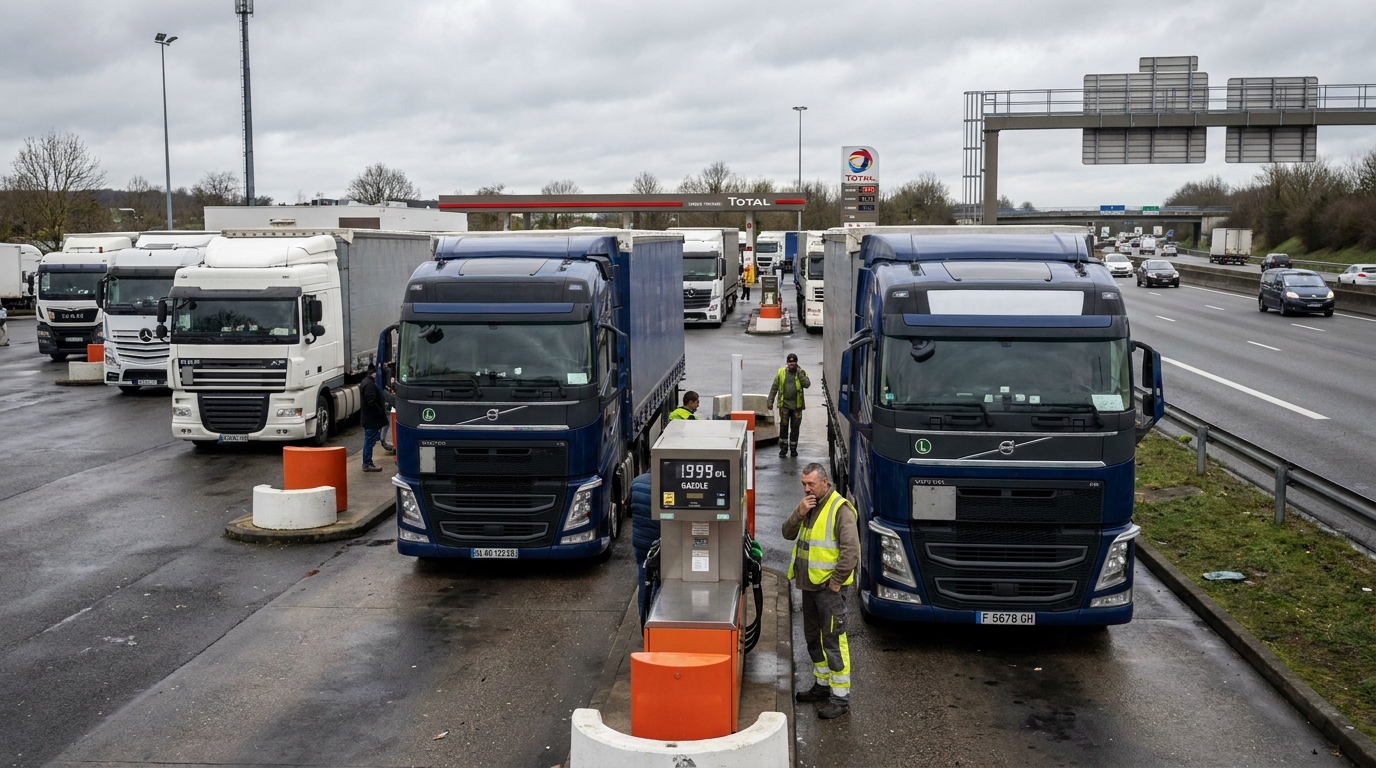
France excludes road hauliers from fuel subsidies - industry warns of risk of bankruptcies
The French government excluded the road freight transport sector (TRM) from the fourth wave of fuel subsidies, granting support exclusively to farmers, fishers and the construction industry. At the same time, tens of millions of euros owed to carriers from earlier rounds of assistance have not been paid out — in May, not a single company received a penny. Industry organizations such as OTRE, FNTR and Union TLF warn: without urgent government intervention or a meaningful reform of the indexation mechanism, many French SME carriers are on the brink of bankruptcy, threatening the stability of the supply chain across Europe.
Read more 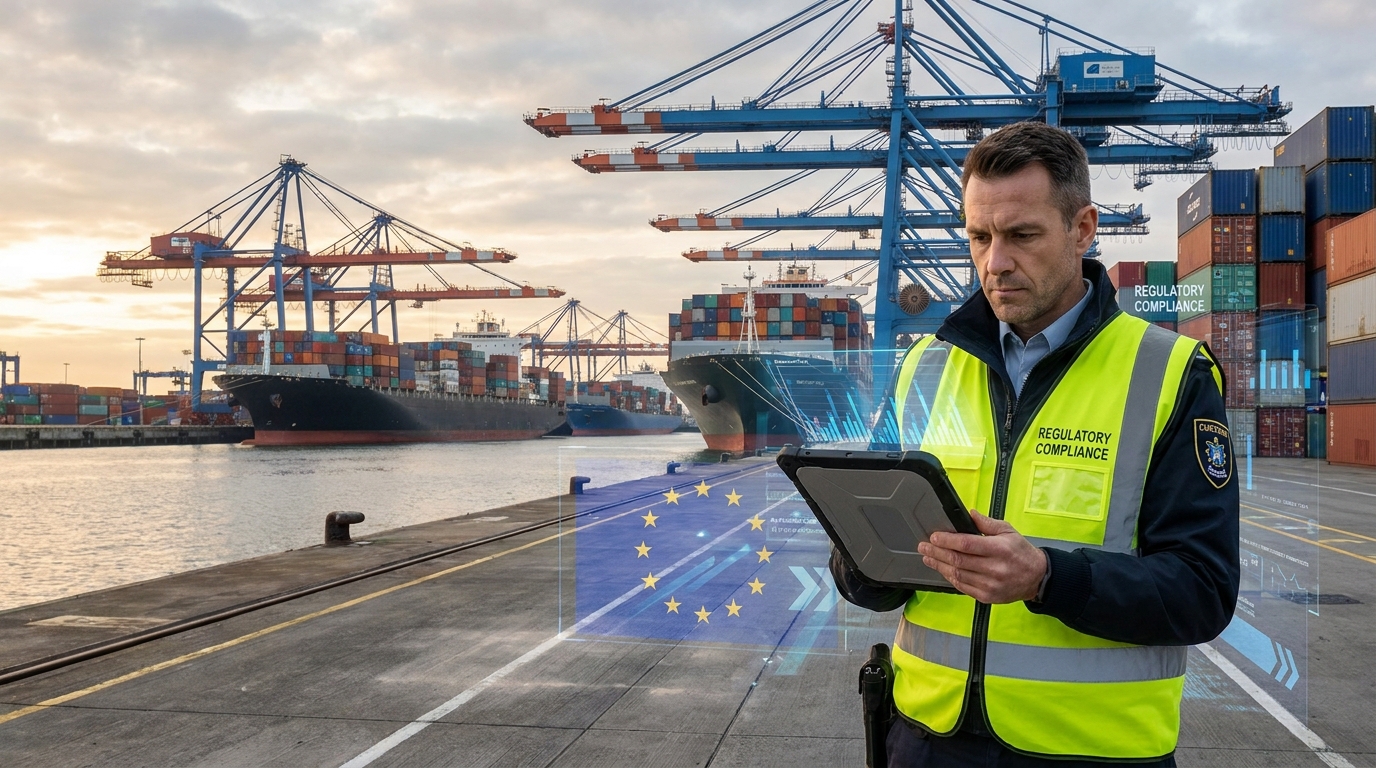
Maersk introduces 'No MRN, No Load' policy from September 2026 – what does this mean for importers and freight forwarders in Europe?
Maersk announced that from 30 September 2026, no cargo will be loaded without a valid MRN number — a unique identifier assigned upon the successful submission of an ENS customs declaration in the ICS2 system. The new “No MRN, No Load” policy applies to both imports into the EU and transit through its territory. Companies unprepared for the new documentation requirements risk delays, storage costs and contractual penalties. Industry experts warn that many companies are not ready to integrate their IT systems with the ICS2 platform.
Read more 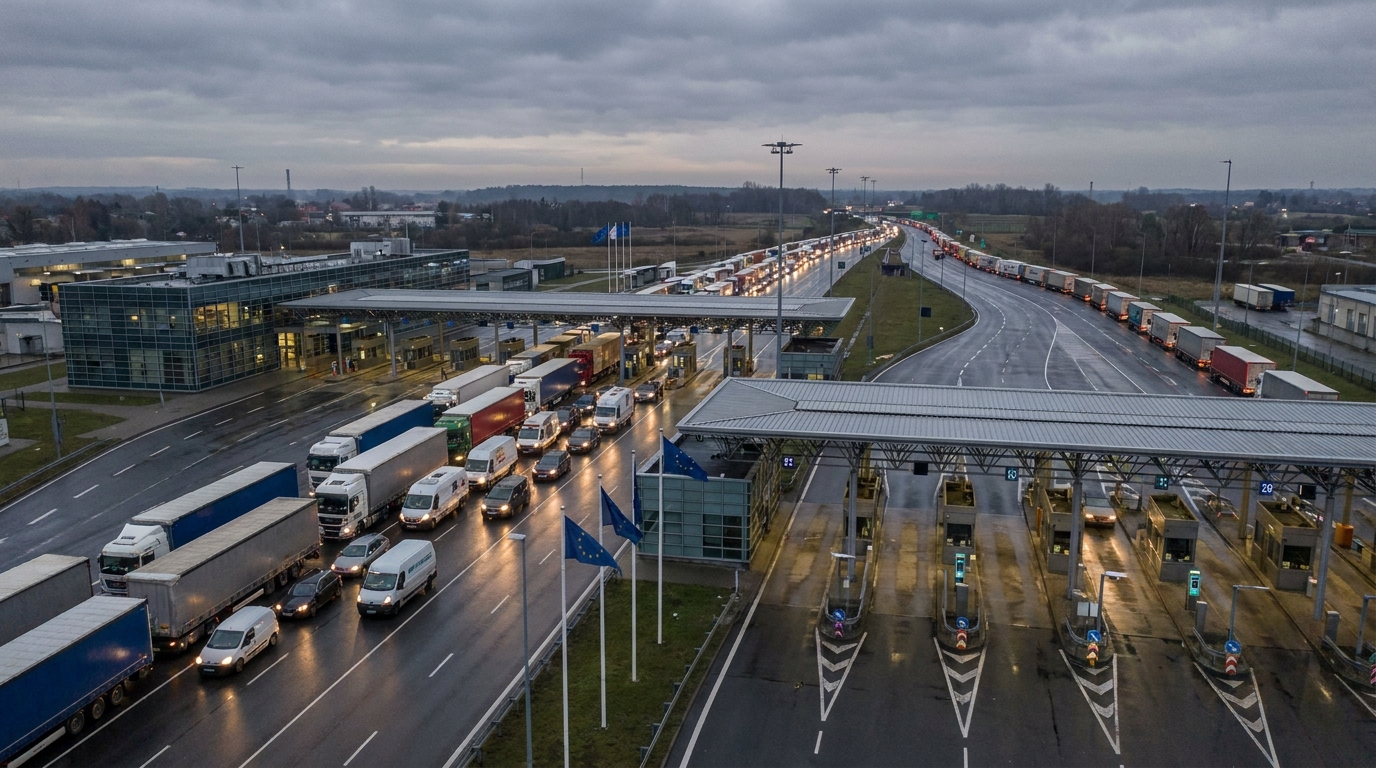
The end of EES flexibility: Paralysis at the Schengen borders and a real threat to the financial liquidity of transport companies
As of 6 September 2026 the European Union abolished the extraordinary flexibility measures for the biometric EES system, depriving member states of the ability to suspend border checks in crisis situations. Processing time at the external Schengen borders has increased by more than 260 percent – from 20-25 seconds to an average of 90 seconds per person. For the transport industry this means a real threat of delivery delays, increased operating costs and the risk of smaller carriers losing financial liquidity. Risk managers should immediately review contracts, schedules and their portfolio of counterparties.
Read more 
Germany, the epicenter of bankruptcy in Europe: every third major bankruptcy in the region comes from beyond the Oder River
The Allianz Trade report for the first half of 2026 raises the alarm: the number of major insolvencies in Germany increased by 10%, and one in three major bankruptcies in Western Europe comes from that country. The automotive sector leads the insolvency statistics, creating a serious risk of a domino effect for transport and logistics companies linked to German supply chains. Experts are calling for an immediate tightening of credit policy and wider use of instruments to secure receivables.
Read more 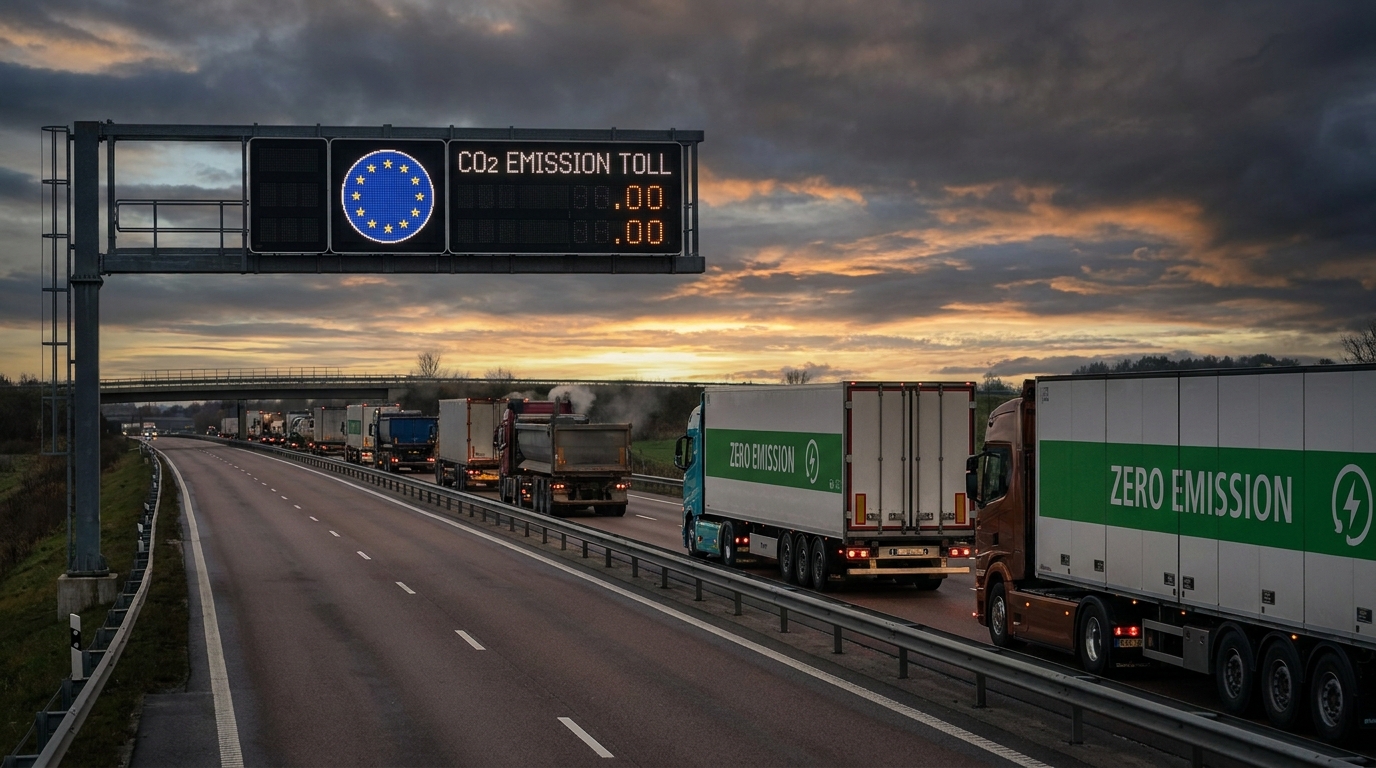
Revision of the Eurovignette Directive 2026: new road tolls for trucks and the growing risk of insolvency in transport
On 2 September 2026, the European Parliament's Transport Committee approved a revision of the Eurovignette Directive, introducing a new road charging system directly linked to CO2 emissions from heavy goods vehicles. These changes create enormous cost pressure on carriers with conventional diesel fleets, which is particularly severe for small and medium-sized companies from Central and Eastern Europe. According to ICCT analyses, the difference in total cost of ownership between an electric truck and a combustion-engine vehicle could reach 25% by 2030, fundamentally changing the financial position of the sector.
Read more 
Germany: The logistics industry is extending payment terms. Small transport companies are under liquidity pressure.
A Creditreform study based on an analysis of nearly four million invoices indicates a steady lengthening of payment terms in the German transport and logistics sector — in the first half of 2026, the average had already reached 32.21 days. The market asymmetry is particularly concerning: large corporations impose terms of over 35 days on their suppliers, while SMEs have to pay much faster, effectively financing the logistics giants. For small carriers and subcontractors, the growing liquidity gap is becoming a serious existential threat that could result in a wave of insolvencies in the sector.
Read more 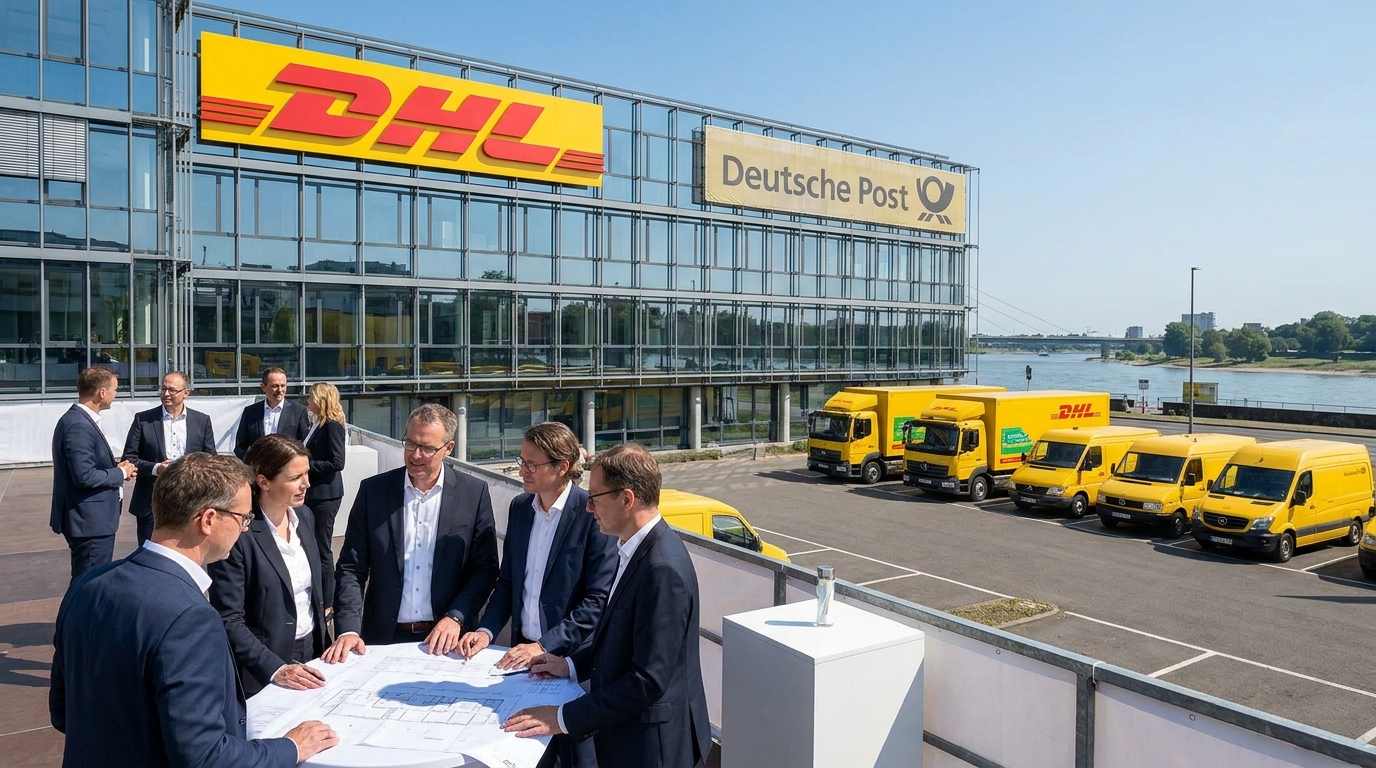
Deutsche Post officially becomes DHL: What does this change mean for your contracts and transport documentation?
Effective 1 September 2026, the largest German logistics operator officially changed its name from Deutsche Post AG to DHL Group, ending a long-standing mismatch between its corporate identity and global business profile. The Deutsche Post brand remains active solely as the name of the subsidiary responsible for domestic deliveries in Germany. For B2B companies and risk managers, the change means that ERP systems, KYC databases, transport documents and contracts must be updated urgently, although overall credit and systemic risk is assessed as low.
Read more 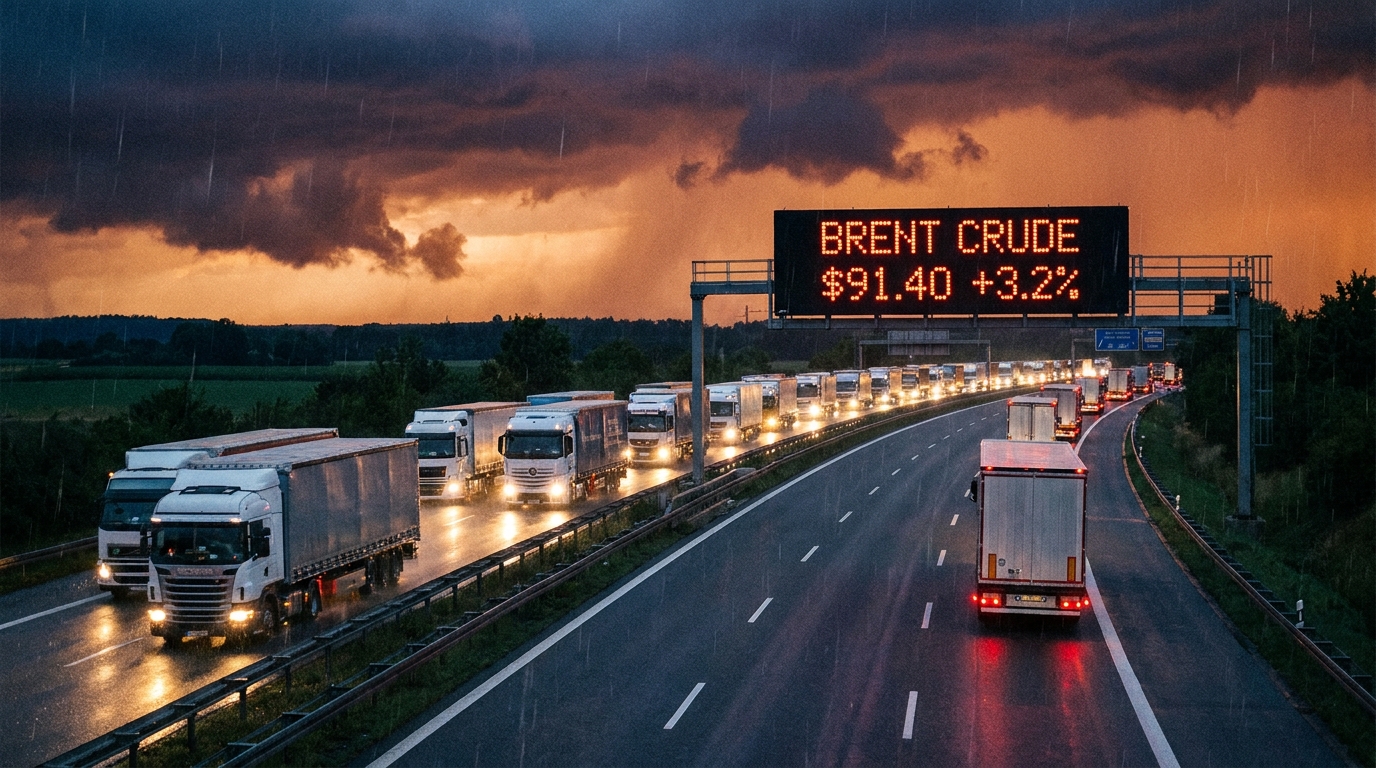
The US attack on Iran sends oil prices skyrocketing. European transport and logistics are under serious pressure.
US military attacks on Iran triggered a sharp rise in oil prices on 31 August 2026 — Brent exceeded 90 dollars per barrel, rising by more than 3% in a single session. The European transport and logistics sector faces a drastic increase in operating costs, a wave of freight rate hikes and a real risk of bankruptcy for many smaller carriers. The situation threatens to trigger second-round inflation effects, complicating the ECB's monetary policy and the economic outlook for the entire eurozone.
Read more 
Dry Rhine 2026: Crisis on Europe's waterway hits supply chains and companies' liquidity
Historically low water levels on the Rhine in August 2026 led to a dramatic drop in barge cargo capacity and triggered a cascade of costs in European logistics. The crisis hit the chemical and steel industries hardest, forcing the emergency transfer of cargo to roads and railways that were unable to absorb the additional volumes. For risk managers, this is a clear signal to review contingency plans and assess the financial health of companies dependent on river transport.
Read more