



Switzerland: The wave of company bankruptcies is the highest in 30 years – the transport sector is particularly hard hit.
In the first half of 2026, the number of corporate insolvencies in Switzerland rose by nearly 55%, reaching its highest level in over 30 years. The transport and logistics sector recorded an increase in bankruptcies of as much as 125%, becoming one of the hardest-hit industries. This phenomenon is driven not only by weak economic conditions, but above all by a systemic reform of enforcement law in force since 2025. European companies working with Swiss logistics operators should promptly verify the financial health of their business partners and strengthen safeguards for their receivables.
Read more 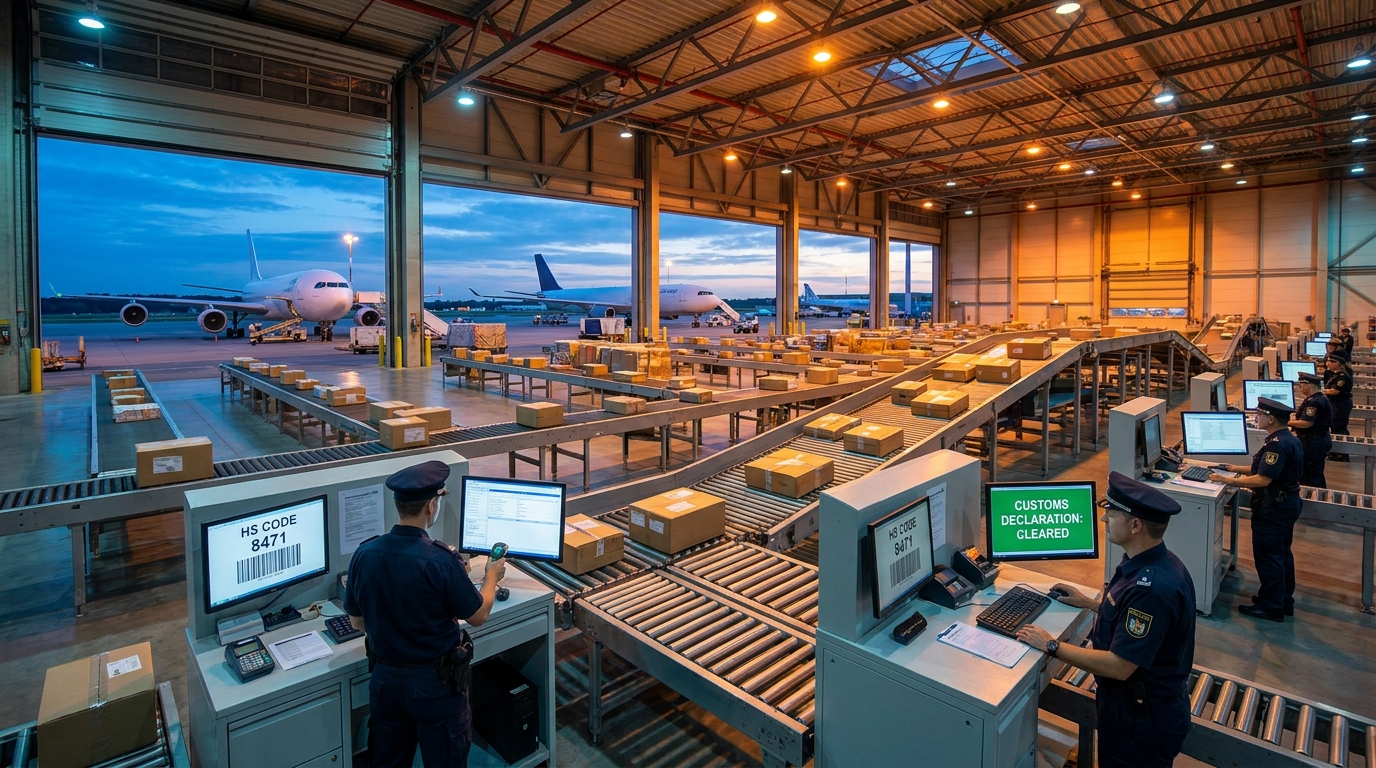
The end of customs duty relief up to €150: how will EU reform change the transport and e-commerce industries?
From 1 July 2026, the European Union is abolishing the de minimis customs duty exemption for shipments worth less than 150 euros, replacing it with a flat fee of 3 euros for each goods item. This change upends e-commerce operating models and forces logistics companies to renegotiate contracts, upgrade IT systems and conduct a thorough assessment of the financial risk posed by B2C customers. The experience of France, where the mere announcement of similar regulations caused a 92 percent drop in customs volumes at CDG, shows how dramatic market reactions can be.
Read more 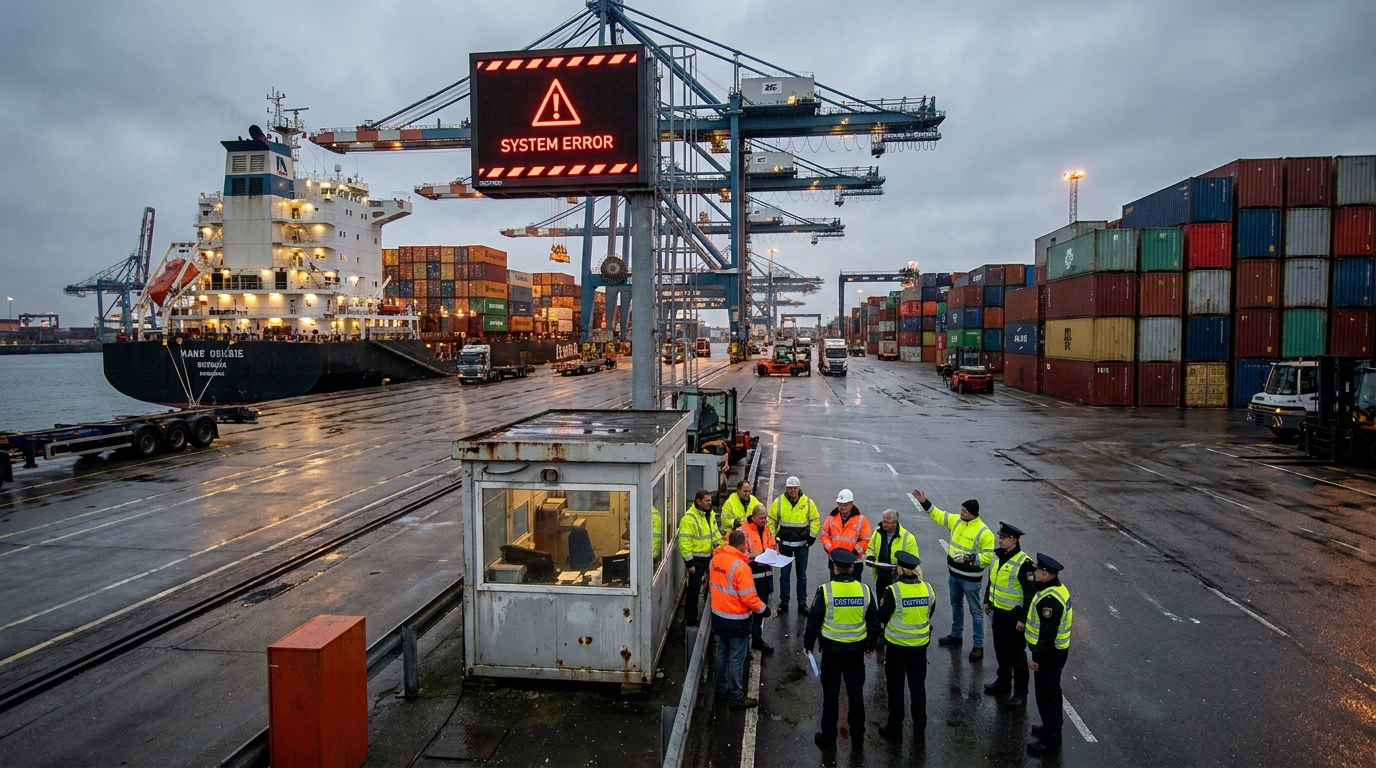
ICS2 system failure paralyzes European ports - importers lose liquidity, credit risk increases
Since 7 August 2026, the EU customs platform ICS2 has not been generating MRN numbers, blocking the clearance of thousands of shipments in European seaports and causing rapidly escalating congestion. Rising demurrage costs, suspended invoicing and the risk of failing to fulfil contracts threaten importers across Europe with serious liquidity problems, particularly in the automotive, electronics and FMCG sectors. EURODEBT.eu analysts recommend increased monitoring of credit portfolios of companies with significant exposure to imports from outside the EU and the inclusion of this incident in operational risk models for the third and fourth quarters of 2026.
Read more 
Drone attack on DHL hub in Leipzig: sabotage of logistics infrastructure a new risk for European transport
Leipzig/Halle Airport, DHL's main European cargo hub, became the target of a highly coordinated attack using military drones in August 2026. Investigators are pointing with increasing certainty to foreign state interference, and the target of the operation was a Ukrainian Antonov transport aircraft. The incident, in which a DHL courier aircraft was also damaged, exposed dramatic gaps in the protection of civilian aviation infrastructure and is forcing a review of security standards across the logistics industry.
Read more 
SeaLead Shipping in Liquidation: How US Sanctions Destroyed the World's 13th Largest Container Carrier in 14 Months
SeaLead Shipping, a Singaporean shipping company that ranked 13th among the world's largest container carriers just a year ago, announced its voluntary liquidation at the end of July 2026 as a direct consequence of sanctions imposed by OFAC and actions taken by the US Department of Justice. The company, which has positive net assets and no long-term debt, is entering liquidation not because of insolvency but because of a complete operational paralysis caused by links to an Iranian oil distribution network. This case serves as an unprecedented warning to the European logistics industry of the need for rigorous screening of business partners for sanctions and geopolitical risks.
Read more 
The EU ETS is destroying the connectivity of European ports. Shipowners are fleeing to Morocco and Egypt.
A report by the Spanish port authority Puertos del Estado documents a drastic decline in container connectivity at EU ports — by 18% in the Mediterranean region and by 5% in Northern Europe — as a direct result of the EU ETS. Shipping companies such as Maersk are moving transshipment operations to hubs in Morocco, Egypt and the United Kingdom, saving tens of millions of euros in emissions charges. For European transport and logistics companies, this means rising operating costs, longer routes and the need for an urgent review of supply chains.
Read more 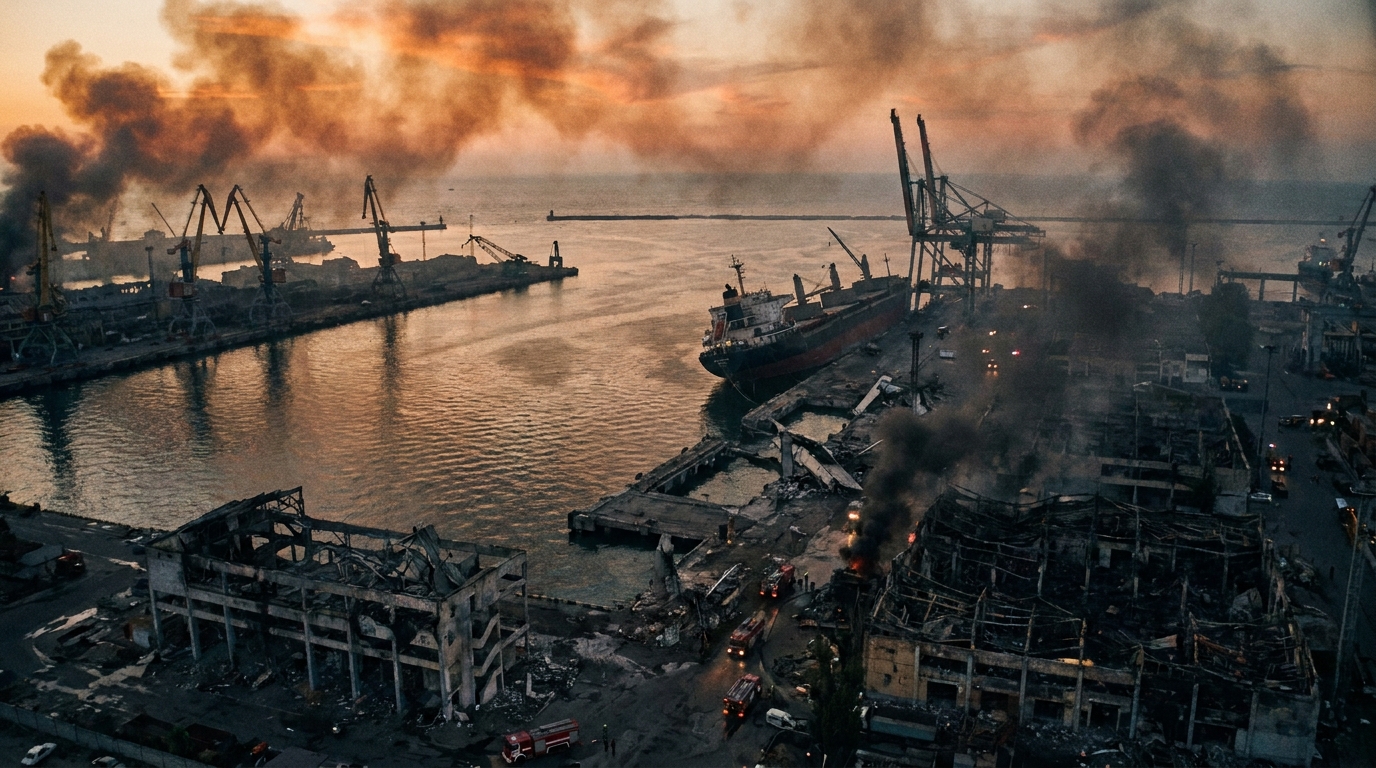
Black Sea on Fire: Attacks on Ukrainian Ports Paralyze European Supply Chains
Since the beginning of July 2026, the Ukrainian ports of Mykolaiv and Chornomorsk have been targeted by more than 130 massive attacks, which have destroyed container terminals and cargo warehouses. The escalation of strikes is causing serious disruptions to European supply chains, forcing logistics operators to seek alternative routes and confront a drastic increase in war risk insurance premiums. European companies urgently need to review their risk management strategies and prepare for a prolonged period of instability in the region.
Read more 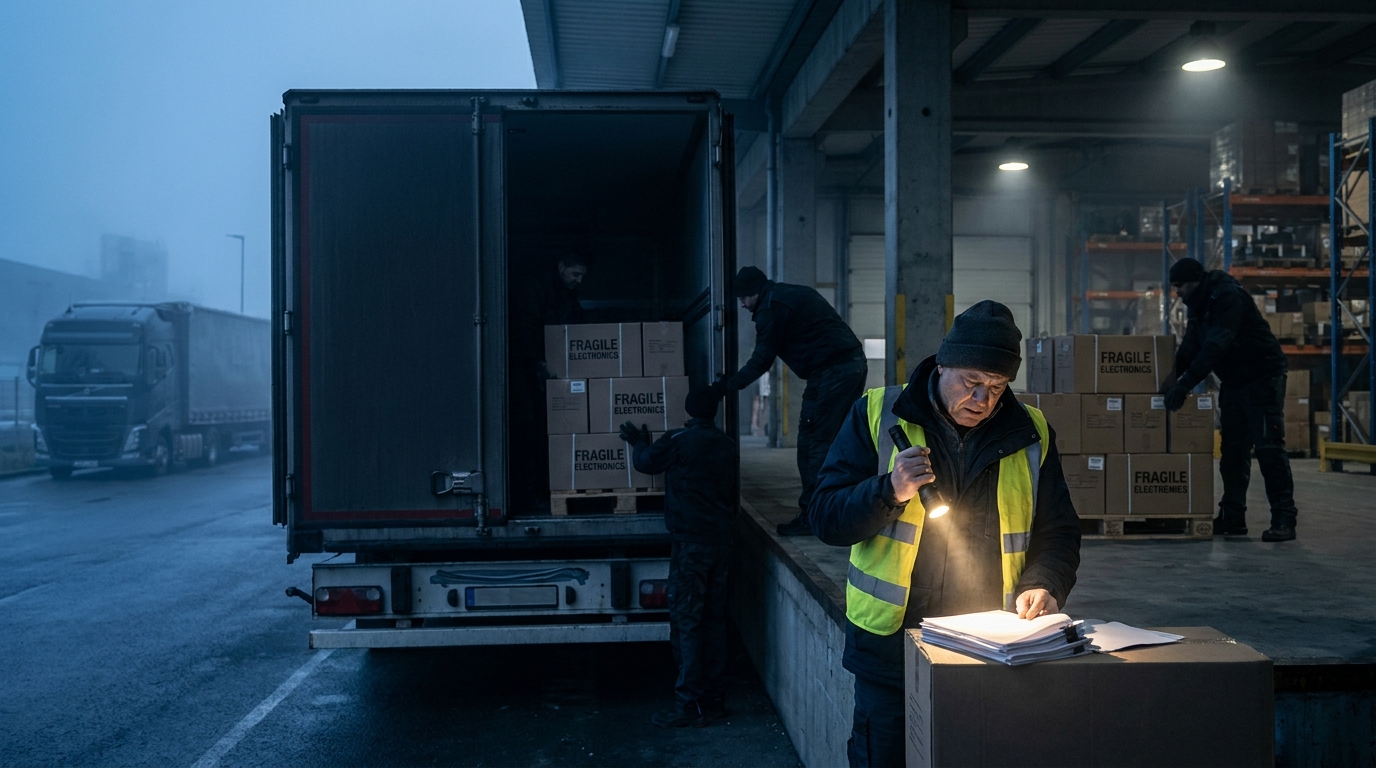
Phantom carriers attack European freight exchanges – BGL and DSLV sound the alarm
The Federal Association of Road Haulage BGL, together with DSLV, has issued an urgent warning about a growing wave of fraud committed by so-called phantom carriers, who hijack the digital identities of legitimate transport companies to steal valuable cargo from European freight exchanges. The criminals use forged documents and fabricated contact details, and companies that fall victim to their activities often cannot count on compensation under their insurance policies. BGL recommends the immediate implementation of multi-stage Carrier Due Diligence procedures as a mandatory industry standard.
Read more 
The end of AREX, new customs regulations in France: what do sanctions of up to €50,000 per single transport mean for Polish carriers?
French Decree No. 2026-724, in force since 3 August 2026, abolished the AREX system and introduced a new, fully digital customs control regime, requiring road carriers to provide customs authorities with direct access to TMS and WMS systems. Each violation is subject to an administrative fine of up to 50 000 euros, imposed separately for each transport operation in which a breach is identified. This change is of crucial importance to Polish road carriers operating in France and represents a new class of regulatory risk in the European transport, shipping and logistics industry.
Read more 
Ziegler bankruptcy: Suspicious transfers of millions and 1500 job losses shake European logistics
The Belgian logistics group Ziegler became the centre of one of the biggest scandals in the European transport, shipping and logistics sector in 2026 — the liquidation of its French subsidiary with the loss of 1,500 jobs revealed suspicious transfers of millions of euros to the Belgian parent company shortly before bankruptcy. Lawyers representing the employees filed a complaint with the public prosecutor, accusing management of deliberately siphoning off assets. The case is a serious warning to all participants in the transport market of the need to verify the ownership links and financial policies of holding groups.
Read more