


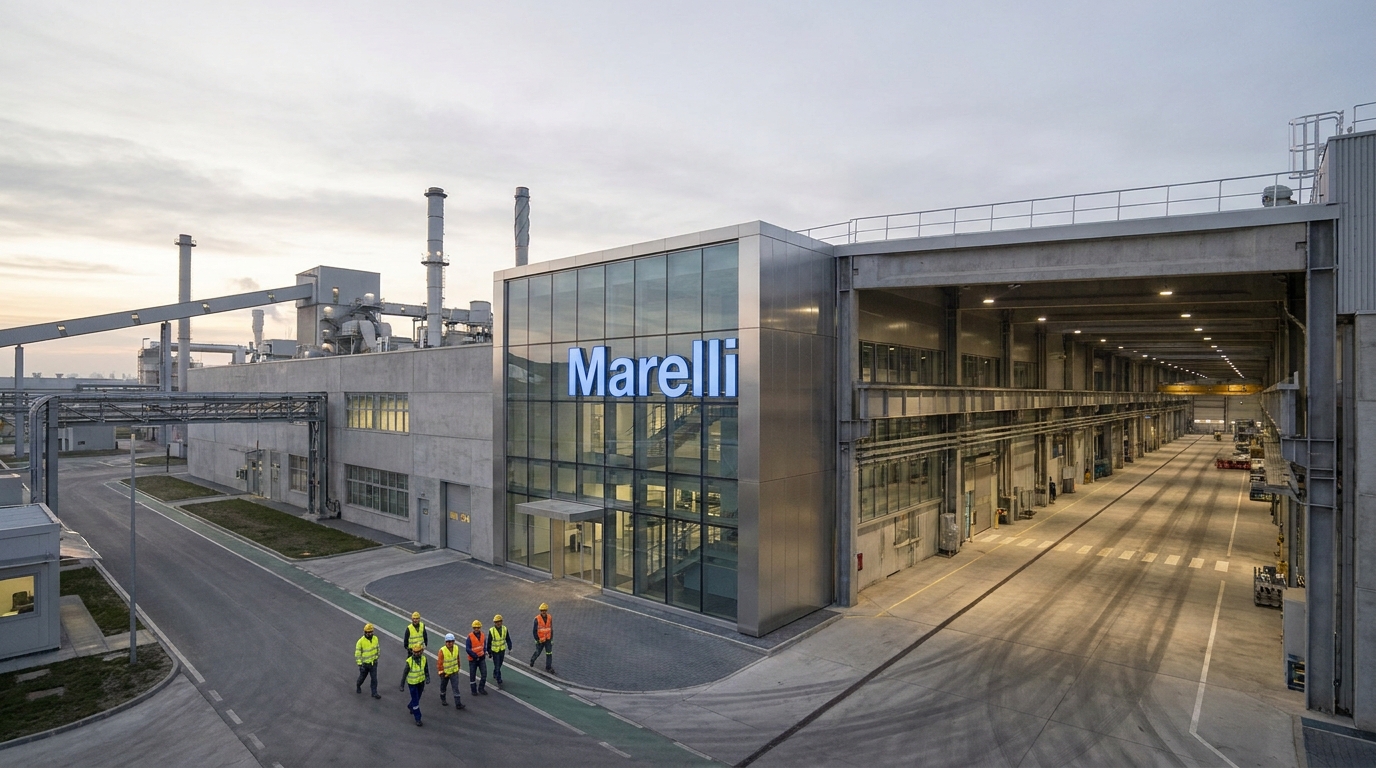
Marelli Europe in Chapter 11: What does the restructuring of the automotive giant mean for European suppliers and logistics?
The Marelli Group — one of the world's largest suppliers of automotive components — is undergoing an advanced phase of Chapter 11 bankruptcy proceedings before a court in Delaware. Court documents dated November 4, 2026 confirm the continuity of operations of its European and Polish subsidiaries, including the plants in Sosnowiec and Bielsko-Biała. Key procedural deadlines — the creditors' vote by November 23 and the plan confirmation hearing on December 8, 2026 — mark a turning point for hundreds of the group's European business partners.
Read more 
The debt of Polish transport companies has exceeded PLN 1.32 billion. A report reveals the scale of the crisis in the transport industry
The debt of the Polish road freight transport sector has reached a record level of 1.32 billion złoty, and the number of companies with overdue liabilities has exceeded 23,700. The crisis is driven by rising fuel costs, freight rates in long-term contracts that have not been adjusted and chronic late payments — 92 percent of carriers do not receive payment on time. The situation is a serious warning for all companies using the services of Polish transport operators.
Read more 
PLN 1.32 billion in debts of Polish carriers: debt crisis in the TSL industry 2026
The debt of Polish transport companies reached PLN 1.32 billion in November 2026, and the number of debtors in the industry rose to nearly 23,700 entities. The crisis is driven by rising fuel prices, chronic payment delays and the lack of protective clauses in contracts. For companies using transport subcontractors, the situation poses a real risk of sudden delivery interruptions and serious disruptions to the logistics chain.
Read more 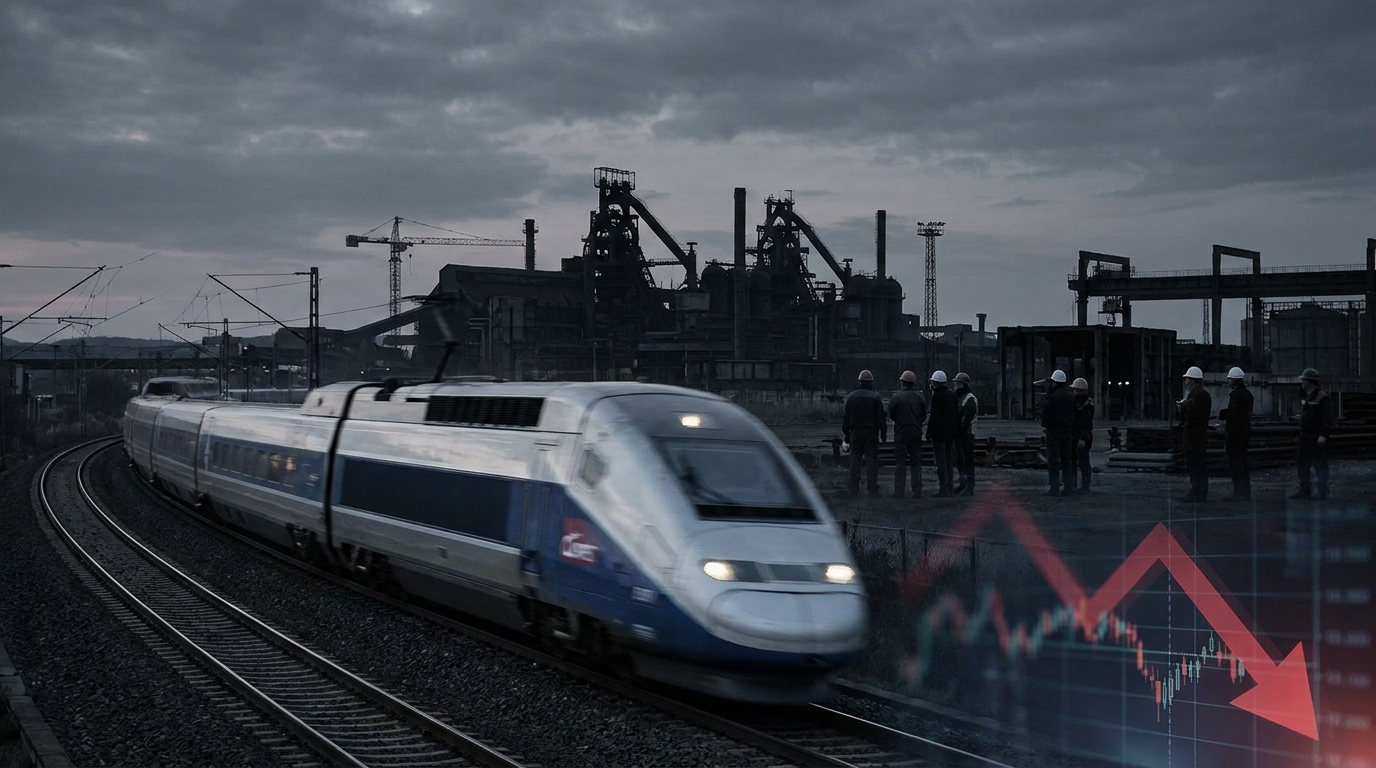
Alstom in deep crisis: shares plunge, €2 billion debt reduction plan and risk for partners across Europe
Alstom shares plunged 26% after the announcement of an urgent €2 billion deleveraging plan and a drastic revision of earnings forecasts. The immediate cause of the crisis is production and certification delays in the Coradia Max project in Germany, which are literally burning through the group's cash. The situation poses a serious risk to hundreds of companies working with Alstom's plants in Poland and across Europe, including the risk of extended payment terms and contract renegotiations.
Read more 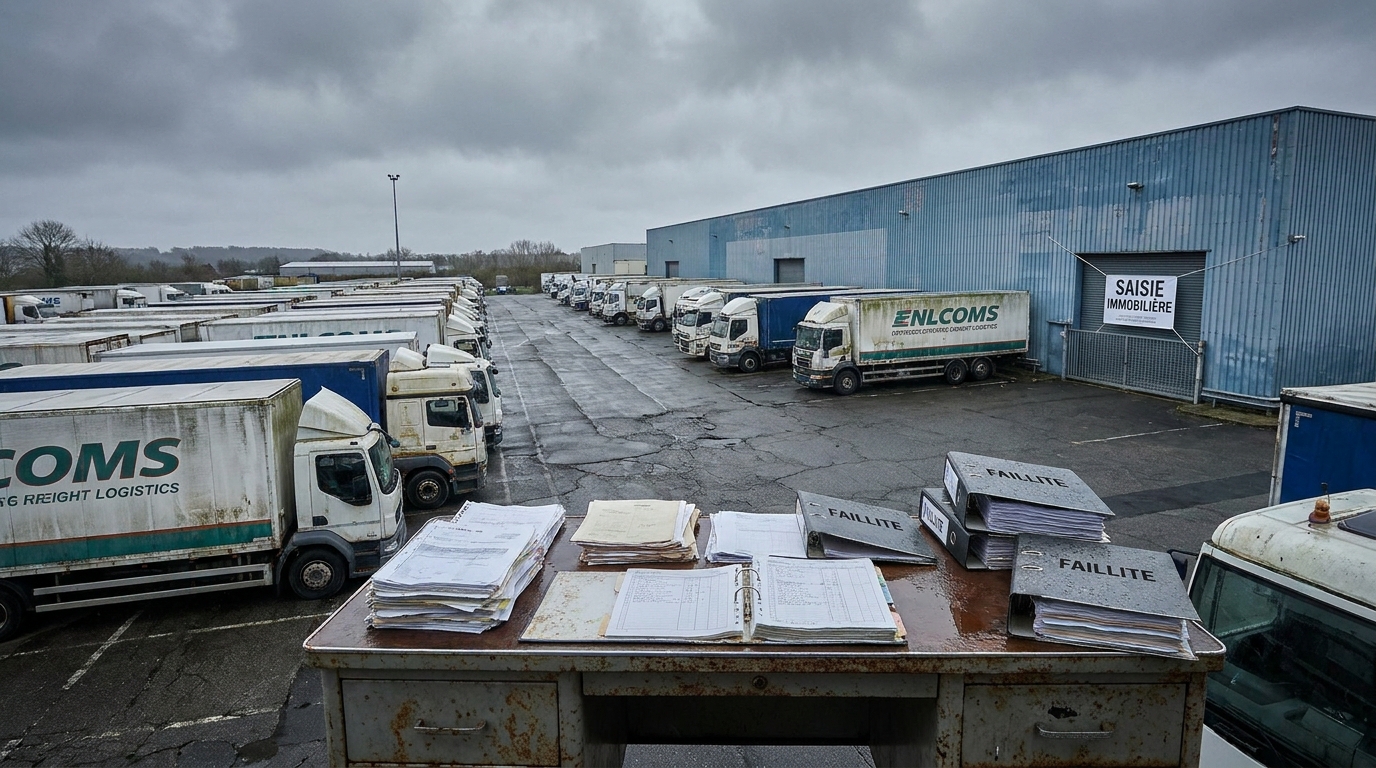
Wave of bankruptcies in transport: Europe reaches a 13-year high in bankruptcies. What does this mean for your business partners?
The number of company bankruptcies in Germany will reach 25,900 cases in 2026 — the highest level in 13 years, while the transport and logistics sector is going bankrupt at more than twice the rate of the rest of the EU economy. Eurostat data for the second quarter of 2026 show an 11.4% increase in transport bankruptcies, while Romania recorded a 73% jump in road transport in September alone. Allianz Trade experts warn that stabilisation will not occur before 2028, meaning at least two years of extremely high counterparty risk in the transport, freight forwarding and logistics sector.
Read more 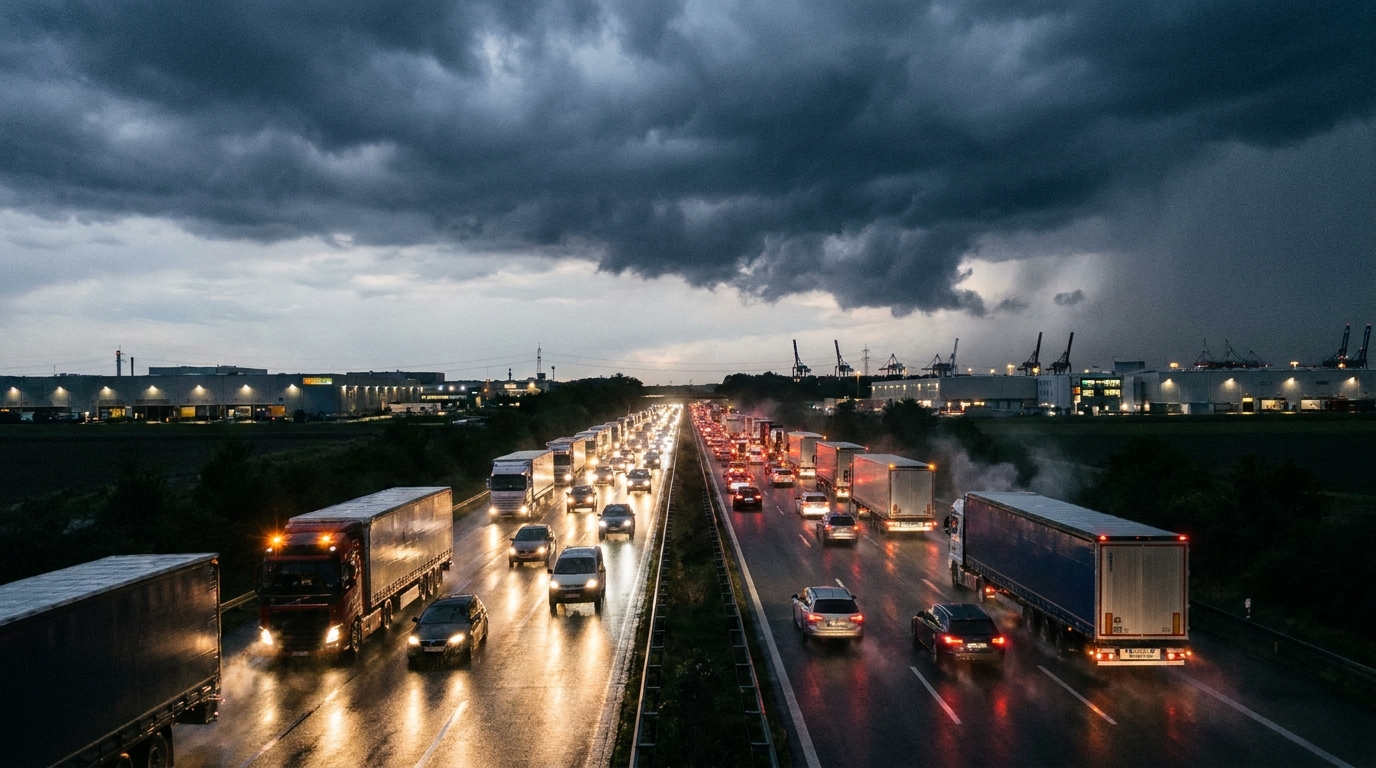
Germany on the brink: 25,900 company insolvencies in 2026 — the transport and logistics sector under fire
Germany is facing a record wave of bankruptcies — nearly 25,900 companies will go bankrupt in 2026, the highest figure in 13 years. The transport and logistics sector is going bankrupt faster than the rest of the economy, and Eurostat data indicate an 11.4% quarterly increase in transport and logistics bankruptcies across the EU. The domino effect following the collapse of major companies and the drastic rise in energy costs pose a real threat to all companies working with partners from Germany, France and Romania. The situation is not expected to improve before 2028.
Read more 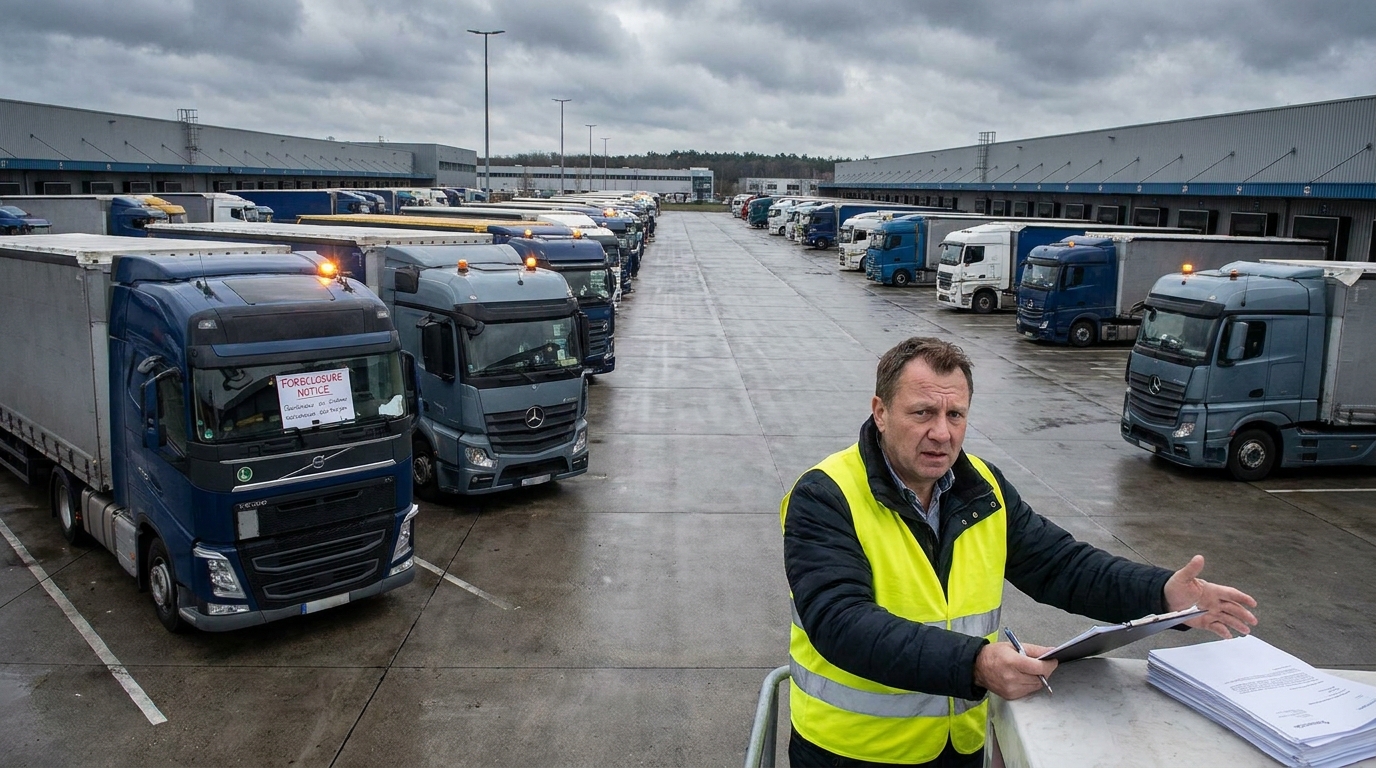
Wave of insolvencies in Germany: 25 900 bankruptcies annually through 2027 — the transport, shipping and logistics sector at the heart of the crisis
Allianz Trade forecasts that the number of corporate insolvencies in Germany will reach nearly 25,900 cases per year in 2026 and 2027 — the highest level since 2013. The transport and logistics sector is among the industries most at risk, posing a direct risk to European companies working with German carriers and operators. An improvement is not expected until 2028, requiring risk managers to immediately tighten their counterparty verification procedures.
Read more 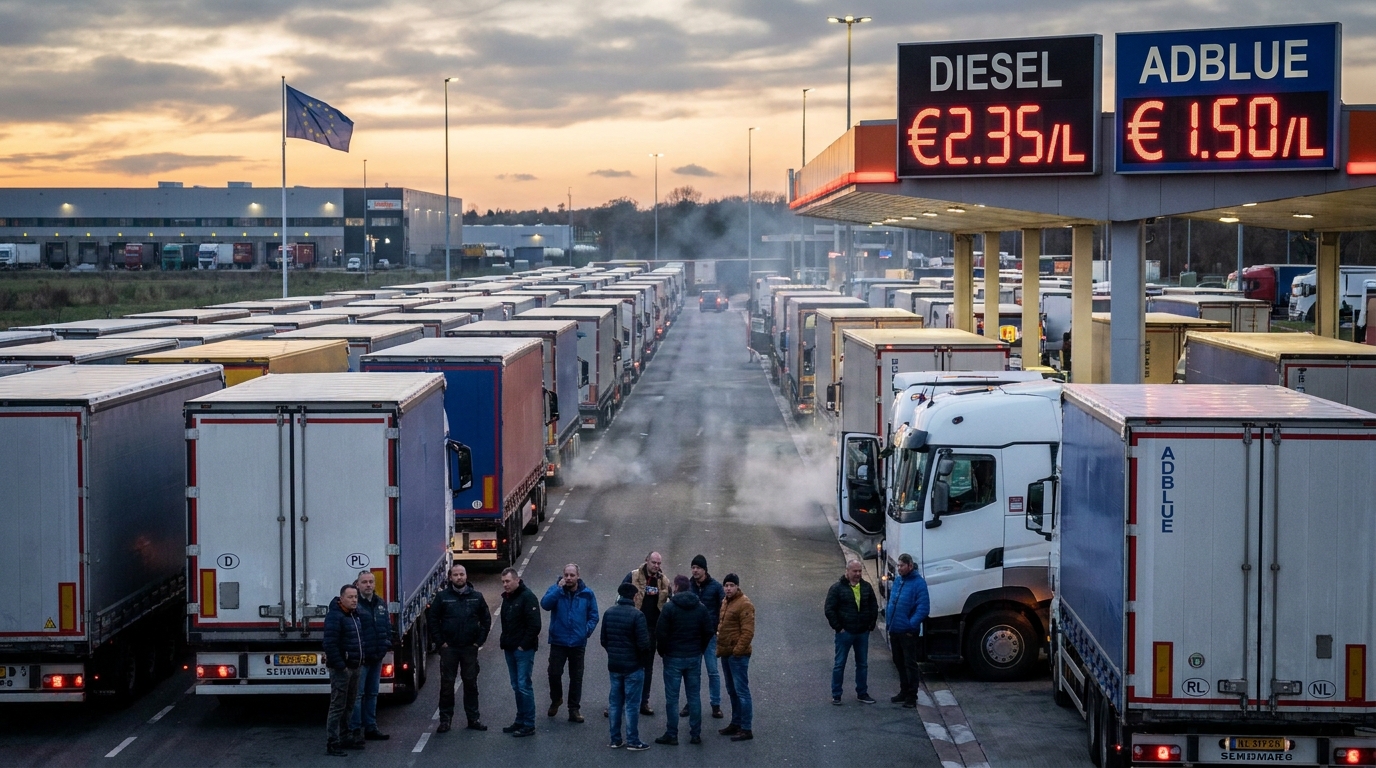
Fuel crisis in European transport: IRU demands 30-day limit on payments from EU and billions in support for carriers
The International Road Transport Union (IRU) has issued an urgent appeal to the European Commission regarding the crisis caused by the sharp rise in fuel prices, which threatens the liquidity of thousands of small and medium-sized transport companies in Europe. The organisation is calling, among other things, for the introduction of an EU regulation limiting payment terms to 30 days. With margins of 1–3% and mounting payment backlogs, the transport, shipping and logistics sector is becoming a sector at increased risk of insolvency — which should prompt all business partners to step up monitoring of their counterparties.
Read more 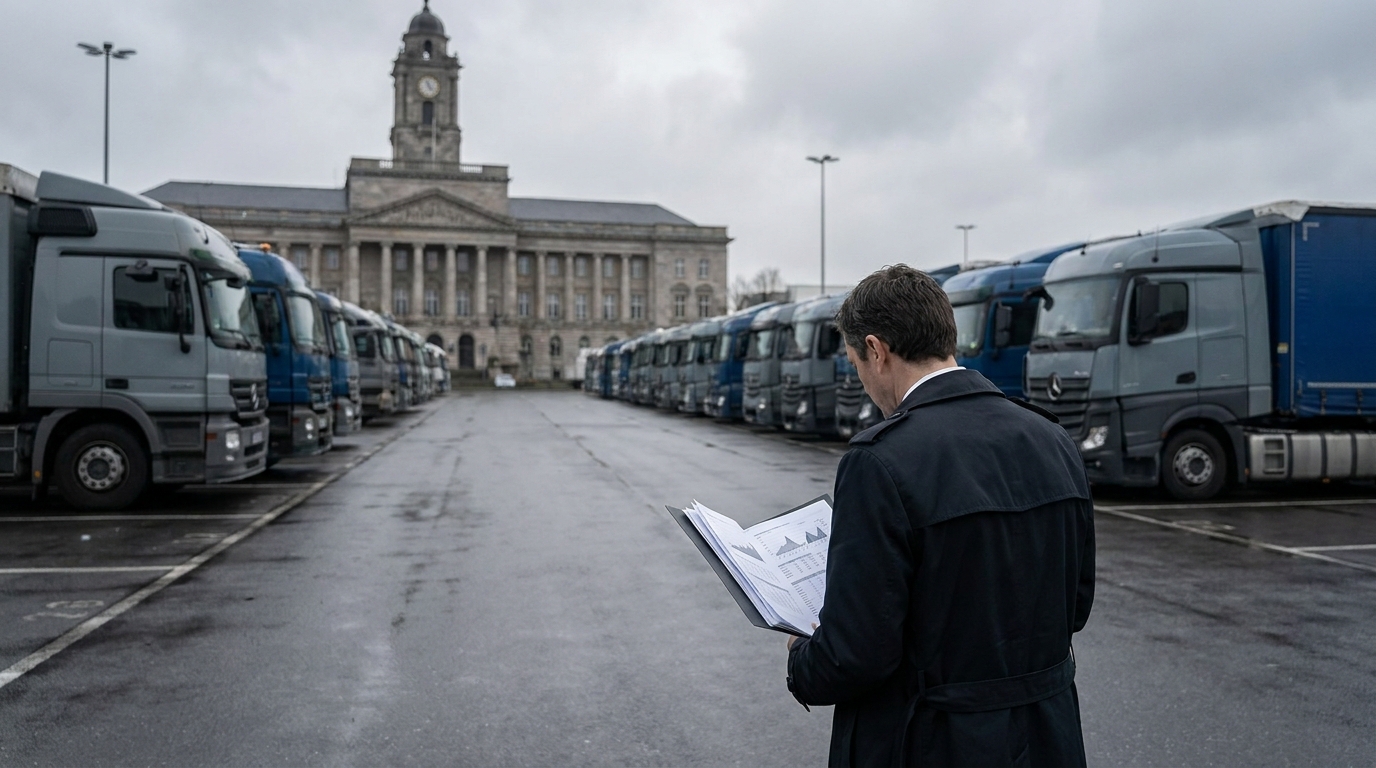
Truck cartel: Munich court assesses damages for MAN and Daimler – what does this mean for the transport industry?
The Munich Regional Court has for the first time precisely determined the percentage of damages caused by the truck manufacturers' cartel – for MAN vehicles, it amounts to up to 5 percent of the net price, and for Daimler vehicles, up to 4.2 percent. The landmark ruling paves the way for thousands of transport and logistics companies across Europe to seek compensation on a large scale. For the transport, shipping and logistics sector, this means both an opportunity to improve liquidity and a new perspective on valuing cartel claims as valuable balance sheet assets.
Read more 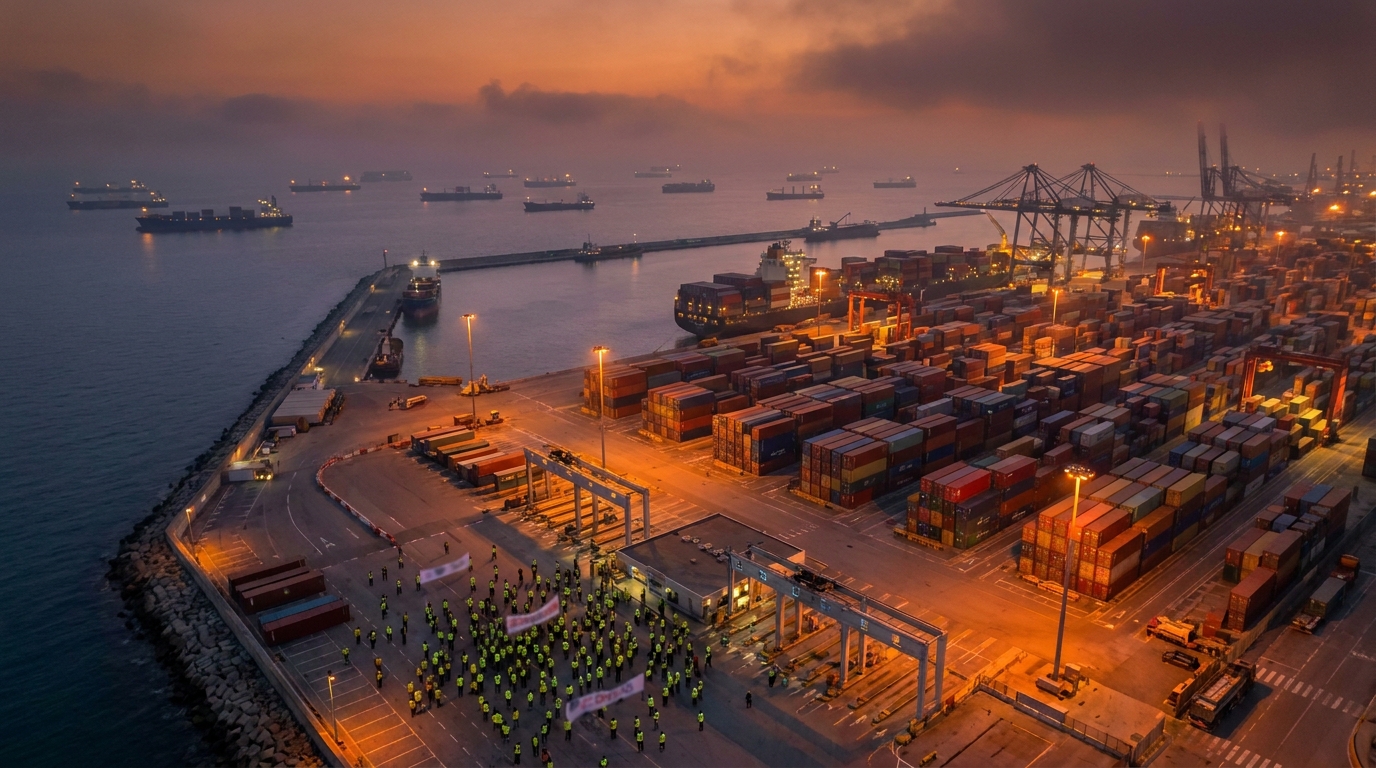
Strike in over 40 ports in Europe and the Mediterranean – a serious threat to supply chains in October 2026
On Friday 30 October 2026 a coordinated dockworkers’ strike under the slogan “Ports in Action” could paralyse more than 40 ports in Europe and the Mediterranean basin. Italy is the epicentre of the protests, where the strike will affect eight key terminals, including Genoa and Trieste — gateways to Central European markets. The disruptions could generate cascading financial effects for importers, freight forwarders and logistics companies for several weeks after the protest ends.
Read more