


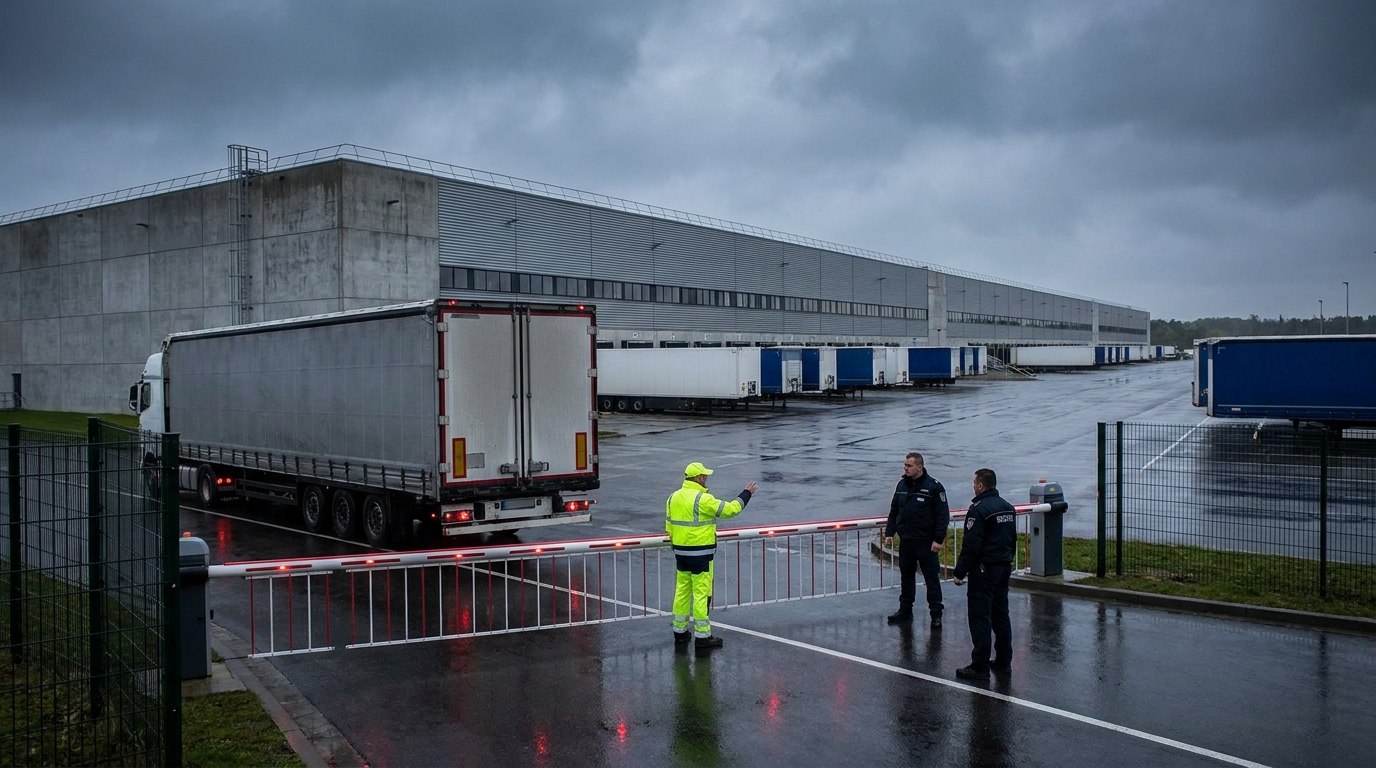
The Office of Competition and Consumer Protection (UOKiK) is targeting carriers with PLN 570 million in fines for a "no-poach" collusion with a discount chain. What does this mean for the transportation industry?
The President of UOKiK imposed fines exceeding PLN 570 million on the owner of a large discount retail chain and 29 transport companies for an illegal no-poach agreement that restricted drivers' freedom to change employers for nearly seven years. This decision, one of the largest in the history of Polish antitrust law, directly affects the creditworthiness and reputation of the penalized carriers. For risk managers and compliance departments, this is a clear signal that the verification of business partners in the transport sector must now also cover employment policies and potential violations of competition law.
Read more 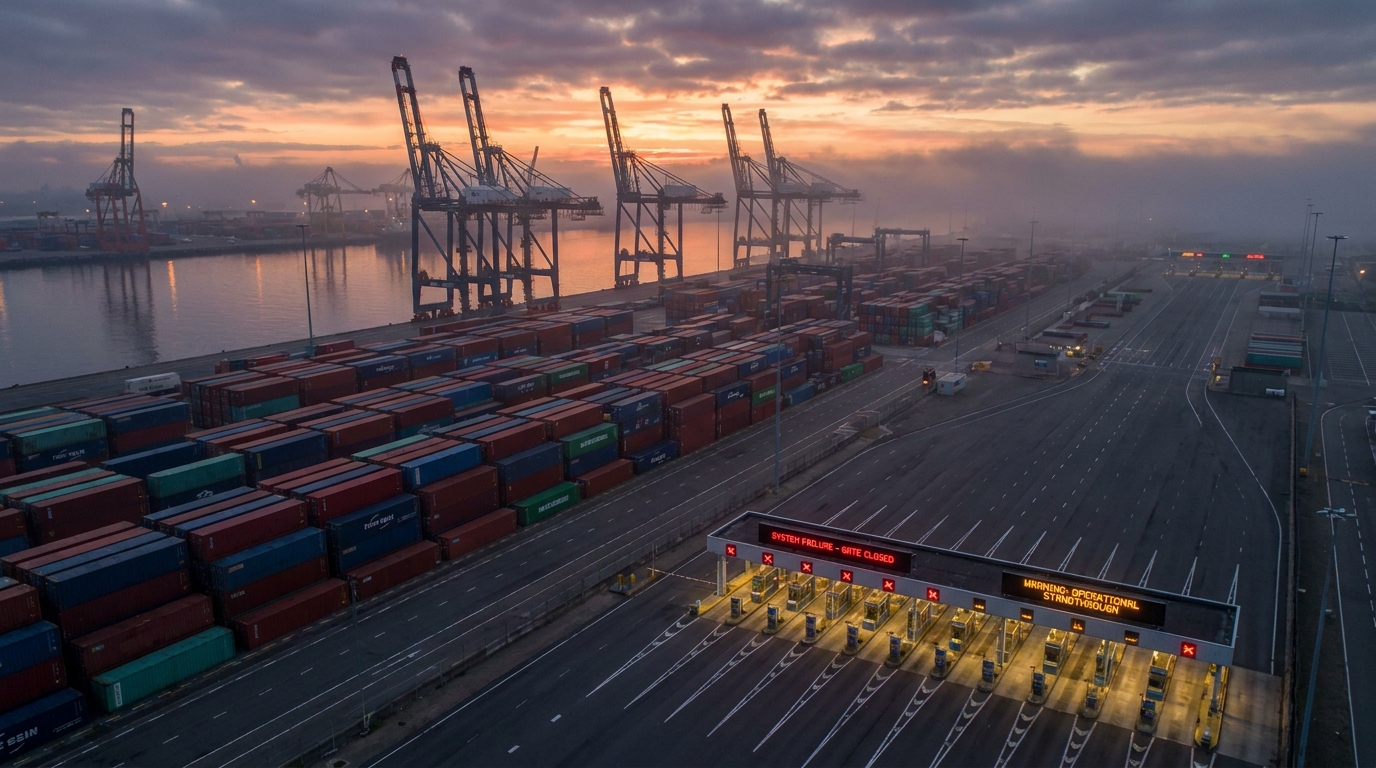
IT Failure at the Port of Rotterdam: Paralysis of ECT Terminals and Real Threats to the Liquidity of Logistics Companies in Europe
An IT system failure at the Port of Rotterdam's ECT Delta and ECT Euromax terminals caused serious operational disruptions affecting hundreds of transport and freight forwarding companies in Northern Europe. Rising Detention & Demurrage costs, the risk of contractual penalties and the freezing of working capital pose a direct threat to the liquidity of smaller participants in the transport, shipping and logistics market. EURODEBT.eu experts recommend an immediate contract audit, documentation of delays and securing credit lines as key remedial measures.
Read more 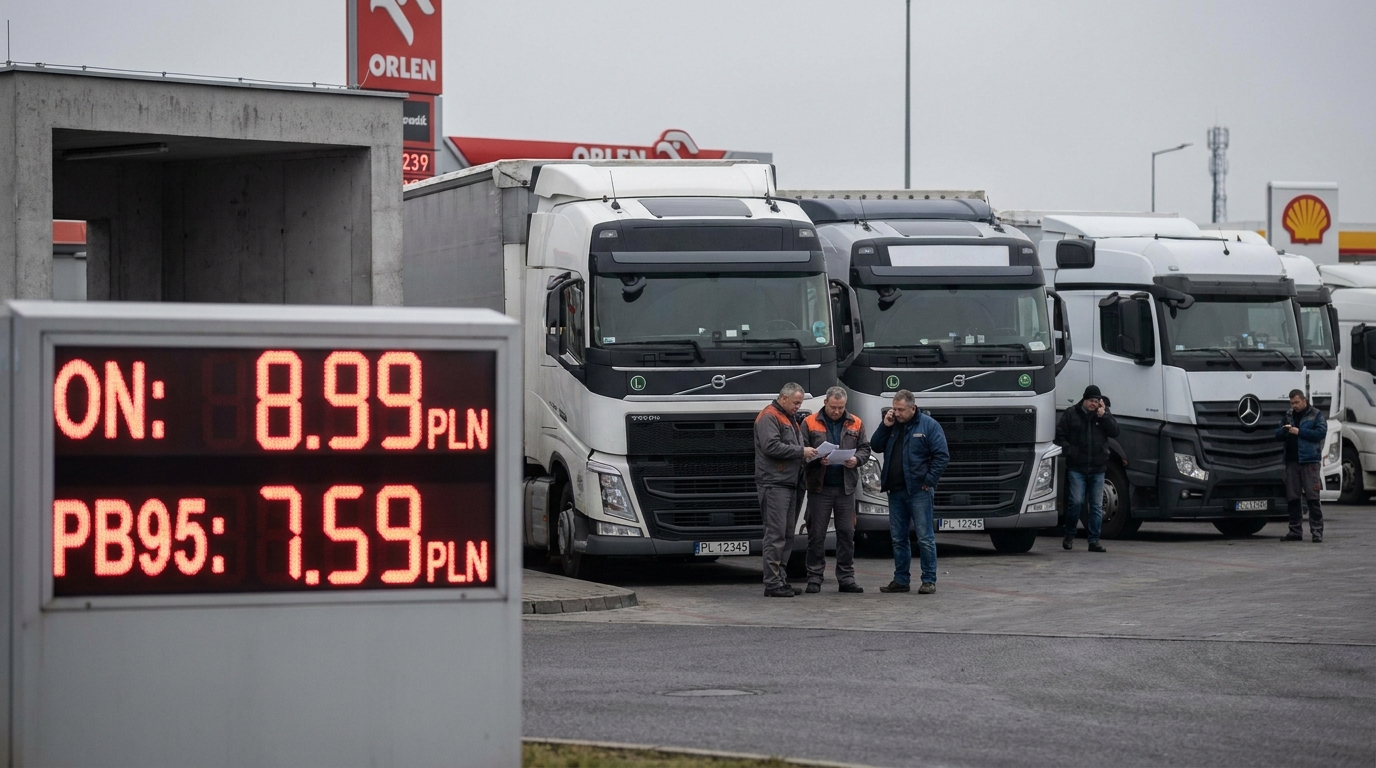
Crisis in Polish road transport: ZMPD calls for protective shield. Over a thousand companies will disappear from the market in 2026.
The Association of International Road Carriers in Poland (ZMPD) issued an urgent appeal to Prime Minister Donald Tusk in September 2026 to provide a protective package for the road transport industry. Data from the Chief Inspectorate of Road Transport confirm that more than a thousand transport companies disappeared from the market in 2026 alone. Fuel costs exceeding 30% of operating expenses and two-year waiting times for residence cards for drivers from outside the EU are pushing the SME sector to the brink of insolvency. For business partners, this is a clear signal that enhanced due diligence is necessary before entering into or continuing cooperation with Polish carriers.
Read more 
EU cracks down on late payers in logistics: automatic penalties and mandatory quarterly audits from 2026
In September 2026, the European Commission announced a package of strict regulations for the transport, shipping and logistics sector, introducing an absolute 30-day B2B payment deadline, an automatic financial penalties mechanism and mandatory quarterly financial audits of logistics operators. The new regulations address the late payment crisis, which threatens the liquidity of thousands of small and medium-sized carriers across the European Union. For risk managers, this is both a new tool for protecting receivables and a signal to thoroughly update counterparty verification procedures.
Read more 
Record PLN 47 billion in arrears for Polish companies: transport at the forefront of risk, SMEs pay the highest price
The overdue debt of Polish businesses has reached a record level of nearly 47 billion zlotys, and the transport, shipping and logistics sector has the highest proportion of unreliable payers in the entire national economy — 8.6 percent of companies have overdue liabilities. An informal payment hierarchy favors large corporations at the expense of SMEs, creating a domino effect in supply chains. European partners and financial institutions working with the Polish transport sector should urgently review their counterparty risk management procedures.
Read more 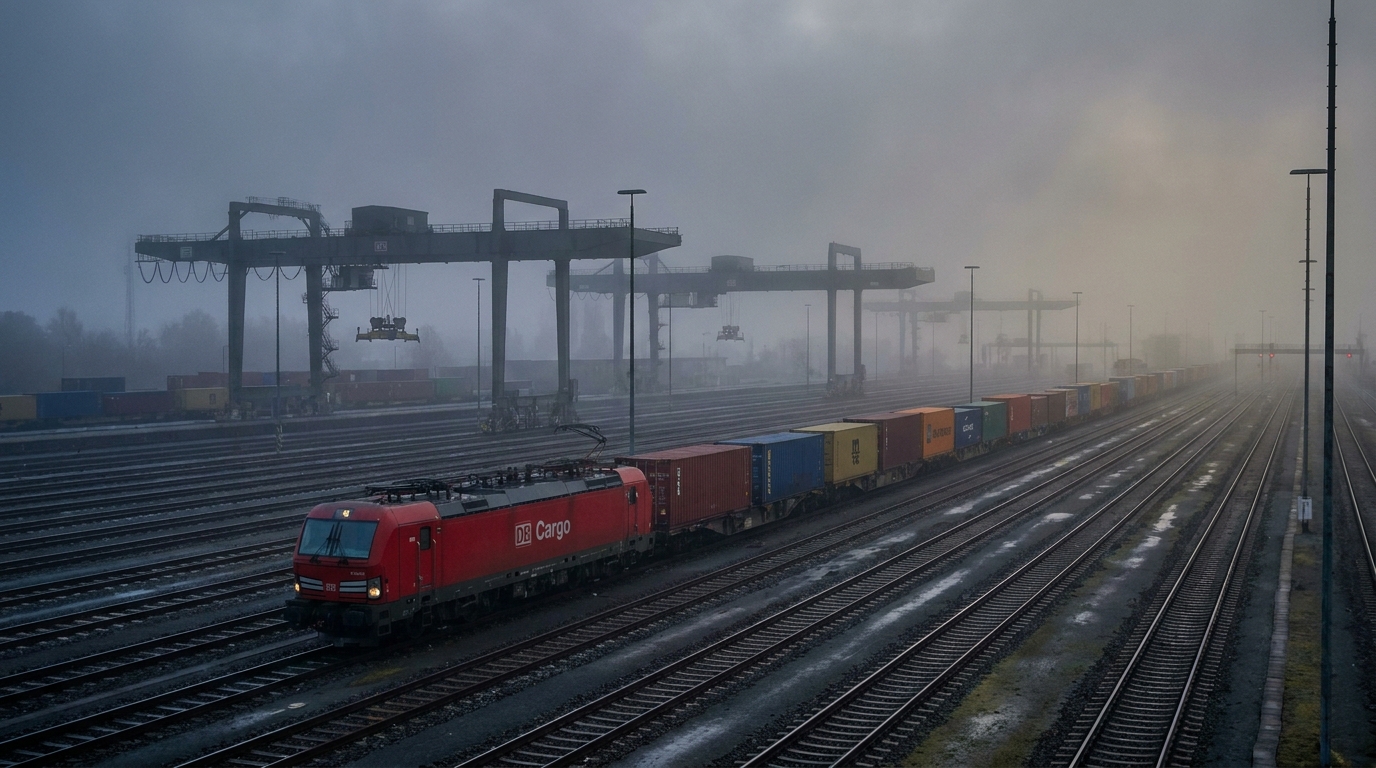
DB Cargo will not reach profitability in 2026 – what does this mean for European logistics?
DB Cargo, the Deutsche Bahn subsidiary responsible for rail freight transport, has officially acknowledged that it will not break even in 2026 — a key condition of the EU restructuring plan. The reason is a one-off impairment charge of approximately 260 million euros on the value of its British subsidiary. The situation necessitates a return to negotiations with the European Commission and is a serious warning sign of operational risk for the entire European logistics market.
Read more 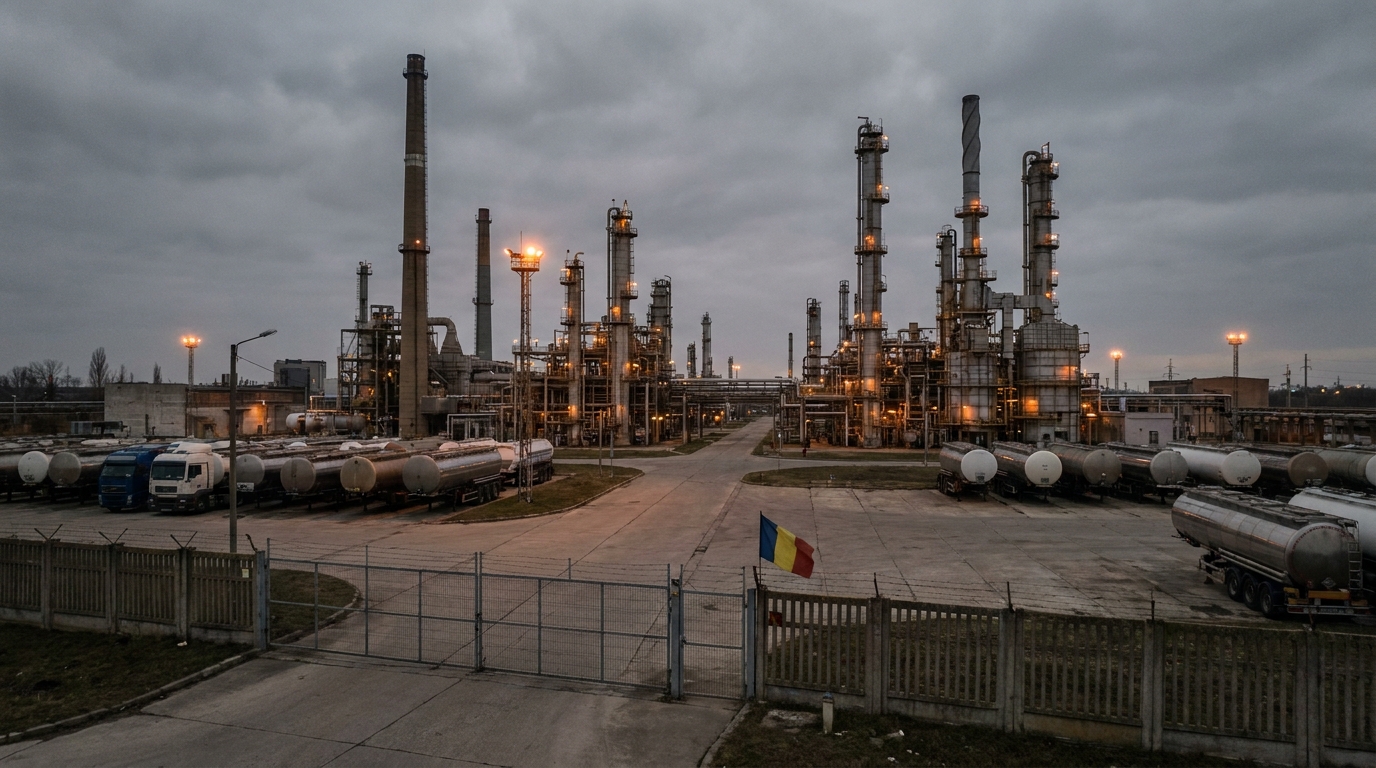
Petrotel Lukoil in bankruptcy: 460 Romanian companies on the verge of bankruptcy, TSL industry on fire
The closure of the Romanian Petrotel Lukoil refinery in Ploiești threatens the existence of nearly 460 companies, mainly in the transport and agriculture sectors, as well as up to 8 000 jobs. The immediate cause of the crisis is US sanctions on Russian assets, which have made it impossible to restart the facility responsible for 20% of Romania's oil refining capacity. Moldova, a traditional recipient of fuel from Ploiești, will also feel the effects, and the European trading partners of Romanian companies urgently need to revise their credit limits in the region.
Read more 
Germany delays import VAT reform - logistics companies' liquidity on the brink
German industry associations DSLV and DVF warn that the government's plan to reform import VAT, with implementation scheduled for 2030, is unacceptable for the logistics sector as it struggles with a liquidity crisis. Current regulations force freight forwarders to pre-finance the tax during customs clearance, tying up companies' working capital and threatening smaller businesses with technical insolvency. The problem affects more than just Germany — Polish carriers and subcontractors are directly exposed to a domino effect in the form of longer payment terms from German partners. Risk managers should strengthen their monitoring of the financial health of counterparties in the transport, shipping and logistics sector now.
Read more 
AirBaltic Bankrupt? Latvian Carrier Files Chapter 11 - What Does This Mean for the Logistics Industry?
Latvian carrier airBaltic filed for creditor protection under Chapter 11 in New York on 14 September 2026, while securing EUR 350 million in DIP financing. The immediate cause of the crisis is a fuel shock triggered by an armed conflict involving Iran, which has led to an almost twofold increase in aviation fuel prices. For the logistics industry and cargo partners, this means an urgent need to assess exposure to counterparty risk and take steps to secure receivables.
Read more 
Silent restructuring without announcement - an invisible threat to transport and logistics companies
An increasing number of Polish companies are using a legally permitted form of restructuring without a public announcement, allowing them to negotiate with creditors without revealing the crisis to the rest of the market. This mechanism is particularly dangerous for the transport and logistics industry, where subcontracting chains are long and margins are low. Standard systems for verifying business partners are completely ineffective against this procedure, requiring risk managers to implement new methods of monitoring business partners.
Read more