


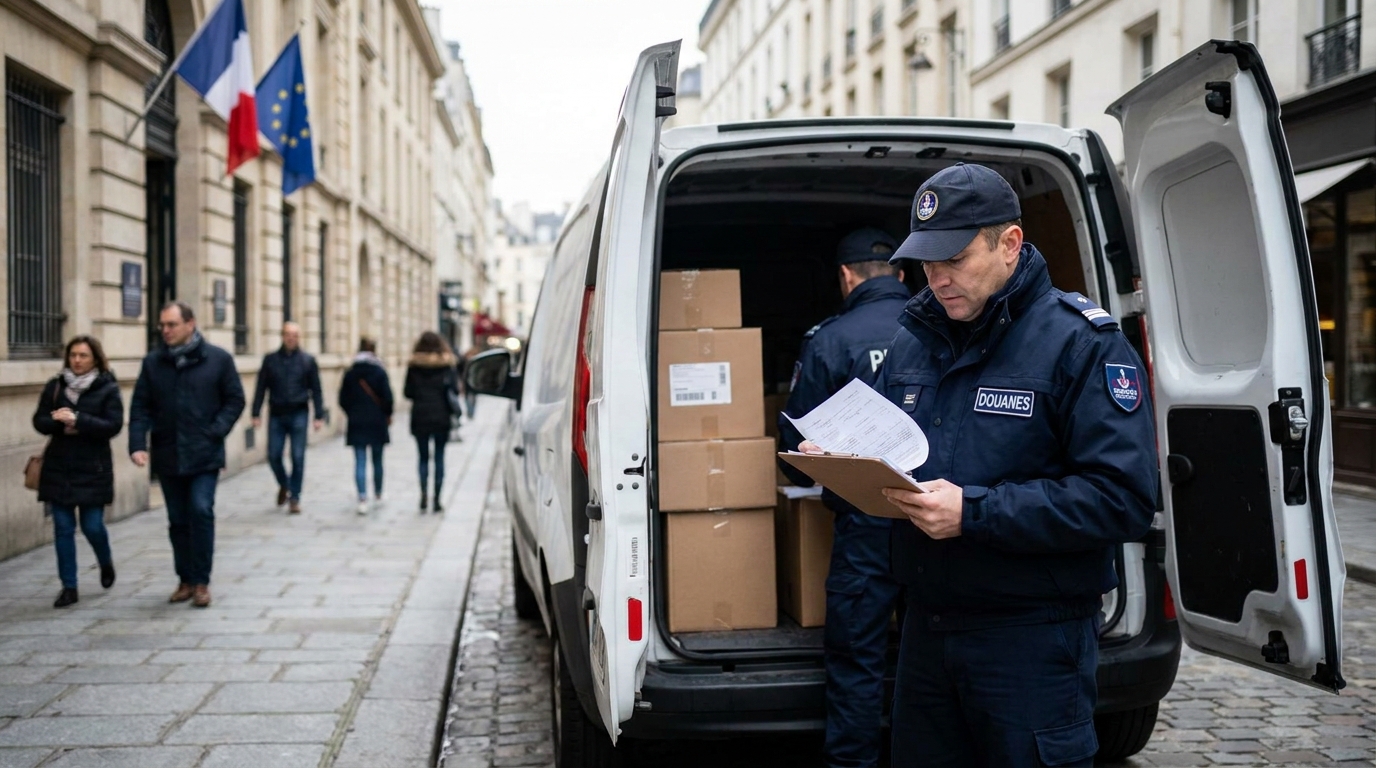
French transport under scrutiny: 85% of URSSAF inspections detect irregularities. What does this mean for your customers?
The French parliament revealed that as many as 85% of URSSAF inspections in the transport and warehousing sector uncover serious irregularities involving social security contributions. The problem is particularly concentrated in the segment of light commercial vehicles serving the last mile of e-commerce. For foreign companies commissioning transport in France, this means a real risk of joint liability for dishonest subcontractors’ unpaid contributions — even if they themselves operate in full compliance with the law.
Read more 
End of fuel tax relief in Germany from July 1, 2026: Alarm for Polish carriers and increased risk of bankruptcy in the TSL industry
From 1 July 2026, the temporary reduction in energy tax on fuels in Germany expires, causing an immediate increase in diesel prices of 14–17 cents per litre. This change directly affects Polish hauliers, for whom Germany is a key transit country on routes to France, the Benelux countries and the United Kingdom. Combined with summer traffic restrictions, a liquidity gap resulting from long payment terms and the absence of fuel clauses in SME contracts, experts forecast an increase in bankruptcies and payment backlogs in the transport, shipping and logistics sector in the second half of the year.
Read more 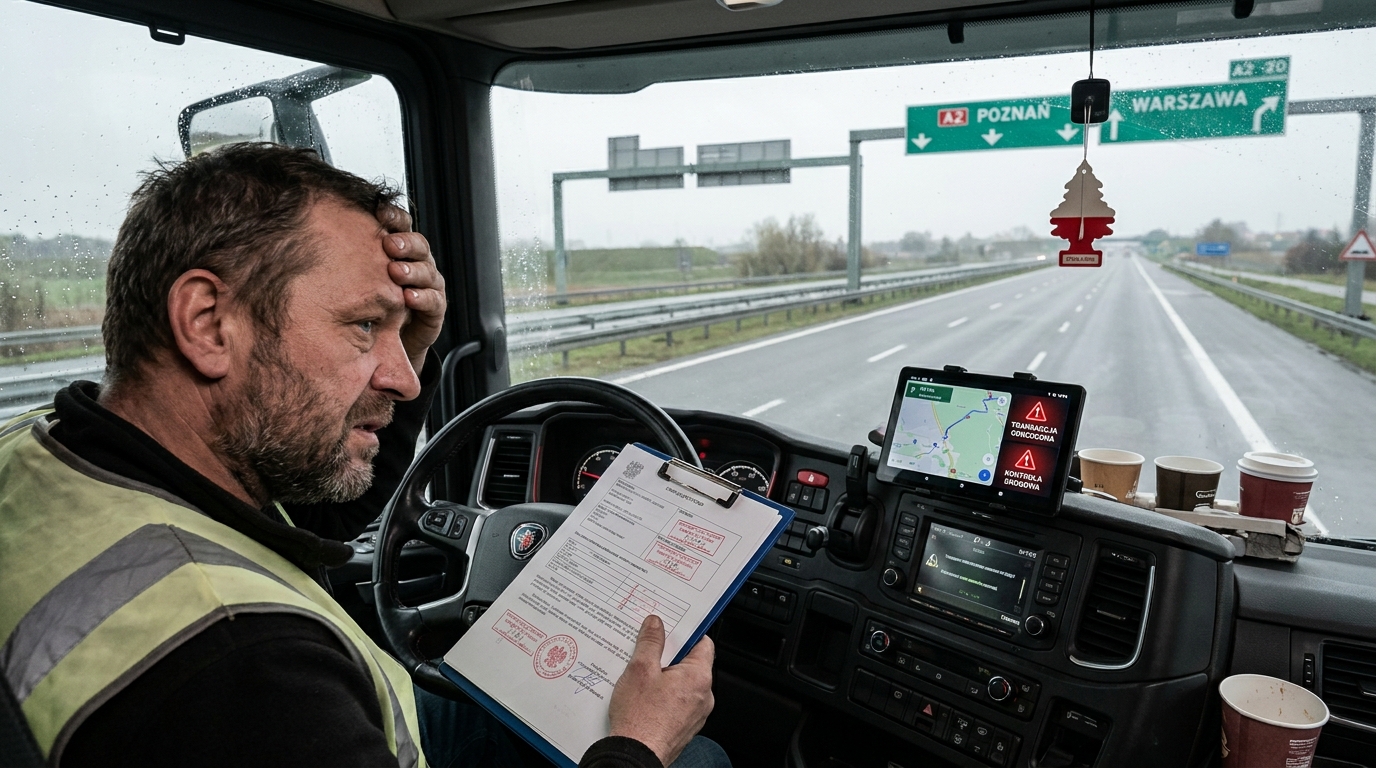
PLN 4,7 million in fines for errors in SENT: Polish transport monitoring system destroys legal carriers
Data from just two Polish voivodeships reveal that over 30 months, carriers were fined more than PLN 4.73 million for violations of the SENT system — often for administrative errors rather than deliberate tax fraud. The TSL sector warns that the rigid sanctions mechanism (a minimum fine of PLN 20,000) and complex reporting procedures threaten the solvency of small and medium-sized transport companies. The industry is calling for urgent reform of the system, the introduction of a principle of proportionality for penalties and simplification of the SENT interface.
Read more 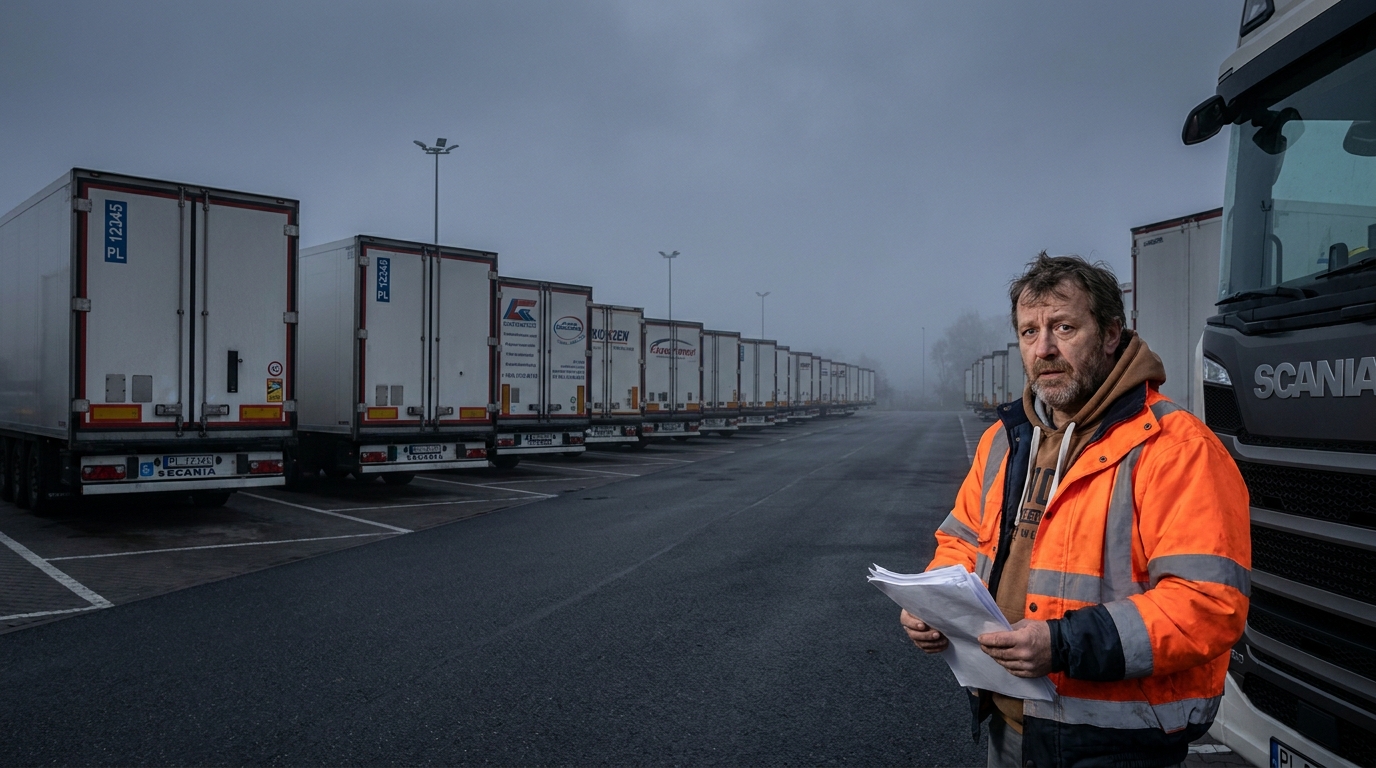
The visa crisis for Ukrainian drivers threatens the bankruptcy of thousands of Polish transport companies.
Thousands of Polish transport companies may face the specter of bankruptcy due to a visa crisis affecting Ukrainian professional drivers. Employers' organizations, led by TLP, are alerting the government and calling on the Ministry of Foreign Affairs to urgently make it possible to submit visa applications without having to travel to Ukraine. Operational paralysis in the industry threatens to trigger a domino effect in European supply chains and serious losses for the sector that finances vehicle fleets and insures receivables.
Read more 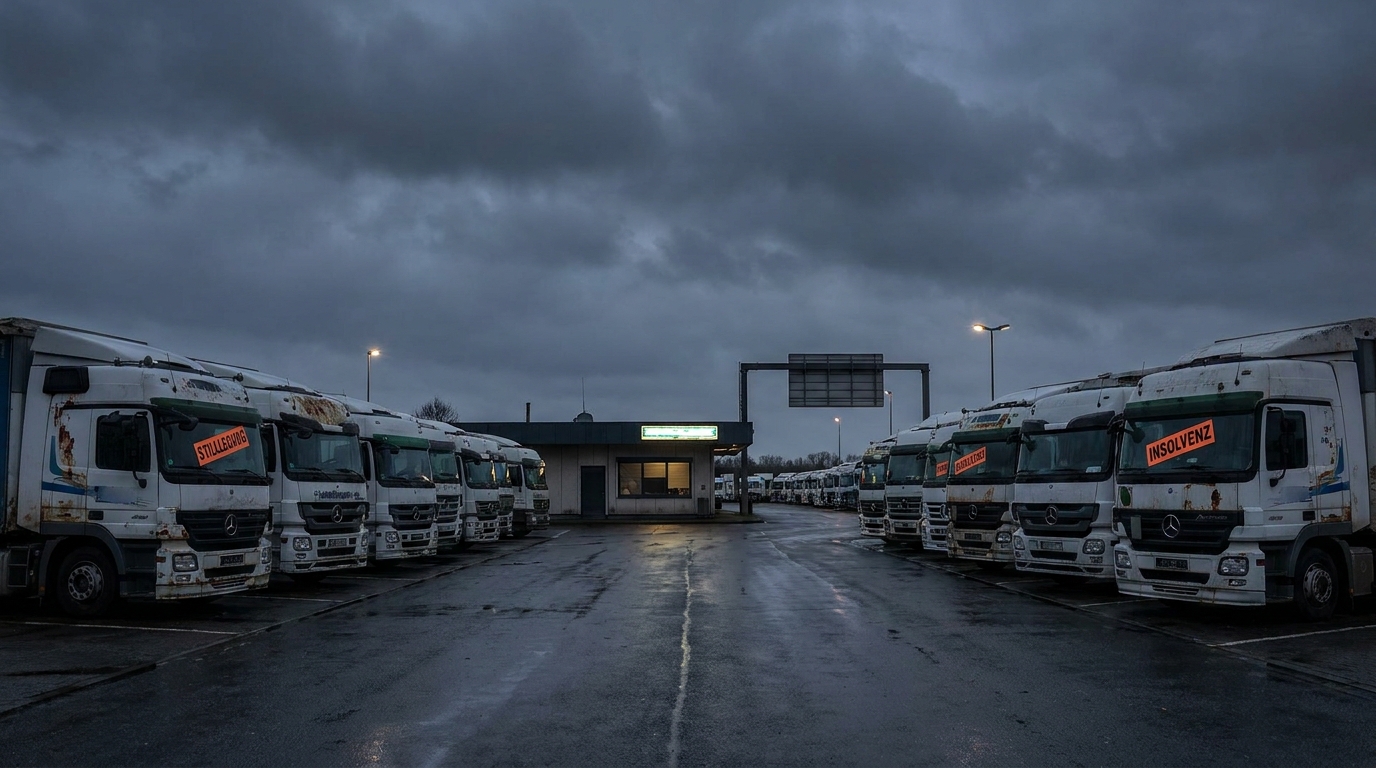
Debt crisis in the TSL sector: record PLN 3,38 billion in debt and nearly 39 companies in trouble
The debt of Poland's transport, freight forwarding and logistics sector reached a record level of PLN 3.38 billion at the end of April 2026, and financial difficulties are already affecting nearly 39,000 companies. The cumulative effects of the geopolitical crisis, rising energy costs and the slowdown in Western Europe pose a threat of a domino effect across the entire supply chain. Experts are calling for urgent systemic intervention, warning that failure to act could result in a widespread wave of bankruptcies in the second half of 2026.
Read more 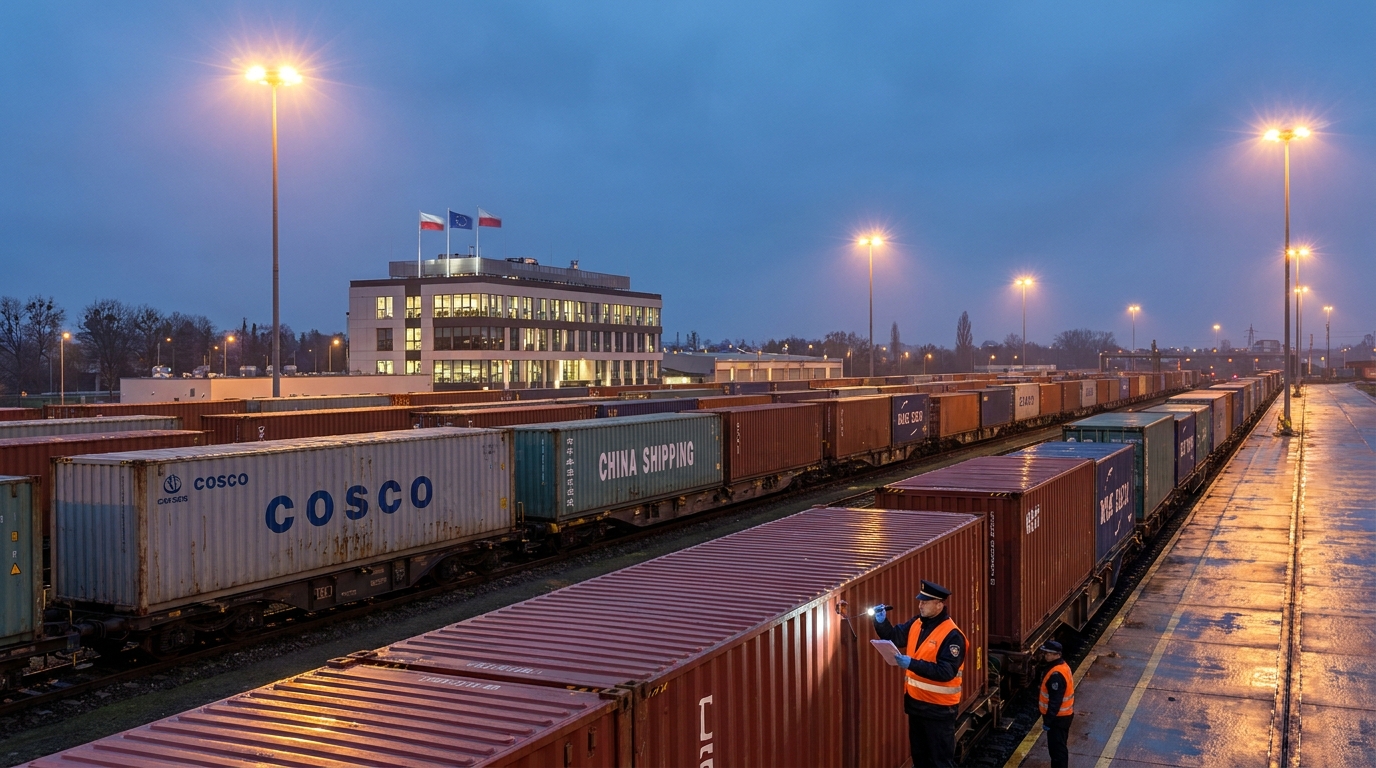
Customs duties from China: The tax office is pursuing Polish logisticians for customs fraud. The TSL industry is on the brink.
The Polish National Revenue Administration is pursuing unpaid customs duties on a large scale from logistics companies and rail carriers serving the New Silk Road — entities that unknowingly participated in supply chains affected by customs fraud committed by Asian importers. The mechanism of joint and several customs liability is hitting entities acting in good faith that had neither the ability nor the authority to verify the contents of containers. This situation drastically increases operational risk across the entire transport, shipping and logistics sector and requires urgent dialogue between the private sector and the Ministry of Finance.
Read more 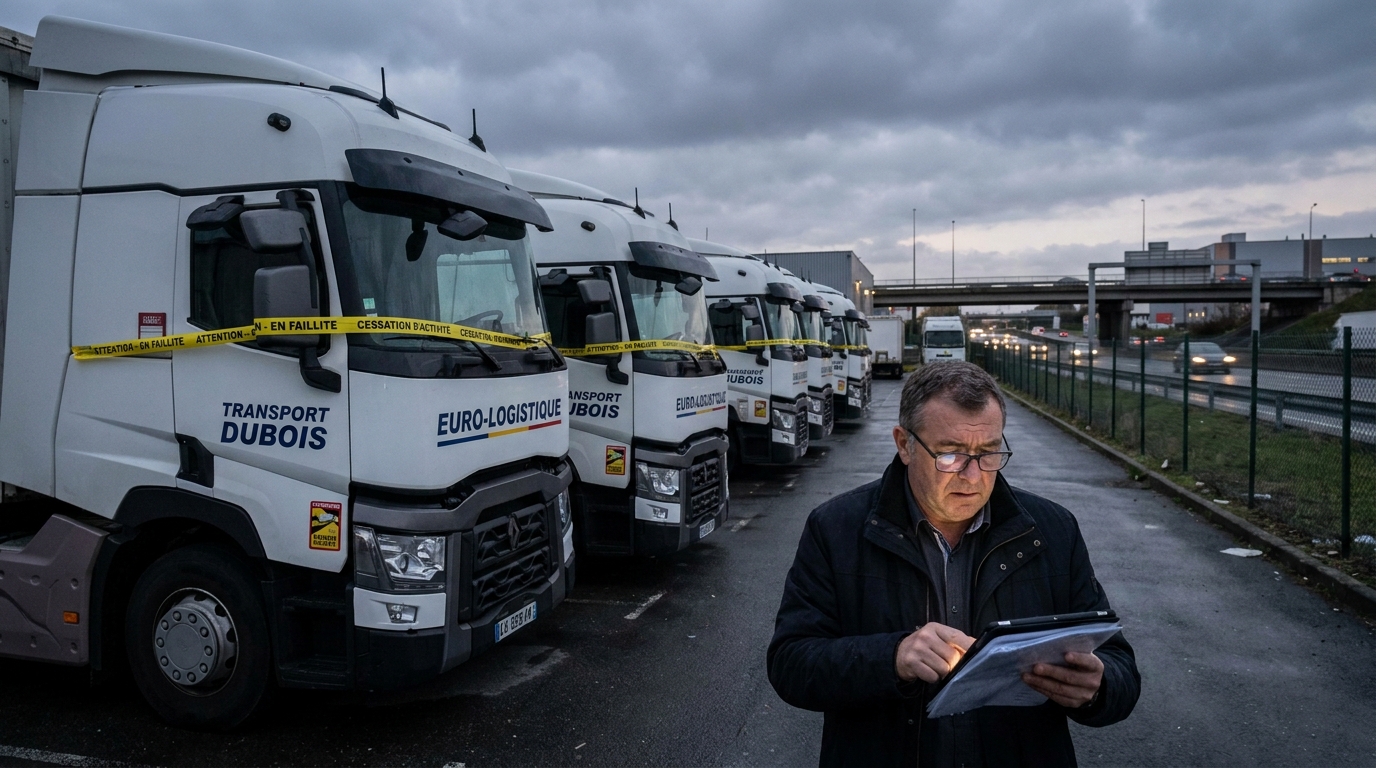
A wave of bankruptcies in French road transport – a record crisis threatens European supply chains
The road transport sector in France is experiencing an unprecedented wave of insolvencies — in 2025, the number of bankruptcies rose to 61% above the long-term average, and the negative trend accelerated in the first half of 2026. The crisis is driven by rising fuel costs, wage pressure, collapsing demand and the burdens associated with the green transition. For European clients and logistics partners, this means a real risk of supply chain disruptions and financial losses requiring immediate preventive action.
Read more 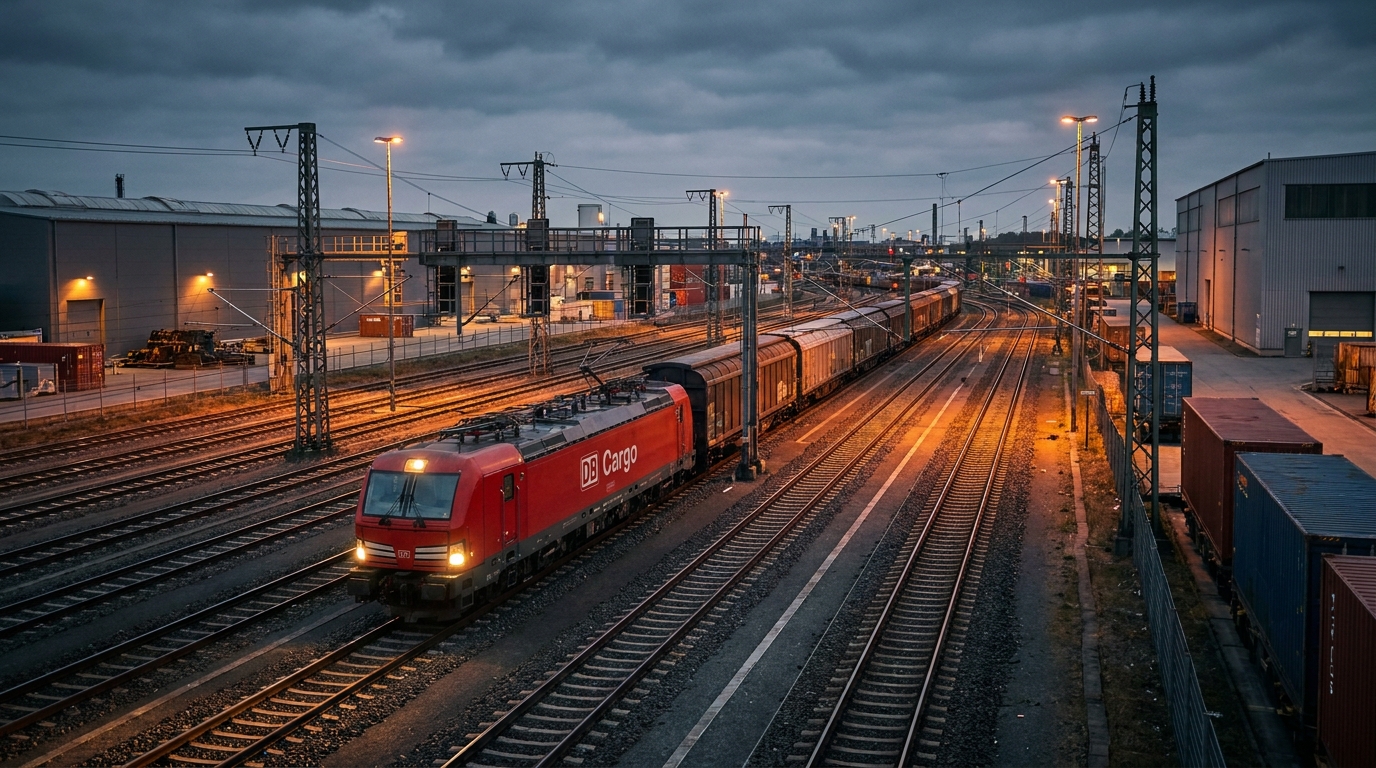
DB Cargo cuts 6200 jobs: What does the job cuts at Germany's largest rail carrier mean for European logistics?
DB Cargo, Germany's largest rail freight operator, has officially confirmed the elimination of 6 200 out of 14 000 jobs by 2030 as part of a restructuring worth one billion euros. The cuts were driven by pressure from the European Commission and years of operating losses. The changes will primarily affect the single-wagon freight segment and maintenance infrastructure, which may disrupt supply chains in Poland, the Czech Republic and other Central European countries.
Read more 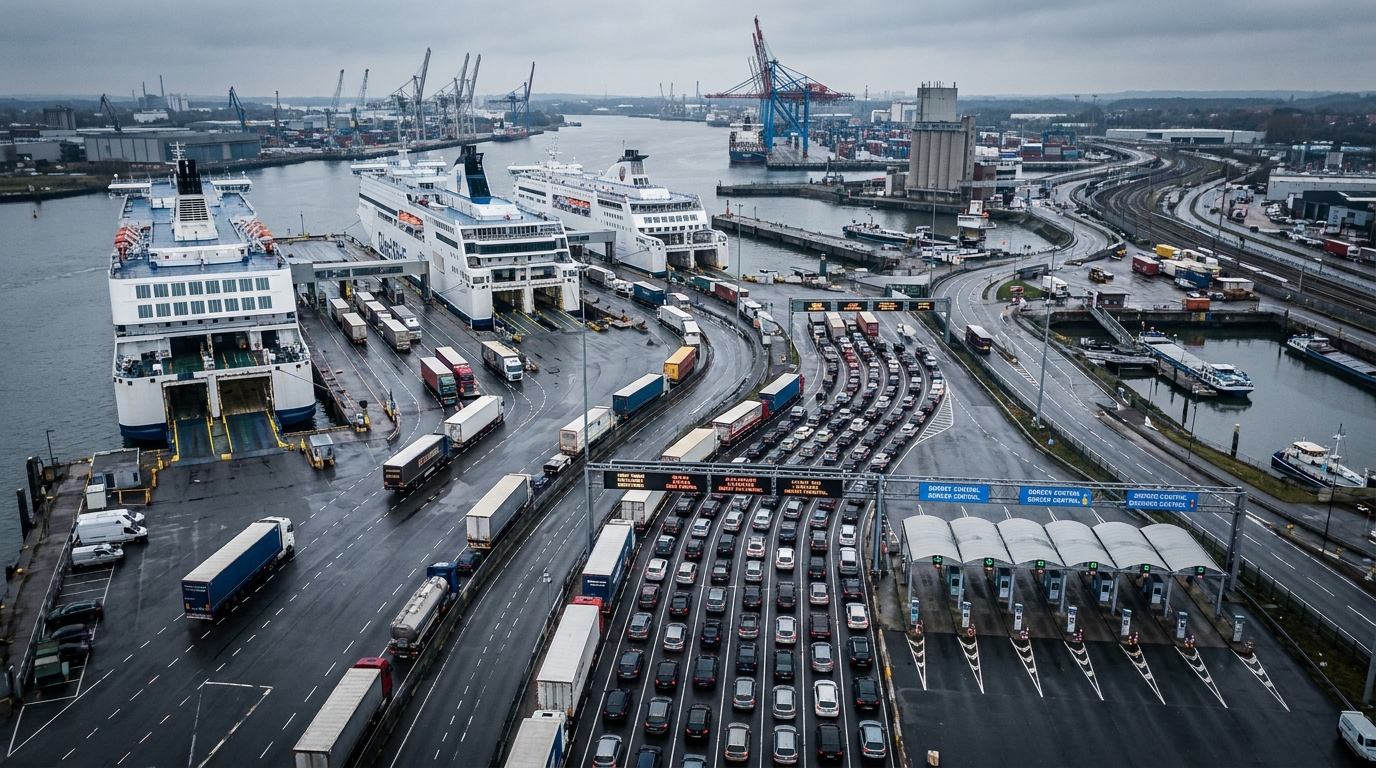
EES paralyzes European ports: Interferry warns ahead of 2026 summer peak
The Interferry association warns that the EU Entry/Exit System (EES) is already causing serious congestion at European ferry ports. The first problems emerged during the long weekends in May — Stena Line and Brittany Ferries report system failures and delays lasting several hours. Without urgent corrective action, the peak of the 2026 summer season could paralyse Europe's key logistics hubs, generating enormous costs for carriers and supply chains.
Read more 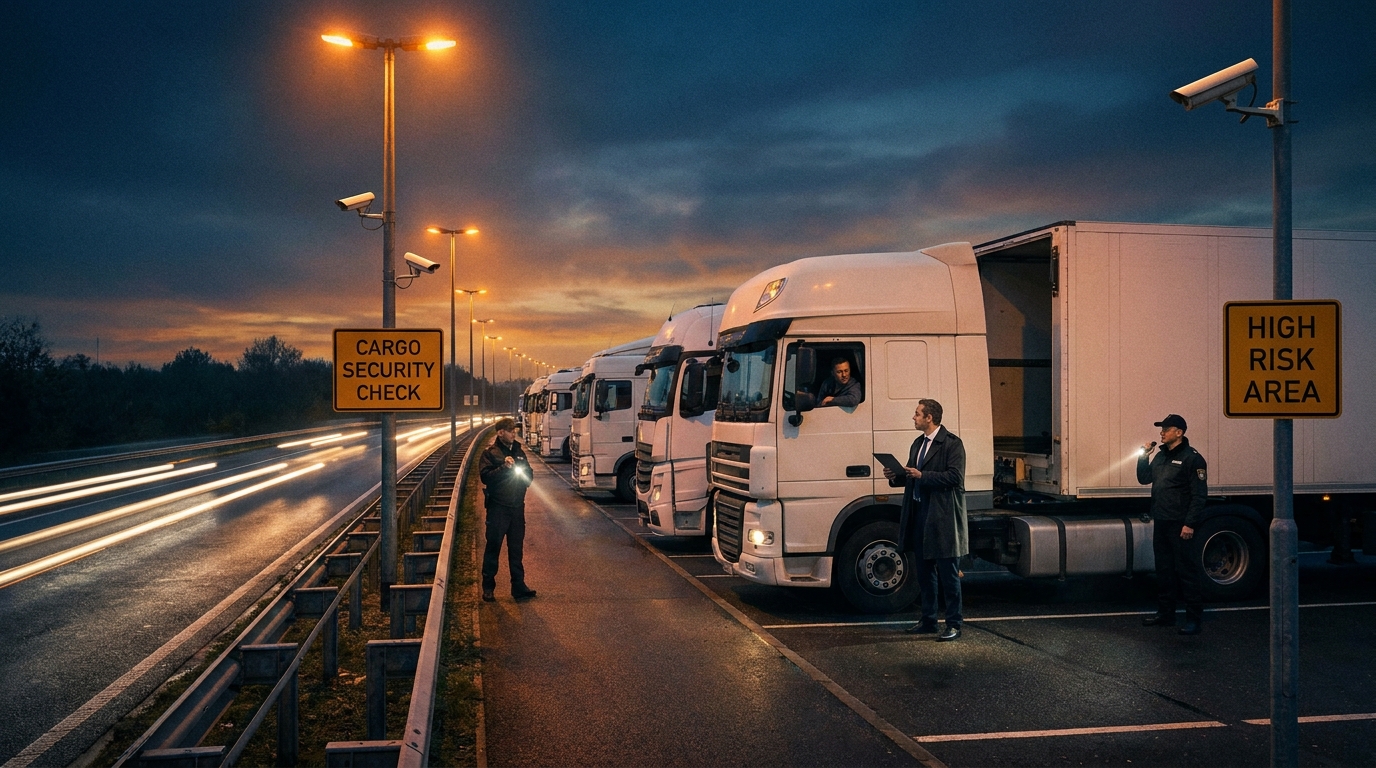
Cargo fraud costs Europe €2,6 billion annually. Is your company the next target?
The European transport sector loses over 2.6 billion euros annually due to cargo fraud, and the scale of the phenomenon is growing exponentially — the value of documented losses in the EU has increased by over 1000% since 2021. Particularly dangerous are so-called phantom carriers, fictitious transport companies that build a credible operating history solely to take possession of valuable cargo and disappear. Experts warn: traditional, one-off carrier verification is no longer sufficient, and company boards must immediately recognise cargo security as a strategic corporate priority.
Read more